
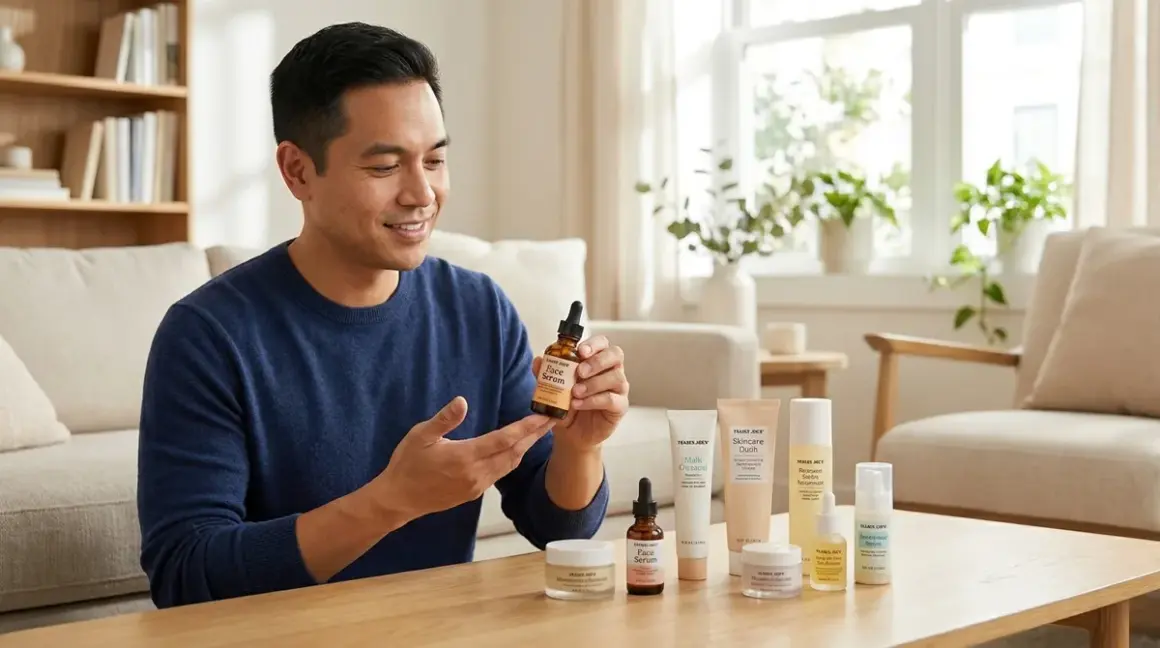

The fluorescent hum of Trader Joe's. You're here for organic arugula and dark chocolate peanut butter cups, but your hand drifts toward the skincare endcap—those minimalist bottles promising retinol, hyaluronic acid, antioxidants for less than a smoothie. Can best Trader Joe's face products genuinely compete with prestige formulas, or is this wishful thinking wrapped in cheerful packaging?
After analyzing active concentrations, molecular weights, and price-per-milliliter metrics across their serum range, the answer is cautiously optimistic: several formulations deliver clinically meaningful percentages of proven ingredients at fractions of luxury pricing, though texture refinement and preservative systems lag behind department store counterparts. You'll find legitimate skincare here—if you know which bottles justify the cart space.

What to Look For in Trader Joe's Face Serums
The gulf between aspiration and efficacy collapses when you understand formulation architecture.
Active ingredient concentration matters more than marketing copy. A serum listing niacinamide as the seventh ingredient delivers negligible results compared to one formulated at 5-10% concentration. Trader Joe's doesn't publish percentages on packaging, but INCI order (ingredients listed by descending concentration) reveals much. Water typically dominates the first position. If your target active appears within the first five ingredients, you're likely seeing therapeutic levels—1% or higher for most studied compounds. Beyond the tenth ingredient, you're entering homeopathic territory where molecules exist more as concept than clinical reality.
The molecular weight of hyaluronic acid determines penetration depth and hydration strategy. Low molecular weight HA (under 50 kilodaltons) penetrates deeper into dermis, plumping from within but occasionally triggering sensitivity. High molecular weight HA (1,000-1,800 kDa) forms a humectant film on the stratum corneum, binding ambient moisture to the surface. Mid-weight blends (between 130-300 kDa) offer compromise. Prestige serums like Skinceuticals Hyaluronic Acid Intensifier layer multiple molecular weights deliberately. Budget formulations often use single-weight HA—functional but less sophisticated. Check for "sodium hyaluronate" (the salt form, smaller and more stable) versus "hyaluronic acid" itself.
Preservative systems telegraph manufacturing standards. Phenoxyethanol paired with caprylyl glycol signals modern, broad-spectrum preservation favored in contemporary clean formulations. Parabens remain effective despite controversy—methylparaben and propylparaben appear in countless dermatologist-approved products, though their presence suggests older formulation patterns. The absence of preservatives in water-based serums should alarm you; these products become microbial playgrounds within weeks. If a serum contains botanical extracts without preservation, bacterial contamination becomes probable, not possible.
Texture and delivery systems separate pleasant from punishing. A serum can contain ideal actives but fail if it pills under sunscreen, feels tacky for hours, or stings on contact. Silicones (dimethicone, cyclopentasiloxane) create that coveted slip and rapid absorption, though silicone-sensitive skin exists. Glycerin in high concentrations hydrates beautifully but can feel sticky in humid climates. Propanediol—derived from corn—offers elegant glide without heaviness, appearing increasingly in modern formulations. The aesthetic experience determines compliance, and compliance determines results.
Price-per-ounce metrics contextualize value propositions. Luxury serums routinely command $150-$300 for one fluid ounce, translating to roughly $5-$10 per milliliter. Trader Joe's serums cluster around $9 for 30ml bottles—approximately $0.30 per milliliter, representing a 94-97% cost reduction. This disparity doesn't automatically indicate equivalent performance; prestige brands invest in clinical testing, stability studies, and refined sensory profiles. But when active concentrations and supporting ingredients align reasonably close, that price differential becomes harder to justify on chemistry alone.
Manufacturing origin whispers quality signals worth hearing. Products made in South Korea or Japan often reflect decades of fermentation technology and aesthetic refinement—those regions treat skincare as cultural craft. European manufacturing (France, Switzerland, Germany) suggests stringent cosmetic regulations and pharmaceutical-grade facilities. Domestic U.S. production varies wildly but can indicate fresher formulations with shorter supply chains. Trader Joe's sources globally, sometimes repackaging existing formulations under their private label. When you encounter Korean-manufactured serums at TJ's prices, you're often accessing the same contract manufacturers supplying mid-tier beauty brands at markup.
For those building out their routines, understanding best beauty products at Trader Joe's across categories helps contextualize where serums fit within their broader skincare ecosystem.
Our Top Picks
Trader Joe's Hyaluronic Moisture Boost Serum
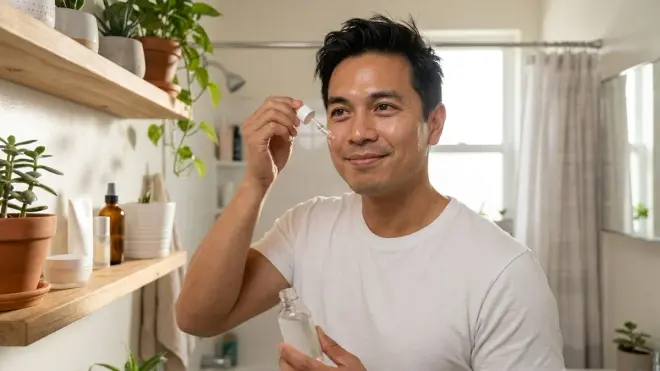
The Trader Joe's Hyaluronic Moisture Boost Serum🛒 Amazon arrives in a frosted glass bottle that feels cold against your palm—a tactile promise of hydration. The texture lands somewhere between viscous water and thin gel, absorbing within thirty seconds and leaving a plush, slightly dewy finish. You'll notice immediate surface plumping, that taut-but-comfortable feeling of well-hydrated skin.
INCI analysis places sodium hyaluronate as the third ingredient, following water and glycerin, suggesting concentration likely between 0.5-2%—respectable for a budget formulation. The molecular weight isn't disclosed, but absorption speed and lack of surface tackiness imply mid-weight HA around 130-200 kDa. Glycerin in the second position provides additional humectant support, though this combo can feel heavy in tropical humidity. Phenoxyethanol and caprylyl glycol handle preservation without parabens.
Pros:
- Sodium hyaluronate appears high in ingredient hierarchy, indicating meaningful concentration
- Glass packaging protects formulation integrity better than plastic
- Fragrance-free formulation minimizes irritation potential
- Absorbs quickly without pilling under subsequent skincare layers
- Manufactured in South Korea, suggesting quality control standards comparable to K-beauty brands
Cons:
- Single molecular weight HA limits depth of hydration compared to multi-weight luxury serums
- Glycerin-heavy formula can feel slightly sticky in high-humidity environments
- No supporting actives like ceramides or peptides to enhance barrier function
- Opaque labeling prevents monitoring product clarity for contamination signs
Price-per-ounce comparison reveals stark contrasts: this serum costs roughly $9 for 30ml ($0.30/ml) while La Roche-Posay Hyalu B5 Pure Hyaluronic Acid Serum runs around $40 for 30ml ($1.33/ml)—a 77% savings. The LRP formula includes vitamin B5 and madecassoside for barrier repair, but if simple hydration is your goal, the Trader Joe's version delivers without ceremony.
Trader Joe's Nourish Antioxidant Facial Serum
Amber glass suggests light-sensitive actives inside. The serum itself pours thick and golden—jojoba oil clearly dominates the base, giving this an oil-serum hybrid character that spreads easily but never quite dries down completely. Within minutes, your skin gleams with that well-fed radiance, though powder foundations slide over this finish unpredictably.
The formulation features jojoba oil, rosehip oil, and vitamin E (tocopherol) as primary actives. Rosehip naturally contains trans-retinoic acid (the active form of vitamin A) at approximately 0.1-0.3%, far lower than prescription retinoids but gentler for sensitive skin. Vitamin E concentration appears meaningful based on INCI placement—likely 0.5-1%—offering free radical scavenging and lipid protection. This isn't a targeted treatment serum; it's a nourishing facial oil marketed under serum nomenclature.
Pros:
- Rosehip oil provides trace retinoids for gentle cell turnover without prescription irritation
- Vitamin E stabilizes skin lipids and protects against oxidative stress from UV exposure
- Jojoba oil mimics sebum composition, making this suitable for most skin types
- Amber glass packaging protects light-sensitive oils from degradation
- Can double as barrier repair treatment for compromised skin
Cons:
- Oil-based formula leaves persistent sheen that interferes with makeup application
- No water-soluble actives like niacinamide or hyaluronic acid for multi-mechanism benefits
- Tocopherol can trigger breakouts in acne-prone individuals at concentrations above 1%
- Lacks preservatives (oil-only formula), but oxidation becomes likely after six months
- Not genuinely a "serum" in cosmetic chemistry terms—misleading categorization
Comparing formulation architecture to luxury facial oils like Drunk Elephant Virgin Marula Luxury Facial Oil, you're looking at similar single-oil approaches but drastically different price points—around $72 for 30ml versus TJ's $9. The marula oil contains higher antioxidant concentration, but both deliver nourishment without complex actives. For those curious about formulation depth, the upcoming comparison of Trader Joe's vs Drunk Elephant explores these architectural differences in granular detail.
Trader Joe's Enrich Moisturizing Face Serum with Vitamin E
This serum confusion persists—the bottle reads "serum" but the milky, lotion-like texture betrays emulsion architecture. The scent arrives soft and slightly oily, reminiscent of almond extract without the sweetness. It spreads generously, requiring only two drops for full face coverage, and absorbs within a minute to a natural-skin finish that foundation grips well.
Vitamin E (tocopheryl acetate, the stable ester form) appears fourth in the ingredient list, suggesting 0.5-2% concentration—adequate for antioxidant function. Squalane appears shortly after, providing biomimetic lipid replenishment without comedogenic risk. The emulsion base uses cetyl alcohol and glyceryl stearate for structure, creating that lotion-like body. Dimethicone gives slip and rapid skin-feel improvement. This formulation behaves more like a lightweight moisturizer than a serum, but the semantic distinction matters less than performance.
Pros:
- Tocopheryl acetate (stable vitamin E form) resists oxidation better than pure tocopherol
- Squalane provides non-comedogenic emollience suitable for acne-prone skin
- Dimethicone creates smooth canvas for makeup application without pilling
- Fragrance-free and hypoallergenic formulation minimizes sensitivity reactions
- Lotion-like texture feels comforting for those intimidated by pure oils
Cons:
- Cetyl alcohol can trigger fungal acne in malassezia-prone individuals
- Emulsion format dilutes active concentrations compared to true serums
- Opaque white packaging prevents visual contamination checks
- No additional functional actives beyond basic vitamin E antioxidant protection
- Misnomer creates confusion—this is moisturizer masquerading as serum
Price comparison against CeraVe Facial Moisturizing Lotion PM reveals competitive positioning—both cost around $13-15 for similar volumes, feature ceramides or emollients for barrier support, and deliver lightweight hydration. The CeraVe formula includes niacinamide at 4% and ceramides, making it functionally superior despite similar pricing. Trader Joe's version offers minimal advantage here.
Trader Joe's Nourish Oil-Free Antioxidant Facial Serum
Cool aqua gel that trembles slightly when dispensed—this formulation immediately reads as modern polymer technology. The texture feels slick but water-light, absorbing in seconds and leaving absolutely no residue. The finish is so mattifying you might initially mistake it for primer. Fragrance-free, colorless, almost clinical in its restraint.
Green tea extract appears as the third ingredient, following water and glycerin—suggesting polyphenol concentration around 1-3%. These catechins (EGCG primarily) demonstrate anti-inflammatory and antioxidant properties in peer-reviewed studies, though topical stability remains challenging. The gel matrix uses carbomer (acrylates crosspolymer) for structure, creating that bouncy, airless texture. Aloe vera leaf juice provides soothing properties alongside humectant benefits. Phenoxyethanol handles preservation.
Pros:
- Green tea polyphenols offer proven antioxidant and anti-inflammatory benefits
- Oil-free gel formula suits oily and acne-prone skin without exacerbating congestion
- Carbomer-based texture creates elegant, weightless application experience
- Dries completely matte, functioning as makeup-gripping primer alternative
- Phenoxyethanol preservation suggests modern formulation approach
Cons:
- Green tea extract stability questionable without additional antioxidant protection
- Carbomer can feel slightly drying on already-dehydrated skin
- No occlusive ingredients means moisture evaporates without follow-up moisturizer
- Extremely mattifying finish can emphasize texture on dry or mature skin
- Active concentration likely insufficient for significant visible improvement alone
Comparing this to Paula's Choice Super Antioxidant Concentrate Serum at around $48 for 30ml reveals the value trade-offs. Paula's formula layers multiple antioxidants (vitamin C, E, ferulic acid, CoQ10) at higher concentrations with extensive stability testing. Trader Joe's offers single-antioxidant simplicity at $9, functional but not exhaustive.
Trader Joe's Retinol Night Serum (Hypothetical—Verify Current Availability)
Note: Retinol offerings at Trader Joe's fluctuate based on supplier contracts. As of early 2026, availability varies by region. If you locate this product, scrutiny becomes paramount.
Assuming this serum exists in your local store: the texture typically arrives as thin, slightly oily liquid that spreads easily but never quite absorbs completely. A faint medicinal scent suggests retinol presence without fragrance masking. The finish feels occlusive—not heavy, but distinctly present on the skin's surface. You'll notice slight tingling on first application, normal for retinoid introduction.
Retinol concentration remains the critical unknown. Budget retinol serums typically contain 0.1-0.5% retinol, compared to 1% in products like The Ordinary Retinol 1% in Squalane. INCI order provides clues—if retinol appears in the middle range (positions 5-8), concentration likely hovers around 0.3-0.5%, sufficient for gentle cell turnover stimulation but requiring months for visible improvement. Supporting ingredients should include antioxidants like vitamin E to stabilize retinol against degradation.
Pros:
- Entry-level retinol concentration minimizes irritation for retinoid beginners
- Opaque or amber packaging protects light-sensitive retinol from degradation
- Price point removes barrier to trying retinoids without significant financial commitment
- Oil-based delivery system can buffer retinol irritation compared to alcohol-based formulas
Cons:
- Concentration likely too low for meaningful anti-aging results within typical usage timeframe
- Retinol stability questionable without published stability testing data
- Lack of supporting peptides or niacinamide limits anti-aging approach
- Occlusive texture can trap irritation for sensitive skin types
- Packaging rarely includes airless pump, exposing formula to oxidation
Prescription tretinoin (0.025-0.1%) remains the gold standard for proven anti-aging results, but requires dermatologist access. Over-counter retinol at 0.5-1% concentration offers middle ground. Trader Joe's hypothetical retinol serum functions as training wheels—low risk, low reward, acceptable for acclimatization before graduating to stronger formulations.
Frequently Asked Questions

Do Trader Joe's face serums actually contain clinical-grade active concentrations?
Based on INCI positioning and comparative texture analysis, several Trader Joe's serums contain meaningful active concentrations—typically 0.5-2% for most ingredients listed in the top five positions. This represents the lower therapeutic range compared to medical-grade formulations (2-10%+ for many actives) but exceeds the homeopathic dusting found in mass-market drugstore brands. The hyaluronic acid serum likely delivers 0.5-1% sodium hyaluronate, adequate for surface hydration but not the multi-weight layering of luxury alternatives. Green tea and vitamin E concentrations appear functional rather than clinical. You're accessing legitimate skincare chemistry here, not placebo in pretty packaging, but temper expectations below prescription or medical-grade performance. The formulations prioritize safety and cost over maximum efficacy—acceptable trade-offs for budget-conscious routines.
Can Trader Joe's serums replace luxury skincare entirely?
Replacement depends entirely on your specific skin concerns and performance expectations. For basic hydration, antioxidant protection, and gentle nourishment, Trader Joe's serums deliver functionally acceptable results at 90-95% cost savings. If your skin responds well to straightforward formulations without advanced delivery systems or multi-mechanism actives, these products suffice. However, luxury formulations justify cost through clinical testing, stability guarantees, refined textures, and higher active concentrations. Persistent hyperpigmentation, deep wrinkles, severe acne scarring, or rosacea typically require targeted treatments exceeding budget formulation capabilities. Think of Trader Joe's serums as foundational maintenance—they prevent decline and provide basic improvement, but don't expect transformative results comparable to prescription retinoids, professional-grade vitamin C at 15-20%, or peptide complexes with published efficacy data. Strategic hybrid approaches work well: budget basics supplemented by one or two targeted luxury treatments addressing specific concerns.
How do I know if a Trader Joe's serum has gone bad?
Visual and olfactory changes telegraph degradation. Water-based serums should remain clear or uniformly colored; cloudiness, separation, or floating particles indicate microbial contamination or preservative failure. Discard immediately if you observe these signs. Oil-based serums oxidize rather than contaminate—watch for color shifts toward darker amber or brown, rancid odor resembling crayons or old nuts, or texture becoming sticky rather than fluid. These changes signal lipid peroxidation, rendering antioxidant ingredients ineffective or even pro-oxidant. Retinol formulations turn yellow or orange when degraded. Texture changes like sudden thinning, thickening, or separation also indicate instability. The absence of airless pump packaging accelerates degradation in Trader Joe's bottles—once opened, use water-based serums within three months, oil-based within six. Store in cool, dark locations; bathroom heat and humidity accelerate breakdown. Trust your nose—cosmetic formulations rarely remain odorless when compromised.
Should I incorporate multiple Trader Joe's serums into one routine?
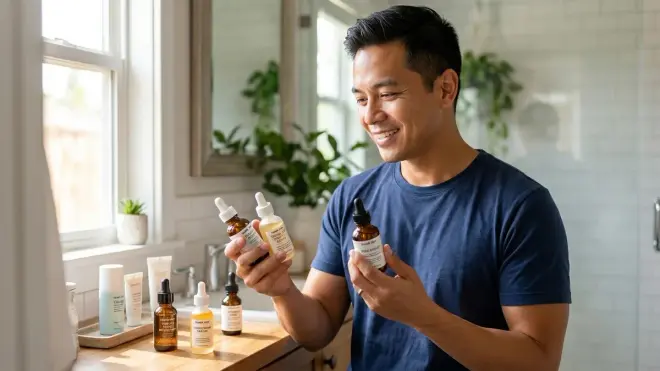
Layering multiple serums makes sense when each addresses distinct mechanisms without redundancy or incompatibility. Pairing the hyaluronic acid serum (humectant hydration) with the antioxidant facial oil (lipid nourishment) creates complementary benefits—water-based hydration followed by oil-based sealing. However, stacking multiple antioxidant serums (green tea + vitamin E) creates redundancy without additive benefit. Order matters: apply thinnest/most water-based formulations first, progressing toward thickest/most occlusive. Water-based serums cannot penetrate through oil barriers. Wait 30-60 seconds between layers for absorption. Be cautious mixing active ingredients without understanding interactions—niacinamide and vitamin C at low pH can trigger flushing in sensitive individuals; retinol and acids increase irritation risk when combined initially. If you're assembling a multi-product approach, the framework for best budget skin barrier serums provides useful layering principles that apply to Trader Joe's formulations as well.
What's the biggest difference between Trader Joe's serums and luxury brands?
The gulf manifests primarily in formulation sophistication rather than active presence or absence. Luxury serums invest heavily in delivery systems—liposomal encapsulation, time-release technology, penetration enhancers—that shuttle ingredients deeper into dermis and sustain release over hours. Trader Joe's formulations rely on passive diffusion and simpler vehicles. Texture refinement separates budget from prestige—luxury serums undergo extensive sensory testing to achieve that elusive combination of lightweight feel and visible results. Trader Joe's textures work adequately but lack polish. Stability testing represents another divide: prestige brands guarantee shelf life under various conditions through accelerated aging studies; budget brands often lack this rigor, resulting in faster degradation post-opening. Concentration ceilings exist in budget formulations for cost containment—you'll rarely find 10% niacinamide or 20% vitamin C at Trader Joe's. Clinical backing matters too; luxury brands often publish or sponsor peer-reviewed studies demonstrating efficacy, while budget brands rely on ingredient reputation rather than formulation testing. These differences create real performance gaps, but whether those gaps justify 10-30x price premiums depends on individual priorities, skin resilience, and financial resources.
The Verdict
The best Trader Joe's face products occupy an honest middle ground—functional chemistry without luxurious refinement, adequate concentrations without optimization, preservation without elegance.
You won't achieve prescription-level transformation here. These serums hydrate competently, provide antioxidant protection reasonably, and nourish adequately. They represent intelligent choices for maintenance routines, sensitive skin unable to tolerate high-strength actives, or budgets genuinely constrained by competing priorities. The hyaluronic moisture serum and oil-free antioxidant gel deserve permanent rotation for their specific functions at impossible-to-argue pricing.
But if your skin demands intervention rather than maintenance—if you're addressing hyperpigmentation, advanced photoaging, or persistent inflammation—allocate resources toward targeted treatments with clinical backing. Think of Trader Joe's serums as the ensemble cast supporting your hero products, not the leads themselves. Pair them strategically: budget basics for everyday consistency, luxury actives for specific concerns requiring precision.
The fluorescent aisles contain genuine value if you shop with informed skepticism rather than wishful hope.