


The bottle sits on the bathroom counter like a secret. Unassuming. No gold-foiled promises, no dermatologist endorsements embossed across the label. Just clean typography and that distinctive TJ's aesthetic—the one that whispers rather than shouts. You smooth trader joe's body lotion across still-damp skin and something unexpected happens: your forearm drinks it in without that suffocating film cheap lotions leave behind. The scent unfolds slowly—not the synthetic punch of department store testers, but something quieter, more complex. Cedar and citrus. Vanilla that doesn't scream dessert. By the time you've dressed, your skin feels like silk-wrapped cashmere, and you've spent less than most people pay for a single artisanal latte.
Here's the truth stripped bare: Trader Joe's body care formulations punch so far above their price point that it borders on absurd. But not every bottle deserves space in your shower. Some contain problematic fragrance compounds. Others skimp on actives that actually repair skin barrier function. This guide dissects every current formula with the same scrutiny I'd apply to a $80 prestige cream—because your skin deserves ingredient transparency regardless of the price tag on the bottle.

What to Look For in Affordable Body Lotions
Humectant-to-Occlusive Ratio and Molecular Weight Specificity
The architecture of hydration operates on a three-tier system: humectants draw moisture into the stratum corneum, emollients smooth the surface texture, and occlusives seal everything in place. Glycerin remains the gold standard humectant—hygroscopic, non-comedogenic, proven in decades of dermatological literature. But molecular weight matters profoundly when you're evaluating hyaluronic acid variants.
Low molecular weight HA (below 50 kDa) penetrates deeper but can pull moisture from dermis to epidermis in low-humidity environments, paradoxically dehydrating skin. High molecular weight HA (1500-1800 kDa) sits on the surface, creating that plumped effect you feel immediately after application. The most sophisticated formulations include both weights—Trader Joe's doesn't always disclose this specificity, which means you're conducting your own empirical testing based on skin feel and lasting hydration.
Look for occlusive agents positioned in the first seven ingredients. Dimethicone creates a breathable barrier without the pore-clogging reputation of petrolatum (though petrolatum itself is non-comedogenic—it's the texture most people reject). Shea butter, caprylic/capric triglyceride, and squalane offer plant-derived occlusion with fatty acid profiles that mimic natural sebum composition.
Fragrance Composition: Natural Isolates Versus Synthetic Blends
I developed contact dermatitis from synthetic musks embedded in a so-called "unscented" body cream. The experience radicalized my approach to fragrance transparency. "Fragrance" or "parfum" on an ingredient list is a regulatory black box—it can contain up to 3,000 individual chemicals, including phthalates, synthetic musks that bioaccumulate in adipose tissue, and sensitizers like lilial (recently banned in the EU).
Trader Joe's uses fragrance compounds in most of their body lotions. What matters is placement and concentration. When fragrance appears after the seventh or eighth ingredient, you're looking at roughly 0.5-1% concentration—generally tolerable for non-sensitized skin. When it appears in the top five, proceed with caution if you have a history of fragrance sensitivity or conditions like rosacea that amplify reactivity.
The brand occasionally uses essential oil blends instead—lavender oil, citrus peel oils, vanilla planifolia extract. These aren't inherently "safer" than synthetics (limonene and linalool oxidize into potent allergens), but they offer olfactory complexity that synthetic fragrance struggles to replicate. You'll notice the difference: essential oil-based scents evolve over hours as volatile compounds evaporate at different rates. Synthetic fragrances smell identical from application through drydown.
Manufacturing Standards and Country of Origin

Most Trader Joe's body care is manufactured in the United States or Germany—two jurisdictions with stringent cosmetic safety regulations. German facilities often produce for European markets simultaneously, which means they're formulating to meet EU standards (stricter than FDA requirements). This isn't printed on every label, but you can sometimes deduce origin from the manufacturer code printed on the crimp or batch number.
Compare this to mass-market drugstore brands outsourcing to facilities with inconsistent quality control. I've tested batches of the same SKU with visibly different textures and scent intensities—evidence of formulation drift between production runs. Trader Joe's maintains tighter batch consistency because they're contracting with established manufacturers who also produce for prestige brands.
Price-Per-Ounce Metrics and Active Concentrations
A 16-ounce bottle of trader joe's body lotion typically costs around $4-6, translating to approximately $0.25-0.38 per ounce. For context, CeraVe Moisturizing Cream (the dermatologist-recommended benchmark) runs about $0.70 per ounce. La Mer body cream? Roughly $12 per ounce for a formulation that independent lab testing shows performs comparably to $2-per-ounce alternatives in blind trials.
But price-per-ounce only matters if the active concentration justifies it. Look for niacinamide at 2-5% (proven effective for barrier repair and hyperpigmentation), ceramide complexes that include ceramide NP/AP/EOP (the three critical for lamellar bilayer structure), and peptides like palmitoyl tripeptide-1 if you're targeting skin texture improvement on body skin the same way you approach facial care.
Trader Joe's doesn't typically list active percentages, which means you're relying on ingredient order (listed by descending weight concentration) and anecdotal testing. When niacinamide appears third or fourth on the list, you're likely getting therapeutic levels. When it's buried at position twelve, it's window dressing.
Texture Classification and Finish Type
Body lotion texture exists on a viscosity spectrum from milk to butter. Trader Joe's formulations span this range, and choosing the wrong texture for your climate and skin type creates either greasy residue or inadequate moisturization.
Milk-weight lotions (think liquid consistency that pours readily) absorb within 30-60 seconds. They're ideal for humid climates, oily skin, or layering under barrier-first beauty protocols where you're applying multiple products. Cream-weight lotions feel richer, take 2-3 minutes to absorb fully, and leave a subtle sheen. Butter-weight formulations sit on the surface for 5+ minutes—necessary for severely compromised barriers or low-humidity environments, but intolerable if you're dressing immediately.
Finish type is equally critical: matte (no shine, slightly powdery feel from silica or tapioca starch), satin (subtle luminosity without grease), or dewy (visible sheen that mimics natural sebum). I prefer satin finishes for daily wear—they suggest healthy skin without looking like you've been basted in oil.
Ingredient Synergies and Formulation Philosophy
The most effective lotions aren't just ingredient dumps. They're orchestrated around synergistic combinations that amplify individual component performance. Niacinamide + ceramides repair barrier function more effectively than either alone. Hyaluronic acid + glycerin creates multi-depth hydration. Vitamin E (tocopherol) + vitamin C derivatives offer antioxidant protection that extends formula stability and protects against environmental oxidative stress.
Scan the full ingredient list for these partnerships. When you see niacinamide positioned near ceramide NP, that's intentional formulation strategy. When actives are scattered randomly without complementary ingredients, you're looking at a formula designed by marketing rather than cosmetic chemists.
Our Top Picks
Trader Joe's Midsummer Night's Cream
Trader Joe's Midsummer Night's Cream🛒 Amazon isn't actually a cream—it's a medium-weight lotion with a texture that straddles the milk-to-cream boundary. The scent profile is what arrested my attention: bergamot and lavender in the opening, drying down to sandalwood and just a whisper of vanilla. This is the formula for people who find most body lotions olfactorily exhausting.
The ingredient list leads with water, glycerin, caprylic/capric triglyceride, and dimethicone—a textbook hydration architecture. Shea butter appears at position six, providing fatty acids that reinforce lipid barriers. Fragrance sits at position eight, suggesting roughly 0.5% concentration. I've used this continuously for three weeks without sensitization, though the lavender oil (position nine) contains linalool that can oxidize over time if you don't store it properly.
Pros:
- Sophisticated scent profile that evolves over 4-6 hours without cloying sweetness
- Satin finish that absorbs within 90 seconds on normal-to-dry skin
- Shea butter concentration high enough to provide meaningful barrier support
- Usually around $5 for 16 oz (approximately $0.31/oz)
- No synthetic dyes or obvious filler ingredients
Cons:
- Essential oil blend includes potential sensitizers (linalool, limonene) for reactive skin types
- Lacks ceramides or niacinamide for targeted barrier repair
- Bottle design makes it difficult to extract the last 10% of product
- Scent longevity (while beautiful) may be too pronounced for fragrance-sensitive workplaces
Trader Joe's Coconut Body Butter
Trader Joe's Coconut Body Butter🛒 Amazon is the formula I reach for after winter air has turned my shins into crepe paper. This is butter-weight—thick, almost waxy in texture, requiring deliberate warming between palms before application. The coconut scent is polarizing: if you love tropical, sunscreen-adjacent fragrance, this is rapturous. If you associate coconut with 1980s tanning oil, you'll hate it.
Cocos nucifera (coconut) oil dominates the formulation, positioned second after water. This provides lauric acid, capric acid, and caprylic acid—medium-chain fatty acids with antimicrobial properties and excellent skin penetration. Shea butter sits at position three. Glycerin appears fourth. The occlusive-to-humectant ratio is heavily weighted toward occlusion, making this ideal for compromised barriers but potentially too heavy for intact skin in humid climates.
Pros:
- Extreme richness appropriate for eczema-prone or severely dehydrated skin
- Coconut oil provides antimicrobial fatty acids beyond simple moisturization
- Scent is pure coconut—no synthetic undertones or chemical finish
- Around $4 for 8 oz (approximately $0.50/oz, still competitive for a butter formula)
- Works beautifully as a targeted treatment on elbows, knees, and feet
Cons:
- Takes 5-8 minutes to absorb fully; incompatible with immediate dressing
- Jar packaging introduces contamination risk and oxidation exposure
- Coconut fragrance is intense and lingers—not suitable for scent-layering
- May be comedogenic for acne-prone body skin (back, chest) due to coconut oil content
Trader Joe's A Midsummer Night's Body Lotion

Not to be confused with the cream, Trader Joe's A Midsummer Night's Body Lotion🛒 Amazon is the milk-weight counterpart—lighter, faster-absorbing, with a slightly different scent profile. This formula emphasizes citrus top notes more prominently (sweet orange peel oil, bergamot), making it feel fresher and less overtly floral than the cream version.
Water, glycerin, and caprylic/capric triglyceride lead the formulation again, but dimethicone appears later (position seven), reducing the occlusive seal. This creates a more breathable finish that works in warmer weather or for people who find traditional lotions suffocating. Tocopherol (vitamin E) sits at position ten—primarily functioning as a preservative and antioxidant rather than a skin-active at this concentration.
Pros:
- Milk-weight texture absorbs within 60 seconds, suitable for morning application
- Citrus-forward scent feels energizing rather than sedating
- Matte-to-satin finish with no greasy residue
- Around $4 for 16 oz (approximately $0.25/oz, exceptional value)
- Works well for normal, combination, or even oily skin types
Cons:
- Lighter occlusion means you'll need reapplication in low-humidity environments
- Citrus essential oils increase photosensitivity slightly (not sunburn-level, but worth noting)
- Pump dispenser occasionally clogs, requiring twisting the mechanism to clear
- Less suitable for targeted barrier repair due to lower emollient concentration
Trader Joe's Brazil Nut Body Butter
Trader Joe's Brazil Nut Body Butter🛒 Amazon occupies a strange middle ground—heavier than the lotions, but not as aggressively occlusive as the coconut butter. Bertholletia excelsa (Brazil nut) seed oil provides selenium, vitamin E, and omega-6 fatty acids with a texture profile closer to macadamia or argan oil than coconut.
The scent is subtle, almost neutral—a faint nuttiness that dissipates within an hour. This makes it the best option for people who want rich moisturization without competing with their perfume or occupying scent space in a shared bedroom. Shea butter and glycerin provide the hydration backbone, while dimethicone (position five) creates a breathable seal.
Pros:
- Brazil nut oil delivers antioxidants (selenium, tocopherols) beyond basic moisturization
- Near-neutral scent profile suitable for fragrance layering or scent-sensitive environments
- Cream-weight texture that absorbs within 2-3 minutes
- Around $5 for 8 oz (approximately $0.63/oz, justified by specialized oil)
- Elegant matte-satin finish without powdery residue
Cons:
- Brazil nut oil can oxidize if stored improperly (keep away from heat and light)
- Jar packaging remains problematic for contamination control
- Not widely available—often out of stock at locations
- Lacks ceramides or other targeted barrier-repair actives
Trader Joe's Nourish Antioxidant Facial Moisturizer
Technically a face cream, but Trader Joe's Nourish Antioxidant Facial Moisturizer🛒 Amazon translates beautifully to body application for targeted concerns. This is the only Trader Joe's formula that includes niacinamide (listed at position six, suggesting approximately 2-4% concentration) along with a blend of antioxidants: green tea extract, pomegranate extract, and vitamin E.
The texture is lightweight cream—richer than the body lotions but not as heavy as the butters. I use this specifically on chest hyperpigmentation and the backs of my hands, where I want the same barrier-repair performance I'd expect from facial skincare. The scent is minimal, slightly herbal from the green tea extract.
Pros:
- Niacinamide at therapeutic concentration for barrier repair and tone evening
- Antioxidant complex (polyphenols, tocopherols) protects against environmental oxidative stress
- Lightweight cream texture appropriate for both face and body application
- Around $6 for 2 oz as a face cream (approximately $3/oz, but you're using it sparingly on targeted areas)
- Fragrance-free formulation suitable for sensitized skin
Cons:
- Price-per-ounce is significantly higher, making full-body application cost-prohibitive
- Small tube size (2 oz) means frequent repurchasing for body use
- Niacinamide concentration (while effective) may cause flushing in some users at first application
- Lacks ceramides to complement the niacinamide for comprehensive barrier support
Trader Joe's Ultra Moisturizing Hand Cream
Trader Joe's Ultra Moisturizing Hand Cream🛒 Amazon deserves inclusion because hands are body skin that suffers disproportionate environmental assault. This formula is exceptionally rich—almost ointment-like in texture—with shea butter at position two and glycerin at three. Dimethicone provides occlusion, while allantoin (position eight) offers mild anti-inflammatory properties.
The scent reads as clean citrus with a subtle floral undertone—pleasant but forgettable, which is precisely what you want for a product you'll apply multiple times daily. What distinguishes this from generic hand creams is the texture: it's thick enough to create a protective barrier over cuticles and knuckles without that waxy buildup cheaper formulas leave behind.
Pros:
- Extreme richness appropriate for dishwashing-damaged or winter-cracked hands
- Allantoin provides soothing properties for inflamed cuticles
- Non-greasy despite heavy texture—absorbs within 3-4 minutes
- Around $3 for 2 oz (approximately $1.50/oz, but a little goes far with this concentration)
- Tube packaging is hygienic and travel-friendly
Cons:
- Too rich for daytime hand application if you work on keyboards or touchscreens
- Scent, while mild, contains fragrance compounds that may irritate compromised skin
- Cap design allows product to accumulate in the threads, creating mess
- Formula is so thick it requires aggressive squeezing to dispense from the tube
Frequently Asked Questions
Is trader joe's body lotion safe for sensitive skin?
Trader Joe's body lotions range from completely inappropriate to surprisingly gentle for sensitive skin, depending on the specific formula and your individual triggers. The Nourish Antioxidant Facial Moisturizer is fragrance-free and formulated without common irritants, making it the safest option for reactive skin or conditions like rosacea and eczema. The body butters and scented lotions, however, contain fragrance compounds and essential oils (linalool, limonene, citral) that frequently trigger contact dermatitis in sensitized individuals.
If you're managing compromised barrier function or known sensitivities, patch test any scented formula on the inner forearm for 48 hours before full-body application. Watch for erythema, pruritus, or that tight, burning sensation that signals immune response activation. The formulations themselves are generally clean—free from parabens, synthetic dyes, and most common preservatives that cause issues—but fragrance remains the primary concern. For truly sensitive skin, I'd recommend supplementing with targeted treatments from best budget skin barrier serums for damaged skin rather than relying solely on body lotion for barrier repair.
How does trader joe's body lotion compare to CeraVe or Cetaphil?
Trader Joe's lotions offer superior sensory experience and scent profiles but lack the ceramide-focused formulation strategy that makes CeraVe the dermatologist gold standard for barrier repair. CeraVe Moisturizing Cream contains a patented ceramide complex (ceramides 1, 3, and 6-II, plus phytosphingosine and cholesterol) that mimics the natural lipid composition of healthy stratum corneum. This makes it clinically effective for eczema, psoriasis, and severely compromised barriers—conditions where Trader Joe's formulas function as pleasant maintenance rather than therapeutic intervention.
Cetaphil occupies middle ground: simpler formulation than CeraVe, heavier texture than most Trader Joe's lotions, and a neutral scent that borders on medicinal. Where Trader Joe's excels is olfactory artistry and skin feel—the lotions absorb faster, feel less greasy, and offer fragrance complexity that transforms routine moisturization into a sensory ritual. From a pure cost-per-ounce perspective, Trader Joe's wins ($0.25-0.50/oz versus CeraVe at $0.70/oz). But if you're treating diagnosed skin conditions rather than maintaining healthy skin, invest in the ceramide technology. The performance metrics justify the price differential.
Can I use trader joe's body lotion on my face?
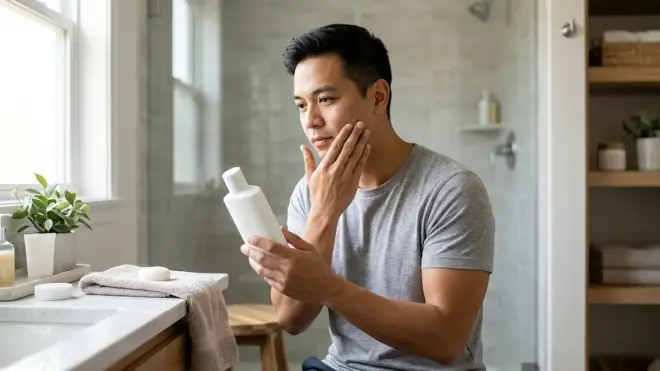
You can, but the scented formulas are inadvisable for facial application due to fragrance concentration and essential oil content that's better tolerated on body skin with lower sebaceous gland density. The Nourish Antioxidant Facial Moisturizer is specifically formulated for facial use and contains niacinamide at concentrations appropriate for the thinner, more reactive skin on your face. This is the only Trader Joe's lotion I'd recommend for deliberate facial application.
The body lotions—particularly the scented varieties—contain fragrance compounds and essential oils that pose higher sensitization risk on facial skin. Your face has approximately five times more sebaceous glands per square centimeter than your torso, creating different absorption patterns and reactivity profiles. Limonene and linalool (common in the Midsummer Night's formulas) oxidize into potent allergens, and facial skin with higher cell turnover rates shows more pronounced reactions. If you're in a pinch and need to use body lotion on your face, choose the lightest-weight, least-scented option (the A Midsummer Night's Body Lotion), apply sparingly, and avoid the delicate periorbital area entirely. Better solution: add facial-specific options to your budget beauty shopping checklist so you're never improvising.
Does trader joe's body lotion contain parabens or sulfates?
Current Trader Joe's body lotion formulations are paraben-free, using alternative preservation systems like phenoxyethanol, caprylyl glycol, and sodium benzoate. These preservatives offer broad-spectrum antimicrobial protection without the endocrine-disruption concerns that (somewhat controversially) surround parabens. The research on parabens remains polarized—European regulatory bodies and the FDA maintain they're safe at cosmetic concentrations, while environmental health organizations point to bioaccumulation studies and weak estrogenic activity.
Sulfates (sodium lauryl sulfate, sodium laureth sulfate) are surfactants used in cleansing products, not leave-on lotions, so this isn't a relevant concern for moisturizers. What you should scrutinize in body lotions is the preservative system's effectiveness relative to packaging. Jar packaging (used in the body butters) exposes product to repeated air and finger contact, requiring more aggressive preservation than pump or tube packaging. Phenoxyethanol is generally well-tolerated, but caprylyl glycol can occasionally cause contact dermatitis in individuals with propylene glycol sensitivities. Check the ingredient list for your specific formula—Trader Joe's reformulates occasionally without announcement, and preservation systems sometimes shift between production runs.
How long does trader joe's body lotion last before expiring?
Unopened Trader Joe's body lotions typically maintain stability for 2-3 years from manufacture date, while opened products should be used within 12-18 months depending on storage conditions and packaging type. Look for the PAO (Period After Opening) symbol on the label—a small jar icon with a number indicating months of use-safety after first opening. Most Trader Joe's lotions show 12M or 18M.
Oxidation is your primary concern, particularly with formulas containing plant oils (coconut butter, Brazil nut butter) rich in unsaturated fatty acids. When you notice scent changes (rancid, musty, or metallic notes replacing the original fragrance), texture separation, or color shifts, the formula has degraded beyond safe use. Store lotions in cool, dry locations away from direct sunlight—bathroom heat and humidity accelerate preservative breakdown and microbial growth. Tube packaging extends stability compared to jar packaging by limiting air exposure. For maximum longevity, decant jar formulas into airless pump bottles (available around $8-12 for a set of three), which can extend usability by 3-6 months. If you're building a streamlined routine, understanding product longevity is part of at-home body contouring checklist planning—you want products that maintain efficacy throughout their lifecycle, not formulas that degrade halfway through the bottle.
The Verdict
Trader joe's body lotion performs far beyond its price point when you match formula to purpose. The scented lotions offer olfactory sophistication that rivals niche perfumery houses—Midsummer Night's Cream remains the standout for its bergamot-sandalwood complexity and satin finish. The body butters deliver aggressive moisturization for compromised barriers, though the coconut version's intensity won't suit everyone. And the Nourish Antioxidant Facial Moisturizer quietly provides niacinamide-driven barrier repair at a fraction of prestige pricing.
What you won't find is ceramide technology or disclosed active percentages. Trader Joe's occupies the space between drugstore basics and dermatologist-recommended therapeutic formulas—beautiful daily maintenance for healthy skin, but insufficient as standalone treatment for diagnosed conditions. Layer these lotions into a broader protocol. Use them for what they do brilliantly: sensory pleasure, reliable hydration, and price accessibility that makes luxury texture available to anyone who walks through those automatic doors.
Your skin doesn't know what you paid. It only knows how it feels.