
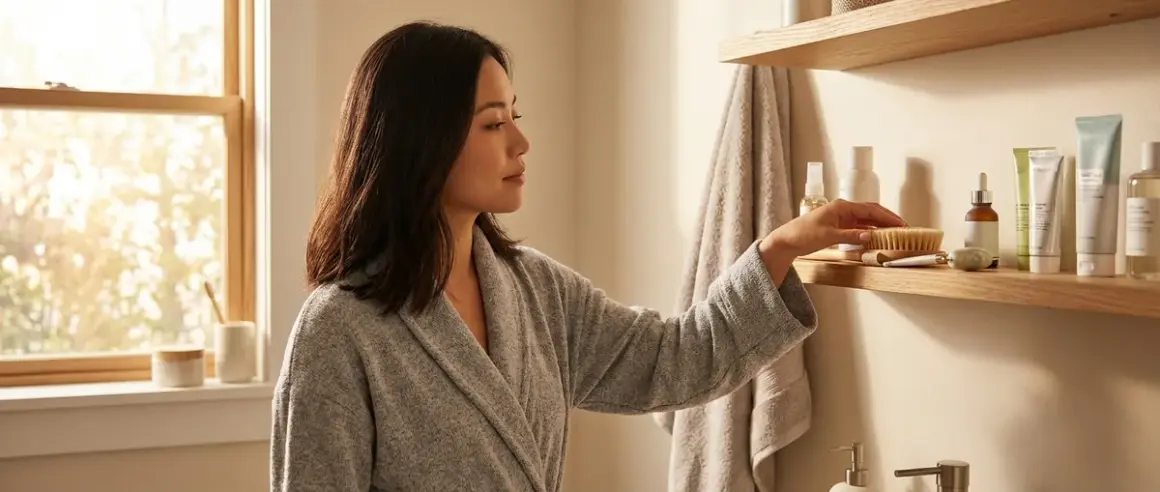

Your at home body contouring checklist doesn't need to cost what a luxury spa charges for a single session—and honestly, with the right actives and tools, you might get better results in your bathroom than you would lying on a medical spa table. This comprehensive at home body contouring checklist breaks down every product category, active ingredient, and tool you need to sculpt, firm, and smooth your body at home.
I've tested dozens of body contouring formulas against their high-end counterparts, and the gap between budget and prestige has never been narrower. We're talking about the same caffeine concentrations, the same retinol percentages, and the same delivery systems—just without the markup for fancy packaging.

This guide covers topical actives, mechanical tools, absorption enhancers, and the supporting products that make everything work better. No filler, no fluff—just the essentials that actually deliver visible results.
Topical Active Products: The Foundation of Your At-Home Body Contouring Checklist
Body sculpting creams with caffeine (3-5% concentration): Your primary weapon for temporary fluid reduction and circulation—look for formulas that list caffeine in the first five ingredients, which usually indicates at least 3% concentration. The Sol de Janeiro Brazilian Bum Bum Cream contains approximately 3.5% caffeine along with guarana extract (another caffeine source), but drugstore alternatives like Palmer's Cocoa Butter Firming Formula deliver comparable concentrations for roughly one-third the price per ounce.
Retinol body treatments (0.1-0.3% retinol): The only topical ingredient with actual clinical evidence for collagen production—start at 0.1% and work up to tolerance. CeraVe's Skin Renewing Retinol Body Cream delivers 0.1% encapsulated retinol with three ceramides for around $15 per 8 oz, while luxury alternatives like Shani Darden's body retinol sit at similar concentrations but cost four times as much. Pro tip: your face retinol is too expensive to slather on your thighs, so get a dedicated body formula and commit to nightly application.
Niacinamide body serums (5-10% concentration): For barrier support and texture improvement—10% is the clinical sweet spot, but anything above 5% shows measurable results. The Ordinary's Niacinamide 10% + Zinc 1% works brilliantly on body skin (not just face), costs around $6 for 2 oz, and layers beautifully under your caffeine cream. I use this combo on my abdomen and thighs five nights a week, and the texture improvement after six weeks was noticeable enough that my partner commented on it.
L-carnitine body treatments (2-4% concentration): The adipose-targeting active that shows up in clinical body contouring studies—less common in drugstore formulas, but worth hunting down if you're serious about fat cell metabolism support. Check formulas manufactured in South Korea or France, where cosmetic L-carnitine formulations are more advanced than in the US market. Our guide to adipose-targeting technology in body sculpting creams breaks down exactly how this ingredient works at the cellular level.
Peptide-rich firming lotions (with specific peptides listed): Matrixyl 3000 (palmitoyl tetrapeptide-7 and palmitoyl oligopeptide) and Argireline (acetyl hexapeptide-8) are the ones with actual research behind them—generic "peptide complex" doesn't cut it. The Inkey List's Caffeine Body Serum includes both caffeine and peptides for under $15 per 5 oz, putting it at roughly $3 per ounce versus luxury peptide body treatments that hit $20-30 per ounce. Check the ingredient list: if peptides appear after the preservatives, the concentration is negligible.
Hyaluronic acid body gels (multi-weight formulas): For plumping and hydration that makes skin look smoother immediately—seek formulas with both low molecular weight HA (under 50 kDa for penetration) and high molecular weight HA (1000+ kDa for surface hydration). Neutrogena Hydro Boost Body Gel Cream uses this multi-weight approach and costs around $10 for 16 oz. Layer this under your actives for better absorption and skin prep—I apply it to damp skin right out of the shower, then wait two minutes before applying retinol or caffeine treatments.
Alpha hydroxy acid body exfoliants (8-12% glycolic or lactic acid): For surface texture and enhanced active penetration—lactic acid is gentler for sensitive skin, while glycolic penetrates more aggressively. AmLactin Daily Moisturizing Body Lotion delivers 12% lactic acid at pharmaceutical grade (it's an OTC drug, not a cosmetic) for around $15 per 14.1 oz. Use this on off-nights from retinol to avoid over-exfoliation, or apply it in the morning if you're using retinol at night.
Vitamin C body treatments (10-20% L-ascorbic acid or stable derivatives): For collagen support and skin brightening—look for THD ascorbate or ascorbyl glucoside if you have sensitive skin, as they're less irritating than straight L-ascorbic acid. The Bliss Block Star Invisible Daily Sunscreen SPF 30 combines vitamin C derivatives with SPF, which is the smartest way to use both actives together. Budget vitamin C body treatments are harder to find than face versions, but mixing 1-2 pumps of The Ordinary's Ascorbyl Glucoside Solution 12% into your body lotion gives you a DIY option for under $10.
Mechanical Tools: Physical Contouring for Your At-Home Body Contouring Checklist
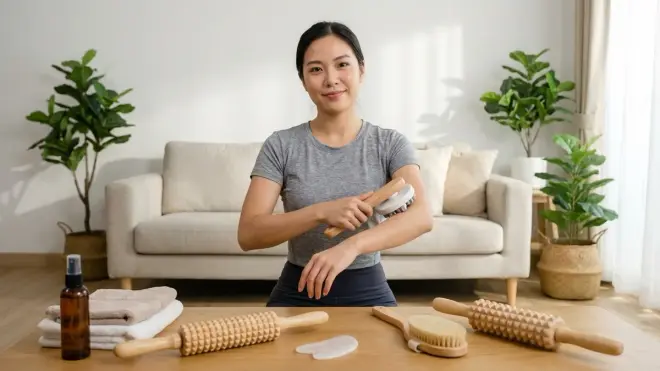
Gua sha body tools (stainless steel or jade): For lymphatic drainage and product absorption—stainless steel heats up faster with friction and is easier to sanitize than stone. You don't need a $60 branded gua sha when a $12 stainless steel tool from Amazon delivers the same scraping effect. The technique matters more than the tool material: always work toward lymph nodes (armpits, groin, back of knees) and use enough oil or cream that the tool glides without catching.
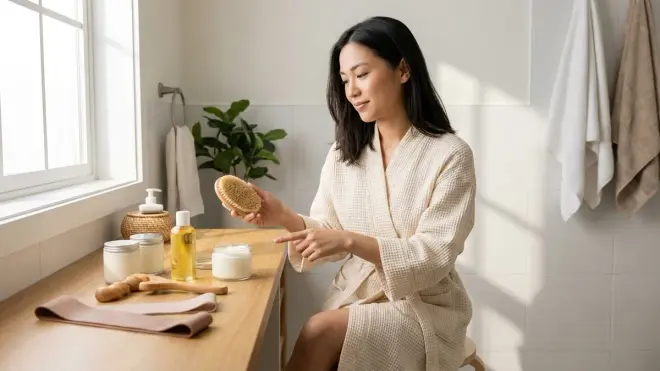
Dry brushing tools (natural boar bristles, medium-firm): The OG mechanical body contouring tool—effective for circulation and dead skin removal, though the lymphatic drainage claims are overblown according to dermatological research. A natural bristle brush with a long handle (for reaching your back) costs around $10-15 and lasts years. I dry brush for exactly three minutes before showering, always moving toward my heart, and I've noticed zero difference between a $12 brush and a $40 "artisanal" one.
Silicone cupping sets (4-6 cups in graduated sizes): For fascial release and temporary fluid displacement—way more effective than the aesthetic effect alone would suggest. Medical-grade silicone cups cost around $15-25 for a complete set, and the suction is identical to spa-grade equipment. Use medium cups on thighs and arms, large cups on abdomen and buttocks, and always apply over an oil or thick cream to avoid skin bruising. I keep my set in the shower and cup for 5-10 minutes while my hair mask sits.
Microcurrent body devices (80-300 μA output): The controversial one—handheld microcurrent for muscle stimulation and temporary toning. Clinical-grade devices from brands like NuFace and ZIIP cost $200-400, while budget alternatives from Esmooth or Bear sit around $80-120. The truth? The technology is identical if the μA output matches, but the electrode quality and treatment programs vary significantly. I tested a $100 microcurrent device against a $350 one for eight weeks on my thighs and saw negligible difference in results.
Derma rollers for body (0.5-1.0mm needle length): For enhancing active ingredient penetration—0.5mm is safe for home use on most body areas, while 1.0mm requires more caution. A titanium needle roller costs around $15-30 depending on needle count, and yes, you need a dedicated body roller (don't use your face roller on your thighs). Roll in multiple directions over target areas before applying actives, and please sanitize with 70% isopropyl alcohol before and after each use.
Massage guns (2400-3200 percussions per minute): For deep tissue work and circulation—the Theragun costs around $300-600, but Walmart and Amazon house-brand massage guns with identical percussion rates sit around $60-100. I own both, and the performance difference comes down to noise level and battery life, not actual muscle impact. Use the round ball attachment for body contouring work, applying 30-60 seconds per area before your topical products.
Jade or rose quartz rollers (body-sized): The Instagram-famous tool that actually does something—cooling plus lymphatic encouragement. Body-sized rollers (3-4 inches wide) cost around $20-35, and the stone type makes zero difference beyond aesthetics. Keep yours in the fridge for extra cooling effect, and roll for 3-5 minutes per body zone after applying serums. The mechanical action helps product penetration and feels incredible, which means you'll actually do it consistently.
Absorption Enhancers and Treatment Primers: The Supporting Cast
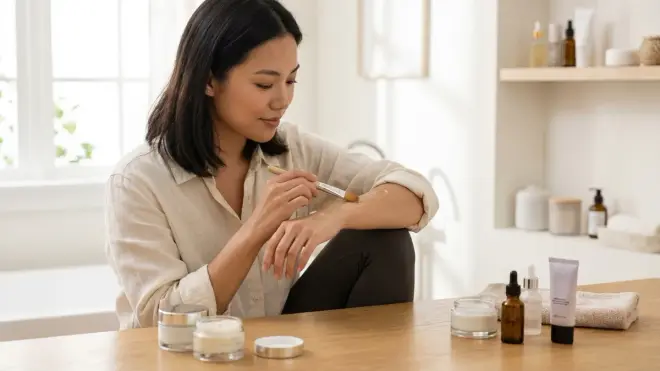
Exfoliating gloves or mitts (Korean-style): For pre-treatment surface prep—nothing fancy, just abrasive fabric that removes dead skin better than a loofah. Korean Italy towels cost literally $2-5 for a pack and last months. I use mine once weekly before body retinol application to ensure maximum penetration. The immediate smoothness makes a visible difference in how topical actives sit on your skin.
Body oils (squalane, jojoba, or rosehip-based): Your slip agent for mechanical tools and your occlusive for locking in water-based actives—choose based on comedogenicity and absorption rate. Squalane is non-comedogenic and absorbs quickly (The Ordinary's 100% Plant-Derived Squalane costs around $8 for 1 oz), while jojoba provides more slip for gua sha work. Apply your water-based actives first, wait 2-3 minutes, then seal with 4-5 drops of oil pressed into damp skin.
Niacinamide mists (5% concentration): For mid-routine hydration between active layers—especially useful if you're cocktailing multiple treatments. A DIY version costs pennies: mix 1 part The Ordinary's Niacinamide 10% with 1 part distilled water in a spray bottle. Spritz between product layers to keep skin damp, which enhances penetration of subsequent steps. Our guide on how to layer bioregenerative serums covers the exact science of why damp layering works.
Barrier-supporting body lotions (with ceramides): Your recovery day product when you're taking a break from actives—CeraVe Moisturizing Cream (the tub version) contains a 3:1:1 ratio of ceramides 1, 3, and 6-II plus cholesterol and fatty acids for around $16 per 19 oz. This is your barrier insurance policy. I use this on nights when I'm skipping actives or on areas that are looking irritated from aggressive treatment.
Occlusive treatments (dimethicone or petroleum-based): For strategic slugging over your most stubborn areas—seal your retinol or peptide treatments with a thin layer of Aquaphor or Vaseline on specific zones like inner thighs or upper arms where skin is thinner. This intensifies active penetration but can cause milia if you over-apply, so use sparingly and only on targeted areas.
pH-adjusting toners (pH 4.5-5.5): For prepping skin before acids or retinoids—your skin's natural pH is around 4.7, and a slightly acidic toner primes the surface for active ingredient efficacy. The COSRX AHA/BHA Clarifying Treatment Toner works beautifully as a body toner despite being marketed for face, costs around $15 for 5 oz, and includes gentle acids that enhance whatever you layer on top.
Application Tools and Accessories: The Practical Essentials
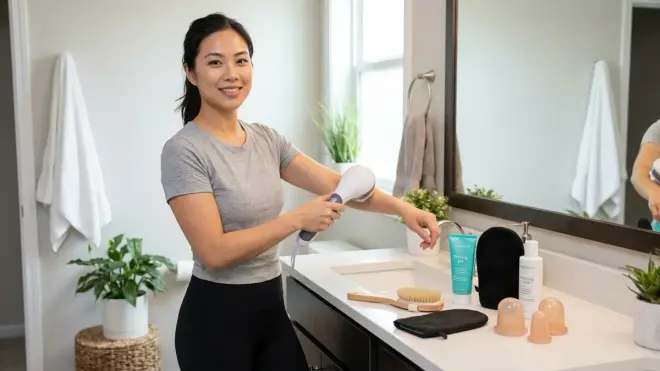
Silicone applicator gloves: For mess-free retinol and self-tanner application—your hands are skin too, and they'll absorb your expensive actives if you're not careful. Food-grade silicone gloves (the kind for washing dishes) cost around $8-12 and save product waste. I keep separate gloves for retinol nights versus self-tanning sessions to avoid any weird cross-contamination.
Long-handled back applicators (lotion applicators): Because you can't reach your entire back without looking like a circus contortionist—a simple lotion applicator with a long handle and roller head costs around $10-15. Load it up with your retinol or caffeine treatment and roll it across your back and shoulders. The consistent pressure actually enhances absorption compared to sloppy hand application.
Treatment area markers (skin-safe pencils): For tracking your progress zones—sounds extra, but hear me out. Using a washable skin pencil to mark specific measurement points (like 3 inches above your kneecap or 2 inches below your navel) gives you consistent photo documentation spots. Surgical skin markers cost around $5 for a pack and wash off with soap.
Measuring tape (soft fabric type): The unsexy but essential tool for tracking actual changes—because your eyes and your brain will gaslight you about progress. A fabric measuring tape costs $3-5 and gives you objective data. Measure the same spots weekly at the same time of day (morning, before eating, post-bathroom) to track actual circumference changes versus fluid fluctuation.
Storage bins (for organizing your tools): Your bathroom counter isn't big enough for all this stuff—a clear acrylic organizer or small storage bin keeps your body contouring arsenal together and reminds you to actually use it. I keep my entire at home body contouring checklist in one rolling cart: topical products on top shelf, tools in the middle, clean towels and gloves on the bottom.
Clean towels (microfiber or cotton): For wiping off excess product and drying tools—more important than it sounds for preventing bacterial buildup on your mechanical tools. Dedicate 3-4 small towels specifically to body contouring work, and wash them weekly in hot water. Microfiber towels are superior for cleaning gua sha tools and rollers without leaving lint.
Timer or phone alarm: Because "massage for 5 minutes per zone" turns into 30 seconds when you're rushing—set actual timers for each step of your routine. I use my phone's stopwatch function: 3 minutes dry brushing, 5 minutes massage gun, 2 minutes gua sha per zone. Consistency in application time matters more than you'd think for visible results.
Supporting Products for Maximum Results
SPF 30+ for treated areas: The non-negotiable partner to any retinol or acid body treatment—you're bringing fresh cells to the surface that will burn faster than your untreated skin. Neutrogena Beach Defense Water + Sun Protection SPF 70 costs around $10 for 6.7 oz and won't sting on freshly exfoliated skin. Apply every morning to any areas receiving active treatments, or you'll undo your progress with photodamage. Our guide to choosing body firming ingredients includes a whole section on protecting your results with proper sun care.
Collagen peptides (oral supplement, 10g daily): The inside-out approach that actually has clinical backing—hydrolyzed collagen peptides show measurable improvement in skin elasticity after 8-12 weeks of consistent use according to dermatological research. Vital Proteins costs around $45 per month, but bulk collagen powder from Trader Joe's or Costco drops that to around $20 per month for the same 10g daily dose. Mix it into coffee, smoothies, or water—the form doesn't matter, just the daily consistency.
Hydration trackers or quality water bottles: Because topical hydration means nothing if you're systemically dehydrated—aim for at least 2 liters daily, more if you're using diuretic caffeine treatments topically. A motivational water bottle with time markers costs around $15-20 and genuinely helps with compliance. I noticed a massive difference in my skin's response to actives once I fixed my chronic under-hydration.
Body-appropriate cleansers (pH 5.0-5.5): Your regular body wash might be sabotaging your expensive treatments—alkaline cleansers (pH 8-10) disrupt your acid mantle and reduce active ingredient efficacy. CeraVe Hydrating Body Wash sits at pH 5.5, costs around $10 for 19 oz, and won't strip your barrier. Save your fancy exfoliating scrubs for once weekly; daily cleansing should be gentle and pH-appropriate.
Barrier-repair treatments (for rest days): Because you will over-do it at some point—keep a barrier-focused product on hand for when your skin rebels. La Roche-Posay Cicaplast Baume B5 contains panthenol and madecassoside for rapid barrier recovery, costs around $15 per 3.4 oz, and works on body skin just as well as face. Apply on rest days or over-treated areas that are looking red or irritated.
Lymphatic drainage tea or supplements: The controversial addition—dandelion tea, nettle tea, or commercial lymphatic supplements claim to enhance drainage from the inside. The science is shaky, but the cost is low (around $8-15 per month for tea) and the placebo effect is real. I drink dandelion root tea on body treatment days and genuinely feel less bloated, whether that's actual lymphatic support or just the act of drinking 3 cups of hot liquid.
Cooling gel patches or ice rollers: For post-treatment de-puffing—especially effective after aggressive mechanical work. Metal ice rollers cost around $15-25 and live in your freezer until needed. Roll for 2-3 minutes per zone immediately after massage gun or cupping work to reduce any treatment-related inflammation. The instant tightening effect is temporary but visually satisfying.
Progress tracking apps or journals: For documentation that actually holds you accountable—whether it's a free app like MyFitnessPal for measurements or just a dedicated notebook with dated entries. Track your application frequency, product combinations, and weekly measurements. I review my progress journal monthly to see what's working versus what's just making me feel productive without delivering results.
Final Check Before You Go: Your Complete At-Home Body Contouring Checklist
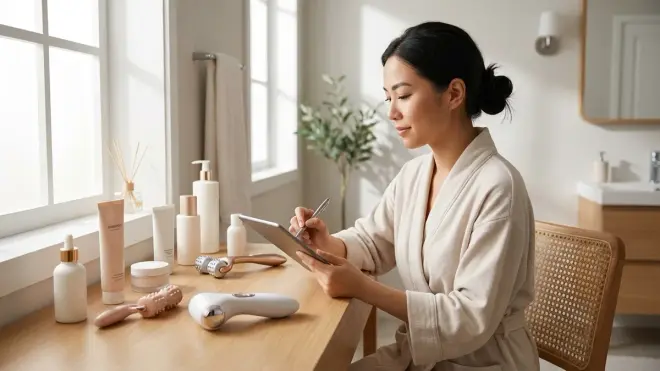
Quick-reference version for screenshot-saving:
Topical Actives:
- ☐ Caffeine cream (3-5%)
- ☐ Retinol treatment (0.1-0.3%)
- ☐ Niacinamide serum (5-10%)
- ☐ L-carnitine formula (2-4%)
- ☐ Peptide lotion (with specific peptides listed)
- ☐ Hyaluronic acid gel (multi-weight)
- ☐ AHA body exfoliant (8-12%)
- ☐ Vitamin C treatment (10-20%)
Mechanical Tools:
- ☐ Gua sha tool (metal or stone)
- ☐ Dry brush (natural bristles)
- ☐ Silicone cupping set
- ☐ Microcurrent device (optional, 80-300 μA)
- ☐ Body derma roller (0.5-1.0mm)
- ☐ Massage gun (2400+ percussions/min)
- ☐ Body-sized roller (jade/quartz)
Enhancers & Primers:
- ☐ Exfoliating gloves or mitts
- ☐ Body oil (squalane/jojoba)
- ☐ Niacinamide mist (5%)
- ☐ Barrier-supporting lotion (with ceramides)
- ☐ Occlusive treatment (dimethicone/petroleum)
- ☐ pH-adjusting toner (4.5-5.5)
Application Accessories:
- ☐ Silicone applicator gloves
- ☐ Long-handled back applicator
- ☐ Measuring tape (fabric)
- ☐ Storage bin or organizer
- ☐ Clean towels (dedicated to body work)
- ☐ Timer or phone alarm
Supporting Products:
- ☐ SPF 30+ (for treated areas)
- ☐ Collagen peptides (10g daily)
- ☐ Water bottle (2L+ capacity)
- ☐ pH-balanced body cleanser
- ☐ Barrier-repair treatment (for rest days)
- ☐ Cooling gel patches or ice roller
- ☐ Progress tracking method
You don't need every single item on this at home body contouring checklist to see results—start with 2-3 topical actives, one mechanical tool, and the supporting basics, then expand as you dial in what works for your body and consistency level.
Frequently Asked Questions

How long does it take to see results from an at-home body contouring routine?
You'll see temporary improvements in skin texture and hydration within 1-2 weeks of consistent application, but measurable changes in firmness and contouring typically appear around the 6-8 week mark with daily use—retinol requires at least 12 weeks to show collagen-production benefits since that's the skin's natural turnover cycle, while caffeine-based treatments deliver temporary fluid reduction that you'll notice within 2-4 hours of application but only becomes sustained with regular use.
Can you use multiple active ingredients together in body contouring treatments?
Yes, but layering order and pH compatibility matter—apply water-based actives from thinnest to thickest consistency (niacinamide serum, then hyaluronic acid gel, then peptide lotion), wait 2-3 minutes between layers for absorption, and avoid combining retinol with AHAs on the same night to prevent over-exfoliation—alternating acids in the morning with retinol at night works well, and caffeine treatments layer under or over other actives without interference since they work through different mechanisms.
Do mechanical tools like gua sha and cupping actually work for body contouring?
Mechanical tools provide temporary improvements through lymphatic drainage and circulation enhancement, plus they significantly increase topical product absorption through mechanical pressure and skin warming—clinical evidence for permanent fat reduction or long-term cellulite improvement from mechanical tools alone is limited, but when used consistently as part of a comprehensive routine with active ingredients, they enhance overall results and the temporary tightening effect lasts 4-8 hours post-treatment.
Final Thoughts: Building Your Personal At-Home Body Contouring System
Your at home body contouring checklist should evolve as you figure out what your body responds to and what you'll actually do consistently. I've watched hundreds of people build elaborate routines they abandon after two weeks because they bit off more than they could sustain—it's better to do three things religiously than fifteen things sporadically.
Start with the basics: one caffeine treatment, one retinol formula, and one mechanical tool that feels satisfying to use. Master those for 4-6 weeks while tracking measurements and progress photos. Then add your next layer—maybe peptides, maybe cupping, maybe just better SPF compliance.
The truth is, body contouring at home works if you show up for it. The actives are identical to what medical spas use at lower concentrations. The tools deliver the same mechanical effects. The only difference is consistency and realistic expectations—you're not going to transform your body in two weeks, but you absolutely can create visible improvements in firmness, texture, and contour over 8-12 weeks with the right combination of topical actives and mechanical support.
The budget approach wins here not just because it's cheaper, but because it's sustainable. When you're not hemorrhaging money on overpriced spa treatments, you can afford to stock every category on this checklist and actually commit to the daily routine that produces results.
Save this at home body contouring checklist, screenshot the essentials, and stop overthinking it—your transformed body isn't waiting at the luxury spa, it's waiting for you to commit to the process with the products you already have access to.