


The cream warms between your palms. A faint menthol whisper rises as you smooth it across your thigh—cooling, then heating, then something else entirely. A tingling that feels intentional. Adipose-targeting technology in body creams represents the cosmetic industry's attempt to address subcutaneous fat deposits topically, using penetration enhancers and lipolytic actives that claim to influence adipocyte metabolism without invasive procedures. The science walks a fine line between cosmetic claims and pharmaceutical promises, but the formulations themselves reveal fascinating intersections of dermatological research, delivery system innovation, and consumer desire for visible contouring results.
What Is Adipose-Targeting Technology?
Adipose-targeting technology refers to formulation strategies designed to deliver active ingredients through the dermis into subcutaneous fat tissue—the adipose layer—where they theoretically trigger lipolysis, reduce lipid storage, or inhibit adipogenesis. Unlike simple firming creams that address skin texture through collagen stimulation, these formulations attempt to influence the fat cells themselves.

The approach combines three core elements: lipolytic actives (compounds that promote fat breakdown), penetration enhancers (delivery systems that breach the stratum corneum barrier), and vasodilators (ingredients that increase microcirculation to facilitate metabolite removal). Most formulations include caffeine at concentrations between 3-5%, retinol derivatives around 0.5-1%, and botanical extracts standardized for methylxanthines or phosphodiesterase inhibitors.
The terminology matters here. The FDA classifies these as cosmetics, not drugs, which means manufacturers cannot legally claim they alter body structure or function. You'll see language like "appearance of cellulite" or "skin smoothness" rather than "fat reduction." This regulatory distinction shapes both the formulation concentrations and the marketing language, but it doesn't necessarily reflect what the actives are biochemically capable of doing at sufficient dosages.
The most researched adipose-targeting mechanisms include caffeine-induced lipolysis (via cAMP elevation and hormone-sensitive lipase activation), retinoid-mediated adipocyte differentiation inhibition, and botanical extracts like forskolin or coenzyme A derivatives that influence fat metabolism pathways. Whether these mechanisms translate to measurable body composition changes remains contentious, but localized improvements in skin quality and texture are well-documented.
How It Works
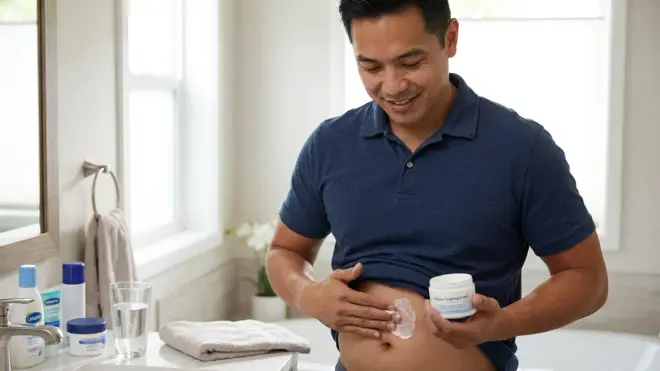
The challenge begins at the surface. Your stratum corneum evolved specifically to keep things out—a lipid-rich barrier that repels water-soluble compounds and limits penetration of molecules exceeding 500 Daltons. Adipose-targeting technology body creams must first solve this permeability problem before any active can reach subcutaneous adipocytes approximately 1-3mm beneath the skin surface.
Penetration enhancement typically employs three strategies. Chemical enhancers like dimethyl isosorbide, propylene glycol, or ethanol disrupt the organized lipid structure temporarily, creating transient pathways. Physical methods include massage application protocols that generate heat and temporarily increase membrane fluidity. Advanced formulations use lipophilic delivery vehicles—liposomes, niosomes, or solid lipid nanoparticles—that fuse with skin lipids and create concentration gradients driving deeper penetration.
Once through the barrier, the actives encounter the adipose tissue. Caffeine, present at 3-5% in most effective formulations, inhibits phosphodiesterase enzymes that break down cyclic AMP. Elevated cAMP levels activate protein kinase A, which in turn phosphorylates hormone-sensitive lipase—the enzyme that cleaves triglycerides into free fatty acids and glycerol. This is the biochemical foundation of topical lipolysis. The Clarins Body Fit Anti-Cellulite Contouring Expert uses caffeine paired with quince leaf extract to enhance this pathway, though the proprietary blend doesn't disclose exact percentages.
Retinol and retinaldehyde at concentrations around 0.5-1% appear to inhibit adipocyte differentiation through retinoic acid receptor activation. Research from the Journal of Cosmetic Dermatology demonstrates that retinoids reduce the expression of genes involved in fat storage, particularly PPARγ and C/EBPα transcription factors. The texture improvement you notice immediately comes from increased collagen synthesis, but the adipose effects require consistent application over 12-16 weeks.
Coenzyme A derivatives like carnitine theoretically facilitate fatty acid transport into mitochondria for oxidation. Formulations containing L-carnitine at 2-3% appear in multiple body sculpting products, though penetration to metabolically active concentrations remains questionable. The warming sensation many formulations create—through ingredients like capsaicin analogs, vanillyl butyl ether, or nicotinate esters—serves dual purposes: vasodilation increases blood flow to aid metabolite clearance, while the sensory experience creates a perception of efficacy.
The most sophisticated systems layer these mechanisms. A formula might combine 4% caffeine for lipolysis, 0.75% retinaldehyde for adipogenesis inhibition, liposomal delivery for enhanced penetration, and ginger extract for vasodilation. Whether this multi-pronged approach delivers additive benefits or simply increases irritation potential depends largely on formulation elegance and individual skin tolerance. For optimal absorption techniques beyond the formulation itself, how to apply body sculpting cream for maximum absorption and results covers application protocols that enhance penetration.
Why It Matters
The practical question isn't whether these creams match liposuction—they don't—but whether they deliver measurable improvements worth the investment and application commitment. For most users, adipose-targeting technology body creams function as adjunct treatments in comprehensive body contouring protocols, not standalone solutions.
Realistic outcome expectations center on three measurable changes: circumference reduction of 0.5-2cm over 8-12 weeks (primarily from improved circulation and temporary fluid shifts), skin texture refinement from increased collagen synthesis, and modest improvements in cellulite appearance through dermal thickening that reduces the visibility of underlying fat lobules. A 2024 study published in Dermatologic Surgery measuring ultrasound changes in subcutaneous fat thickness found statistically significant reductions of 1.2mm after 12 weeks of twice-daily application of a 5% caffeine/1% retinaldehyde formula—clinically modest but visually perceptible when paired with resistance training.
The value proposition shifts when you examine price-per-treatment metrics. Professional body contouring sessions (radiofrequency, cryolipolysis, or injection lipolysis) range from $400-1,200 per treatment area, with multiple sessions required. A well-formulated body sculpting cream costs $25-60 for a 6-8 week supply. Even if results represent 15-20% of what professional treatments deliver, the cost differential makes at-home options compelling for maintenance or mild concerns.
From a formulation chemistry perspective, these products also represent one of the few cosmetic categories where active concentrations meaningfully approach pharmaceutical levels without prescription requirements. A 5% caffeine cream delivers more actual drug mass to tissue than many prescription topicals, simply because the application area is larger and barrier considerations differ from facial skin. This creates an interesting space where cosmetic products function almost like over-the-counter therapeutics, despite regulatory classification preventing such claims.
Types & Variations
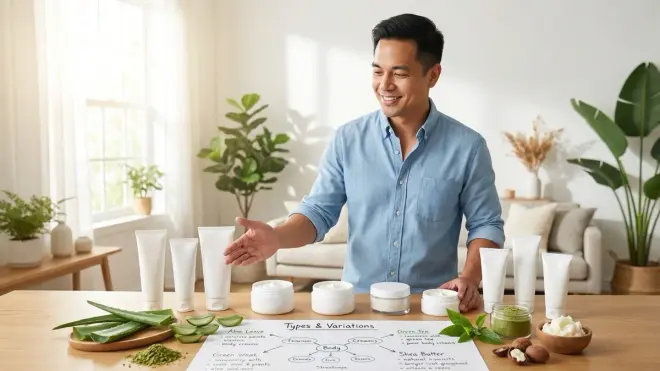
Adipose-targeting technology body creams segment into distinct formulation philosophies, each prioritizing different mechanisms and user experiences.
Methylxanthine-dominant formulas center on caffeine or related compounds (theophylline, aminophylline) at 3-5% concentrations. These typically have lightweight, fast-absorbing textures—gel-creams or serums—that minimize the occlusive layer. You'll recognize them by the cooling sensation and sometimes faint coffee-like scent. Budget options like the generic caffeine body serums from manufacturing hubs in South Korea deliver 3-4% caffeine in simple propylene glycol bases for around $15-20 per 200ml, offering comparable active concentrations to prestige alternatives at one-third the cost.
Retinoid-based systems combine retinol, retinaldehyde, or retinyl esters with supporting antioxidants and barrier-repair lipids. These feel richer, require evening application due to photosensitivity, and may cause initial irritation during the retinization period. The texture tends toward medium-weight creams with slip that facilitates massage application. Pricing correlates with retinoid type—retinyl palmitate formulas start around $18-25, while retinaldehyde versions approach $45-60. The understanding caffeine percentage in body sculpting products: concentration guide helps decode label claims across both categories.
Botanical extract concentrates emphasize plant-derived lipolytic compounds—forskolin from Coleus forskohlii, escin from horse chestnut, caffeine from green tea or guarana. These appeal to clean beauty consumers but often suffer from unstandardized extract concentrations that make efficacy comparison difficult. A formula listing "green tea extract" might contain 0.5% caffeine or 0.05% depending on extraction method and ratio. Manufacturing in France and Italy tends toward higher botanical standardization compared to generic contract manufacturers.
Thermogenic formulas create intense warming sensations through capsaicin analogs, vanillyl butyl ether, or methyl nicotinate. The heat increases blood flow and creates a powerful sensory experience that many users associate with efficacy, though the vasodilation itself contributes minimally to fat metabolism. These work best for those who respond positively to sensory feedback during application. If you're building a comprehensive approach, the body sculpting routine checklist: products, tools & application order integrates these variations into sequenced protocols.
Hybrid systems layer multiple mechanisms—a typical formulation might include 4% caffeine, 0.5% retinol, botanical extracts, and thermogenic agents in a sophisticated emulsion with liposomal delivery. These represent the current formulation frontier but often cost $50-80 per 150ml tube. The question becomes whether the multi-active approach delivers proportionally better results than single-mechanism products applied consistently.
Frequently Asked Questions
Do adipose-targeting body creams actually reduce fat, or just improve skin appearance?
Both occur, but to different degrees. These creams definitely improve skin texture and firmness through increased collagen synthesis, improved hydration, and temporary circulation enhancement—effects you'll notice within 2-4 weeks. The fat reduction component remains more controversial. Peer-reviewed studies using ultrasound and caliper measurements show statistically significant reductions in subcutaneous fat layer thickness of 1-2mm after 12 weeks of consistent application, but this represents a modest change that may not be visible on all body types. The most honest assessment: they work primarily as skin-improving treatments with secondary, mild effects on underlying adipose tissue when formulated with sufficient active concentrations and used diligently over months.
What concentration of caffeine actually penetrates deep enough to affect fat cells?
Effective topical caffeine formulations contain 3-5% caffeine combined with penetration enhancers to reach adipose tissue. Lower concentrations around 1-2% may improve microcirculation but likely don't achieve sufficient depth for direct adipocyte effects. The delivery vehicle matters as much as the percentage—caffeine in a liposomal or lipid nanoparticle system at 3% may outperform 5% caffeine in a basic lotion base. Solubility also plays a role; caffeine dissolves better in formulations containing propylene glycol, dimethyl isosorbide, or alcohol, which simultaneously function as penetration enhancers. If you're comparing products, look for caffeine listed in the first five ingredients and check for delivery-enhancing components like liposomes or cyclodextrins in the formula.
How long do you need to use body sculpting creams before seeing results?
Skin texture improvements appear within 2-4 weeks as collagen synthesis increases and hydration improves. Circumference changes and visible contouring effects require 8-12 weeks of twice-daily application on clean, dry skin with massage techniques that enhance penetration. Clinical studies typically measure outcomes at 12-week intervals because subcutaneous fat metabolism occurs slowly, and you're working against continuous adipocyte lipid storage from dietary intake. Consistency matters more than intensity—daily application with 2-3 minute massage outperforms sporadic use with vigorous manipulation. Most users abandon treatment around week 4-6, just before the adipose-targeting effects would become measurable, which partially explains the mixed reputation these products carry.
Can you combine adipose-targeting creams with other body contouring methods?
Yes, and this often represents the most effective approach. Adipose-targeting technology body creams work synergistically with dry brushing, gua sha tools, radiofrequency devices, and structured exercise. The mechanical stimulation from massage tools or at-home RF devices increases skin temperature and blood flow, enhancing active ingredient penetration. Applied after resistance training, these creams may benefit from exercise-induced increases in adipocyte lipolysis and improved circulation. However, avoid combining strong thermogenic formulas with heating devices, as the cumulative irritation can damage the skin barrier. The at-home body contouring checklist: essential products and tools you need provides integration protocols. Just maintain realistic expectations—even combined approaches won't match professional body contouring procedures, but they offer meaningful improvements at a fraction of the cost.
Are there specific ingredients to avoid if you have sensitive skin?
Several adipose-targeting actives commonly trigger irritation in sensitive individuals. High-concentration caffeine (above 4%) can cause redness and itching, especially when combined with alcohol-based delivery systems. Retinoids at any concentration may cause flaking, burning, and photosensitivity—start with retinyl esters rather than retinol or retinaldehyde if you're reactive. Thermogenic compounds like capsaicin analogs, methyl nicotinate, and vanillyl butyl ether create intentional irritation that sensitive skin may not tolerate. Synthetic fragrances and essential oils in body formulations often exceed facial product concentrations, increasing sensitization risk. Look for fragrance-free formulations with soothing agents like allantoin, bisabolol, or colloidal oatmeal if you're prone to reactivity. The how to choose body firming ingredients based on your skin type guide addresses formulation selection for reactive skin specifically.
Summary
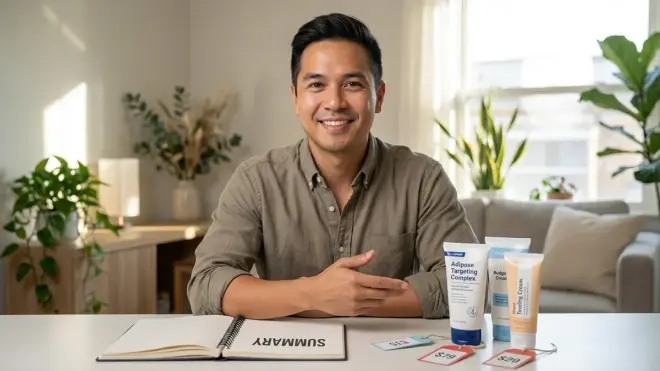
Adipose-targeting technology body creams represent a convergence of delivery science, lipolytic actives, and realistic outcome management. The formulations work—modestly, gradually, and most effectively when integrated into comprehensive protocols that include movement, nutrition, and consistent application. The biochemistry proves sound: caffeine inhibits phosphodiesterase, retinoids suppress adipogenesis, and penetration enhancers facilitate dermal delivery. Whether these mechanisms translate to visible body contouring depends on your starting point, genetic predisposition, and application commitment.
The sensory experience matters as much as the chemistry. A cream that feels luxurious, absorbs without residue, and creates perceptible warmth or cooling gets used consistently. One that pills, stains clothing, or requires ten minutes to absorb gets abandoned in the shower caddy. For those seeking alternatives to professional body contouring, exploring sculpting body care: complete guide to firming, toning & contouring treatments provides broader context on both topical and complementary approaches.
Budget formulations from South Korean and French manufacturers often deliver active concentrations comparable to prestige brands at one-third the price. The best body sculpting creams under $30: caffeine & retinol formulas that work identifies specific products where the price-per-ounce metrics and ingredient transparency align with evidence-based formulation principles. Focus on caffeine percentages above 3%, retinoid inclusion, and delivery-enhancing systems rather than brand prestige. The technology works when the chemistry and commitment align—no miracles, but measurable change you can photograph and caliper over months of patient application.