
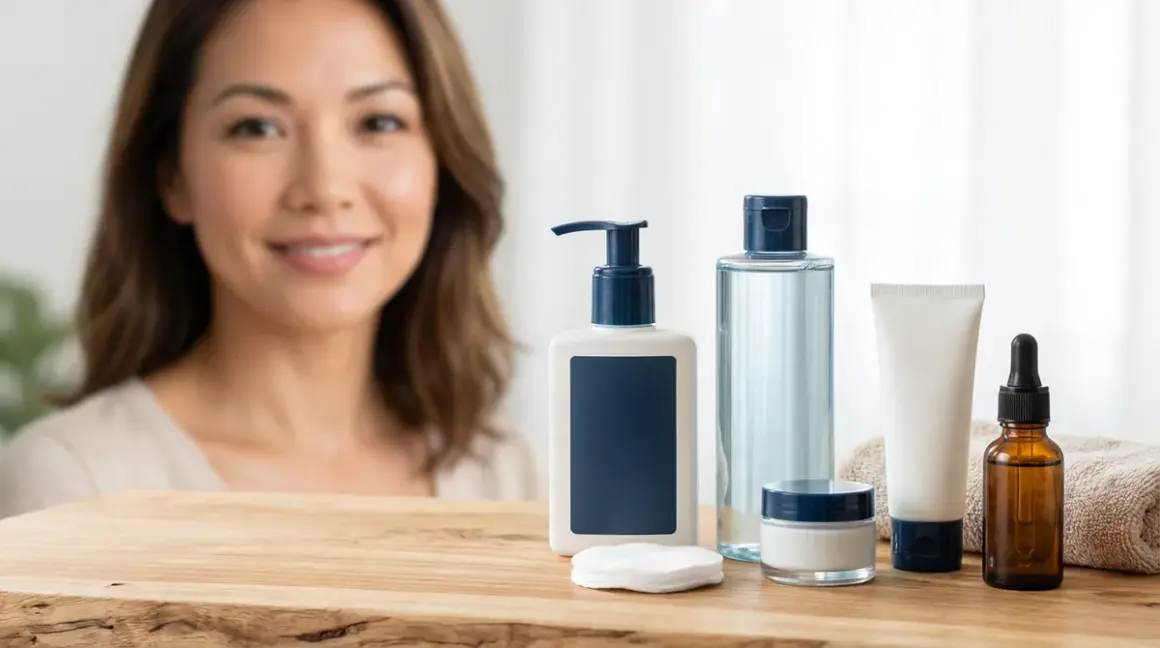

Let's be real: most men's skincare advice assumes you have 45 minutes and a PhD in cosmetic chemistry. Here's the deal—this men's skincare routine checklist covers exactly what you need, in what order, and why it matters, all in under five minutes per day. No filler, no 12-step Korean routines at 5 AM. I'm talking about the essentials that actually work, backed by ingredient percentages and dermatological research, because your face deserves better than the bar soap currently sitting on your shower ledge.
This checklist breaks down morning and evening routines with specific actives, application timing, and cost-per-use metrics. Whether you're dealing with razor burn, office AC dryness, or the first signs of aging, you'll know exactly what to buy and how to use it without wasting money on marketing hype.

Morning Routine: Protection and Prep (3 minutes)
Your morning men's skincare routine checklist is about protection. You're facing UV exposure, environmental pollution, and probably some questionable office air quality. This sequence builds a defensive barrier while keeping your skin looking sharp through back-to-back Zoom calls.
Gentle cleanser (30 seconds): Use a pH-balanced cleanser between 5.0-6.0 that won't strip your skin's natural barrier. Look for formulations with 5% glycerin or similar humectants. The Cerave Hydrating Facial Cleanser costs about $0.33 per use and maintains barrier function better than alkaline bar soaps that clock in at pH 9-10. Skip this if you showered within the last hour—you don't need to double-cleanse a face that's already clean.
Vitamin C serum (20 seconds): Apply 3-4 drops of L-ascorbic acid serum at 10-20% concentration while your face is still slightly damp. The Timeless 20% Vitamin C + E Ferulic Acid Serum runs around $25 for 1 oz and provides antioxidant protection against free radical damage throughout your workday. Pat it in, don't rub. The slight tingling is normal; burning means the pH is too low for your skin.
Moisturizer with ceramides (30 seconds): Layer a moisturizer containing ceramide complex (1:1:1 ratio of ceramides 1, 3, and 6-II) plus 4-5% niacinamide. This combination reinforces your barrier function and reduces transepidermal water loss by up to 24% according to Journal of Clinical and Aesthetic Dermatology studies. The Cerave PM Facial Moisturizing Lotion works here despite its name—$0.40 per application and absorbs in under a minute.
SPF 30-50 sunscreen (45 seconds): Non-negotiable. Apply 1/4 teaspoon to your face and neck—that's about two finger-lengths of product. Mineral formulas with zinc oxide 15-20% leave less white cast now than they did five years ago. The Australian Gold Botanical SPF 50 Tinted Face Sunscreen costs around $13 for 3 oz, offers 80 minutes water resistance, and has a subtle tint that evens out skin tone better than untinted versions. Reapply every two hours if you're outdoors, which you probably won't be, so just do it once in the morning.
Eye cream (optional, 15 seconds): Only necessary if you've got specific concerns like puffiness or dark circles. Look for caffeine 5% for puffiness or vitamin K oxide 3% for darkness. The Ordinary Caffeine Solution costs around $7 and lasts four months. Pat it on your orbital bone, not directly on your eyelid—the skin will absorb what it needs.
Lip balm with SPF (5 seconds): Your lips have zero melanin and burn faster than your forehead. Any SPF 30 lip balm works—I keep one in my car, one at my desk, and one in my gym bag because I lose them constantly.
Evening Routine: Repair and Recovery (4 minutes)

The evening men's skincare routine checklist focuses on repair while you sleep. This is when you deploy actives that increase cell turnover and rebuild collagen—the stuff that reverses visible aging signs over time, not overnight.
Oil-based cleanser (45 seconds if you use sunscreen): If you applied SPF this morning, you need an oil-based cleanser to break down those mineral filters. The Simple Kind to Skin Cleansing Oil costs around $8 for 4.2 oz and emulsifies with water. Massage for 30 seconds, add water, rinse. This step removes what water-based cleansers leave behind.
Water-based cleanser (30 seconds): Follow with your morning cleanser to remove the oil cleanser. This double-cleanse sounds excessive but takes 75 seconds total and prevents clogged pores from sunscreen buildup. If you skipped SPF because you worked from home, just use your regular cleanser once.
Exfoliating toner (20 seconds, 2-3x per week): Use a toner with 2% salicylic acid or 7-10% glycolic acid to increase cell turnover. The Ordinary Glycolic Acid 7% Toning Solution runs around $9 for 240ml—that's 240 uses at $0.04 each. Swipe it on with a cotton pad, wait 30 seconds, move to the next step. Don't use this on the same nights as retinol unless your skin is already acclimated to both.
Retinol serum (30 seconds, 3-4x per week): Start with 0.25-0.5% retinol if you're new to this. The Cerave Resurfacing Retinol Serum contains encapsulated retinol plus ceramides to minimize irritation—around $15 for 1 oz, which lasts 3-4 months. Apply a pea-sized amount to dry skin. If you're already tolerating 0.5%, bump to 1% retinol (The Ordinary costs around $7). This is the single most evidence-backed ingredient for reducing fine lines and increasing collagen synthesis. You'll purge slightly in weeks 2-3. Push through it.
Bioregenerative serum (optional, 30 seconds): If you're targeting aging specifically, layer a bioregenerative serum with growth factors or peptides after your retinol fully absorbs. Matrixyl 3000 (palmitoyl tripeptide-1 and palmitoyl tetrapeptide-7) at 3% concentration stimulates collagen production through a different pathway than retinol. The Ordinary Matrixyl 10% + HA costs around $13 for 30ml. Not essential, but delivers visible plumping over 8-12 weeks.
Night cream (45 seconds): Use a richer formula than your morning moisturizer—you don't need to worry about shine while you're asleep. Look for ceramides, cholesterol, and fatty acids in a 3:1:1 ratio to optimize barrier repair. The Cerave Skin Renewing Night Cream includes peptides plus niacinamide for around $16, lasts about three months, and has a dense texture that seals everything underneath. If you applied retinol tonight, this layer prevents transepidermal water loss that causes the dry, flaky retinol phase.
Weekly Maintenance: Deep Treatment (10 minutes, once per week)

Your weekly men's skincare routine checklist addresses concerns that daily products can't tackle alone. This is where you deal with texture issues, stubborn blackheads, and accumulated dead skin that makes your face look dull under fluorescent office lighting.
Clay or charcoal mask (10 minutes total): Use kaolin or bentonite clay masks to absorb excess sebum if you're prone to blackheads or large pores. The Aztec Secret Indian Healing Clay costs around $8 for 16 oz—that's approximately 32 masks at $0.25 each. Mix with equal parts apple cider vinegar (not water), apply to damp skin, leave for 5-7 minutes max. Any longer and it over-dries. Rinse thoroughly. Your skin will feel tight for 30 seconds until you apply moisturizer.
Physical exfoliation (2 minutes): I'm not typically a fan of scrubs because most people overdo it and damage their barrier. But once per week, a gentle scrub with jojoba beads or rice powder (not apricot shells, which cause micro-tears) removes surface buildup that chemical exfoliants miss. The Acure Brightening Facial Scrub uses ground sea kelp and costs around $10 for 4 oz. Use gentle circular motions for 60 seconds, focusing on your T-zone.
Hydrating sheet mask (15 minutes of passive time): If your skin feels tight or looks dull, use a sheet mask with hyaluronic acid (multiple molecular weights) and glycerin 5%+. The Dermal Korea Collagen Essence Masks cost about $0.65 each in bulk. Apply after cleansing, leave on for 15 minutes while you respond to emails, remove and pat in the remaining essence. Don't rinse. Follow with your regular night cream to seal in the hydration.
Spot treatment for breakouts (30 seconds as needed): Keep a 2.5% benzoyl peroxide spot treatment for unexpected breakouts. The Paula's Choice Clear Daily Skin Clearing Treatment costs usually around $20 for 2.25 oz and works faster than 10% formulas with less irritation. Dab directly on spots after cleansing, let dry for 60 seconds, then continue your routine. Benzoyl peroxide bleaches fabric, so use white pillowcases on treatment nights or sleep on your back like a vampire.
Shaving and Post-Shave Care (5 minutes, as needed)
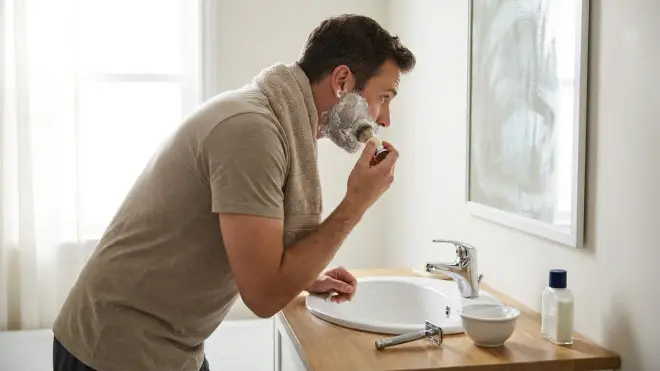
Shaving compromises your skin barrier temporarily—you're literally scraping off the top layer with a sharp blade. This part of the men's skincare routine checklist minimizes irritation, ingrown hairs, and that tight, burning sensation that makes you regret being born with facial hair.
Pre-shave oil (30 seconds): Apply grapeseed or jojoba oil to damp skin before your shaving cream. This creates a protective layer between the blade and your skin. The Pura D'or Organic Jojoba Oil costs around $14 for 4 oz—that's probably 80+ shaves at $0.18 each. Three drops, massage in, proceed to shave cream.
Moisturizing shave cream (60 seconds): Use a cream with glycerin 10%+ and allantoin 0.5% to provide slip and soothe simultaneously. The Cremo Original Shave Cream costs around $6 for 6 oz, requires minimal water, and provides enough cushion to see where you're shaving. Skip aerosol foams—they dry out too quickly and contain propellants that irritate sensitive skin.
Sharp, clean razor (3 minutes): Your blade quality matters more than your products. Replace cartridges every 5-7 shaves or when you feel tugging. A dull blade requires multiple passes, which multiplies irritation exponentially. Shave with the grain first, then across the grain if you need closer results. Against the grain is how you get ingrown hairs.
Cold water rinse (15 seconds): Rinse with cold water to close pores and remove residue. Pat dry with a clean towel—don't rub. Your barrier is compromised right now.
Aftershave with niacinamide (30 seconds): Forget alcohol-based splashes that burn like you're in a 1950s barbershop. Use an alcohol-free aftershave with 4-5% niacinamide to reduce inflammation and panthenol 2-3% to accelerate barrier repair. The Nivea Men Sensitive Post Shave Balm costs around $6 for 3.3 oz, contains bisabolol for soothing, and absorbs without greasiness. If you get razor bumps regularly, switch to a formula with 2% salicylic acid like the Jack Black Post Shave Cooling Gel.
Moisturizer (30 seconds): Always follow post-shave products with your regular moisturizer. The aftershave addresses immediate irritation; the moisturizer rebuilds the lipid barrier you just scraped off. Give it 60 seconds to absorb, then move on with your life.
Additional Considerations: Targeted Treatments
These aren't daily essentials, but they solve specific problems that derail otherwise solid routines. Consider these add-ons if you're dealing with concerns your basic men's skincare routine checklist isn't addressing.
Azelaic acid for redness or rosacea: This ingredient works on a different pathway than other actives—it reduces inflammation, kills acne bacteria, and fades post-inflammatory hyperpigmentation. Use 10-15% azelaic acid formulations like The Ordinary Azelaic Acid Suspension (around $8 for 30ml) once daily. It has a slightly gritty texture that takes 2-3 minutes to fully absorb. Worth the wait if you have persistent redness or melasma.
Lip treatments for chronically chapped lips: If standard SPF balm isn't cutting it, upgrade to a treatment with lanolin and ceramides. The La Roche-Posay Cicaplast Lips costs around $10 and actually heals damaged lip barrier instead of just coating it. Apply before bed and wake up with lips that don't feel like sandpaper.
Scalp care products: Your scalp is skin too, and if you're experiencing dryness, itching, or hair concerns, treating it with skincare actives makes sense. Niacinamide 5% or salicylic acid 2% scalp serums address inflammation and buildup. The Ordinary Multi-Peptide Serum for Hair Density costs around $18 and includes peptides that support follicle health. Apply to damp scalp, massage in, don't rinse.
Hand cream with ceramides: Hands age faster than your face and get washed constantly, stripping their barrier. Keep a barrier repair cream with ceramides and urea 5% at your desk and in your car. The Eucerin Advanced Repair Hand Cream costs around $6 for 2.7 oz and prevents that dry, cracked texture that makes you look 20 years older when you shake hands in meetings.
Final Check Before You Go
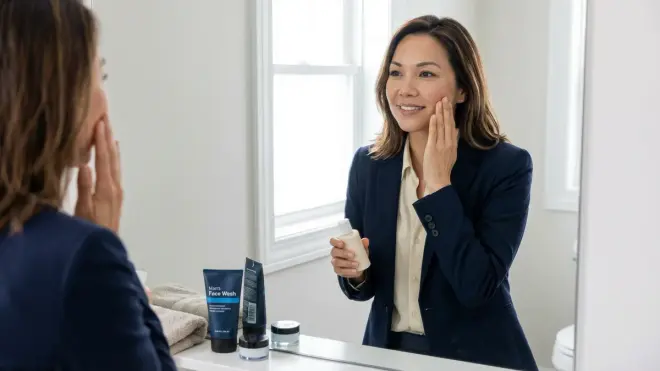
Here's your condensed men's skincare routine checklist for both timeframes:
Morning (3 minutes total):
- Cleanser → Vitamin C serum → Moisturizer → SPF 30-50 → Lip balm
Evening (4 minutes total):
- Oil cleanser (if you wore SPF) → Water cleanser → Exfoliating toner (2-3x/week) → Retinol (3-4x/week) → Night cream
Weekly (10 minutes):
- Clay mask OR physical scrub (not both) → Hydrating sheet mask → Spot treatments as needed
Shaving (5 minutes):
- Pre-shave oil → Shave cream → Fresh blade → Cold rinse → Aftershave → Moisturizer
The entire daily investment is 7 minutes maximum. That's less time than you spend choosing what to stream. Your skin replaces itself every 28 days—give it the building blocks to do that well, and you'll look noticeably better in two months than you do today.
Frequently Asked Questions
What is the correct order for applying men's skincare products?
The correct order for men's skincare products follows the thinnest-to-thickest rule: cleanse first, then apply water-based serums like vitamin C or retinol, follow with moisturizer containing ceramides and niacinamide, and finish with SPF 30-50 sunscreen in the morning. This sequence allows active ingredients to penetrate before you seal them with occlusive moisturizers and sunscreen, maximizing absorption and efficacy without wasting product.
How long does it take to see results from a men's skincare routine?
You will see initial hydration improvements and reduced tightness within 3-5 days of starting a basic cleanser-moisturizer-SPF routine, but significant changes like reduced fine lines from retinol take 8-12 weeks as your skin completes multiple renewal cycles. Vitamin C brightening effects typically appear around week 6, while barrier repair from ceramides shows measurable improvement in transepidermal water loss within 2 weeks according to dermatological studies.
Do men really need different skincare products than women?
Men do not need fundamentally different skincare ingredients than women, but male skin is typically 20-25% thicker with higher collagen density and produces more sebum due to testosterone, which means men benefit from lightweight, non-comedogenic formulations and may tolerate higher active concentrations like 1% retinol or 20% vitamin C more quickly than someone with thinner, drier skin regardless of gender.
Final Thoughts

Here's what I learned after helping my husband build his routine from scratch: the men's skincare routine checklist that actually gets used is the one that takes less than 5 minutes and shows visible results within a month. He's not reading ingredient labels at 11 PM or comparing molecular weights of hyaluronic acid. He just wants to look less tired during video calls and not have his forehead peel during ski season.
Start with the morning basics—cleanser, moisturizer, SPF. That's the foundation that prevents 90% of preventable aging. Add evening retinol once you've done that consistently for two weeks. Everything else is optimization for specific concerns.
The barrier to entry isn't cost—you can build an effective routine for under $60 that lasts four months. It's the overwhelming amount of contradictory information and products that promise results they can't deliver. This checklist cuts through that. You now know what works, why it works, and exactly how much time it takes.
Your face is the first thing people see in meetings, on dates, and in every Zoom call where you forgot to check your camera angle. Seven minutes a day is a reasonable investment in not looking perpetually exhausted. That's it. That's the pitch.