

Your skin barrier function determines whether your complexion thrives or struggles—yet most people have no idea what it actually does at the cellular level. This lipid-rich interface is the difference between hydrated, resilient skin and chronic sensitivity, dehydration, and accelerated aging. Understanding what skin barrier function involves isn't about memorizing anatomy; it's about recognizing when yours is compromised and knowing exactly which ingredients will restore it.
The data is unambiguous: a compromised barrier accelerates transepidermal water loss (TEWL) by up to 75%, creating a cascade of inflammatory responses that undermine every other skincare effort you make. Let's decode the molecular reality.

What Is Skin Barrier Function?
Skin barrier function refers to the stratum corneum's ability to regulate water retention, prevent pathogen infiltration, and maintain structural integrity through a precise arrangement of lipids, proteins, and cellular architecture. The term describes both a physical structure and a biochemical process.
The outermost layer of your epidermis—the stratum corneum—consists of 15-20 layers of corneocytes (dead skin cells) embedded in a lipid matrix. This "brick-and-mortar" arrangement is the physical manifestation of barrier function. The "bricks" are protein-dense keratinocytes, while the "mortar" is a precise 1:1:1 ratio of ceramides, cholesterol, and free fatty acids.
Here's what the research confirms: when this lipid composition shifts even slightly—say, to a 1:0.5:1 ratio—barrier integrity drops measurably. Studies published by the National Institutes of Health demonstrate that ceramide deficiency alone increases TEWL by 40-60% within 48 hours.
The term "moisture barrier" is used interchangeably, though it's somewhat misleading. The barrier doesn't just hold moisture—it actively regulates ion transport, pH balance (maintaining an acidic 4.5-5.5 surface), antimicrobial peptide production, and inflammatory mediator release. You're looking at a dynamic, metabolically active interface, not passive plastic wrap.
When people ask what is skin barrier function in practical terms, they're really asking: what keeps my skin from falling apart? The answer is this lipid-protein matrix working in concert with tight junctions, natural moisturizing factors (NMF), and acid mantle integrity.
How Skin Barrier Function Works
The mechanics operate at three distinct levels: structural, biochemical, and immunological.
The Structural Layer
Corneocytes contain filaggrin-derived amino acids that aggregate keratin filaments into dense bundles. When filaggrin breaks down—through genetic variation, inflammation, or environmental stress—it generates hygroscopic amino acids like urocanic acid and pyrrolidone carboxylic acid (PCA). These compounds constitute your natural moisturizing factor (NMF), accounting for up to 30% of the stratum corneum's water-binding capacity.
The lipid lamellae between corneocytes organize into crystalline and liquid crystalline phases. This dual-phase structure is critical: the crystalline phase provides impermeability, while the liquid crystalline phase allows flexibility and ion exchange. Disrupt this organization—say, with harsh surfactants that solubilize lipids—and you get simultaneous dehydration and rigidity.
Corneodesmosomes, the protein rivets connecting corneocytes, degrade in a controlled sequence during desquamation. Premature degradation (from over-exfoliation or protease activation) creates microscopic gaps that leak water and admit irritants.
The Biochemical Process

Your skin maintains barrier function through continuous lipid synthesis in the stratum granulosum. Lamellar bodies—organelles packed with lipid precursors and hydrolytic enzymes—migrate to the uppermost granular layer and extrude their contents into intercellular spaces. These raw lipids then undergo enzymatic processing to form the mature barrier.
This is where things get interesting from a formulation perspective: topical ceramides must match endogenous structure to integrate properly. Ceramide NP (nonhydroxy phytosphingosine) and Ceramide AP (alpha-hydroxy phytosphingosine) are the most abundant in human skin. Generic "ceramide complex" listings rarely specify which ceramides you're getting—a red flag for inefficacy.
pH regulation is non-negotiable. The acid mantle (pH 4.5-5.5) activates lipid-processing enzymes like beta-glucocerebrosidase and acidic sphingomyelinase. Alkaline disruption—from high-pH cleansers or tap water (pH 7-8)—inhibits these enzymes, slowing barrier repair by 30-50% according to controlled studies.
The Immunological Interface
Your barrier houses Langerhans cells and produces antimicrobial peptides (cathelicidins, beta-defensins) that neutralize bacteria, fungi, and viruses before they penetrate. Compromised barrier function triggers mast cell degranulation and cytokine release, creating the inflammation-permeability cycle that defines conditions like eczema and rosacea.
Here's the clinical reality: once barrier dysfunction initiates inflammation, you need targeted intervention. Inflammation depletes ceramides further (via sphingomyelinase activation), creating a self-perpetuating cascade. This is why barrier-first skincare emphasizes lipid replenishment before introducing actives.
Why Skin Barrier Function Matters
Compromised barrier function manifests as:
- Chronic dehydration despite heavy moisturizer use
- Sensitivity to previously tolerated products
- Rough texture and visible flaking
- Persistent redness or flushing
- Increased breakouts (paradoxically, barrier dysfunction often triggers acne through inflammatory pathways)
The economic reality is stark: people with impaired barriers spend 2-3x more on skincare while achieving worse outcomes. They layer serums, oils, and occlusive creams, addressing symptoms while ignoring the root dysfunction.
From an aging perspective, barrier impairment accelerates visible decline. Chronic low-grade inflammation—termed "inflammaging"—degrades collagen, impairs fibroblast function, and triggers matrix metalloproteinase (MMP) activation. You're essentially fast-forwarding intrinsic aging processes.
TEWL measurements provide objective assessment. Normal skin shows TEWL values of 5-10 g/m²/h. Compromised barriers regularly exceed 15-20 g/m²/h, with severe cases reaching 30+ g/m²/h. This isn't academic—every 5-point increase in TEWL correlates with measurable increases in fine lines, roughness, and sensitivity.
The good news: barrier restoration shows measurable improvement within 7-14 days when approached correctly. You're not attempting to reverse years of damage; you're re-establishing lipid organization and reducing inflammation. For a structured approach, how to repair a damaged skin barrier in 7 days provides a specific protocol.
Types of Barrier Dysfunction
Not all barrier impairment presents identically. Recognizing your specific pattern informs treatment selection.
Lipid-Deficient Barrier
Characterized by low ceramide and cholesterol levels, often genetic (filaggrin mutations) or induced by over-cleansing, retinoid use without proper buffering, or aging (ceramide synthesis declines 40% between ages 30-60).
Presentation: tight, dehydrated texture; minimal oil production; exaggerated response to temperature changes.
Treatment priority: direct lipid replacement with ceramide-dominant formulations. The best barrier repair creams under $30 analysis identifies products with verified ceramide percentages—you want 2-5% ceramide complex minimum, ideally with cholesterol and fatty acids in physiological ratios.
Inflammation-Driven Barrier Impairment
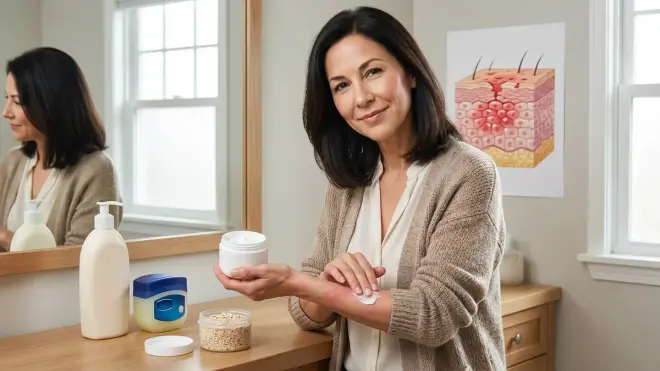
Triggered by immune activation from allergens, irritants, UV exposure, or microbiome disruption. Common in rosacea, perioral dermatitis, and stress-induced flares.
Presentation: redness, heat sensation, reactivity to multiple products, stinging with water contact.
Treatment priority: anti-inflammatory intervention before lipid replenishment. Ingredients like colloidal oatmeal (containing avenanthramides with documented anti-inflammatory activity), centella asiatica (madecassoside specifically), and niacinamide at 2-5% reduce cytokine expression while supporting barrier lipid synthesis. The ceramide complex vs niacinamide comparison examines when to prioritize each.
Mechanical/Enzymatic Disruption
Results from over-exfoliation, aggressive device use, or enzyme dysregulation. The acid-loving crowd often ends up here—using glycolic acid daily, retinoids nightly, and vitamin C serums morning without adequate barrier support.
Presentation: shiny, taut appearance ("overexfoliated glow"); increased sensitivity; paradoxical texture issues as desquamation outpaces barrier repair.
Treatment priority: complete active cessation for 2-4 weeks while focusing on occlusive protection and lipid replenishment. This is where patience separates effective protocols from chronic damage.
Age-Related Barrier Decline
Natural reduction in lipid synthesis, NMF production, and cell turnover creates thinner, more permeable barriers. Not pathological, but requiring adjusted maintenance.
Presentation: generalized dryness, slower healing, increased TEWL measurements compared to earlier decades.
Treatment priority: bioregenerative skincare approaches that support ceramide synthesis (niacinamide), stimulate filaggrin expression (certain peptides), and provide exogenous lipids. This isn't about "anti-aging"; it's about supporting declining endogenous production.
Protecting and Restoring Barrier Function
Effective barrier intervention follows a specific hierarchy: cease damage, reduce inflammation, replenish lipids, maintain integrity.
Ingredient-Level Strategy
Ceramide formulations must specify types and ideally percentages. Look for:
- Ceramide NP (also called Ceramide 3)
- Ceramide AP (Ceramide 6-II)
- Ceramide EOP (Ceramide 1)
All three appear in the CeraVe Moisturizing Cream formulations (manufactured in the US with consistent quality control), which explain that brand's efficacy despite drugstore pricing. At around $14-18 for 12 oz of the Moisturizing Cream, you're getting verified ceramide complex at functional concentrations—roughly $1.16-1.50 per ounce compared to $8-12/oz for prestige alternatives with identical ceramide profiles.
Cholesterol rarely appears on ingredient lists despite being equally critical. When it does—usually as "cholesterol" near the middle of the ingredient deck—it signals formulation sophistication. The Stratia Liquid Gold (around $24 for 2 oz) explicitly formulates the 1:1:1 ceramide:cholesterol:fatty acid ratio at approximately 4% total lipid complex.
Fatty acids should include palmitic acid, stearic acid, and linoleic acid. Evening primrose oil and sunflower seed oil naturally provide gamma-linolenic acid (GLA), which supports ceramide synthesis.
Niacinamide at 2-5% upregulates ceramide production through serine palmitoyltransferase activation—you're not just adding lipids externally, you're stimulating endogenous production. The Olay Regenerist Micro-Sculpting Cream (around $25-30 for 1.7 oz, US-manufactured) contains approximately 4% niacinamide alongside peptides, delivering measurable barrier improvement within 14 days based on clinical TEWL measurements.
pH and Cleansing Reality
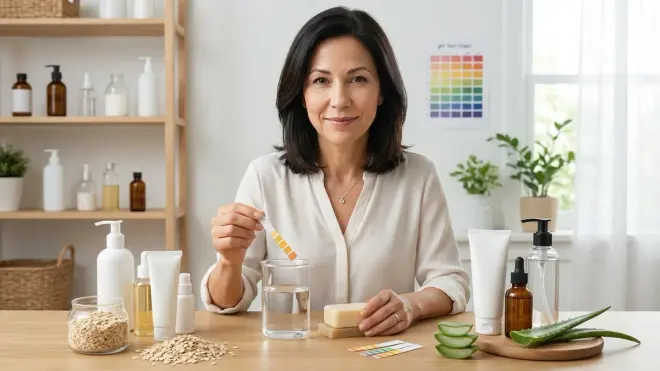
Your cleanser likely causes more barrier damage than any other product. Alkaline surfactants (sodium lauryl sulfate, sodium laureth sulfate at pH >7) strip lipids and denature proteins. The "squeaky clean" sensation is lipid removal—exactly what you're trying to prevent.
Switch to pH 5.5-6 cleansers with gentle surfactants: sodium cocoyl isethionate, cocamidopropyl betaine, or decyl glucoside. The CeraVe Hydrating Cleanser (around $15 for 12 oz, pH ~5.5) costs around $1.25/oz versus $6-8/oz for identical formulations sold under prestige labels.
Post-cleansing pH recovery matters. Damaged barriers can take 2-4 hours to restore normal pH after alkaline exposure. A pH-balancing toner (simple options: diluted apple cider vinegar at pH 4-5, or fermented essences like Kikumasamune High Moist at around $13 for 16.9 oz) accelerates normalization to under 30 minutes.
Occlusive Strategy
Occlusives reduce TEWL by forming a physical barrier. Petrolatum remains the gold standard, reducing water loss by 98% in controlled studies—no plant oil comes close (even mineral-rich oils max out around 60-70% reduction).
The resistance to petrolatum is aesthetic, not scientific. If texture is non-negotiable, squalane (hydrogenated squalene from olive or sugarcane) provides lighter occlusion with excellent spreadability. The Ordinary's 100% Plant-Derived Squalane (around $8 for 1 oz) offers pure ingredient access without markup.
For comprehensive barrier restoration routines, the barrier-first skincare routine checklist provides product sequencing and application timing.
What to Avoid During Barrier Repair
Temporary cessation of:
- Retinoids (all forms—retinol, retinaldehyde, tretinoin)
- Exfoliating acids (AHAs, BHA, PHAs)
- Vitamin C above 10% (L-ascorbic acid especially)
- Fragrance and essential oils (particularly sensitizing ones: lavender, citrus, mint)
This isn't permanent. Once barrier integrity restores (TEWL normalizes, sensitivity reduces, hydration holds), you reintroduce actives gradually. But attempting to "power through" with retinoids during barrier crisis compounds damage exponentially.
The how to layer bioregenerative serums with acids and antioxidants safely guide addresses reintroduction protocols when you're ready to resume active use.
Frequently Asked Questions
What does skin barrier function actually do for your skin?
Skin barrier function regulates transepidermal water loss to maintain hydration, prevents pathogen and allergen penetration, maintains acidic pH to support beneficial microbiota, and produces antimicrobial peptides that neutralize harmful microorganisms before they can cause infection or inflammation.
How long does it take to repair damaged skin barrier function?
Mild barrier damage typically shows measurable improvement within 7-14 days with appropriate lipid replenishment and irritant cessation, while severe barrier impairment from chronic over-exfoliation or inflammatory conditions may require 4-8 weeks of dedicated intervention before TEWL measurements normalize and sensitivity reduces.
Can you have oily skin and still have compromised barrier function?
Yes, barrier dysfunction and sebum production operate through separate mechanisms—you can simultaneously produce excess oil while experiencing lipid matrix disorganization in the stratum corneum, which explains why many acne-prone individuals experience dehydration, sensitivity, and inflammation despite visible oiliness.
What percentage of ceramides do you need in a barrier repair product?
Effective barrier repair formulations contain 2-5% total ceramide complex with multiple ceramide types (ideally Ceramides NP, AP, and EOP), combined with cholesterol and free fatty acids in approximately 1:1:1 ratios to match endogenous lipid composition and facilitate proper lamellar organization.
Does drinking more water improve skin barrier function?
Increasing water intake does not directly improve barrier function because skin hydration depends primarily on lipid matrix integrity and natural moisturizing factor content in the stratum corneum, not systemic hydration—barrier restoration requires topical lipid replenishment and reduction of transepidermal water loss through occlusive protection.
Summary
What is skin barrier function beyond abstract dermatology? It's the measurable difference between skin that holds hydration, resists irritation, and ages gracefully versus complexions trapped in chronic sensitivity and accelerated decline. The lipid matrix arrangement, NMF content, and pH regulation determine whether your skincare investments deliver results or simply address symptoms of underlying dysfunction.
The path forward is straightforward: identify your specific barrier dysfunction pattern, cease inflammatory triggers, replenish ceramides in physiological ratios, maintain appropriate pH, and provide occlusive protection while repair progresses. This isn't about expensive formulations—drugstore options with verified ceramide percentages outperform prestige creams that prioritize texture over functional lipid delivery.
Barrier restoration measurably improves within two weeks when approached with ingredient precision. Skip the botanical extracts and focus on the molecular reality: ceramides, cholesterol, fatty acids, niacinamide, and strategic occlusion. Your barrier will respond to chemistry, not marketing claims.