


Let's be real—I spent years treating my scalp like a completely different organism than my face. I'd drop around $70 on a face serum with 5% niacinamide and carefully calibrated pH, then dump whatever random shampoo was on sale onto my scalp without a second thought. Then postpartum hair shedding hit, and I realized what is scalp skincare isn't just a marketing buzzword—it's the same dermatological science I'd been applying to my face, finally extended to the skin under my hair.
Here's the deal: your scalp is skin. The same barrier function principles, pH balance requirements, and active ingredient chemistry that govern facial skincare apply directly to your scalp. The difference? Your scalp has about 100,000 hair follicles creating a unique microenvironment that most of us have been completely ignoring.

This is your no-nonsense breakdown of scalp skincare science, written between school dropoff and morning court appearances.
What Is Scalp Skincare?
Scalp skincare is the application of dermatological principles and active ingredients to the skin on your head—treating it with the same ingredient rigor you'd apply to your face. It's not just about clean hair. We're talking targeted formulations with specific pH ranges (typically 4.5-5.5), measured concentrations of actives like niacinamide (2-5%), salicylic acid (0.5-2%), and peptides, and attention to barrier function maintenance.
The "skinification of hair" movement has finally brought cosmetic chemistry standards to scalp care. Instead of vague promises about "healthy scalp," we're now seeing products with ingredient transparency: hyaluronic acid molecular weights specified (typically 50-1000 kDa for scalp penetration), ceramide ratios (ideally 3:1:1 of ceramides, cholesterol, and fatty acids), and active percentages clearly listed.
Your scalp has a distinct barrier structure compared to facial skin. The stratum corneum is thicker, sebum production is higher (thanks to those dense hair follicles), and the pH tends to run slightly more acidic. Most conventional shampoos clock in at pH 6-8, which is significantly more alkaline than your scalp's natural pH of 4.5-5.5. That alkalinity disrupts your acid mantle, compromises barrier function, and creates the perfect environment for inflammation, itching, and follicle dysfunction.
I'm not going to lie to you—once I started checking the pH of my hair products with test strips (you can grab 100 strips for around $8), I was horrified. That "clarifying" shampoo I loved? pH 7.2. My scalp was basically in a constant state of barrier disruption.
Understanding what is scalp skincare means recognizing that the same ceramide depletion, moisture barrier damage, and inflammation cascades that show up on your face are happening on your scalp—you just can't see them as easily under your hair.
How Scalp Skincare Works
The mechanism behind scalp skincare is identical to facial skincare: maintain barrier integrity, regulate pH, deliver actives at effective concentrations, and support the skin's natural repair processes. Let's break down the actual chemistry.
pH Balance and the Acid Mantle
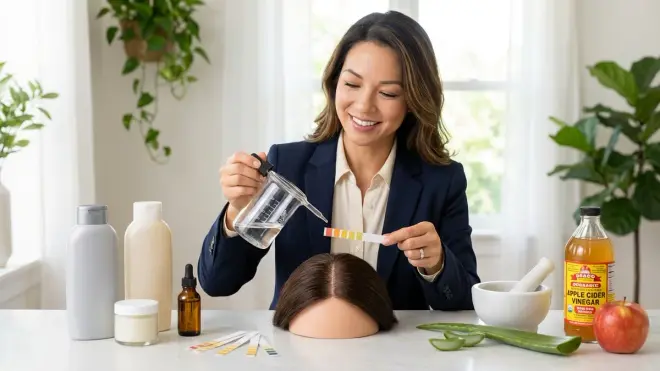
Your scalp's acid mantle sits at approximately pH 4.5-5.5. This slightly acidic environment serves multiple functions: it inhibits bacterial and fungal overgrowth (most pathogens prefer neutral to alkaline environments), keeps the cuticle layer of hair shafts sealed (cuticles open at alkaline pH, leading to damage and frizz), and maintains optimal enzyme activity for natural exfoliation and cell turnover.
When you use alkaline products—most traditional shampoos, especially sulfate-heavy formulas—you temporarily push scalp pH up to 6-8. According to research published by the International Journal of Trichology, it takes 2-4 hours for scalp pH to naturally rebalance after alkaline exposure. During that window, you're vulnerable to microbial imbalance, increased trans-epidermal water loss, and inflammation.
Budget-friendly pH-balanced shampoos like The Ordinary Sulphate 4% Shampoo Bar (usually around $7.90 for 50g, pH 5.0-5.5) or The Inkey List Salicylic Acid Exfoliating Scalp Treatment (usually around $11.99 for 150ml, pH 4.5) deliver the same pH precision as prestige brands at a fraction of the cost. That's $0.16 per gram versus luxury alternatives like Drunk Elephant T.L.C. Happi Scalp Scrub at around $38 for 200ml ($0.19/ml).
Barrier Function and Lipid Matrix
Your scalp's barrier function relies on the same ceramide-cholesterol-fatty acid lipid matrix as facial skin—specifically, a 3:1:1 molar ratio for optimal barrier formation. When this lipid structure is compromised (through harsh surfactants, over-washing, or inflammatory conditions), you get increased water loss, sensitivity, and impaired follicle function.
Scalp treatments with barrier-supporting ingredients work by replenishing this lipid matrix. Look for formulations containing ceramide complexes (typically ceramide NP, AP, and EOP), cholesterol, and fatty acids like linoleic acid. Budget option: Acure Ultra Hydrating Argan Oil & Pumpkin Shampoo (usually around $9.99 for 236ml) contains plant ceramides and a lipid profile that mimics skin barrier composition.
The molecular weight matters for scalp actives just like it does for face serums. Low molecular weight hyaluronic acid (50-300 kDa) can penetrate the scalp barrier to hydrate at the follicle level, while higher weights (1000-1500 kDa) form a protective film on the surface. The Ordinary Multi-Peptide Serum for Hair Density (usually around $18 for 60ml) uses a calibrated HA blend optimized for scalp absorption—that's $0.30 per ml compared to prestige scalp serums at $1.50-3.00 per ml.
Active Ingredient Delivery
The same actives that work on your face work on your scalp—you just need formulations designed for scalp-specific delivery challenges (navigating through hair, dealing with higher sebum levels, longer contact time requirements).
Niacinamide at 2-5% reduces inflammation, regulates sebum production, and strengthens barrier function. Best niacinamide hair serums deliver this at leave-on concentrations for maximum efficacy.
Salicylic acid at 0.5-2% provides lipid-soluble exfoliation that penetrates into follicles, clearing debris and reducing inflammation. Unlike physical exfoliants (scrubs), salicylic acid works through chemical dissolution—gentler for sensitive scalps.
Peptides (particularly copper peptides and signal peptides) support collagen synthesis and hair follicle health. Peptides in haircare need specific molecular weights (typically under 500 Da) to penetrate the scalp barrier effectively.
Retinoids (retinol, retinaldehyde) increase cell turnover and support follicle health, but require careful concentration management (0.01-0.025% for scalp use) to avoid irritation. The Act+Acre 3% Stem Cell Serum (around $78 for 30ml) contains retinol, but budget alternatives like The Ordinary's Granactive Retinoid 2% Emulsion (technically a face product at usually around $10.40 for 30ml, but identical chemistry) can be applied to the scalp with the same efficacy—that's $0.35/ml versus $2.60/ml.
Between depositions last month, I started applying my leftover face serum actives to my scalp. Same ingredients, same results, significantly lower cost per application.
Why Scalp Skincare Matters
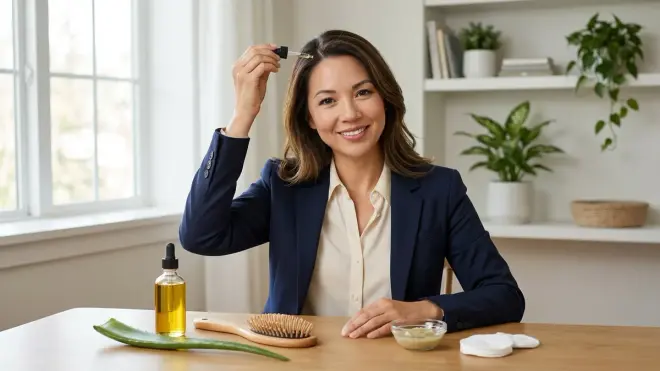
Here's what finally convinced me to take scalp skincare seriously: follicle dysfunction shows up months before you actually see hair thinning. By the time you notice increased shedding or texture changes, your scalp barrier has likely been compromised for 2-3 months.
Scalp inflammation—even subclinical inflammation you can't see or feel—disrupts the hair growth cycle. Your follicles shift from anagen (growth phase) to telogen (resting phase) prematurely. You don't necessarily go bald, but hair density decreases, individual strands become finer, and growth rate slows.
I noticed this postpartum. My scalp wasn't visibly irritated, but my hair texture changed dramatically. Switching to pH-balanced, barrier-supporting products and incorporating scalp actives brought my hair quality back to baseline within about 8 weeks. Cost difference? Negligible. I swapped a around $32 shampoo for a around $12 pH-balanced option and added a around $18 peptide serum twice weekly. That's around $30 upfront for a 3-month supply—around $10 per month for measurably better results.
Practical Benefits You'll Actually Notice
Reduced itching and flaking within 1-2 weeks of pH-balanced products. When your scalp pH normalizes, microbial balance improves and inflammation decreases. No more shoulder-checking for dandruff before presentations.
Better hair texture and shine because properly closed cuticles (maintained by acidic pH) reflect light better and resist damage. My hair went from looking dull by 2 PM to maintaining morning polish through evening pickup.
Less frequent washing required because balanced sebum production means less greasy buildup. I went from washing daily to every 2-3 days—that's time savings of 15-20 minutes every other day, plus reduced product consumption.
Improved product performance because a healthy scalp barrier absorbs and retains actives more effectively. Those expensive hair treatments you're using? They work better when your barrier function is intact.
Types of Scalp Skincare Products
Scalp skincare products fall into several categories based on formulation and intended use. Understanding the differences helps you build an efficient routine without redundancy.
pH-Balanced Cleansers
These maintain scalp pH in the 4.5-5.5 range during cleansing. Look for sulfate-free surfactant systems (like sodium cocoyl isethionate or decyl glucoside) and check the pH with test strips if it's not listed. Budget picks: Acure (around $9.99), Pacifica (around $10.99), or The Ordinary (around $7.90). These cost $0.04-0.07 per wash versus luxury pH-balanced options at $0.15-0.25 per wash.
Leave-On Scalp Treatments
These deliver actives at higher concentrations with extended contact time. Think of these as your scalp serums—similar to how you'd use a face serum. They typically contain niacinamide, peptides, hyaluronic acid, or mild exfoliants in a lightweight base designed to absorb without leaving residue on hair.
Application time: 60-90 seconds, 2-3 times weekly. The Ordinary Multi-Peptide Serum (around $18 for 60ml, approximately 40 applications) works out to $0.45 per use. Compare that to Kerastase Initialiste Scalp Serum at around $65 for 60ml ($1.08 per use) with similar peptide profiles.
Exfoliating Treatments

These use chemical exfoliants (salicylic acid, glycolic acid, fruit enzymes) or gentle physical exfoliants to remove buildup and support cell turnover. Use these once weekly or biweekly depending on your scalp's sensitivity—more is not better. The Inkey List Salicylic Acid treatment (usually around $11.99 for 150ml) provides approximately 20 treatments at $0.60 each.
Barrier Repair Formulations
These focus on lipid replenishment with ceramides, cholesterol, and fatty acids. They're particularly useful if you've over-exfoliated, used harsh products, or have inflammatory scalp conditions. Barrier-first beauty principles apply equally to scalp care—sometimes you need to pause actives and focus purely on barrier restoration for 1-2 weeks.
Understanding how to choose active ingredients for your scalp type prevents the common mistake of layering too many actives too quickly. Start with pH balance and barrier support, then add targeted treatments based on specific concerns.
Frequently Asked Questions
What is scalp skincare and how is it different from regular haircare?
Scalp skincare is the application of dermatological principles to the skin on your head, focusing on pH balance, barrier function, and targeted active ingredients at specific concentrations, whereas regular haircare primarily addresses the hair shaft itself without considering the underlying skin health, barrier integrity, or the acid mantle that protects your scalp microbiome.
What pH should scalp skincare products have?
Scalp skincare products should maintain a pH between 4.5 and 5.5 to match your scalp's natural acid mantle, support barrier function, prevent microbial overgrowth, and keep hair cuticles sealed for optimal texture and shine, though most conventional shampoos unfortunately sit at pH 6-8 which disrupts these protective functions.
Can I use my facial skincare products on my scalp?
Yes, you can use most facial skincare actives on your scalp because it's fundamentally the same skin tissue with the same barrier structure and active ingredient receptors, though you'll want to choose lightweight formulations that won't leave residue on your hair and may need slightly different concentrations to account for the scalp's thicker stratum corneum and higher sebum production.
How long does it take to see results from scalp skincare?
You'll typically notice reduced itching and improved comfort within 1-2 weeks of starting pH-balanced products, see improvements in hair texture and shine within 4-6 weeks as your barrier function normalizes, and observe changes in hair density, growth rate, or thickness after 8-12 weeks since the hair growth cycle requires sustained follicle health improvements before visible changes emerge.
What actives work best for scalp skincare on a budget?
The most cost-effective scalp actives are niacinamide at 2-5% for barrier support and sebum regulation, salicylic acid at 0.5-2% for exfoliation and follicle clarity, low molecular weight hyaluronic acid for hydration, and peptide complexes for follicle health, with budget formulations from The Ordinary, The Inkey List, and Acure delivering these at concentrations comparable to prestige brands for one-third to one-fifth the cost per application.
The Bottom Line on Scalp Skincare
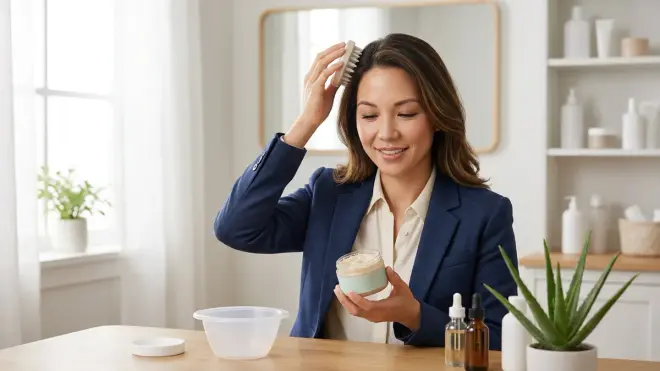
What is scalp skincare? It's the end of treating your scalp like an afterthought and the beginning of applying the same ingredient rigor to your head that you've been using on your face. The chemistry is identical. The barrier function principles are the same. The results are measurable.
I've been incorporating targeted scalp treatments for six months now—between morning court prep and evening bath time with the kids. My routine takes an extra 90 seconds twice weekly. Total monthly cost: about around $12 for pH-balanced cleansers and leave-on treatments. The payoff: better hair texture, less irritation, and significantly reduced shedding that started postpartum.
You don't need a 10-step scalp routine or around $200 luxury treatments. You need pH balance, barrier support, and a handful of well-chosen actives at appropriate concentrations. Check the pH of your current shampoo with around $8 test strips. If it's above 5.5, that's your first change. Add a leave-on peptide or niacinamide serum twice weekly. See how your scalp responds over 4-6 weeks.
Your scalp is skin. Treat it accordingly. The science supports it, the budget accommodates it, and your hair will thank you for it—probably somewhere between your 6 AM coffee and your first meeting.