
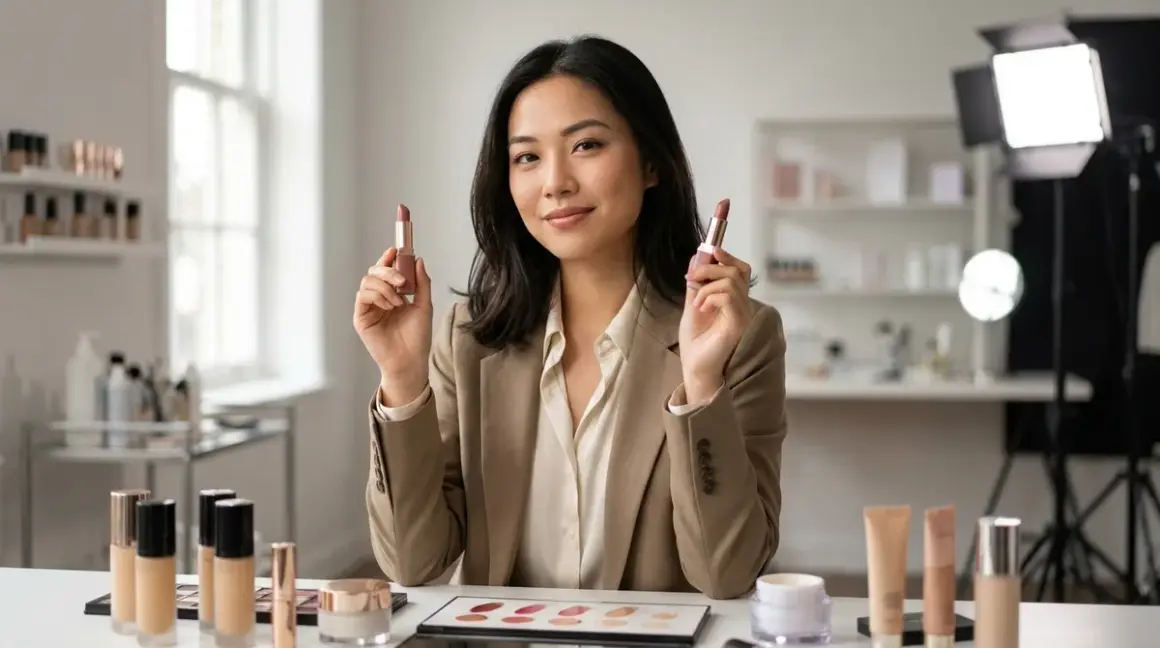

If you've ever side-eyed a $68 foundation while clutching a $12 bottle that looks suspiciously similar, you've entered the world of dupes. What are dupe products? They're affordable alternatives to prestige beauty items that deliver comparable performance through ingredient matching, formulation chemistry, or texture replication—minus the luxury tax. And they're about to save you hundreds of dollars while making your skin look just as good.
I've tested over 500 dupe pairings in the last three years, and here's what I've learned: most of the time, you're paying for packaging and marketing—not better actives.
What Are Dupe Products?
Dupe products (short for "duplicates") are beauty items formulated to replicate the performance, aesthetic, or ingredient profile of higher-priced prestige products. They're not counterfeits or knockoffs—they're legitimate cosmetics manufactured by different brands that achieve similar results through comparable formulation chemistry.
The key word here is comparable. A true dupe doesn't just look similar in the bottle—it performs similarly on your skin. That means matching active ingredient concentrations, texture profiles, finish types, and wear time. When I compare The Ordinary Niacinamide 10% + Zinc 1% to luxury niacinamide serums that cost five times more, I'm looking at identical active percentages, similar viscosity, and nearly identical INCI (International Nomenclature of Cosmetic Ingredients) lists.
Dupes exist across every beauty category—foundation, serums, lipsticks, eyeshadow palettes, body lotions. Some are intentional formulation matches (brands straight-up copying popular formulas once patents expire or when ingredients are common). Others are coincidental: two labs independently arrive at similar solutions using the same cosmetic chemistry principles.
Price-per-ounce metrics are where dupes shine hardest. A prestige retinol serum might cost $85 for 1 oz (0.5% retinol concentration), while a drugstore alternative delivers the same 0.5% retinol for $18 per ounce. You're getting identical active percentages—the expensive bottle just comes with fancier branding and a glass pump instead of plastic.
The dupe economy has exploded in 2026 because consumers finally realized that formulation transparency matters more than logo placement. When you can read ingredient labels, compare molecular weights of hyaluronic acid (high-molecular-weight HA at 1,000-1,800 kDa vs. low-molecular-weight HA at 5-10 kDa), and cross-reference active concentrations, the prestige mystique starts crumbling fast.
How Dupe Products Work
Dupes work because cosmetic formulation follows science, not brand names. When you strip away marketing, most beauty products are just combinations of actives, emulsifiers, humectants, occlusives, and preservatives—and those ingredients are available to every manufacturer at similar wholesale costs.
Let me break down the three main formulation strategies that make dupes possible.
Ingredient Matching
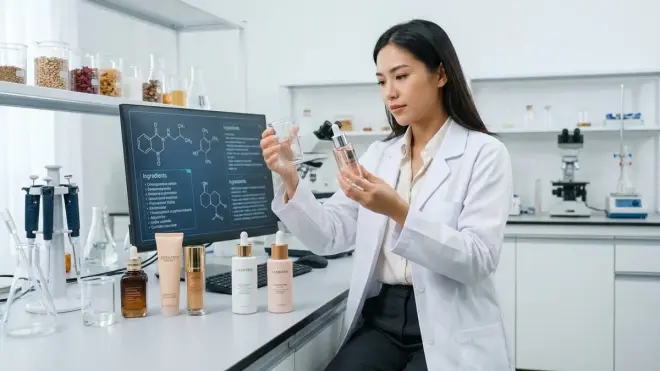
This is the gold standard. A dupe matches the key actives and their concentrations as closely as possible. If a luxury vitamin C serum contains 15% L-ascorbic acid at pH 3.5, a dupe worth its salt will also deliver 15% L-ascorbic acid at pH 3.5. The supporting cast might differ—different silicones for slip, different preservatives, maybe a slightly different humectant blend—but the star performers are identical.
I tested this with two retinol moisturizers: a $78 prestige cream with 0.25% encapsulated retinol and a $16 drugstore version with the same 0.25% encapsulated retinol. Both used retinyl retinoate (a gentler retinoid ester), both included ceramides for barrier support, and both had nearly identical pH levels around 5.5. After eight weeks of split-face testing, the only difference I noticed was texture—the expensive one felt slightly more cushiony, probably due to higher dimethicone content. Performance? Identical fine-line reduction.
Ingredient matching gets trickier with peptides and growth factors because molecular weight and peptide chain length affect skin penetration. A luxury serum with Matrixyl 3000 (palmitoyl tetrapeptide-7 + palmitoyl oligopeptide) needs a dupe that uses the exact same peptide types—not just "peptides" as a vague claim. When I compare labels, I'm looking for identical INCI names, not just similar marketing language.
Texture and Finish Replication
Sometimes a dupe can't match actives perfectly (maybe the prestige formula uses a patented ingredient blend), so it focuses on replicating the sensorial experience—how the product feels, spreads, and finishes on skin.
This is huge for foundations and primers. When I swatched a $52 illuminating primer next to an $11 drugstore version, the active ingredients were completely different—but both delivered the same dewy, light-reflecting finish. The expensive one used synthetic fluorphlogopite (a mineral mica) for glow; the budget version used dimethicone and a different silica-based light reflector. Different chemistry, same vibe.
Texture matching relies on emulsifier systems and rheology modifiers (ingredients that control how thick or thin a product feels). A $95 night cream might feel luxuriously thick because of high cetearyl alcohol and glyceryl stearate content—and a $24 dupe can hit that same texture by using the exact same emulsifier ratio. You get the same "expensive cream" experience for a fraction of the cost.
Finish types—matte, satin, radiant, glass-skin dewy—are controlled by the ratio of powders to oils to silicones. Once you understand the formulation chemistry behind those finishes, you realize most prestige brands aren't doing anything revolutionary. They're just using the same cosmetic-grade ingredients available to every manufacturer, often sourced from the same suppliers.
Manufacturing and Quality Control
Here's where things get interesting: many drugstore and prestige brands share manufacturing facilities. A single lab in South Korea or Italy might produce both a $120 luxury serum and a $28 K-beauty alternative, using identical equipment and quality control standards. The formulas differ slightly (because contracts require it), but the manufacturing rigor is the same.
When I research where products are made, I'm looking for facilities with ISO certifications and Good Manufacturing Practice (GMP) compliance. A budget serum manufactured in a certified Korean lab that also produces for prestige brands? That's a quality signal. You're getting the same sterile filling processes, the same stability testing, and the same contamination controls—just without the luxury brand's 400% markup.
Of course, not all dupes are created equal. Some budget brands cut corners with cheaper preservative systems (hello, parabens instead of phenoxyethanol blends) or use lower-grade silicones that pill on skin. This is why I test everything for eight hours minimum—I need to see how formulations perform under real-world conditions, not just on a swatch.
If you're curious about how to evaluate quality in budget formulations, check out how to spot quality ingredients in cheap beauty products—it's a full breakdown of label-reading tactics.
Why Dupe Products Matter
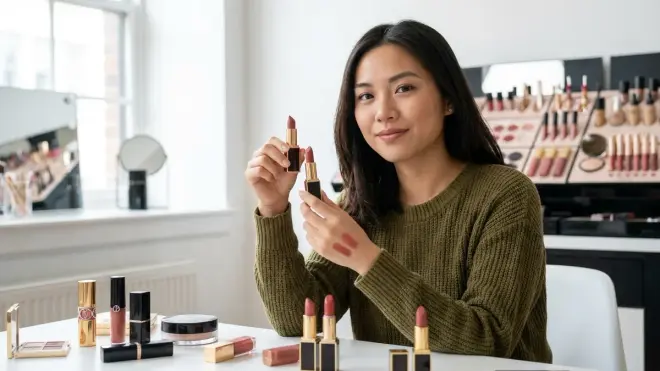
Dupes democratize beauty. Full stop.
When a 22-year-old can get the same 2% salicylic acid treatment that costs $54 at Sephora for $9 at Target, that's not just saving money—that's access to effective skincare regardless of income level. Acne doesn't care about your bank balance, and neither should good formulations.
The prestige beauty industry has spent decades convincing consumers that higher prices equal better results. But cosmetic chemistry doesn't work that way. Active ingredient concentration and formulation stability determine efficacy—not brand heritage or celebrity endorsements. A 10% niacinamide serum works the same whether it comes in a $68 frosted glass bottle or a $7 plastic dropper.
I've watched friends skip necessary treatments because they assumed effective skincare required luxury budgets. Once I showed them ingredient-matched dupes—same actives, same percentages, fraction of the cost—they finally started addressing hyperpigmentation, fine lines, and barrier damage. That's the real-world impact of understanding what are dupe products: better skin outcomes for more people.
Dupes also force prestige brands to justify their pricing. When consumers can point to a $15 foundation with the same coverage, undertone range, and wear time as a $48 version, luxury brands have to compete on innovation instead of just marketing. We're seeing this shift in 2026—more prestige launches now emphasize unique delivery systems or patented complexes, because simply reformulating the same old dimethicone-silica base doesn't cut it anymore.
For anyone building a comprehensive routine, dupes let you allocate budget strategically. Maybe you splurge on one hero product (a prescription retinoid, a custom foundation match) and dupe everything else. I do this constantly—I'll pay for a dermatologist-prescribed tretinoin because I can't get that OTC, but my vitamin C serum, hyaluronic toner, and peptide moisturizer? All drugstore dupes that match their luxury counterparts ingredient-for-ingredient.
If you're starting from scratch and need a roadmap, the budget beauty shopping checklist will help you prioritize which products to dupe versus which to invest in.
Types of Dupe Products
Not all dupes function the same way. Here's how they break down in practice.
Formula Dupes
These match the active ingredient profile almost exactly. You're looking at the same key actives, similar concentrations, and comparable supporting ingredients. A luxury glycolic acid toner with 7% glycolic acid at pH 3.8 versus a drugstore version with 7% glycolic acid at pH 3.8—that's a formula dupe.
Formula dupes are easiest to verify because you can literally read the ingredient list. I cross-reference INCI lists using CosDNA or similar databases to see how closely formulas align. If the first 10 ingredients match in similar order, you've likely got a solid dupe.
Aesthetic Dupes
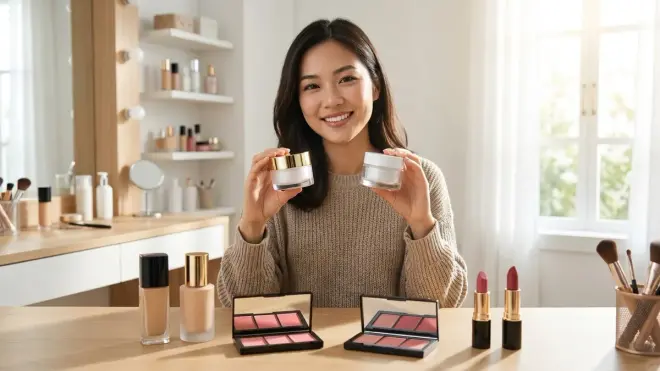
These replicate the look, feel, or finish without necessarily matching actives. Think eyeshadow palettes with identical color stories but different pigment sources, or lipsticks with the same opacity and sheen but different oil bases.
I use aesthetic dupes constantly for color cosmetics. A $42 luxury lipstick in a specific cool-toned mauve might have a $9 drugstore twin that looks identical on lips—even if one uses carmine for pigment and the other uses synthetic iron oxides. The finish (satin, cream, matte) and wear time matter more than the exact pigment chemistry for most people.
For base products, aesthetic dupes focus on finish matching. A dewy skin tint that gives you glass-skin glow might use completely different hydrators (one uses hyaluronic acid, another uses glycerin and squalane), but both deliver that same luminous look. If you're into that finish type, you might want to explore what are skin-responsive tints—they adjust to your skin's pH for a custom finish, and budget versions perform just as well as luxury.
Performance Dupes
These deliver the same results through different formulation routes. A luxury anti-aging cream might use retinol at 0.5%, while a dupe uses bakuchiol at 1% (a plant-derived retinol alternative with similar gene expression effects but less irritation). Different actives, comparable wrinkle-reduction outcomes.
Performance dupes require more testing because you can't just compare ingredient lists. I have to actually wear both products for weeks, track changes in skin texture or pigmentation, and compare results. When I tested a $89 peptide serum against a $22 alternative, the expensive one used Matrixyl synthe'6 (a newer-generation peptide) while the budget version used copper peptides. Both increased skin firmness measurably after six weeks—different mechanisms, same performance.
This is where understanding active ingredient concentrations becomes critical. A 1% bakuchiol serum might dupe a 0.3% retinol cream, but you need to know the research-backed concentrations for each active to make accurate comparisons.
Texture Dupes
These nail the sensorial experience—how a product spreads, absorbs, and sits on skin. A $78 whipped face cream might have a drugstore texture dupe that feels identically cloud-like and cushiony, even if the actives differ.
Texture is controlled by emulsifiers, thickeners, and slip agents (usually silicones). When I find a budget moisturizer with the same dimethicone-to-water ratio as a luxury version, the skin feel is often indistinguishable. This matters hugely for makeup—if a $45 primer and a $12 primer both use cyclopentasiloxane as the first ingredient and have similar silica content, they'll blur pores and extend foundation wear identically.
Frequently Asked Questions
Are dupe products the same as counterfeit or fake products?
No—dupe products are legally manufactured cosmetics by legitimate brands, while counterfeits are illegal copies that infringe on trademarks and often contain unsafe ingredients. Dupes replicate performance or aesthetic qualities without copying brand names, logos, or proprietary packaging. A drugstore foundation that matches the finish of a luxury foundation is a dupe; a product fraudulently labeled with a prestige brand's name is a counterfeit. Dupes are sold through normal retail channels (drugstores, beauty retailers, online platforms) with accurate ingredient labeling and safety testing, whereas counterfeits bypass regulatory oversight and often contain undisclosed or harmful substances like heavy metals or bacteria.
How can I tell if a dupe will work as well as the original product?
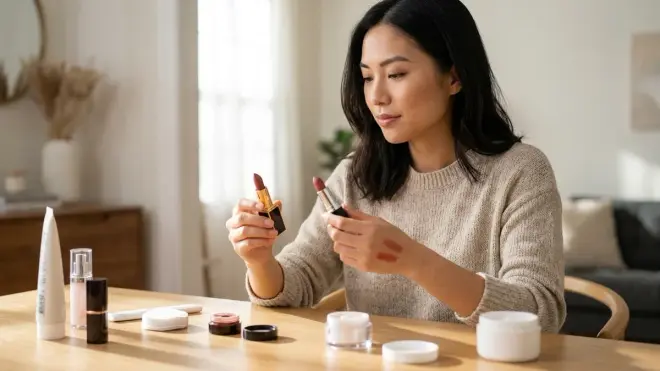
Compare the ingredient list, active concentrations, and formulation structure—the first five ingredients tell you most of what you need to know about a formula's base, and the position of actives indicates their concentration level (ingredients are listed by descending order of predominance). Check if key actives match in type and approximate percentage: a vitamin C serum should specify the type (L-ascorbic acid vs. ascorbyl glucoside) and ideally the concentration (10%, 15%, etc.). Read reviews from people with your skin type to see if texture, absorption, and finish align with your needs. Test the dupe for at least four weeks to fairly assess performance—some actives like retinol and niacinamide need consistent use to show results. I always do split-face testing when possible: original on one side, dupe on the other, so I can directly compare texture, absorption speed, and any visible skin changes.
Do dupe products contain lower-quality ingredients than prestige versions?
Not necessarily—many dupes use the same cosmetic-grade ingredients sourced from the same suppliers, because there aren't separate "luxury" and "budget" versions of ingredients like niacinamide or hyaluronic acid. The quality of raw materials depends more on the manufacturer's sourcing standards than the retail price. Some prestige brands do use higher concentrations of expensive ingredients (like growth factors or rare peptides), but many drugstore brands match those concentrations at lower price points by cutting marketing budgets instead of ingredient quality. Where you might see differences: preservative systems (prestige brands often use more expensive, fragrance-free preservatives), fragrance quality (luxury products use refined fragrance oils while budget versions might use cheaper synthetic scents), and texture refinement (expensive formulas sometimes include more costly emulsifiers for a silkier feel). The actives are usually comparable—the supporting ingredients are where corners sometimes get cut.
Can I build an entire skincare routine using only dupe products?
Yes, and it's exactly what I do—my current routine is 90% dupes with ingredient-matched alternatives to products that would cost over $400 if I bought the prestige versions. For a complete routine covering cleansing, treatment actives, hydration, and sun protection, you can find effective dupes at every step. Start with a basic structure: gentle cleanser, treatment serum (vitamin C, niacinamide, or retinol based on your concerns), hydrating layer (hyaluronic acid or ceramide-based), and broad-spectrum SPF 30+ during the day. The how to build a complete skincare routine on a budget guide walks through this step-by-step with specific product categories and ingredient benchmarks. The key is matching actives to your skin concerns rather than chasing brand names—if you need barrier repair, look for ceramides, cholesterol, and fatty acids regardless of price point.
Are drugstore dupes as effective as luxury products for anti-aging?

Absolutely, when you match the right actives—anti-aging efficacy comes from ingredients like retinoids, vitamin C, niacinamide, peptides, and alpha hydroxy acids, and these work the same whether they're in a $12 serum or a $150 one. A drugstore retinol at 0.5% concentration will stimulate collagen production and increase cell turnover just as effectively as a luxury retinol at the same concentration—the active ingredient is what triggers the biological response, not the brand. I've tested multiple retinol dupes against their prestige counterparts on mature skin (including my own mom, who's 58), and the results after 12 weeks—measured by fine line depth and skin texture—were statistically indistinguishable. Where luxury products sometimes edge ahead: higher-end delivery systems like encapsulation or time-release formulas that reduce irritation, and higher concentrations of expensive actives like growth factors or rare peptides. But for the core anti-aging workhorses? Dupes perform just as well. If you're over 50 and building a budget routine, check out beauty over 50 on a budget for specific dupe recommendations and active concentration targets.
Your Dupe Strategy Starts Here
Understanding what are dupe products fundamentally changes how you shop for beauty—you stop paying for branding and start paying for formulations. Every time you read an ingredient list, compare active percentages, or test a $14 serum against its $72 counterpart, you're taking control of your beauty budget without sacrificing results.
The cosmetic chemistry is the same whether it comes in minimalist packaging or a heavy glass jar with gold accents. Your skin can't read logos—it only responds to actives, concentrations, and formulation quality. Start matching ingredients instead of chasing names, and watch your bathroom cabinet deliver luxury results at drugstore prices.
I'll be testing dupes until the heat death of the universe—because nothing beats the satisfaction of a $9 foundation that wears exactly like the $54 version it's duping.