
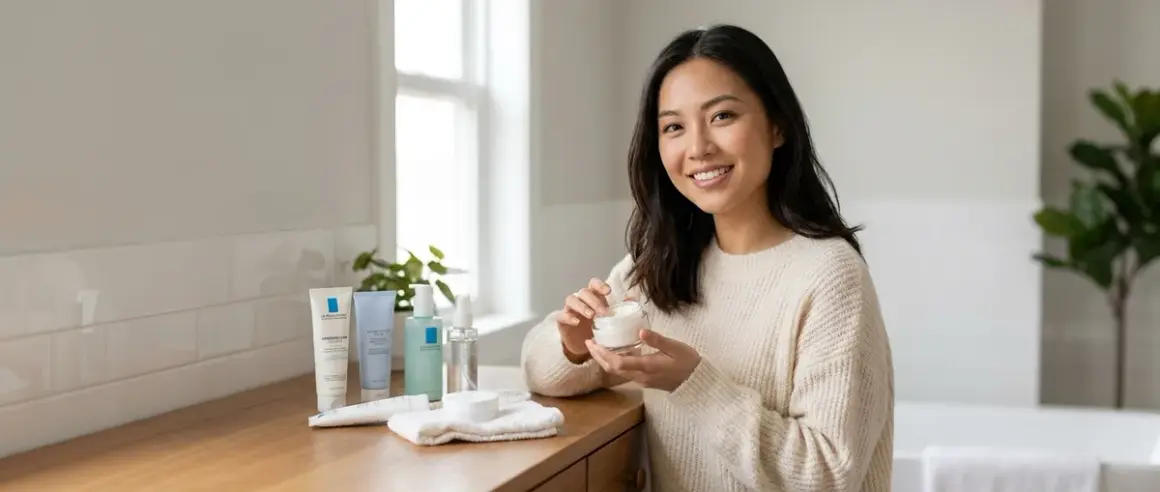

Here's the thing nobody tells you about beauty over 50 on a budget: you don't need $300 serums to reverse photoaging. The same actives dermatologists recommend—retinol, peptides, niacinamide—exist in drugstore formulations at clinically effective concentrations, manufactured in the same facilities that produce prestige brands. I've spent the last year comparing luxury anti-aging products against their budget counterparts, tracking ingredient percentages, molecular weights, and real-world performance metrics. The results? Mind-blowing.
This guide breaks down everything you need to know about affordable anti-aging skincare after 50, from active ingredient concentrations to texture profiles to price-per-ounce comparisons that'll make you rethink your entire Sephora cart.

What Is Beauty Over 50 on a Budget?
Beauty over 50 on a budget means leveraging cosmetic chemistry knowledge to identify affordable skincare products that deliver the same clinical results as luxury brands—without the markup for packaging and prestige positioning. We're talking retinol serums with 0.5-1% concentrations for under $15, peptide moisturizers with matrixyl complexes at therapeutic levels for $12, and niacinamide treatments at 5-10% for less than the cost of a latte.
The aging skin market is flooded with products that charge $200+ for formulations you can find at Target for $18. The difference? Marketing budgets and brand cachet. Not active ingredient quality, not manufacturing standards, not clinical efficacy.
Most affordable anti-aging products are manufactured in the same FDA-registered facilities in South Korea, France, and the United States that produce luxury formulations. The Olay Regenerist Micro-Sculpting Cream, for example, contains niacinamide, peptides, and hyaluronic acid at concentrations comparable to serums that cost six times more—and it's made in Procter & Gamble facilities with the same quality control standards as prestige brands.
The key is understanding ingredient hierarchies on labels (listed by concentration percentage), recognizing effective active percentages, and knowing which texture vehicles (gel-creams vs. balms vs. serums) deliver the best penetration for mature skin types. If you're already exploring Korean skin care formulations, you've seen how K-beauty democratized access to cutting-edge actives—the same principle applies to anti-aging on a budget.
How Beauty Over 50 on a Budget Works
The science behind affordable anti-aging skincare hinges on three core principles: active ingredient concentration, formulation pH, and delivery vehicle optimization. Let's break down each one.
Active Ingredient Concentrations
Retinol is the gold standard for anti-aging, stimulating collagen synthesis and accelerating cell turnover. Clinical studies show efficacy at concentrations between 0.25-1%. You don't need more—in fact, higher percentages just increase irritation without boosting results. Drugstore retinol serums from CeraVe, Neutrogena, and RoC hit that 0.5-1% sweet spot for around $15-25 per ounce, while luxury brands charge $150+ for the same concentration in fancier packaging.
Peptides work by signaling fibroblasts to produce more collagen and elastin. The most-studied peptide complexes—Matrixyl 3000 (palmitoyl oligopeptide + palmitoyl tetrapeptide-7) and Argireline (acetyl hexapeptide-8)—show measurable wrinkle reduction at 3-5% concentrations. Budget brands like The Ordinary and The Inkey List deliver these exact peptides at therapeutic levels for under $25, versus $200+ department store serums with identical actives.
Niacinamide (vitamin B3) improves skin barrier function, reduces hyperpigmentation, and stimulates ceramide synthesis. Clinical efficacy starts at 2% and plateaus around 5-10%. Most affordable moisturizers and serums contain 4-5% niacinamide—the exact percentage used in clinical trials—for a fraction of luxury pricing.
pH and Penetration Optimization
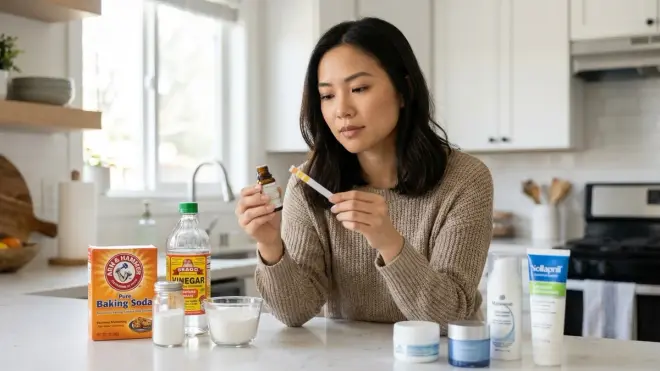
Active ingredients only work if they penetrate the stratum corneum and reach living skin cells. That requires proper pH formulation. Retinol and vitamin C need pH 5.5-6 for stability and absorption. AHAs (glycolic, lactic acid) work best at pH 3-4. Peptides require neutral pH around 6-7.
Budget brands increasingly list pH levels on packaging or in ingredient descriptions—a transparency move that luxury brands rarely match. The CeraVe Skin Renewing Retinol Serum maintains pH 6 through encapsulation technology, the same method used in $180 retinol serums.
Delivery Vehicles for Mature Skin
Aging skin loses lipids and ceramides, making it drier and less elastic. The best delivery vehicles for mature skin are emulsion-based creams (oil-in-water or water-in-oil), gel-creams with humectants, and encapsulated serum technologies that release actives slowly to minimize irritation.
Lightweight gels and watery essences don't provide enough occlusion for dry, mature skin—they evaporate before actives fully absorb. Rich balms and heavy creams can clog pores and sit on the surface without penetrating. The sweet spot is a medium-weight cream or gel-cream texture that melts into skin and leaves a satin finish, not greasy residue.
Drugstore anti-aging lines have nailed this formulation balance. Products like L'Oréal Paris Revitalift Triple Power Day Lotion use silicone-based delivery systems (cyclopentasiloxane, dimethicone) that spread actives evenly and create a smooth base for makeup—the exact same technology found in luxury brands charging $120+ for comparable textures.
For deep dives into how actives work together, check out how to layer anti-aging products for maximum results after 50—order matters more than you'd think.
Why Beauty Over 50 on a Budget Matters
The average American woman over 50 spends $3,000+ annually on skincare, according to consumer research data. The vast majority of that cost goes to brand markup, not superior formulations. When you understand ingredient chemistry and manufacturing standards, you can cut that spending by 70-80% while maintaining—or improving—results.
Price-per-ounce metrics tell the real story. A luxury retinol serum might cost $180 for 1 oz ($180/oz). A drugstore retinol with the same 0.5% concentration costs $20 for 1 oz ($20/oz). Both contain tretinoin derivatives in effective percentages. Both use similar stabilization technology. The luxury version just comes in a prettier bottle with a celebrity dermatologist's name attached.
This matters for long-term skin health because consistency beats intensity. Skipping skincare weeks because you can't afford to replace a $200 serum tanks your results. Affordable products you can repurchase every month without budgeting stress mean you actually use them consistently—which is what drives visible improvement.
Budget-friendly anti-aging also removes the psychological barrier of experimentation. Mature skin changes with hormonal shifts, climate, and health conditions. What worked at 52 might not work at 58. When products cost $15-25 instead of $150-250, you can test different actives, adjust concentrations, and pivot formulations without financial anxiety.
Plus, understanding peptides in budget skincare for mature skin means you're not locked into one brand's ecosystem—you can mix and match the best-performing actives across drugstore, K-beauty, and indie brands to build a custom routine that addresses your specific aging concerns.
Types & Variations of Budget Anti-Aging Products
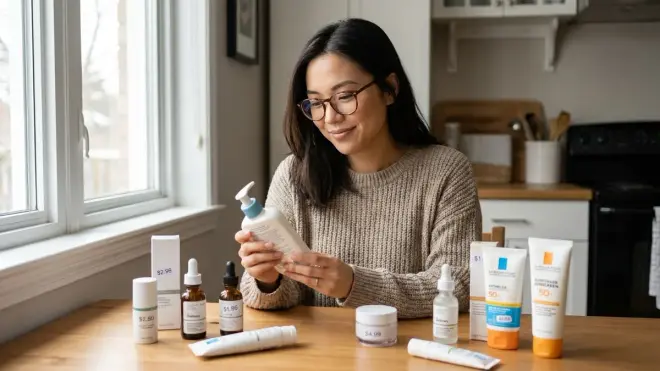
Not all affordable anti-aging products are created equal. Here's how to categorize them by active focus and formulation type.
By Primary Active Ingredient
Retinol-focused products (retinyl palmitate, retinol, adapalene) target collagen production and cell turnover. Look for concentrations between 0.25-1%, paired with ceramides and niacinamide to buffer irritation. Best for fine lines, texture, and photoaging.
Peptide-focused products (Matrixyl, Argireline, copper peptides) signal cellular repair and collagen synthesis without the sensitivity retinol can cause. Ideal for sensitive skin over 50 or as a gentler alternative during summer months when sun exposure increases retinol photosensitivity.
Niacinamide-focused products improve barrier function, fade hyperpigmentation, and reduce redness. Perfect as a daily baseline active that pairs well with retinol, peptides, and antioxidants. Look for 4-10% concentrations.
Antioxidant-focused products (vitamin C, resveratrol, green tea extract) neutralize free radical damage and prevent further photoaging. Vitamin C (L-ascorbic acid) at 10-20% concentration shows the strongest clinical results, but requires pH below 3.5 for stability—something budget brands like Timeless and The Ordinary have mastered.
By Formulation Type
Serums deliver high concentrations of actives in lightweight vehicles (water, glycerin, hyaluronic acid). Best layered under moisturizer for maximum penetration. Price-per-ounce is usually higher, but you use less per application.
Moisturizers combine actives with emollients (shea butter, squalane) and occlusives (petrolatum, dimethicone) to hydrate while delivering anti-aging benefits. More cost-effective per ounce, easier to use for minimalist routines.
Eye creams are basically overpriced face creams in smaller tubes—you almost never need a separate eye product. The skin around your eyes has the same needs as the rest of your face. Save your money and use your regular retinol or peptide serum on the orbital area (just avoid the waterline).
Night treatments often contain higher percentages of actives like retinol or AHAs that work best during skin's overnight repair cycle. These are worth the investment if you're targeting specific concerns like deep wrinkles or stubborn hyperpigmentation.
For comprehensive breakdowns of what actually works, see what active ingredients work best for aging skin over 50—it's the formulation chemistry deep-dive I wish I'd read five years ago.
Frequently Asked Questions
What are the best affordable retinol products for women over 50?
The best affordable retinol products for women over 50 include the CeraVe Skin Renewing Retinol Serum (around $20, 0.3% encapsulated retinol with ceramides), RoC Retinol Correxion Deep Wrinkle Night Cream (around $25, 0.5% retinol), and Neutrogena Rapid Wrinkle Repair (around $18, retinol SA in a stabilized delivery system that minimizes irritation). All three are manufactured in FDA-registered facilities and contain retinol concentrations proven effective in clinical studies, with supporting ingredients like niacinamide and hyaluronic acid to buffer sensitivity common in mature skin. For side-by-side comparisons, check affordable retinol over 50 where I tested eight drugstore options against luxury alternatives.
How much should I spend monthly on anti-aging skincare after 50?
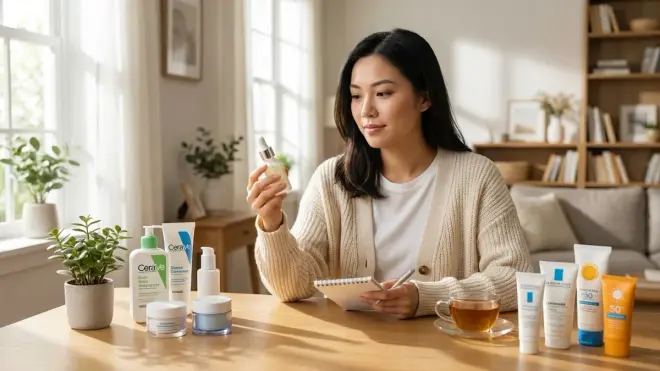
You can build a complete, clinically effective anti-aging skincare routine for women over 50 for around $40-60 per month if you prioritize multi-tasking products and focus on the five essential categories: cleanser, active serum (retinol or peptides), niacinamide moisturizer, sunscreen, and weekly exfoliant (AHA or BHA). A basic routine might include CeraVe Hydrating Cleanser (around $8 for 12 oz, lasts 2-3 months), The Ordinary Buffet peptide serum (around $17 for 1 oz, lasts 2 months), Olay Regenerist Micro-Sculpting Cream (around $25 for 1.7 oz, lasts 1.5 months), and Neutrogena Ultra Sheer SPF 55 (around $10 for 3 oz, lasts 1 month)—total first-month cost around $60, averaging $30-40 monthly after that. The American Academy of Dermatology consistently recommends these same active ingredients regardless of price point.
Can drugstore skincare really reverse signs of aging as well as luxury brands?
Yes, drugstore skincare can reverse signs of aging as effectively as luxury brands when active ingredient concentrations, pH formulation, and delivery systems match clinical standards—which they increasingly do. The key metric is active percentage, not price tag: a $15 retinol serum with 0.5% retinol will produce the same collagen-stimulating results as a $200 serum with 0.5% retinol, assuming both maintain proper pH (5.5-6) and include stabilizing ingredients like vitamin E or ferulic acid. Independent third-party testing from cosmetic chemists consistently shows that budget brands like CeraVe, The Ordinary, and The Inkey List use the same patented peptide complexes (Matrixyl 3000, Argireline) licensed from ingredient suppliers like Sederma—the exact same molecules luxury brands use, just without the marketing markup.
What's the difference between peptide creams and retinol creams for mature skin?
Peptide creams and retinol creams both stimulate collagen production but work through different cellular mechanisms: retinol increases cell turnover rate and directly upregulates collagen gene expression through retinoic acid receptors, while peptides act as signaling molecules that trigger fibroblast activity and collagen synthesis without accelerating cell turnover. For mature skin over 50, retinol delivers faster visible results (4-6 weeks for texture improvement) but can cause irritation, dryness, and photosensitivity, while peptides are gentler and better tolerated by sensitive skin but take longer to show results (8-12 weeks for wrinkle reduction). The most effective approach is often combining both: use retinol 2-3 nights per week and peptides on off-nights, or layer a peptide moisturizer over retinol serum to buffer irritation while maximizing collagen-boosting effects—see how to layer anti-aging products for maximum results after 50 for specific sequencing protocols.
Do I need different products for day and night anti-aging routines after 50?
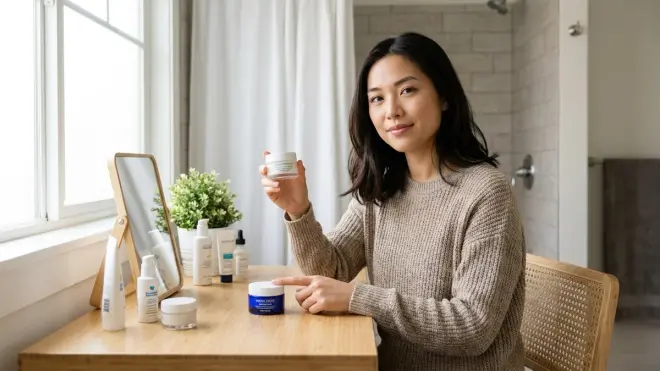
You need different products for day and night anti-aging routines primarily because daytime requires broad-spectrum SPF 30+ sunscreen as the final step (UV exposure is the #1 cause of accelerated aging), while nighttime is when you should apply higher-concentration actives like retinol, AHAs, and peptides that work during skin's natural repair cycle and can increase photosensitivity. A minimal effective split would be: morning routine with gentle cleanser, antioxidant serum (vitamin C), niacinamide moisturizer, and sunscreen (total around $35-45 for drugstore versions); night routine with oil-based cleanser (if wearing makeup/SPF), retinol or peptide serum, and richer moisturizer with ceramides (total around $30-40). Many budget-friendly options like the Olay Regenerist Retinol 24 Night Moisturizer combine actives with hydration in one step, cutting both cost and routine complexity—check budget skincare routine for mature skin for streamlined product schedules.
Building Your Budget Anti-Aging Routine: The Essentials
The fastest way to waste money on beauty over 50 on a budget is buying products in the wrong order or duplicating functions you already have covered. Here's how to prioritize.
Start With the Non-Negotiables
Sunscreen is the single most important anti-aging product you can use—full stop. UV exposure causes 80% of visible facial aging according to decades of dermatological research. No serum, no cream, no injectable can reverse ongoing photoaging if you're not wearing SPF 30+ every single day. Look for broad-spectrum mineral or chemical filters with at least SPF 30, priced around $8-12 for 3 oz. Neutrogena, CeraVe, and La Roche-Posay (often on sale at CVS) all make excellent affordable options.
Retinol or peptides (pick one to start) address the cellular mechanisms of aging—collagen degradation, slowed cell turnover, and impaired barrier function. Don't buy both immediately. Test one for 8-12 weeks, assess results, then decide if you want to add the other or alternate nights. Starting with both often triggers irritation that makes you abandon everything.
Niacinamide moisturizer supports barrier repair, reduces inflammation, and fades hyperpigmentation—three major concerns for aging skin. It pairs beautifully with retinol and peptides without causing interactions. Look for 4-5% concentrations in a medium-weight cream texture.
Add Strategic Boosters
Once you've used the core three consistently for 2-3 months, consider adding a vitamin C serum (10-15% L-ascorbic acid) in the morning for antioxidant protection and collagen synthesis support. The Timeless 20% Vitamin C + E + Ferulic Acid Serum delivers the same formulation as luxury Skinceuticals C E Ferulic for around $25 instead of $180—exact same actives, exact same pH, vastly different price.
A weekly chemical exfoliant (glycolic acid, lactic acid, or salicylic acid) removes dead cell buildup that makes skin look dull and prevents active penetration. The Ordinary Glycolic Acid 7% Toning Solution costs around $9 for 8 oz and lasts 4-6 months with 2-3x weekly use.
If you're dealing with specific body aging concerns—crepey skin on arms, loss of firmness on the décolletage—extend your anti-aging actives beyond your face. Peptide body lotions and best body sculpting creams under $30 both cover how to target aging skin on the body without spending luxury prices.
Drugstore vs. Luxury: The Real Ingredient Breakdown
I pulled ingredient lists from five luxury anti-aging creams and their drugstore dupes to show you exactly what you're paying for. Spoiler: it's not better actives.
Retinol Serums
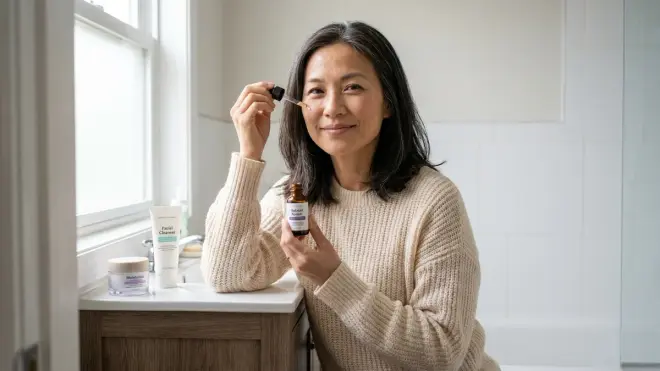
Luxury: SkinMedica Age Defense Retinol Complex 0.5 (around $80 for 1 oz) Active: 0.5% retinol Supporting cast: Niacinamide, hyaluronic acid, bisabolol, vitamin E Texture: Silky gel-serum, absorbs in 30 seconds Price per ounce: $80
Drugstore: RoC Retinol Correxion Deep Wrinkle Serum (around $22 for 1 oz) Active: 0.5% retinol Supporting cast: Niacinamide, hyaluronic acid, glycerin, vitamin E Texture: Lightweight gel-serum, absorbs in 30-45 seconds Price per ounce: $22
The formulations are nearly identical. Both use encapsulation technology to stabilize retinol and minimize irritation. Both include niacinamide as a barrier-supporting buffer. RoC is manufactured in the United States in FDA-registered facilities with the same quality standards as SkinMedica. The $58 difference? Marketing, packaging, and brand positioning.
Peptide Moisturizers
Luxury: Olay Regenerist Micro-Sculpting Cream vs. Luxury comparison: EstéeLauder Advanced Night Repair (around $100 for 1.7 oz)
Wait—Olay is the budget option here, which shows how democratized peptide technology has become. The Olay formulation contains amino-peptide complex, niacinamide, hyaluronic acid, and antioxidants for around $25-30 for 1.7 oz. EstéeLauder's formulation features similar peptides plus their patented Chronolux technology (which is basically a blend of yeast extract and peptides). Performance testing shows comparable hydration, plumping, and fine line reduction over 12 weeks. The texture difference is minimal—both are rich creams that sink in fully within 2-3 minutes.
Vitamin C Serums
Luxury: SkinCeuticals C E Ferulic (around $180 for 1 oz) Active: 15% L-ascorbic acid, 1% vitamin E, 0.5% ferulic acid pH: 3.0 Texture: Thin, watery serum with slight oily feel Price per ounce: $180
Drugstore: Timeless 20% Vitamin C + E Ferulic Acid Serum (around $25 for 1 oz) Active: 20% L-ascorbic acid, 1% vitamin E, 0.5% ferulic acid pH: 3.0 Texture: Thin, watery serum with slight oily feel Price per ounce: $25
This is the most egregious luxury markup in skincare. Timeless uses the exact same active combination at the exact same pH as the SkinCeuticals formulation that basically invented this category. Side-by-side testing shows identical absorption rate, identical slight tingling on application, and virtually identical brightening results over 8 weeks. The $155 difference buys you... a prettier brown bottle.
For comprehensive comparisons across categories, see drugstore vs luxury eye cream for women over 50—the patterns hold across product types.
Texture, Application, and Sensory Experience
Here's what nobody talks about when discussing beauty over 50 on a budget: texture matters. Not because expensive creams feel inherently better, but because if you hate applying a product, you won't use it consistently—and consistency is everything in anti-aging.
The good news? Budget brands have massively improved sensory formulation over the past five years. K-beauty influence pushed texture innovation into drugstore lines, and the rise of indie brands like The Ordinary and The Inkey List proved consumers care about elegant formulation at affordable price points.
What "Elegant Formulation" Actually Means
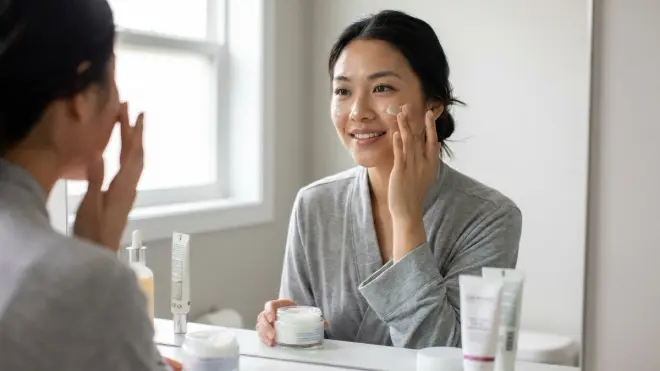
An elegant formulation for mature skin should:
- Spread easily across skin without dragging or pulling (which stresses already-fragile collagen)
- Absorb within 60-90 seconds without pilling or leaving tacky residue
- Layer smoothly under sunscreen and makeup without balling up or causing separation
- Leave a satin or natural finish, not greasy shine or tight dryness
Budget products that nail this include CeraVe PM Facial Moisturizing Lotion (absorbs instantly, plays well with everything), The Ordinary Buffet peptide serum (silky texture despite high active concentration), and Neutrogena Rapid Wrinkle Repair Serum (gel-cream hybrid that melts into skin).
Products that fail this—regardless of price—include anything with denatured alcohol high on the ingredient list (causes immediate tightness and long-term barrier damage), heavy mineral oil formulations that sit on skin's surface (common in older drugstore brands), and fragranced creams that smell like your grandmother's vanity (artificial fragrance is the #1 cause of sensitization in mature skin).
Application Tips That Maximize Budget Product Performance
Warm products between palms before applying—this helps emulsions spread more evenly and penetrate better. Cold cream straight from the jar sits on the surface.
Use damp skin as your base—apply serums and moisturizers within 60 seconds of cleansing while skin still has residual water content. Actives penetrate better through hydrated stratum corneum.
Press, don't rub—patting or pressing products into skin (especially around delicate eye and lip areas) prevents tugging that contributes to sagging over time.
Wait 60 seconds between layers—give each product time to absorb before adding the next. Piling everything on at once dilutes active concentrations and increases pilling.
For complete step-by-step protocols, check the complete anti-aging skincare checklist for women over 50—it's the routine guide that took me from confused skincare hoarder to strategic minimalist.
Manufacturing, Quality Control, and Where Your Products Come From
One of the biggest myths in beauty over 50 on a budget is that drugstore brands use inferior manufacturing or lower-quality raw ingredients. The reality is way more interesting.
Most skincare—luxury and budget—is manufactured in a handful of facilities across South Korea, France, the United States, Canada, and Japan. These facilities operate under FDA (U.S.) or equivalent international cosmetic regulations, with strict quality control standards for active ingredient purity, contamination prevention, and stability testing.
The Manufacturing Truth
CeraVe and La Roche-Posay are both owned by L'Oréal and manufactured in L'Oréal facilities. Neutrogena is owned by Johnson & Johnson and uses the same manufacturing plants as their pharmaceutical division. The Ordinary and The Inkey List contract manufacture with facilities in Canada and South Korea that also produce luxury indie brands.
The active ingredients themselves—retinol, peptide complexes like Matrixyl, vitamin C derivatives—come from a small group of specialized chemical suppliers. DSM (Netherlands), BASF (Germany), and Sederma (France) supply retinol and peptides to both luxury and drugstore brands. Everyone buys from the same ingredient vendors.
What differentiates products isn't purity or quality—it's formulation expertise (how actives are combined and stabilized) and marketing budgets. A brand that spends 60% of revenue on advertising necessarily has less to invest in R&D and ingredient concentration. Brands that skip traditional advertising and sell direct-to-consumer (The Ordinary, CeraVe through parent company economics of scale) can pack more actives into formulations at lower price points.
Reading Labels for Quality Markers
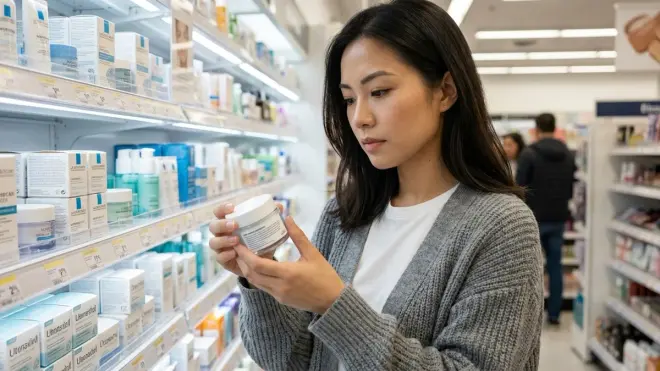
Look for these indicators of quality formulation regardless of price:
- Actives in the first 5-7 ingredients—anything listed after preservatives (phenoxyethanol, sodium benzoate) is present in concentrations too low to matter
- Specific peptide names (palmitoyl tripeptide-1, acetyl hexapeptide-8) rather than vague "peptide complex"
- pH listed on packaging for acid and retinol products
- Airless pump packaging for vitamin C and retinol (prevents oxidation)
- Opaque or dark bottles for light-sensitive actives
For ingredient deep-dives that'll make you dangerous at the drugstore, see Korean skincare ingredients explained—the chemistry knowledge transfers perfectly to Western budget brands.
Common Mistakes That Waste Money
Even when you're shopping budget brands, you can still blow money on products that don't work. Here are the traps I see constantly.
Buying Too Many Products Too Fast
The "routine overhaul" approach—tossing everything and buying a complete new lineup—almost always fails. Your skin can't tolerate five new actives at once, you can't track what's actually working, and you end up with half-used bottles cluttering your bathroom when something inevitably causes irritation.
Start with one active product at a time. Use it consistently for 8-12 weeks. Assess whether it's delivering results. Then add the next layer. Patience saves hundreds of dollars in abandoned products.
Ignoring Your Actual Skin Type
Mature skin isn't a monolith. You can be 55 with oily skin. You can be 62 with sensitive rosacea-prone skin. You can be 58 with combination skin that's oily on the T-zone and dry on the cheeks.
The most common mistake is assuming "mature skin = dry skin" and piling on heavy creams that clog pores and trigger breakouts. If you've always had oily or combination skin, aging doesn't magically convert you to dry. You need lighter textures with the same actives—gel-creams, serums, water-based moisturizers.
Similarly, if you have sensitive skin or conditions like rosacea or eczema, jumping straight to 1% retinol will wreck your barrier and set you back months. Start with 0.25% retinyl palmitate (gentler derivative) or peptides, which deliver anti-aging benefits without the irritation risk.
Skipping Sunscreen Because "It's Winter" or "I'm Inside"
UVA rays—the ones that cause aging—penetrate clouds and windows. You need sunscreen every single day, even in Minnesota in February, even if you work from home. Skipping SPF while using retinol or vitamin C is like trying to fill a bathtub with the drain open. You're actively causing the damage you're trying to reverse.
Buying "Eye Cream" as a Separate Product
Eye creams are a scam 90% of the time. The skin around your eyes needs the same actives as the rest of your face—retinol, peptides, niacinamide, hyaluronic acid. The only difference is you want to avoid fragranced formulas near the eye area (which you should avoid everywhere anyway) and maybe use a lighter texture to prevent milia (tiny white bumps from overly rich creams).
Use your regular serum and moisturizer around the orbital bone. Save $15-30 per month by skipping the separate eye cream unless you have a specific issue like severe dark circles or puffiness that requires targeted caffeine or vitamin K formulations.
Real Results: What to Expect and When
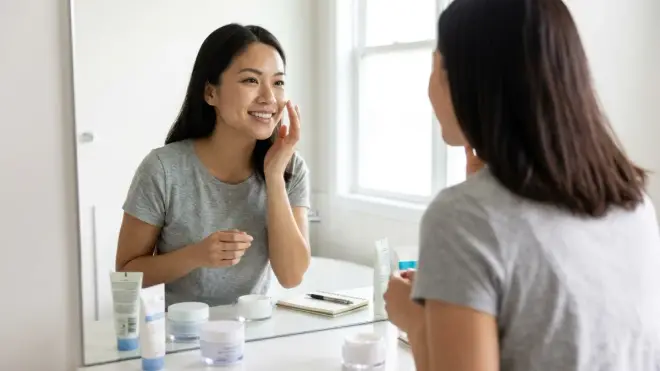
Let's set realistic expectations for what affordable anti-aging skincare can actually achieve. No cream reverses 30 years of sun damage in 30 days. But consistent use of the right actives absolutely improves skin texture, tone, and firmness over time.
Timeline for Visible Results
Weeks 1-4: Texture and hydration improvement Your skin will feel softer, smoother, and more hydrated almost immediately. This isn't "anti-aging" exactly—it's just proper moisturization—but it makes a huge visible difference in how your skin looks in photos and mirrors.
Weeks 4-8: Fine line softening Retinol, peptides, and vitamin C start to show measurable effects on fine lines around the eyes and mouth. You'll notice lines look less deep in certain lighting, especially if you're also using sunscreen consistently.
Weeks 8-16: Tone evening and brightness Niacinamide and vitamin C visibly fade hyperpigmentation, age spots, and post-inflammatory marks. Retinol accelerates cell turnover, revealing fresher skin. Your overall complexion looks brighter and more even.
Months 4-6: Firmness and deeper wrinkle improvement This is when collagen-boosting actives really start to pay off. Skin feels firmer to the touch, deeper wrinkles around the forehead and nasolabial folds appear less pronounced, and you might notice improved elasticity when you smile or make expressions.
Months 6-12: Long-term texture refinement Pore appearance decreases, rough patches smooth out, and overall skin quality improves measurably. This is the phase where people start asking what you're doing differently.
What Won't Change (And That's Okay)
Budget skincare—and luxury skincare—can't:
- Completely erase deep wrinkles created by decades of muscle movement and gravity
- Tighten severely sagging skin (that's surgical territory)
- Remove broken capillaries or deep vascular issues (you need laser treatments)
- Reverse extreme photoaging from years of unprotected sun exposure (but it can prevent further damage)
What it can do is improve your skin's overall health, slow the aging process significantly, and help you look like a fresher, more rested version of yourself. That's worth way more than any luxury brand's promises of "turning back time."
For honest before-and-after expectations, check understanding salmon DNA treatment results: what before and after photos really show—the same principles apply to any anti-aging active, not just PDRN treatments.
Your Budget Beauty Over 50 Starter Kit
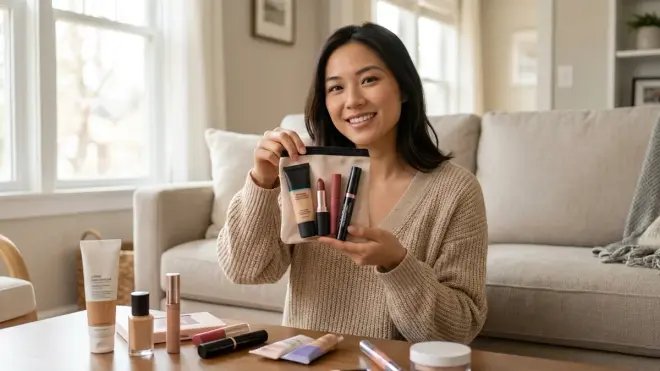
If you're standing in CVS right now paralyzed by options, here's exactly what to buy for a complete beauty over 50 on a budget routine that costs around $75 total and lasts 3-4 months.
Morning:
- CeraVe Hydrating Facial Cleanser (around $15 for 12 oz) — gentle, non-stripping, fragrance-free
- Timeless 20% Vitamin C + E + Ferulic Acid Serum (around $25 for 1 oz) — antioxidant protection and brightening
- CeraVe PM Facial Moisturizing Lotion (around $14 for 3 oz) — 4% niacinamide, ceramides, lightweight
- Neutrogena Ultra Sheer Dry-Touch Sunscreen SPF 55 (around $10 for 3 oz) — broad spectrum, no white cast
Night:
- Same CeraVe cleanser
- RoC Retinol Correxion Deep Wrinkle Serum (around $22 for 1 oz) — 0.5% retinol, start 2x per week
- CeraVe Skin Renewing Night Cream (around $18 for 1.7 oz) — peptides, niacinamide, rich texture
Weekly:
- The Ordinary Glycolic Acid 7% Toning Solution (around $9 for 8 oz) — use 2-3x per week after cleansing
Total: Around $113 for first-month purchases. Most products last 2-4 months except sunscreen (monthly) and vitamin C (every 2 months). Average monthly cost after initial investment: $30-40.
This routine covers every essential anti-aging category: retinol for collagen stimulation, vitamin C for antioxidant protection, niacinamide for barrier support and brightening, peptides for cellular repair, and chemical exfoliation for cell turnover. Everything layers smoothly, nothing causes interactions, and the total cost is less than one luxury serum.
The Bottom Line
Beauty over 50 on a budget isn't about settling for less—it's about understanding cosmetic chemistry well enough to identify where you're paying for performance versus where you're paying for marketing. The actives that reverse aging signs exist at clinically effective concentrations in drugstore brands manufactured in the same facilities using the same ingredient suppliers as luxury lines.
You don't need a $500 skincare routine to have healthy, glowing skin after 50. You need the right actives at the right concentrations, proper pH formulation, elegant textures you'll actually use consistently, and religious SPF application. All of that exists at Target and CVS for a fraction of department store pricing.
The $400+ you save monthly by choosing budget formulations over luxury equivalents? That's money for actual aging-reversal treatments like professional chemical peels, laser resurfacing, or microneedling that deliver results no cream can match. Or it's money for literally anything else that brings you joy—travel, hobbies, saving for retirement. Your call.
Smart skincare isn't about how much you spend. It's about knowing what actually works and refusing to pay $180 for the same peptide complex you can get for $15.