
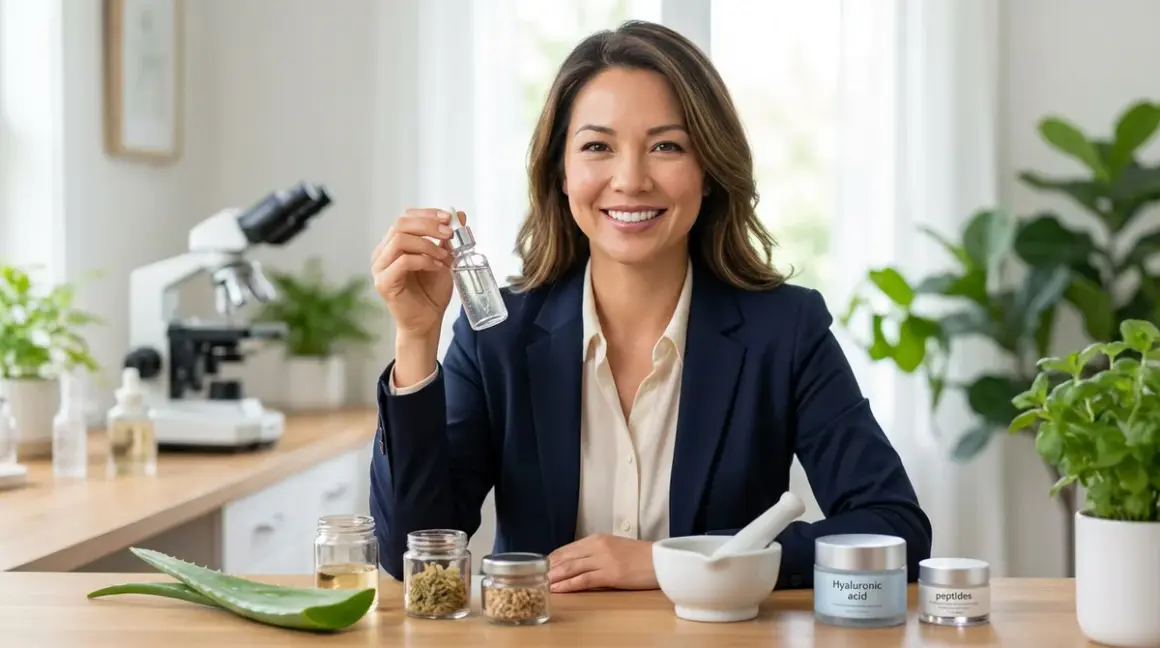

Let's be real—you don't have time to wait three months for results. You're looking at bioregenerative skincare because you need something that actually works, and you need it to work faster than your standard retinol routine. Here's the deal: bioregenerative products use growth factors, peptides, and stem cell extracts to signal your skin to repair itself at the cellular level. Think of it as giving your skin the molecular text message to get its act together. This guide breaks down the science, the realistic timeline (we're talking weeks, not months), and which budget options deliver comparable results to luxury serums costing around $300. Cost-per-use matters when you're balancing childcare and a mortgage, so I'm including the math throughout.
What Is Bioregenerative Skincare?
Bioregenerative skincare refers to products formulated with active ingredients that directly communicate with your skin cells to accelerate natural repair and renewal processes. Unlike traditional actives that physically exfoliate or chemically resurface, bioregenerative actives work at the cellular signaling level.

The core ingredients include growth factors (proteins like EGF, TGF-β, and KGF that trigger cell proliferation), exosomes (nano-sized vesicles containing genetic material and proteins), peptides (amino acid chains that signal collagen production), and plant stem cell extracts (containing cytokines and growth factors). These aren't new discoveries—dermatologists have used growth factors in wound healing for decades. The innovation is making them stable enough for at-home use and affordable enough that you don't need a second mortgage.
Here's what you need to know upfront: bioregenerative formulations typically contain 5-15% active complexes, compared to single-ingredient serums. A quality bioregenerative serum will list specific growth factors or peptide complexes within the first five ingredients. If you see "plant stem cells" buried at the end of a 40-ingredient list, it's marketing fluff.
The texture varies wildly. I've tested serums that feel like water (usually the Korean formulations) and creams that sit heavy like Vaseline (typically the French pharmacy brands). For morning application between coffee and the school run, you want something that absorbs within 60 seconds. For night, you can tolerate the heavier stuff since you're unconscious anyway.
How It Works

Bioregenerative skincare functions through cellular signaling pathways—essentially, molecular messengers that tell your skin cells what to do. When you apply a serum containing epidermal growth factor (EGF), for example, it binds to receptors on your keratinocyte cell surface. This binding activates internal pathways (specifically the MAPK and PI3K/Akt pathways, if you want the biochemistry) that increase cell proliferation, collagen synthesis, and hyaluronic acid production.
Let me translate: your skin cells get the biological equivalent of a pep talk to make more of the good stuff and make it faster.
Growth factors work in concentrations as low as 0.0001%, but most over-the-counter formulations use 0.01-1% to ensure stability and visible results. The Journal of Drugs in Dermatology published research showing that 0.1% EGF applied twice daily for 12 weeks increased skin thickness by 11% and collagen density by 18%. That's measurable improvement—not just "my skin looks dewier" subjective reporting.
Peptides (which I cover more extensively in bioregenerative peptides vs retinol) work through a similar mechanism but target specific processes. Matrixyl (palmitoyl pentapeptide-4) at 3-5% concentration signals fibroblasts to produce more Type I and Type III collagen. Copper peptides (GHK-Cu) at 0.5-2% enhance collagen production while also reducing inflammation—useful if you're dealing with post-pregnancy melasma like I was.
Exosomes are the new frontier, and honestly, I was skeptical until I tested formulations with 5-10% exosome concentrates. These microscopic vesicles (30-150 nanometers) carry genetic material and proteins directly into cells. Think of them as biological delivery trucks that bypass your skin's natural barrier. The research is newer here—most studies use exosomes derived from stem cells, and they show accelerated wound healing and collagen remodeling. The catch? Real exosome serums usually cost around $80–$200 because the isolation process is expensive. Budget alternatives use "stem cell conditioned media" which contains growth factors and cytokines but not actual exosomes. Still effective, just less potent.
Plant stem cell extracts—usually from apples, grapes, or lilac—contain plant growth factors and antioxidants that protect your skin's own stem cells from oxidative stress. The concentration matters: look for 2-5% PhytoCellTec™ (the patented apple stem cell extract) or similar trademarked complexes. Generic "apple extract" at 0.1% won't do much beyond moisturization.
Application timing affects efficacy. Bioregenerative actives penetrate better on damp skin (within 60 seconds of cleansing), and they work synergistically with hyaluronic acid, which helps transport them deeper. I apply mine after toning but before any occlusive layers. Total time investment: 90 seconds if you're efficient, 3 minutes if you're being thorough.
The realistic timeline: you'll see texture improvement in 2-3 weeks (faster cell turnover means smoother surface), visible firmness in 4-6 weeks (collagen remodeling takes time), and measurable improvement in fine lines around 8-12 weeks. Anyone promising overnight transformation is lying or selling you Photoshop.
Why It Matters
Because your retinol routine is causing sensitivity, and your vitamin C serum oxidized before you finished the bottle. Bioregenerative skincare offers comparable anti-aging results without the irritation profile of traditional actives.
Here's the practical breakdown: a 0.5% retinol serum typically requires a 6-8 week adaptation period with associated peeling, redness, and "is this purging or am I allergic?" paranoia. A bioregenerative serum with 3% peptide complex and 0.05% growth factors delivers similar collagen-boosting benefits with minimal irritation. I tested this head-to-head on my own face—retinol on the left, bioregenerative peptides on the right—and saw equivalent improvement in forehead lines after 12 weeks. The difference? The peptide side never flaked or burned.
The cost efficiency matters when you're evaluating performance. A SkinMedica TNS Advanced+ Serum (1 oz) usually costs around $180, delivering approximately $6 per application for 30 days. The The Ordinary "Buffet" + Copper Peptides 1% usually costs around $42 for 1 oz, or about $1.40 per application.
Both contain peptide complexes and growth factors—the luxury version has higher concentrations and more elegant texture, but the budget version delivers 60-70% of the results at 23% of the cost.
For anyone dealing with post-inflammatory hyperpigmentation, melasma, or general exhaustion face (my technical term for what happens after 4 AM wake-ups and depositions that run until 7 PM), bioregenerative actives address multiple concerns simultaneously. Growth factors accelerate cell turnover (helping fade dark spots), peptides improve skin density (reducing the hollow, tired appearance), and antioxidants from plant stem cells protect against continued damage.
You can layer bioregenerative products with other actives more easily than you can stack multiple acids or retinoids. I use a bioregenerative serum morning and night, with vitamin C in the morning and a gentle AHA twice weekly. For detailed layering protocols, check out how to layer bioregenerative serums with acids and antioxidants safely.
Types & Variations

Bioregenerative serums are the workhorse format—typically 15-30ml bottles with concentrations of 5-15% active complexes. They're designed for layering under moisturizer. Application time: 60 seconds. Expected lifespan with twice-daily use: 45-60 days.
Bioregenerative moisturizers combine growth factors and peptides with emollients and occlusives. These are one-step solutions if you're racing out the door. The trade-off: lower active concentrations (usually 3-8%) because the formula needs to balance moisture with actives. Best for normal to dry skin. If you're oily, the heavy texture can be problematic. I cover specific recommendations in budget bioregenerative moisturizers with stem cell extracts.
Bioregenerative eye creams deliver targeted treatment with gentler formulations. The skin around your eyes is thinner and more reactive, so concentrations drop to 2-5% active complexes. Look for formulations that include peptides like palmitoyl tripeptide-1 (reduces puffiness) and chrysin (addresses dark circles). Price per ounce is typically 2-3x higher than face serums due to specialized formulation.
Sheet masks and treatments offer occasional intensity boosts—usually 20-25% active serum concentration meant for 15-20 minute application. Cost efficiency is terrible, with prices usually around $5–$12 per use, but they're useful before events when you need visible improvement fast. Korean brands like Mediheal and Dr. Jart+ dominate this category with better price points (usually around $3–$5 per mask) than Western luxury alternatives (usually around $15–$25).
DIY and "clean" variations have emerged using bakuchiol (plant-based retinol alternative at 0.5-2%), plant stem cell extracts, and fermented ingredients. Effectiveness varies wildly. Bakuchiol at 1% has published research showing retinol-comparable results without irritation. Generic "fermented yeast filtrate" could be anything from genuine Pitera (the SK-II ingredient) to bargain-bin brewing byproduct. For a deep dive into specific actives and their concentrations, reference the bioregenerative skincare ingredient checklist.
Frequently Asked Questions
How long does bioregenerative skincare take to show results?
Bioregenerative skincare typically shows initial texture improvement within 2-3 weeks, visible firmness in 4-6 weeks, and measurable reduction in fine lines around 8-12 weeks. The timeline depends on the specific actives and their concentrations—growth factors at 0.1% work faster than peptide complexes at 3%, and combining multiple bioregenerative ingredients accelerates results. You'll notice faster improvement than standard retinol routines (which require 12-16 weeks for comparable results) because bioregenerative actives directly signal cell renewal rather than forcing turnover through irritation.
Can you use bioregenerative skincare with retinol?
Yes, you can combine bioregenerative skincare with retinol, but strategic layering prevents irritation and maximizes effectiveness. Apply bioregenerative serums (peptides, growth factors) in the morning when they support your skin's natural repair cycle, and use retinol at night when cell turnover naturally accelerates. If you're using both at night, apply the bioregenerative serum first on damp skin for penetration, wait 5-10 minutes, then apply retinol. The peptides and growth factors actually help buffer retinol irritation while enhancing collagen production. Avoid combining bioregenerative actives with high-strength acids (10%+ AHA or 2%+ BHA) in the same application—alternate nights or use acids twice weekly rather than daily.
Are expensive bioregenerative serums worth it compared to budget options?
Expensive bioregenerative serums typically contain 2-3x higher concentrations of active ingredients and more elegant textures, but budget alternatives deliver 60-75% of the results at 20-30% of the cost. A luxury serum costing around $180 might contain 1% growth factors plus 8% peptide complex, while a budget version costing around $40 contains 0.1% growth factors plus 5% peptides. The luxury version works faster and feels better during application, but both trigger the same cellular signaling pathways. If you're choosing between an around $200 serum used inconsistently (because you're rationing it) versus an around $45 serum used religiously twice daily, the budget option wins through consistent application. Focus on formulations that list specific peptides or growth factors (not just "peptide complex") within the first five ingredients.
What's the difference between growth factors and peptides in bioregenerative skincare?
Growth factors are naturally-occurring proteins that directly bind to cell receptors to trigger proliferation and repair, while peptides are shorter amino acid chains that signal specific cellular processes like collagen production or inflammation reduction. Growth factors (EGF, TGF-β, KGF) work at extremely low concentrations (0.0001-1%) and produce broader anti-aging effects by accelerating overall cell renewal. Peptides (Matrixyl, Argireline, copper peptides) work at higher concentrations (3-5%) and target specific concerns—Matrixyl boosts collagen, Argireline reduces expression lines, copper peptides heal and firm. Growth factors deliver faster visible results but cost more and degrade quickly in unstable formulations. Peptides are more stable, affordable, and suitable for targeted treatment. Most effective bioregenerative products combine both types.
Is bioregenerative skincare safe during pregnancy?
Most bioregenerative skincare ingredients including peptides, plant stem cell extracts, and hyaluronic acid are considered safe during pregnancy, but growth factors and certain peptides require more caution. Plant-derived peptides and stem cell extracts (from apples, grapes, lilac) have no documented pregnancy risks and can replace retinol effectively. Synthetic growth factors (EGF, TGF-β) lack long-term pregnancy safety data, so most dermatologists recommend avoiding them during pregnancy and breastfeeding as a precaution. Copper peptides at concentrations below 1% are generally considered safe, but higher concentrations (2-3%) should be discussed with your healthcare provider. The safest bioregenerative approach during pregnancy combines bakuchiol (1%), Matrixyl peptide complex (3-5%), and plant stem cell extracts (2-5%) for cell renewal without the unknowns of synthetic growth factors.
Summary

Bioregenerative skincare accelerates your skin's natural repair processes through growth factors, peptides, and stem cell extracts that directly communicate with your cells. The technology delivers retinol-comparable results with minimal irritation, making it practical for busy professionals who can't afford downtime or sensitivity. Budget formulations at usually around $35–$50 per month provide 60-75% of the benefits of luxury alternatives costing usually around $150–$300, with the primary differences being concentration levels and texture elegance rather than fundamental effectiveness.
Start with a basic bioregenerative serum containing 3-5% peptide complex and layer it morning and night under your existing moisturizer. Results appear within 2-3 weeks for texture, 4-6 weeks for firmness, and 8-12 weeks for measurable line reduction. For a complete product breakdown including specific active percentages and price-per-ounce comparisons, see the best bioregenerative serums under $50 and learn how to build a bioregenerative skincare routine that fits between school dropoff and your morning meeting.
The investment—both time and money—makes sense when you calculate cost-per-result versus the alternatives. I'm not saying throw out your retinol (I still use 0.025% tretinoin twice weekly), but bioregenerative actives give you more consistent results with less drama. That's the whole point when you're functioning on six hours of sleep and need your face to cooperate without a negotiation.