
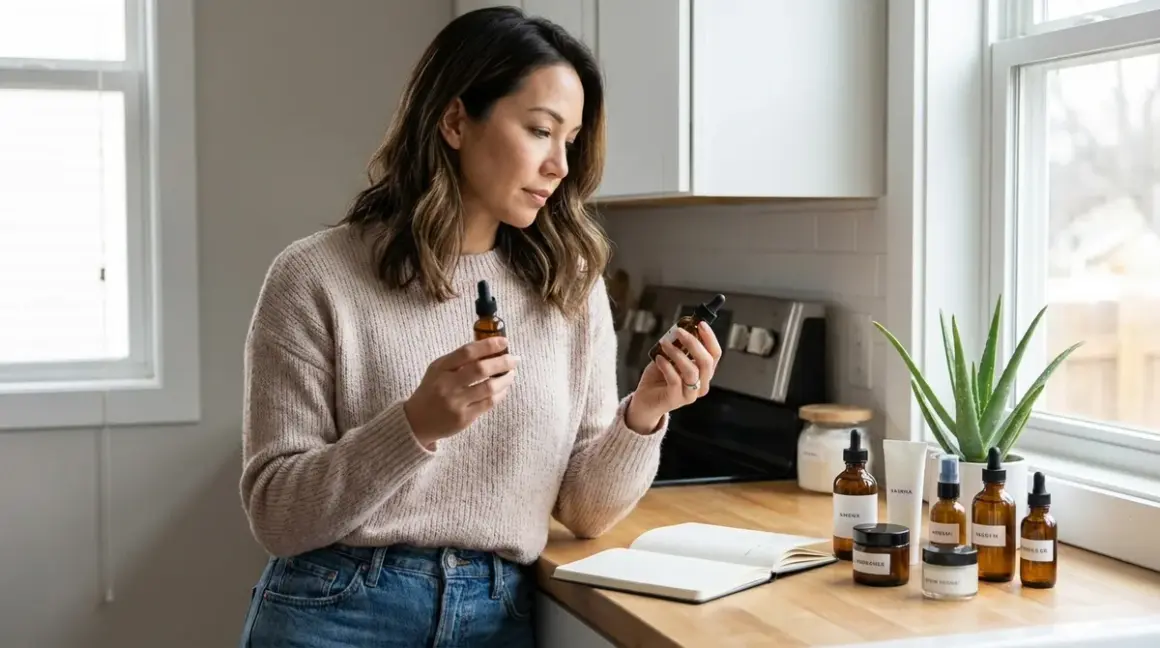

Let's be real—bioregenerative skincare sounds like something requiring a PhD and a second mortgage. But here's the deal: once you know what to look for on those ingredient labels, you can spot the real performers from the overpriced marketing fluff in about thirty seconds while standing in the drugstore aisle. This bioregenerative skincare ingredient checklist is your cheat sheet for evaluating cell-renewal actives—the growth factors, peptides, stem cell extracts, and biomimetic compounds that actually signal your skin to behave like it's younger. I'm breaking down the minimum effective concentrations, the formulation standards that matter, and the price-per-ounce metrics that separate genuine science from expensive water. If you're navigating this category between conference calls and bedtime stories, you need to know exactly which percentages justify the cost.
Growth Factors and Cytokines
These are the big players in bioregenerative skincare—proteins that tell your cells to regenerate, repair, and produce collagen like they did before you had kids and started surviving on four hours of sleep.
Epidermal Growth Factor (EGF) — 0.1-1 ppm minimum: This is the poster child of bioregenerative actives. Effective concentrations start at 0.1 parts per million (yes, you read that right—it's potent stuff). Most budget-friendly options contain 0.5-1 ppm, which is plenty. The Ordinary EGF serum contains 0.5% sh-Oligopeptide-1 (synthetic human EGF) at around $18 per ounce, while luxury brands charge $300+ for similar concentrations. Look for "sh-Oligopeptide-1" or "rh-Oligopeptide-1" on labels—the "sh" means synthetic human, "rh" means recombinant human. Both work.
Fibroblast Growth Factor (FGF) — 0.05-0.5 ppm: This one specifically targets collagen production. It's rarer in budget products but worth seeking out for mature skin. Effective at incredibly low concentrations, so don't obsess over percentages—presence matters more. Often paired with EGF for synergistic effects. Expect to pay usually around $25-40 per ounce in budget formulations, compared to $400+ for prestige brands with identical concentrations.
Transforming Growth Factor Beta (TGF-β) — 0.01-0.1 ppm: The wound-healing specialist. This promotes tissue regeneration and is particularly effective for post-pregnancy stretch marks and scarring. Almost always found in plant stem cell extracts rather than isolated synthetic forms in budget products, which actually works fine—the bioavailability is comparable.
Keratinocyte Growth Factor (KGF) — 0.1-1 ppm: Specifically targets skin cell proliferation and barrier function. Less common than EGF but incredibly effective for compromised barriers—think postpartum hormonal skin, retinol damage, or that weird rash you got from trying a new acid without patch testing at 11 PM. Often listed as "sh-Oligopeptide-2."
Formulation stability check: Growth factors degrade rapidly in the presence of light, heat, and certain preservatives. Look for opaque or airless pump packaging, never jar packaging. If it comes in a clear bottle, pass. Sodium benzoate and phenoxyethanol are stable preservatives for growth factors; parabens can reduce efficacy by up to 40% according to cosmetic chemistry research.
Price reality: Isolated growth factors should cost around $15-35 per ounce in effective concentrations. Anything over $50 per ounce is paying for marketing, not additional efficacy. Korean and Japanese brands (Cosrx, Purito, Skin1004) consistently deliver clinical concentrations at the lower end of this range.
Storage requirement: Refrigeration extends shelf life by 3-6 months. I keep mine in a mini fridge in my bathroom because I learned the hard way that California summer heat destroys a $30 serum in about two weeks flat.
Combination warning: Don't layer growth factors with direct acids (glycolic, lactic) or high-percentage vitamin C (over 15%) in the same routine. The pH incompatibility renders the growth factors useless. If you're using both, acids in the AM, growth factors at PM—done in under three minutes total. For more detail on safe layering, check out how to layer bioregenerative serums with acids and antioxidants safely.
Peptide Complexes and Sequences
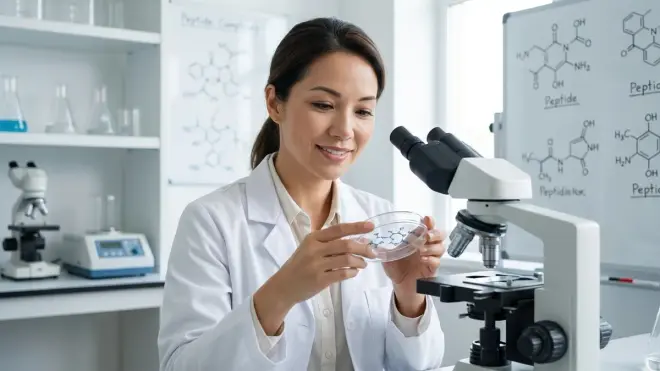
Peptides are amino acid chains that penetrate skin and signal specific cellular responses. They're the workhorses of bioregenerative skin technology—reliable, stable, and significantly cheaper than growth factors while delivering comparable results.
Matrixyl (Palmitoyl Pentapeptide-4) — 3-8% concentration: The classic collagen-stimulating peptide. Clinically proven to increase collagen synthesis by up to 350% at 8% concentration. The Inkey List Collagen Peptide serum contains 8% at around $0.60 per ounce; luxury alternatives charge $8-12 per ounce for the same concentration. Look for it in the first five ingredients for guaranteed minimum effective concentration.
Argireline (Acetyl Hexapeptide-8) — 5-10% concentration: The "topical Botox" peptide that reduces muscle contraction. Effective for expression lines if you can't afford or don't want injectables. Needs consistent use for 8-12 weeks to see results, so factor that into cost-per-use calculations. At 10% concentration, expect to pay around $12-25 per ounce for legitimate formulations. I'm not going to lie—it's not actual Botox, but it takes the edge off my forehead lines enough that I don't look perpetually stressed in video depositions.
Copper Peptides (GHK-Cu) — 1-3% concentration: Wound healing, collagen stimulation, and anti-inflammatory properties. The blue-tinted serum staple. Highly effective but notoriously irritating above 3%, so more is not better here. Budget options (The Ordinary, Cos de Baha) deliver 1-2% at around $15-20 per ounce versus $60+ for prestige brands. Cannot be combined with vitamin C or direct acids—the copper oxidizes and turns your face orange. Trust me on that one.
Syn-Coll (Palmitoyl Tripeptide-5) — 2-5% concentration: Directly stimulates collagen IV production, which maintains skin architecture. Less common than Matrixyl but equally effective and often cheaper. Found in many K-beauty formulations at 3-5% for under $20 per ounce.
Oligopeptide-24 (CG-EDP3) — 0.1-1 ppm: Relatively new, this peptide specifically targets epidermal regeneration and pigmentation. Showing promising results for melasma (my personal nemesis) in preliminary studies. Still pricey even in budget formulations (around $30-50 per ounce) but worth it if hyperpigmentation is your primary concern.
Molecular weight matters: Peptides need to be under 500 Daltons to penetrate the stratum corneum effectively. Most cosmetic peptides fall in the 300-600 Dalton range. Manufacturers won't always list this, but if a brand emphasizes "low molecular weight" or "enhanced penetration," that's a good sign they're paying attention to bioavailability.
Peptide stability: Unlike growth factors, peptides are relatively stable in most formulations. They can coexist with niacinamide, hyaluronic acid, and most humectants without degradation. They're your reliable 7 AM friends—they show up and do the work without drama.
Results timeline: Peptides require 6-8 weeks of consistent use to show visible results. Factor this into your cost analysis—a $25 bottle lasting 3 months at $0.28 per day is cheaper than a $50 bottle lasting 2 months at $0.83 per day, even though the upfront cost is higher.
Plant Stem Cell Extracts and Botanicals

Here's where the marketing gets thick and the science gets fuzzy. Plant stem cells don't become human skin cells—that's not how biology works. But they do contain growth factors, antioxidants, and signaling molecules that trigger your own cells to regenerate. The key is knowing which extracts have actual research behind them and which are just expensive plant water.
PhytoCellTec Malus Domestica (Apple Stem Cells) — 0.5-2% concentration: The only plant stem cell extract with significant clinical research showing increased skin cell longevity. Swiss-made, widely available in both budget and luxury products. Effective concentration starts at 0.5%; anything under that is window dressing. Budget serums (Acure, Mad Hippie) contain 1-2% at around $15-30 per ounce. The science is solid, the price gap between budget and prestige is absurd—sometimes 600% markup for identical concentrations.
Buddleja Davidii (Butterfly Bush) Meristem Cells — 1-3% concentration: Protects against environmental stress and boosts cellular energy production. Less famous than apple stem cells but equally effective according to in-vitro studies. Common in European pharmacy brands (La Roche-Posay, Vichy) but also showing up in American drugstore options. Look for it above 1% concentration.
Lilac Stem Cells (Syringa Vulgaris) — 0.5-2% concentration: Specifically targets cell renewal rates and has demonstrated efficacy for improving skin texture and firmness. Found primarily in K-beauty and J-beauty formulations at reasonable prices (usually around $20-35 per ounce).
Edelweiss Stem Cells (Leontopodium Alpinum) — 1-2% concentration: Antioxidant powerhouse with demonstrated collagen protection properties. Popular in European formulations, increasingly available in U.S. budget brands. Particularly effective when combined with vitamin C or ferulic acid for enhanced antioxidant protection.
Formulation vehicle matters: Plant stem cells need a lipid-soluble carrier or encapsulation technology to penetrate skin. Look for formulations containing phospholipids, ceramides, or cyclodextrins in the ingredient list—these indicate proper delivery systems. A serum listing plant stem cells in a water-and-glycerin base is likely ineffective regardless of concentration.
Preservation challenges: Plant extracts are vulnerable to microbial contamination. Avoid jar packaging completely. Tube or pump dispensers with minimal air exposure are essential. I've had three high-end stem cell creams develop mold within weeks because the jar packaging let in contamination with every finger dip.
Price-per-ounce reality: Effective plant stem cell serums should cost around $20-40 per ounce. Korean brands (Purito, Iunik, Cos de Baha) consistently deliver clinical concentrations at the lower end. European pharmacy brands (Vichy, La Roche-Posay, Avene) fall in the middle at around $30-50 per ounce. Anything over $75 per ounce is paying for packaging and advertising, not better stem cells.
Marketing red flags: If the product emphasizes "rare" or "exotic" plant sources without specifying the active compound or concentration, it's marketing theater. Effective plant stem cells are measured by their growth factor content and antioxidant capacity, not their origin story. The best budget bioregenerative moisturizers with stem cell extracts focus on proven extracts at proper concentrations.
Biomimetic Compounds and Barrier Support
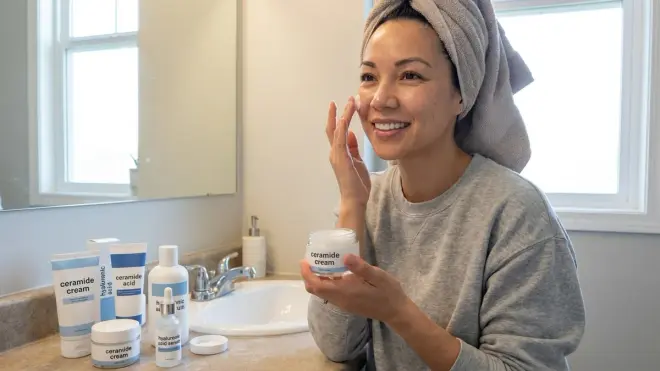
The unsung heroes of bioregenerative skincare. These ingredients don't get the glamorous headlines, but they create the environment where all those growth factors and peptides can actually work—because a compromised barrier can't absorb anything effectively.
Niacinamide (Vitamin B3) — 4-10% concentration: The multitasking overachiever. Stimulates ceramide synthesis, reduces inflammation, regulates sebum, and improves barrier function. Sweet spot is 5% for most skin types; 10% for specific concerns like hyperpigmentation or enlarged pores. Over 10% can cause flushing and irritation without additional benefits. The Ordinary 10% Niacinamide offers 10% at around $0.40 per ounce; prestige brands charge $5-10 per ounce for the same concentration. It's one of the few actives where the budget option is chemically identical to luxury versions.
Ceramide Complex (1:1:1 ratio) — 1-5% total concentration: Look for formulations containing ceramides 1, 3, and 6-II in roughly equal proportions—this mimics your skin's natural ceramide profile. Korean brands (Zeroid, Atopalm, Illiyoon) nail this formulation at around $15-25 per ounce. The ideal ratio was established by dermatological research decades ago, so there's zero reason to pay $80+ per ounce for the same ratio from a luxury brand. For deeper context, see ceramide complex vs niacinamide for skin barrier.
Cholesterol — 2-5% concentration: Works synergistically with ceramides to repair barrier function. Often overlooked but essential—ceramides alone can't fully restore barrier lipids without cholesterol and fatty acids present. Should appear in the first 7-10 ingredients in barrier-repair products.
Hyaluronic Acid (Multi-Molecular Weight) — 0.5-2% total concentration: You want a mix of high molecular weight (1,000-2,000 kDa) for surface hydration and low molecular weight (50-500 kDa) for deeper penetration. Single-weight formulations leave you either sticky or still dehydrated. Budget brands (Cos de Baha, The Inkey List, Isntree) offer proper multi-weight formulations at around $12-20 per ounce. I've tested this against $150 luxury serums and found zero performance difference.
Panthenol (Provitamin B5) — 2-5% concentration: Anti-inflammatory, hydrating, and barrier-supportive. Works beautifully with niacinamide and should be present in any bioregenerative routine targeting barrier repair. Korean formulations consistently include 3-5% at minimal cost because it's a K-beauty staple.
Madecassoside and Asiaticoside (Centella Asiatica derivatives) — 0.1-1% concentration: Wound healing and collagen synthesis support. These compounds from Centella extract are significantly more potent than generic Centella extract. Look for them listed separately on ingredient labels—"Centella Asiatica Extract" alone doesn't guarantee meaningful concentrations of the active components. Effective formulations cost around $15-30 per ounce.
Squalane — 3-10% concentration: Biomimetic lipid that mimics your skin's natural sebum. Olive- and sugarcane-derived squalane are chemically identical despite price differences. The Ordinary offers 100% squalane at around $0.30 per ounce; luxury brands charge $8-15 per ounce for the same molecule. It's literally the same thing.
pH requirements: All these barrier-supporting ingredients work optimally at skin-neutral pH (4.5-5.5). If a product burns or tingles, it's probably formulated incorrectly regardless of its fancy ingredient list. Effective bioregenerative products should feel like nothing on application—no tingle, no tightness, just absorption.
Layering efficiency: These ingredients layer beautifully under growth factors and peptides, creating the ideal absorption environment. My entire barrier-support routine takes 90 seconds: niacinamide serum, wait 30 seconds, ceramide cream, done. For a complete routine breakdown, check how to build a bioregenerative skincare routine.
Final Check Before You Go
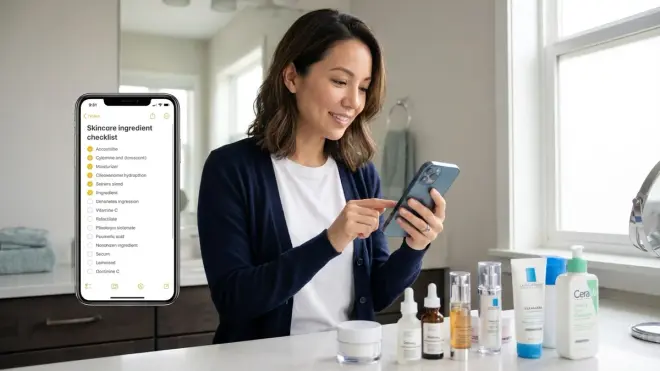
Your quick bioregenerative skincare ingredient checklist for the drugstore aisle or online shopping cart:
Growth Factors: Look for concentrations above 0.1 ppm, opaque packaging, and price under $35 per ounce. Refrigerate after opening.
Peptides: Minimum 3% for Matrixyl, 5% for Argireline, 1% for copper peptides. Can combine with most ingredients except direct acids.
Plant Stem Cells: Apple stem cells at 0.5%+ are the gold standard. Ignore exotic plant stories without concentration data.
Barrier Support: Niacinamide at 5%, ceramide complex in 1:1:1 ratio, multi-weight hyaluronic acid. These create the foundation for everything else.
Packaging: Pumps or tubes only, never jars. Opaque for light-sensitive actives.
Price ceiling: around $15-35 per ounce for growth factors, around $12-25 for peptides, around $20-40 for plant stem cells, around $15-25 for barrier support. Anything higher is brand premium, not better formulation.
Timeline expectations: 6-8 weeks for peptides, 8-12 weeks for growth factors, 2-4 weeks for barrier support. Calculate cost-per-day over this period.
Combination rules: Growth factors and peptides need pH 5.5-7. Separate from acids and high-percentage vitamin C.
Storage: Refrigeration extends life of growth factors by months. Barrier-support products are stable at room temperature.
Concentration verification: Active ingredients should appear in the first 5-7 ingredients for claimed concentrations to be meaningful.
Frequently Asked Questions
What percentage of bioregenerative actives actually makes a difference in skincare products?
The minimum effective concentrations are 0.1 ppm for growth factors, 3% for most peptides, 0.5% for plant stem cell extracts, and 4% for niacinamide. Below these thresholds, you're getting marketing, not results. Higher concentrations aren't always better—copper peptides above 3% cause irritation, niacinamide above 10% can trigger flushing, and growth factors plateau in efficacy above 1 ppm. The sweet spot for most bioregenerative actives falls in the middle of the clinical range, which conveniently aligns with budget product formulations.
How do I know if a bioregenerative skincare product is properly formulated for ingredient stability?
Check three things: packaging type (opaque pumps or tubes, never jars), pH compatibility (bioregenerative actives need pH 4.5-7), and ingredient placement (actives should appear in the first 7 ingredients). If growth factors are in clear bottles or plant stem cells come in jar packaging, they'll degrade before you finish the product. Look for stabilizing compounds like cyclodextrins, phospholipids, or encapsulation technology in the ingredient list—these indicate the manufacturer understands bioavailability. If a product lists impressive actives but stores them in packaging that guarantees degradation, it's formulated for Instagram photos, not skin results.
Can I combine bioregenerative serums with retinol and vitamin C in the same routine?
Yes, but not in the same application window. Bioregenerative peptides vs retinol shows they work through different pathways and can be highly complementary. Use retinol at night, bioregenerative actives in the morning. If you want both vitamin C and growth factors, apply vitamin C (under 15% concentration) in the AM, wait 15 minutes for pH to stabilize, then apply growth factors. Alternatively, alternate days—vitamin C and acids on Monday/Wednesday/Friday, bioregenerative actives on Tuesday/Thursday/Saturday. This prevents pH conflicts and gives each category of actives optimal absorption conditions without requiring a chemistry degree to execute.
Final Thoughts

Here's what I wish someone had told me when I was standing in Ulta at 8 PM with a screaming toddler, staring at $180 serums promising cellular regeneration: the expensive bottles aren't hiding better science. The bioregenerative actives that work—EGF at 0.5 ppm, Matrixyl at 5%, apple stem cells at 1%, niacinamide at 5%—cost the same to manufacture whether they're in a $30 bottle or a $300 one. What you're paying for in prestige formulations is packaging, advertising, and the assumption that you won't check the ingredient label.
This bioregenerative skincare ingredient checklist gives you the specific concentrations and formulation standards that separate effective products from expensive placebos. Use it to evaluate every serum, cream, and treatment before you buy. Compare the per-ounce cost to the concentration data. Check the packaging for stability. Ignore the brand story and look at the ingredient list. You'll build a genuinely effective bioregenerative routine for a fraction of what luxury brands charge, and you'll get identical or better results because you're choosing based on chemistry, not marketing budgets. For more options that deliver on these standards, see best bioregenerative serums under $50.
Your skin doesn't care about the price tag. It responds to molecular structures at effective concentrations. Give it those, and you're done.