
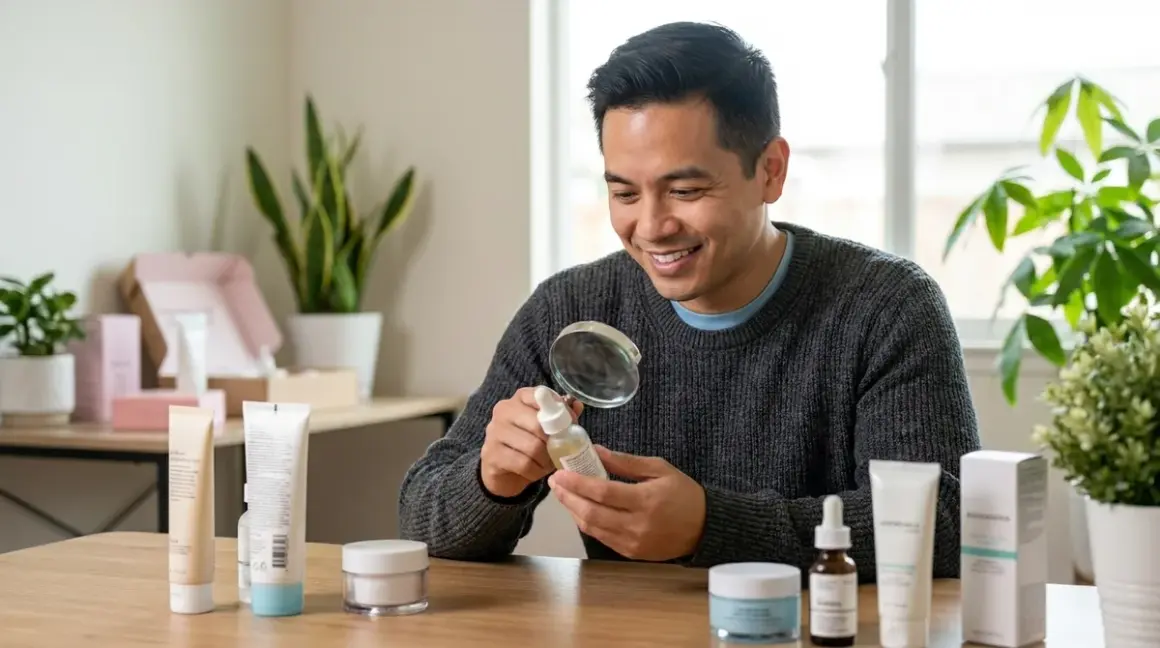

The label lies quietly beneath fluorescent drugstore light. You scan the text—sodium hyaluronate, niacinamide, retinyl palmitate—and wonder if these molecules will behave like their expensive counterparts or dissolve into cosmetic theater. Learning how to spot quality ingredients in cheap beauty products transforms shopping from guesswork into informed curation. The difference between a $12 serum and a $120 one often isn't the actives themselves—it's concentration, molecular engineering, and formulation support cast.
You'll master label literacy here: decoding INCI lists, calculating cost-per-milligram of actives, identifying stabilization systems that keep fragile compounds viable, and recognizing manufacturing markers that signal genuine performance. This skill takes approximately 30 minutes to learn and a lifetime to refine. You don't need a chemistry degree—just methodical attention and the willingness to look past marketing.
What You'll Need
Knowledge prerequisites:
- Basic understanding of skincare categories (moisturizer, serum, treatment)
- Familiarity with your primary skin concerns (hydration, barrier repair, hyperpigmentation)
- Access to product labels or online ingredient lists
Tools and resources:
- Smartphone camera (to photograph ingredient lists in stores)
- Calculator app (for price-per-ounce and active concentration math)
- Access to ingredient databases like Cosmetics Info or EWG's Skin Deep
- Notepad or notes app for tracking formulations
Optional but helpful:
- Kitchen scale that measures grams (for calculating product density)
- pH test strips (4.5-7.0 range, available at aquarium supply stores)
- Understanding of your skin's pH baseline
Step 1: Master INCI List Reading Order and Concentration Thresholds
The International Nomenclature of Cosmetic Ingredients (INCI) list isn't arbitrary poetry—it's regulated disclosure. Ingredients appear in descending order by weight concentration down to 1%. Below that threshold, manufacturers can list components in any order, creating a gray zone where brands bury actives or highlight them deceptively.
When you're learning how to spot quality ingredients in cheap beauty products, position matters profoundly. A budget serum listing niacinamide as the third ingredient (after water and glycerin) likely contains 4-10% niacinamide—clinically effective concentration supported by dermatological research. The same active appearing after the 1% line (typically after preservatives like phenoxyethanol) delivers minimal therapeutic benefit, existing primarily for label appeal.
Watch for the 1% marker ingredients: phenoxyethanol, benzyl alcohol, sodium benzoate, potassium sorbate, fragrance, and essential oils typically sit at or below 1% concentration. Anything listed after these is present in trace amounts. A $15 "retinol serum" placing retinol after fragrance contains perhaps 0.01-0.05%—cosmetically insignificant.
Calculate the active load. If a 30ml serum contains 5% niacinamide, you're getting 1.5g of active ingredient. Compare that to a luxury brand's 15ml at 10% concentration (also 1.5g active) priced at four times more. The molecular experience may be identical.
Pro markers of quality despite price:
- Actives appear in the first seven ingredients
- Multiple forms of the same ingredient (hyaluronic acid as both sodium hyaluronate and hydrolyzed hyaluronic acid) suggest meaningful concentration
- Formulation includes stabilizers specific to fragile actives (tocopherol with retinol, ferulic acid with L-ascorbic acid)
- Absence of fragrance and dyes after actives—formulator prioritized function over sensory manipulation
The texture whispers truth that marketing obscures. A genuinely concentrated vitamin C serum feels slightly tacky, never watery. Budget brands mimicking luxury often add slip agents (dimethicone, cyclomethicone) to simulate silky application without delivering active penetration.
Step 2: Decode Active Ingredient Forms and Bioavailability
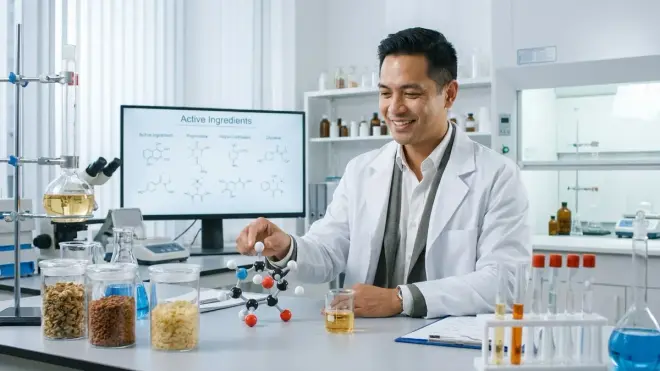
Not all retinols are created equal. Not all hyaluronic acids penetrate. The molecular form of an active determines whether it's a luxury-equivalent powerhouse or cosmetic decoration. Budget brands sometimes list impressive actives in cheap, unstable, or non-bioavailable forms—technically honest labeling, functionally useless product.
Retinoid hierarchy from most to least effective: tretinoin (prescription) → retinaldehyde → retinol → retinyl retinoate → retinyl palmitate → retinyl acetate. A $10 "retinol" cream using retinyl palmitate requires enzymatic conversion three steps removed from retinoic acid—the form your skin actually uses. Conversion efficiency hovers around 20%. Compare this to a CeraVe Skin Renewing Retinol Serum, which uses encapsulated pure retinol at an estimated 0.1-0.3% concentration with ceramide support for barrier protection during adaptation.
Vitamin C variations:
- L-ascorbic acid (LAA): Gold standard, pH 2.0-3.5, water-soluble, highly unstable. Effective at 10-20%. Look for opaque packaging and supporting antioxidants (vitamin E, ferulic acid). Inexpensive to formulate but difficult to stabilize—budget brands often fail here, resulting in oxidized (yellowed) product within weeks.
- Sodium ascorbyl phosphate (SAP): Water-soluble, pH 6-7, stable, converts to LAA enzymatically. Requires 3-5x higher concentration than LAA for comparable results. Budget-friendly and functional.
- Ascorbyl glucoside: Stable, gentle, requires enzymatic conversion. Works slowly but suits sensitive skin.
- Tetrahexyldecyl ascorbate: Oil-soluble, stable, expensive. Rare in budget formulations—if you see this in a cheap product, scrutinize concentration (should appear within first 7 ingredients).
Hyaluronic acid molecular weight matters enormously. High molecular weight (1,000-2,000 kDa) sits on skin's surface, providing temporary plumping. Low molecular weight (below 50 kDa) and hydrolyzed hyaluronic acid penetrate the stratum corneum, delivering genuine hydration. Quality budget products list multiple molecular weights—"sodium hyaluronate, hydrolyzed sodium hyaluronate"—across the INCI list, suggesting a multi-weight complex engineered for layered hydration.
When you're determining how to spot quality ingredients in cheap beauty products, investigate peptide specificity. "Peptides" is meaningless. Palmitoyl tripeptide-1, palmitoyl tetrapeptide-7, acetyl hexapeptide-8, copper tripeptide-1—these are distinct molecules with different mechanisms. Budget brands listing generic "peptides" without specificity likely use trace amounts of the cheapest options (often dipeptides with minimal research support). Quality formulations specify which peptides and list them above the 1% line.
Niacinamide's optimal concentration range is 2-10%. Below 2%, you're getting moisturization without barrier repair, sebum regulation, or hyperpigmentation benefits. Above 10% risks irritation without additional benefit—but also costs more to formulate. A well-positioned budget brand hits 5% niacinamide, balancing efficacy and economics. Cross-reference with clinical research published in journals like the British Journal of Dermatology, which consistently demonstrates results at 5% concentration.
Step 3: Identify Formulation Support Systems and Penetration Enhancers
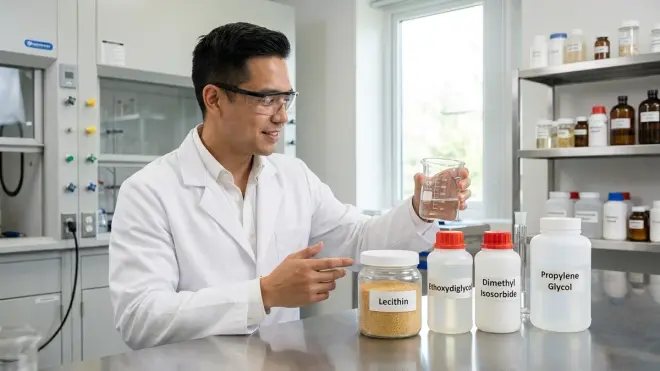
An active ingredient floats uselessly without delivery architecture. The formulation matrix—the supporting cast of emulsifiers, humectants, occlusives, and penetration enhancers—determines whether a molecule reaches target depth or evaporates on contact.
Ceramide complexes should mimic skin's natural ratios: ceramides, cholesterol, and fatty acids in a 3:1:1 or 1:1:1 ratio. Cheap moisturizers listing a single ceramide type (ceramide 3 or ceramide NP) without cholesterol and fatty acids deliver incomplete barrier repair. Compare this to The Ordinary's Natural Moisturizing Factors, which includes multiple ceramides, cholesterol, amino acids, and fatty acids—comprehensive barrier support for under $8 per ounce. The formulation approach rivals CeraVe Moisturizing Cream, which established the ceramide-dominant blueprint.
Penetration enhancers signal serious formulation science:
- Propanediol: Derived from corn, facilitates active penetration, humectant properties, replaces propylene glycol. Presence suggests modern formulation standards.
- Caprylic/capric triglyceride: Lightweight emollient that enhances lipophilic active delivery (retinol, fat-soluble vitamins).
- Dimethyl isosorbide: Powerful penetration enhancer for water-soluble actives. Expensive—rare in budget products but worth seeking.
- Ethoxydiglycol: Solvent and penetration enhancer for challenging actives. Common in budget formulations because it's cost-effective.
Stabilization systems protect fragile actives. Vitamin C degrades rapidly via oxidation, metal ion exposure, and light. Quality budget formulations include:
- Chelating agents (disodium EDTA, sodium phytate) to bind destabilizing metal ions
- Antioxidant support (vitamin E/tocopherol, ferulic acid) to slow oxidation
- pH buffers (sodium citrate, citric acid) to maintain optimal pH ranges
- Opaque or amber packaging to block UV degradation
When you master how to spot quality ingredients in cheap beauty products, examine the emulsion system. Lecithin, ceramides, and phospholipids create lamellar structures that mimic skin's natural organization, enhancing delivery and compatibility. Cheap silicone-heavy formulations (dimethicone as the third ingredient) prioritize sensory payoff over penetration—the product feels luxurious but sits on the surface.
Solubility matching: Water-soluble actives (niacinamide, hyaluronic acid, peptides) need water-based or gel vehicles. Oil-soluble actives (retinol, vitamin E, ceramides) require lipid carriers. A budget serum trying to deliver retinol in a watery gel base lacks appropriate vehicle—the active likely sits suspended, unstable and unavailable.
Fermented ingredients like galactomyces ferment filtrate, bifida ferment lysate, or lactobacillus ferment indicate advanced formulation borrowed from K-beauty innovation. Fermentation breaks molecules into smaller components with enhanced penetration. These aren't expensive to source—manufacturers in Korea and Japan produce them at scale—but their presence signals formulation sophistication. For deeper exploration of these compounds, see Korean Skincare Ingredients Explained: Centella, Propolis, Ginseng & Ferments Breakdown.
Step 4: Calculate Cost-Per-Active and Price-Per-Ounce Metrics

Luxury isn't always waste. Sometimes you're paying for genuine concentration and research-backed formulation. Other times you're funding celebrity endorsements and boutique packaging. Mathematical transparency reveals the difference.
Cost-per-active calculation:
- Identify active ingredient concentration (from label or manufacturer disclosure)
- Calculate total active weight: [Product volume in mL] × [concentration as decimal] = active grams
- Divide product price by active grams = cost per gram of active
Example: A 30mL budget serum with 5% niacinamide costs around $12.
- 30mL × 0.05 = 1.5g niacinamide
- $12 ÷ 1.5g = $8 per gram of niacinamide
Luxury comparison: A 15mL prestige serum with 10% niacinamide costs around $65.
- 15mL × 0.10 = 1.5g niacinamide
- $65 ÷ 1.5g = $43 per gram of niacinamide
Identical active payload. The luxury version costs 5.4 times more per gram of functional ingredient. Unless the prestige formulation includes proprietary penetration systems or clinical-grade supporting actives, you're paying for brand equity.
Price-per-ounce baseline analysis exposes false economy. A $6 drugstore moisturizer in a 1.7oz jar costs $3.53 per ounce. A $35 Korean cream in a 3.38oz jar costs $10.36 per ounce—but examination reveals the K-beauty formula includes ceramides, peptides, and adenosine at therapeutic concentrations, while the drugstore version offers basic emollients and fragrance. The luxury price delivers 3-4x the active load. Sometimes spending more per ounce nets better cost-per-active.
Red flags that inflate price without value:
- Proprietary blend names ("Youth Renewal Complex," "Marine Miracle Biotechnology") without INCI disclosure—you're paying for poetry, not chemistry
- Essential oils and botanical extracts dominating the formula above actives—aromatic theater masking weak active concentration
- Jar packaging for light- and air-sensitive actives (vitamin C, retinol)—formulation already degrading before purchase
- "Clinical results" without published methodology, sample size, or third-party verification
Green flags that signal value:
- Airless pump or opaque tube packaging for oxidation-prone actives
- Manufacturer lists active percentages on website or customer service confirms concentrations
- Generic or minimal branding with focus on formulation details
- Manufacturing origin in South Korea, Japan, France, or Germany where cosmetic regulations enforce quality standards
Some budget European pharmacy brands (La Roche-Posay, Bioderma, Avène) price comparably to American drugstore products but formulate to stricter EU cosmetic regulations. Their active concentrations and stability systems often match or exceed prestige American brands. Geography matters—a €15 French pharmacy serum imported to the US becomes a $22 "affordable luxury" that still outperforms $65 department store alternatives.
For broader context on how active concentration impacts results across price points, reference Understanding Active Ingredient Concentrations: Why Percentage Matters More Than Price.
Step 5: Recognize Manufacturing Quality Markers and Supply Chain Transparency
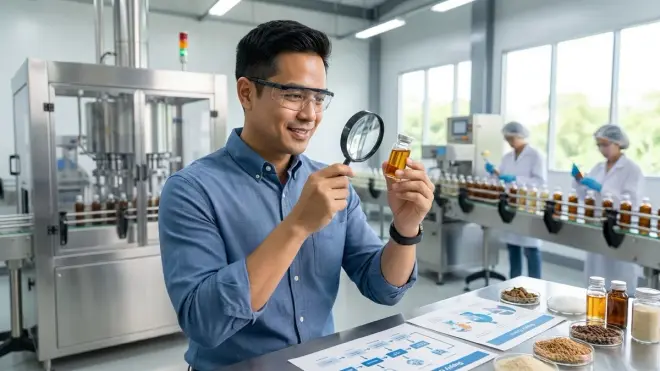
Where a product is made often predicts formulation quality as reliably as ingredient lists. Cosmetic manufacturing isn't uniform—regulatory frameworks, quality control standards, and ingredient sourcing vary dramatically by region.
South Korean manufacturing has become synonymous with advanced formulation at accessible price points. Korean cosmetic manufacturers often produce for both domestic brands and Western prestige labels, resulting in shared supply chains. A $18 Korean essence and a $150 luxury serum may emerge from the same factory with only minor formulation tweaks and packaging differences. Look for "Made in Korea" on budget products—it's a reliability signal.
Japanese manufacturing prioritizes minimalism and stability. Japanese sunscreen technology remains globally unmatched—Biore UV Aqua Rich Watery Essence delivers broad-spectrum SPF 50+ PA++++ protection in an elegant, lightweight vehicle for around $12 per 50mL bottle. Western equivalents with comparable cosmetic elegance cost $30-$45. The formulation sophistication reflects decades of UV filter innovation unavailable in FDA-regulated US products. For extensive analysis of these formulations, see Top 12 Korean Sunscreens Under $20: SPF Filters, Texture & White Cast Analysis.
European Union cosmetic regulations ban over 1,400 ingredients, compared to the FDA's ban of approximately 11. EU-manufactured products undergo more stringent safety and efficacy screening. French pharmacy brands like La Roche-Posay and Avène sell thermal spring water-based formulations with minimal ingredient lists and high active concentrations—true "less is more" formulation philosophy.
Chinese manufacturing has evolved dramatically. GMP-certified facilities (Good Manufacturing Practices) in China now produce for major Western brands. The stigma persists, but the reality has transformed. Look for specific GMP certification or third-party auditing disclosure. A budget Chinese brand listing its facility's ISO 22716 certification demonstrates quality control comparable to European standards.
US manufacturing varies wildly. Drugstore giants like CeraVe and Cetaphil maintain rigorous standards with dermatologist development partnerships. Smaller indie brands may use contract manufacturers—third-party facilities that produce formulations for multiple brands. Quality depends entirely on which manufacturer they've contracted. Research the brand's transparency: do they list their manufacturing partner? Do they provide batch testing results? Opacity often hides corners cut.
Third-party testing and certifications to seek:
- Leaping Bunny or PETA Cruelty-Free certification (verifies no animal testing throughout supply chain)
- EWG Verified™ (ingredients screened against Environmental Working Group's standards)
- Made Safe® certification (third-party verification of non-toxic ingredients)
- COSMOS/Ecocert organic certification (for natural/organic formulations meeting European standards)
Supply chain transparency questions:
- Does the brand disclose raw ingredient suppliers?
- Can you trace the origin of key botanical extracts?
- Does the brand publish stability testing data or expiration methodology?
- Are batch numbers printed for traceability?
Cheap products from transparent brands outperform expensive products from opaque ones. The Ordinary built an empire on radical transparency—listing exact active percentages, explaining formulation choices, disclosing limitations and incompatibilities. Their $6.70 Niacinamide 10% + Zinc 1% serum contains precisely what it claims, manufactured in Canada with disclosed supply chain standards. Prestige brands often refuse to confirm active percentages even under direct inquiry.
Step 6: Test Sensory Markers That Indicate Formula Integrity
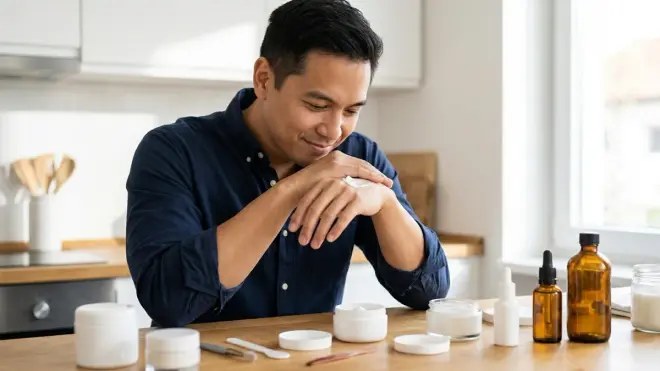
Texture, scent, and absorption behavior reveal formulation quality before you even check efficacy. Your sensory experience provides real-time formulation feedback if you know how to spot quality ingredients in cheap beauty products through tactile and olfactory analysis.
Texture consistency: Squeeze the same product from the same bottle at room temperature over multiple days. Quality formulations maintain consistent viscosity, color, and behavior. Cheap emulsions separate, change texture with temperature fluctuations, or develop watery layers. An unstable emulsion suggests inadequate preservative systems or improper emulsifier ratios—the actives within are likely degrading similarly.
Scent profile evolution: Open a fresh product and note its scent. Return to it monthly. Oxidation smells rancid—a fatty, crayon-like odor indicating lipid degradation. Vitamin C formulations turning yellow or brown have oxidized—the L-ascorbic acid has become dehydroascorbic acid with reduced efficacy. Quality budget brands use airless pumps and antioxidant systems to slow this inevitable decay.
Fragrance absence as quality signal: Fragrance and essential oils serve one purpose—making products sensorially appealing. They add nothing therapeutic and frequently trigger sensitization. When budget brands skip fragrance despite market pressure for "luxurious" scent, they're prioritizing formulation integrity over sales psychology. Fragrance costs money, adds potential irritation, and can destabilize pH-sensitive actives. Its absence saves budget that can instead fund active concentration.
Absorption behavior pattern:
- Watery serums that disappear instantly: Likely high in alcohol or lacking humectant/occlusive support. The initial feel is refreshing but moisture evaporates rapidly. Cheap hydration theater.
- Tacky, slightly sticky serums: Signal genuine humectant concentration (glycerin, hyaluronic acid, panthenol). The tackiness disappears under moisturizer but indicates water-binding molecules present in therapeutic amounts.
- Silicone-heavy velvety slip: Feels luxurious, applies beautifully, but check if actives precede dimethicone. If silicones dominate the first half of the INCI list, you're getting sensory satisfaction with minimal treatment.
- Slight pilling under subsequent layers: Not necessarily a flaw—high-molecular-weight polymers (hyaluronic acid, carbomers) sometimes pill when combined with silicones or certain emollients. Adjust application timing or layer order.
pH testing for acid treatments: Purchase pH test strips (4.0-7.0 range) from aquarium supply stores for around $6. Effective L-ascorbic acid requires pH 2.0-3.5. BHAs (salicylic acid) work optimally at pH 3.0-4.0. AHAs (glycolic, lactic acid) perform best at pH 3.5-4.0. Test your budget acids. If the pH is above 5.0, the product is ineffective regardless of ingredient claims—the active exists in wrong ionization state to penetrate.
Color stability: Vitamin C serums should remain clear to very pale yellow. Dark yellow or amber indicates oxidation. Retinol products shouldn't darken significantly. Niacinamide formulations remain white or clear indefinitely. Color change means chemical change—the molecules you purchased have transformed into different, less effective compounds.
The sensory language of efficacy takes time to learn. After testing dozens of budget serums, you'll distinguish between formulations engineered for performance versus those designed to feel expensive. The former may feel austere—unscented, minimal slip, slightly tacky. The latter seduce your senses while delivering minimal actives. Train yourself to appreciate functional texture over cosmetic elegance, and suddenly 70% of "luxury" products reveal themselves as sensory manipulation priced at $90 per ounce.
Step 7: Cross-Reference Clinical Research and Evidence-Based Concentration Standards

Cosmetic marketing promises miracles. Clinical research documents incremental, measurable improvement under controlled conditions. When you're learning how to spot quality ingredients in cheap beauty products, evidence-based concentration standards separate real formulations from cosmetic fairy tales.
Niacinamide clinical threshold: Research published in the Journal of Cosmetic Dermatology and British Journal of Dermatology consistently demonstrates barrier improvement, hyperpigmentation reduction, and sebum regulation at 2-5% concentration. Studies using 10% show similar results with slightly higher irritation risk. Any product claiming niacinamide benefits with the ingredient appearing after the 1% line is statistically unlikely to deliver.
Retinol effectiveness concentrations:
- 0.01-0.03%: Minimal irritation, minimal benefit—"retinol training wheels" suitable for extremely sensitive skin
- 0.1-0.3%: Clinical efficacy begins—visible improvement in fine lines, texture, and tone after 12-16 weeks consistent use
- 0.5-1.0%: Prescription-strength results with more irritation risk—comparable to low-dose tretinoin
- Above 1.0%: Rarely necessary or beneficial—increases irritation without proportional efficacy increase
Budget products rarely disclose retinol percentages. Use positioning as proxy—if retinol appears in the first 7 ingredients and the product causes mild irritation during acclimation, it likely contains 0.1% or higher. For deeper understanding of how to incorporate these actives safely, see How to Build a Bioregenerative Skincare Routine for Maximum Cell Turnover.
Peptide complexity: Research on palmitoyl pentapeptide-4 (Matrixyl) shows improvement in wrinkle depth at 3-8% concentration. Acetyl hexapeptide-8 (Argireline) demonstrates measurable muscle relaxation effects at 5-10% concentration. Most budget serums listing peptides contain 0.01-0.5%—not clinically meaningless, but substantially weaker than study concentrations. The peptide's molecular weight determines penetration capability—smaller peptides (dipeptides, tripeptides) penetrate more readily than larger ones.
Hyaluronic acid weight-specific research:
- High molecular weight (1,000-2,000 kDa): Surface hydration, film formation, temporary plumping
- Medium molecular weight (50-1,000 kDa): Penetrates upper epidermis, sustained hydration
- Low molecular weight (<50 kDa): Reaches deeper epidermal layers, some studies suggest inflammatory response in sensitive skin
- Hydrolyzed (<10 kDa fragments): Maximum penetration, potential for deep hydration or irritation depending on skin sensitivity
Quality formulations include molecular weight spectrum—high, medium, and low combined for surface and depth hydration. Budget products listing only "hyaluronic acid" or "sodium hyaluronate" without specification likely use high molecular weight (cheapest option).
Vitamin C (L-ascorbic acid) gold standard: Clinical photoprotection and collagen synthesis stimulation occur at 10-20% concentration in pH 2.0-3.5 solution. The formulation is inherently unstable—even well-formulated products oxidize within 3-6 months after opening. Budget vitamin C products attempting stability through derivative forms (sodium ascorbyl phosphate, magnesium ascorbyl phosphate) require 3-5x higher concentration for comparable results—acceptable trade-off for stability and gentleness.
Sunscreen filter concentration minimums:
- Zinc oxide: 10-25% for broad-spectrum protection
- Titanium dioxide: 5-10% for UVB protection, less UVA coverage
- Avobenzone: 3% maximum (US FDA limit), unstable without stabilizers
- Octinoxate: 7.5% maximum, requires combination with UVA filters
- Modern Japanese/Korean filters (Uvinul A Plus, Tinosorb S, Uvinal T 150): Superior protection at lower concentrations but unavailable in FDA-regulated US products
US drugstore sunscreens are legally limited to approved filters and concentrations—innovation effectively frozen since the 1990s. Asian-manufactured sunscreens access next-generation filters with better UVA protection, lighter texture, and minimal white cast. A Korean sunscreen at around $15 often outperforms an American $40 "luxury" formula because the underlying filter technology is superior.
Red flag concentration claims:
- "Contains retinol" without percentage—could be 0.001%
- "Clinically proven" without published methodology or peer review
- Percentage claims for proprietary blends (you can't verify individual component concentration)
- Comparisons to prescription products without acknowledging concentration differences
Search PubMed, the Journal of Clinical and Aesthetic Dermatology, and cosmetic science publications for ingredient-specific research. When brands cite studies, verify that study concentration matches their product's formulation. Marketing frequently references research using 10% niacinamide while the actual product contains 2%.
Step 8: Evaluate Formulation Philosophy and Brand Transparency Practices

Some budget brands compete on price through quality reduction. Others compete through supply chain efficiency, minimal marketing spend, and direct-to-consumer models that bypass traditional retail markups. Brand philosophy predicts long-term reliability more than any single product review.
Deciem/The Ordinary pioneered radical transparency in budget beauty—listing exact active percentages, explaining formulation limitations, disclosing ingredient incompatibilities, and pricing products around $4-$10 per treatment serum. Their business model eliminated traditional marketing spend, celebrity endorsements, and luxury packaging. The savings fund higher active concentrations. Their The Ordinary Hyaluronic Acid 2% + B5 serum delivers multiple molecular weights of hyaluronic acid plus panthenol (vitamin B5) for under $8—a formulation approach matching department store serums at 1/8th the cost.
CeraVe and Cetaphil emerged from dermatological clinics as professional recommendations for barrier-compromised skin. Their formulations prioritize ceramides, minimal irritation potential, and broad skin-type compatibility. Marketing budgets remain modest compared to prestige competitors. A CeraVe AM Facial Moisturizing Lotion with SPF 30, ceramides, niacinamide, and hyaluronic acid costs around $15 for 3oz—less than $5 per ounce for a complete morning routine in one product. Dermatologists recommend these brands not because they're glamorous but because formulations work reliably across sensitive, compromised, and reactive skin.
K-beauty innovation brands (COSRX, Purito, Isntree, Benton) built reputations on ingredient simplicity and high active concentration. COSRX's minimalist approach—products with 15-20 ingredients maximum, focusing on 1-3 key actives at clinical concentrations—contrasts sharply with Western formulations listing 50+ components. A COSRX Advanced Snail 96 Mucin Power Essence contains 96% snail secretion filtrate (glycoproteins, hyaluronic acid, glycolic acid naturally present in snail mucin) for around $18 per 100mL. The texture is austere—viscous, slightly stringy, unscented—but the formulation delivers measurable hydration and barrier support.
Questions that reveal brand values:
- Does the brand list active percentages anywhere (website, customer service, product inserts)?
- How does the brand respond to formulation criticism or reformulation demands?
- Does the brand invest more in packaging or formulation?
- Is the brand transparent about manufacturing location and ingredient sourcing?
- Does the brand educate consumers about ingredient limitations and realistic expectations?
E.l.f. Cosmetics operates on "democratic luxury"—delivering trend-responsive formulations at $3-$12 price points with cruelty-free certification. Some products are legitimately excellent (their Poreless Putty Primer mimics Tatcha's Silk Canvas at 1/10th the price), others prioritize aesthetics over performance. The brand's willingness to reformulate based on feedback and maintain clean beauty standards despite tight margins signals genuine commitment rather than greenwashing theater.
Avoid brands that:
- Use "proprietary blend" language to hide ingredient concentrations
- Make disease treatment claims (anti-aging is legal marketing language; "treats melasma" is illegal medical claim)
- Rely heavily on influencer partnerships and affiliate marketing without formulation transparency
- Reformulate frequently without disclosure or version numbering (changing formulation while keeping packaging identical)
- Refuse to answer concentration questions from consumers
Price correlates imperfectly with quality because luxury brands price for aspiration, not formulation cost. A prestige brand's $350 face cream may contain $40 worth of ingredients, $60 in packaging, and $250 allocated to marketing, retail placement, and profit margin. A $45 budget brand cream may contain $30 worth of ingredients, $5 packaging, and $10 margin. The cheaper product delivers more active ingredient per dollar despite inferior sensory experience.
Train yourself to ignore brand narrative and focus on formulation specifics. Some of the most effective serums I've tested arrived in utilitarian bottles with minimal branding—all resources directed to what's inside rather than what's printed outside. For additional perspective on identifying genuine value regardless of price point, see Understanding Prestige Beauty Dupes: Active Ingredient Matching and Formulation Quality Comparison.
Pro Tips & Common Mistakes
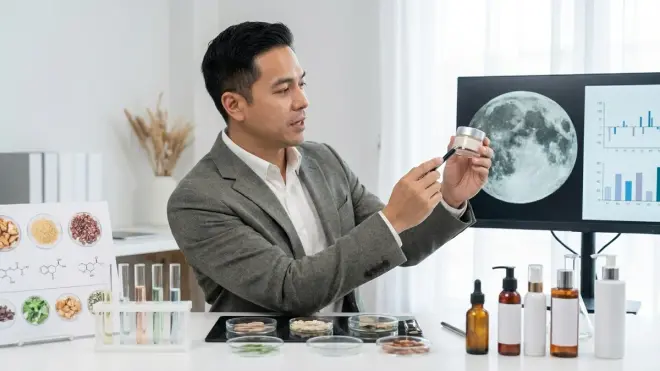
Advanced label reading technique: Photograph ingredient lists of both budget and luxury versions of the same product type (vitamin C serum, retinol cream). Compare them side-by-side at home. You'll often discover the first 10-12 ingredients are nearly identical with only the supporting cast differing. The functional core is the same; you're paying premium prices for minor texture refinements.
Batch code dating: Many products print batch codes that decode to manufacturing date. Websites like CheckCosmetic.net and CheckFresh.com decode these. A vitamin C serum manufactured 18 months before purchase has already degraded significantly—even unopened, oxygen exposure through imperfect packaging seals drives oxidation. Buy products with recent manufacturing dates, especially for unstable actives.
Common mistake—chasing concentration maximums: More isn't automatically better. A 20% vitamin C serum isn't twice as effective as a 10% one—it's more likely to irritate while delivering marginally increased benefit. Niacinamide above 10% offers no additional efficacy. Formulation synergy matters more than any single active percentage. A 5% niacinamide serum with ceramides, panthenol, and NAG (N-acetyl glucosamine) outperforms an isolated 10% niacinamide solution.
pH incompatibility awareness: Layering acids (low pH) immediately before peptides or niacinamide (optimal at pH 5-7) degrades efficacy of the latter. Wait 10-15 minutes between pH-divergent products or use them at different times of day. Budget routines maximize efficacy through intelligent sequencing, not product volume. For comprehensive guidance on safe layering protocols, reference How to Layer Bioregenerative Serums with Acids and Antioxidants Safely.
Storage extends budget product lifespan: Refrigerate vitamin C serums, retinols, and products with botanical extracts. Cool, dark storage slows degradation. A $12 serum properly stored lasts 6-9 months. The same product left on a sunny bathroom shelf oxidizes in 8 weeks. Cost-per-use drops dramatically with proper storage.
Mistake—assuming organic/natural equals quality: "Natural" and "organic" are marketing terms with minimal regulatory definition in cosmetics. A "100% natural" cream containing high concentrations of essential oils may be more irritating than a synthetic formulation with proven actives. Judge ingredients individually, not category labels. Petroleum-derived ingredients aren't inherently inferior to plant-derived ones—it's molecular structure and formulation that determines performance.
Patch testing discipline: Even thoroughly researched budget products deserve patch testing. Apply to inner forearm or behind ear for 48 hours before facial use. Cheap doesn't mean unsafe, but individual sensitivity varies unpredictably. A product with excellent ingredients may still trigger your specific allergies or sensitivities.
Frequently Asked Questions
Q: How can you tell if a cheap beauty product has effective active ingredient concentrations?
A: Check ingredient position in the INCI list—actives should appear within the first 7-10 ingredients, ideally before preservatives and fragrance which typically sit at or below 1% concentration. Multiple forms of the same ingredient (like sodium hyaluronate and hydrolyzed hyaluronic acid listed separately) suggest meaningful therapeutic concentration. Contact the brand directly to request percentage disclosure—transparent brands provide this information readily. Cross-reference positioning against clinical research thresholds: niacinamide works at 2-5%, vitamin C requires 10-20% L-ascorbic acid, retinol shows efficacy starting at 0.1%. When brands refuse concentration disclosure but price products affordably, the active concentration is likely on the lower therapeutic end—functional but not maximum strength.
Q: Are drugstore products made in Korea or Japan higher quality than US-manufactured budget products?
A: Manufacturing origin correlates with formulation approach rather than absolute quality. Korean and Japanese manufacturers typically emphasize elegant texture, innovative ingredients (ferments, peptides, botanical extracts), and minimal irritation potential. US manufacturers often prioritize active concentration and clinical dermatological backing. A Korean essence might deliver superior sensory experience with gentler actives, while a US therapeutic cream might feel austere but contain higher retinol or acid concentrations. Both can be excellent—consider your priorities. Asian-manufactured sunscreens definitively outperform US drugstore SPF products because FDA approval limitations prevent American brands from accessing superior UV filters available in Asian and European markets. For sunscreen specifically, choose Korean or Japanese formulations regardless of price point.
Q: Do cheap beauty products without fragrance work better than scented versions?
A: Fragrance serves zero therapeutic purpose and frequently causes sensitization, especially in leave-on products. Unscented formulations redirect budget that would fund fragrance compounds toward active ingredients instead. Additionally, fragrance can destabilize pH-sensitive actives like L-ascorbic acid or interfere with preservative systems. A cheap unscented serum often outperforms a comparably priced scented one because formulation priorities differ—the former optimizes for efficacy, the latter for sensory appeal and mass-market palatability. Essential oils function as fragrance despite natural origin—they're often more allergenic than synthetic fragrance and offer no skincare benefit at the concentrations used. "Fragrance-free" formulations may still have mild ingredient odor (niacinamide has distinctive scent, some peptides smell faintly sulfuric)—this indicates active presence rather than formulation weakness.
Q: How do you compare price-per-active between budget and luxury products accurately?
A: Calculate total active ingredient weight by multiplying product volume by active concentration (if disclosed): a 30mL serum with 5% niacinamide contains 1.5g active ingredient. Divide product price by active grams to get cost per gram of functional ingredient. For products without disclosed percentages, estimate concentration based on INCI position: ingredients listed third through seventh typically range from 2-10% concentration in water-based formulations. Compare identical active forms—don't compare L-ascorbic acid concentration to ascorbyl glucoside concentration, as they have different potencies and require different amounts for equivalent results. Consider supporting ingredients: a $15 serum with 5% niacinamide, ceramides, and panthenol delivers more comprehensive barrier support than a $12 serum with isolated 10% niacinamide. Calculate complete formulation value, not just hero active concentration, for genuine comparison.
Summary
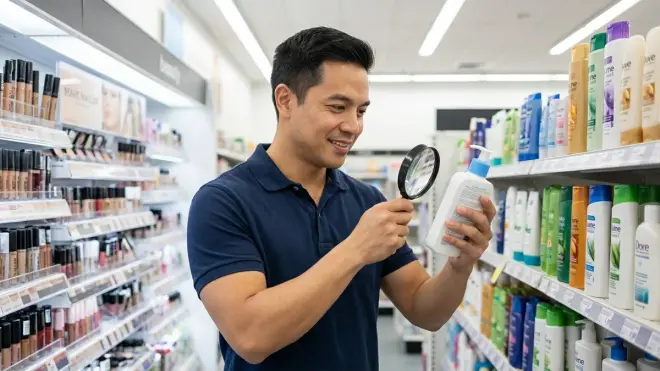
The space between ingredient list and skin transforms with knowledge. You've learned to decode INCI positioning, calculate cost-per-active, identify molecular forms that determine bioavailability, recognize formulation support systems, and distinguish brand transparency from marketing opacity. How to spot quality ingredients in cheap beauty products distills to methodical analysis—concentration thresholds, pH requirements, stabilization systems, manufacturing origin, and evidence-based research standards.
Budget products perform at luxury levels when formulation prioritizes actives over aesthetics, when brands value transparency over mystique, when you understand that a $12 serum with clinically effective concentration delivers identical molecular experiences to its $90 prestige counterpart. The skill isn't spotting expensive ingredients—it's identifying genuine performance markers hidden beneath unremarkable packaging. Your bathroom shelf transforms from price hierarchy to curated efficacy. The most luxurious products are the ones that actually work, regardless of what they cost.