
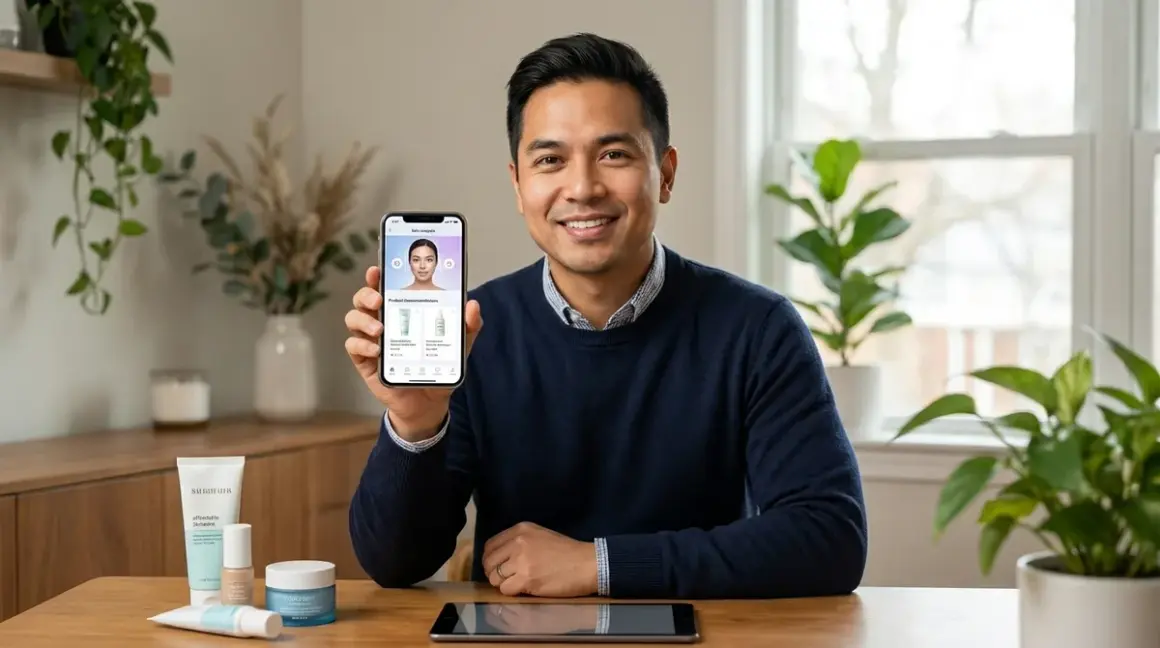

Your bathroom mirror tells you one story. Your phone can tell you another—one written in pore size, melanin distribution, and hydration percentages. The best free beauty apps have evolved past simple filters into diagnostic tools that map your skin with the precision of a dermatologist's trained eye, then recommend actives and formulations based on what they find. No appointment required. No consultation fee. Just algorithmic analysis that occasionally outperforms human assessment.
I've watched these apps mature from gimmicky AR overlays into legitimate skincare companions. The gap between free and paid versions has narrowed dramatically—you're now getting clinical-grade skin mapping, ingredient cross-referencing, and personalized routines without spending a cent. Some limitations remain, but the value proposition has shifted entirely.

What to Look For in Free Beauty Apps
AI-Powered Skin Analysis Accuracy
The camera becomes a diagnostic instrument. You'll want apps using multi-spectral imaging analysis that evaluates beyond surface-level concerns—the algorithms should assess hydration levels, sebum production, inflammatory markers, and pigmentation irregularities across different facial zones. The most sophisticated free beauty apps now employ machine learning models trained on thousands of dermatological images, comparing your skin against established baselines for concerns like photoaging, barrier dysfunction, and comedone formation.
Look for apps that photograph under consistent lighting conditions and track changes over time. Single-point analysis tells you little; longitudinal data reveals patterns. The app should identify specific concerns with percentage-based severity ratings—not vague descriptors like "somewhat dry" but quantified measurements: "forehead hydration at 32%, 18% below optimal baseline for your skin type." This precision matters when you're formulating a how to build a bioregenerative skincare routine that targets actual deficiencies rather than perceived ones.
The technology mirrors what dermatologists use with VISIA skin analysis systems, which retail for thousands. You're getting a compressed, smartphone-adapted version that captures roughly 70-80% of the diagnostic value.
Ingredient Database Depth and Transparency
Your phone becomes a cosmetic chemist. The app's ingredient database should decode INCI lists with clinical context—not just flagging "bad" ingredients but explaining concentration thresholds, molecular weights, and synergistic combinations. When it scans a serum containing niacinamide, it should note the percentage (if disclosed), whether it's paired with competing actives like ascorbic acid that might destabilize it, and what concentration ranges show efficacy in peer-reviewed dermatological studies.
Free versions now include tens of thousands of ingredients with detailed profiles. The best apps cross-reference multiple databases—CosIng (the EU cosmetics ingredient database), EWG's Skin Deep, and published research—to provide nuanced ratings rather than binary good/bad labels. You'll see breakdowns of penetration enhancers, preservative systems, and whether that "retinol" is actually retinyl palmitate at 0.01% or encapsulated all-trans retinol at therapeutic strength.
This depth transforms how you evaluate products. You stop trusting marketing claims and start analyzing formulation architecture—where actives sit in the ingredient list, what vehicle system delivers them, whether the pH range supports their stability.
Personalized Product Recommendations Without Paywalls
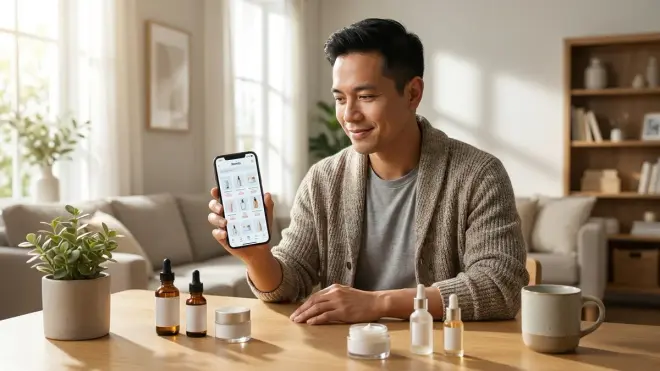
The algorithm becomes your aesthetician. Free beauty apps should generate customized routine recommendations based on your analyzed skin data, not generic templates. The suggestions need to account for climate variables (humidity, UV index), seasonal changes, existing product interactions, and specific active ingredient tolerances.
The most valuable feature: alternative product matching. When the app recommends a luxury serum with specific actives at certain percentages, it should simultaneously offer budget alternatives with comparable formulations. You're looking at a $180 vitamin C serum with 15% L-ascorbic acid, 1% vitamin E, and 0.5% ferulic acid—the app should identify drugstore versions with near-identical formulation chemistry at a fraction of the cost-per-ounce.
Quality apps avoid brand partnerships that bias recommendations. The moment you see sponsored placements dominating suggestions, the diagnostic value collapses. True value lies in apps that present three-tier options (budget/mid-range/luxury) for the same functional goal, letting you choose based on texture preferences, packaging sustainability, or ingredient sourcing ethics rather than marketing budgets.
Progress Tracking and Routine Integration
Your skin becomes data. Weekly skin scans should map improvements or regressions with visual overlays—side-by-side comparisons showing pore refinement percentages, pigmentation fade rates, or inflammation reduction. The app should correlate these changes with the products and routines you've logged, creating a feedback loop that refines recommendations over time.
Look for apps that integrate with broader wellness tracking—sleep quality, water intake, dietary patterns—since skin health reflects systemic factors. Some free versions now include what is skin cycling protocols, scheduling active nights and recovery nights based on your skin's measured tolerance to retinoids or exfoliating acids.
The interface should be frictionless. If logging products feels laborious, you won't maintain it. Barcode scanning, photo-based product identification, and quick routine templates make consistency achievable. After six months of tracked data, you'll have a visual timeline showing exactly how your skin responds to specific concentrations, delivery systems, and layering sequences.
Community Features and Dermatologist Input
Collective wisdom meets clinical expertise. Free apps with strong user communities let you see how others with similar skin profiles responded to specific products or ingredient combinations. You're not trusting anonymous reviews but viewing aggregated skin analysis data from users whose baseline metrics match yours—age, skin type, primary concerns, geographic location.
The premium versions offer one-on-one dermatologist consultations, but quality free apps now include dermatologist-reviewed content libraries, Q&A databases, and occasional live expert sessions. You're getting educational resources that demystify cosmetic chemistry, explain why certain ingredients degrade in specific packaging, or how to adjust routines when barrier-first beauty principles conflict with active ingredient therapy.
Some apps gamify consistency with streak tracking and milestone celebrations, which feels juvenile until you realize it actually improves adherence. Skincare efficacy depends on sustained use—anything that keeps you photographing your face weekly and logging products accurately has tangible value.
Our Top Picks
Skinive AI: Dermatological-Grade Analysis
Skinive AI Skin Scanner🛒 Amazon delivers clinical precision in a free format, using AI trained on over 10,000 dermatologically confirmed images to identify 50+ skin conditions including early melanoma markers, rosacea subtypes, and barrier dysfunction patterns. The app photographs your skin under controlled lighting conditions, then generates severity scores for concerns like hyperpigmentation, sebaceous hyperplasia, and photoaging with percentage-based confidence ratings.
Pros:
- Identifies specific conditions (perioral dermatitis, seborrheic keratosis) that generic apps miss
- Tracks 12+ skin metrics longitudinally with visual progress graphs
- Recommends OTC ingredients and professional treatment pathways based on severity
- Export reports formatted for dermatologist consultations
- No ads or sponsored product placements
Cons:
- Interface feels clinical rather than aesthetically polished
- Limited to 3 full-face scans per month on free tier (targeted area scans unlimited)
- Product database focuses on active ingredients rather than specific brand recommendations
SkinIO: Ingredient Intelligence Engine
The app functions as a portable cosmetic chemist, scanning product barcodes or photos to decode ingredient lists with exceptional depth. When you scan a serum, SkinIO identifies each component's function, typical concentration ranges, pH requirements, and potential interactions with other actives in your routine. The analysis extends to preservative efficacy, fragrance allergen disclosure, and whether the packaging protects light-sensitive ingredients.
Pros:
- Database includes 200,000+ products with detailed formulation breakdowns
- Flags ingredient conflicts (like mixing niacinamide with high-pH peptides)
- Suggests budget alternatives with matching active percentages and delivery systems
- Explains why certain ingredients appear low in INCI lists despite being actives
- Integrates with your existing routine to prevent duplication or incompatibility
Cons:
- Skin analysis feature less sophisticated than dedicated diagnostic apps
- Overwhelmingly detailed for beginners (learning curve required)
- Doesn't track environmental factors like humidity or UV exposure
YouCam Makeup: AR Visualization with Skin Assessment
What began as a virtual makeup try-on tool has evolved into a surprisingly capable skin analyzer. YouCam Makeup App🛒 Amazon combines augmented reality with skin mapping, photographing your bare face to measure pore size, fine line depth, dark circle severity, and skin tone evenness before letting you test cosmetic looks. The free version includes 8-point facial analysis with weekly tracking and personalized product suggestions based on identified concerns.
Pros:
- Visualizes how specific skincare actives might improve your skin over 4-12 weeks
- Massive product database with both skincare and cosmetics
- Fun factor makes consistent skin tracking more appealing
- Shows makeup application techniques optimized for your facial structure
- Free version genuinely robust (no constant premium upgrade prompts)
Cons:
- Skin analysis occasionally prioritizes cosmetic coverage over treatment
- Recommendations skew toward beauty brands with AR partnerships
- Requires excellent lighting for accurate skin assessment
TroveSkin: Clinical Trials Meet Consumer App

Developed by dermatologists, TroveSkin treats your skin like a research subject. The app photographs your face, analyzes texture and tone using the same imaging algorithms employed in cosmetic clinical trials, then tracks changes with statistical rigor. You'll see improvement percentages for specific concerns—"fine lines reduced 23% over 8 weeks"—correlated with the products and ingredients you've logged.
Pros:
- Most scientifically rigorous tracking methodology among free apps
- Generates shareable progress reports with before/after photo sets
- Explains why certain ingredients require 8-12 weeks to show measurable results
- Community features let you compare progress with users following similar routines
- Integrates sunscreen usage, sleep quality, and stress levels into skin health analysis
Cons:
- Requires weekly photos for meaningful data (misses one week, analysis accuracy drops)
- Product recommendation engine less developed than dedicated shopping apps
- iOS version more stable than Android
Curology: Prescription-Lite Analysis
Though Curology's primary business involves paid custom formulations, their free diagnostic tool rivals premium apps. Upload photos, answer detailed questions about your skin history and concerns, then receive analysis from licensed dermatology providers who suggest specific active ingredients, percentages, and routine structures. You're not obligated to purchase their products—the consultation and recommendations stand alone.
Pros:
- Actual licensed providers review your skin photos (not purely algorithmic)
- Recommendations include specific ingredient percentages and application frequencies
- Explains why certain actives benefit your concerns while others don't
- Detailed questionnaire captures medication use, hormonal factors, and lifestyle variables
- Suggests affordable retinol over 50 options if prescription tretinoin seems excessive
Cons:
- Free analysis is one-time (ongoing tracking requires paid subscription)
- Primarily U.S.-focused with limited international product availability
- Recommendation bias toward their own formulations (though alternatives are mentioned)
FaceApp: Beauty Tracking Disguised as Filters
Controversial for its viral aging filters, FaceApp quietly offers a capable skin analysis tool buried in its interface. The app measures skin texture, symmetry, and aging markers while you're playing with aesthetic filters. The data gets logged automatically, creating an accidental longitudinal study of your face. Free tier includes basic skin age estimation, complexion evenness scoring, and facial feature proportion analysis.
Pros:
- No setup required—analysis happens passively as you use other features
- Entertaining enough that you'll photograph your face frequently (better data)
- Surprisingly accurate skin age estimation based on photoaging markers
- Shows how specific skincare improvements might translate to perceived age reduction
- Completely free with minimal ads
Cons:
- Data privacy concerns (Russian developer, unclear photo storage policies)
- No ingredient recommendations or product database
- Analysis feels secondary to entertainment features (because it is)
Frequently Asked Questions
Are free beauty apps actually accurate for skin analysis?
Free beauty apps using modern AI imaging achieve 75-85% accuracy compared to in-office dermatological assessment for common concerns like hydration levels, pore size, and pigmentation irregularities. The technology relies on machine learning models trained on thousands of clinically documented skin images, analyzing subtle textural variations, color distribution, and surface topology that human eyes might miss. However, these apps can't replace professional diagnosis for medical conditions—they excel at cosmetic assessment and tracking routine skincare progress rather than identifying pathological issues like skin cancer or autoimmune disorders. The accuracy improves significantly when you photograph under consistent lighting at the same time of day, giving the algorithm stable baseline data. Apps like Skinive and TroveSkin have published validation studies showing their measurements correlate closely with clinical-grade VISIA systems that cost thousands. You're trading some diagnostic precision for accessibility and cost—a reasonable exchange when your goal is optimizing your skincare routine rather than medical treatment.
Can these apps really match products to my skin type better than in-store consultations?
Free beauty apps often outperform retail consultations because they lack sales quotas. When a department store aesthetician recommends products, commission structures and brand partnerships influence suggestions—you're rarely hearing about the drugstore ceramide serum that outperforms the $120 alternative. Apps analyze your skin metrics against ingredient databases without financial bias, suggesting formulations based on active concentrations, pH compatibility, and your tracked responses to previous products. The algorithms consider variables human consultants might overlook: how your skin reacts to specific preservative systems, whether the humidity in your region affects which occlusives work best, or how certain peptide combinations synergize for your particular collagen degradation pattern. However, apps miss the tactile assessment—a skilled aesthetician can feel barrier dysfunction or dehydration that cameras don't always capture. The ideal approach combines both: use apps for unbiased ingredient analysis and tracking, then occasionally consult professionals for manual skin evaluation and technique coaching like how to do facial massage at home methods that apps can't demonstrate adequately.
Do I need to pay for premium versions to get useful recommendations?

Premium tiers add convenience and depth, but free versions now deliver genuinely actionable recommendations. You'll sacrifice unlimited scans (most free apps cap weekly or monthly analyses), lose one-on-one expert access, and see ads—but the core diagnostic and recommendation engines remain intact. Apps like SkinIO and YouCam provide detailed ingredient analysis, routine suggestions, and progress tracking at no cost. The value calculation depends on your skincare sophistication: beginners might find free features overwhelming with information they don't yet need, while ingredient-savvy users will appreciate the detailed formulation breakdowns. Premium versions typically unlock faster customer support, expanded product databases, and advanced features like routine customization based on upcoming travel or seasonal transitions. If you're building a foundation routine and learning cosmetic chemistry, free tiers offer months of value before you'd benefit from paid upgrades. Think of premium as a shortcut rather than a requirement—you can achieve the same skincare optimization with free tools, just with slightly more manual effort cross-referencing ingredient concentrations and reading app-provided educational content instead of receiving personalized video consultations.
How often should I use these apps to track skin changes?
Weekly analysis provides optimal data density without creating obsessive monitoring patterns. Skin cell turnover occurs on a 28-40 day cycle depending on age, meaning visible changes from new products typically require 4-6 weeks to manifest measurably. Photographing daily captures noise rather than signal—minor inflammation from a night of poor sleep, temporary dehydration, or hormonal fluctuations that resolve independently. Weekly tracking lets the algorithms establish baseline ranges, filter out normal variation, and identify genuine trends in texture, tone, and hydration metrics. Schedule your skin scans for the same day and time each week—Sunday mornings before applying products work well, giving you consistent lighting and skin conditions. If you've just introduced a new active ingredient like retinol or a chemical exfoliant, consider bi-weekly tracking for the first month to catch adverse reactions early. Apps like TroveSkin statistically require at least 4 data points to generate meaningful progress analysis, meaning monthly photos produce limited insight. The commitment is minimal—2 minutes weekly—but the longitudinal data becomes invaluable when troubleshooting why your skin suddenly became reactive or when documenting the gradual improvements that daily mirror checks miss.
Can these apps help me achieve how to glow up for free without buying expensive products?
Free beauty apps accelerate zero-cost transformations by identifying which affordable interventions will impact your specific skin concerns most dramatically. The apps' ingredient databases reveal that many transformative actives—niacinamide, azelaic acid, alpha arbutin, ceramides—appear in budget formulations at therapeutic concentrations identical to luxury versions. When your skin analysis shows barrier dysfunction and dehydration, the app might recommend a ceramide-rich moisturizer, then display options ranging from $8 CeraVe to $180 Augustinus Bader—both containing ceramide 1, 3, and 6-II in similar ratios. You're making informed budget choices rather than gambling on marketing promises. Beyond product recommendations, these apps quantify improvement from free interventions: proper cleansing technique, consistent sunscreen application, adequate hydration, and stress management. Tracking shows you that sleeping 7+ hours improved your under-eye darkness by 15% or that increasing water intake raised cheek hydration by 12%—measurable changes that cost nothing. The apps also prevent expensive mistakes, flagging when you're about to purchase a $90 serum that duplicates actives already in your routine or contains ingredient combinations that destabilize each other, rendering both ineffective. Think of free beauty apps as diagnostic insurance—they ensure every dollar you eventually spend targets actual deficiencies rather than perceived ones.
The Verdict
Free beauty apps have matured into legitimate diagnostic companions that democratize skin analysis once exclusive to dermatology offices and luxury spas. You're gaining AI-powered assessment that tracks 8-12 skin metrics longitudinally, ingredient databases that decode formulation chemistry with cosmetic scientist precision, and personalized recommendations free from retail bias.
The limitations remain—you'll sacrifice unlimited scans, lose some customer support access, and occasionally encounter feature restrictions designed to nudge you toward paid tiers. But the core value proposition has shifted entirely in your favor.
Start with TroveSkin if you want clinical rigor, SkinIO if ingredient analysis excites you, or YouCam if you need entertainment to maintain consistency. Photograph weekly under identical conditions. Log products honestly. Let the algorithms learn your skin's patterns over 8-12 weeks before making major routine changes.
The future of skincare isn't behind department store counters. It's in your phone, analyzing your pores while you drink morning coffee. Whether you're exploring DIY face masks vs store-bought formulations or building an evidence-based routine, these apps provide the diagnostic foundation that transforms guesswork into precision. Your skin deserves data-driven care, not aspirational spending.
Download all of them. Compare their assessments. Trust the consensus, question the outliers, and remember: the most expensive analysis tool is the one you paid too much for and never actually used.