


The promise of learning how to clear skin overnight sounds almost indulgent—like believing in transformation through ritual and patience rather than brute chemical force. Yet your kitchen holds gentle, scientifically-validated compounds capable of reducing inflammation, regulating sebum oxidation, and accelerating cellular turnover while you sleep. These methods won't erase years of sun damage or hormonal acne in eight hours, but they can visibly diminish redness, flatten emerging blemishes, and restore barrier integrity by morning.
This guide deconstructs the cosmetic chemistry behind common pantry staples—honey's antimicrobial peptides, turmeric's curcuminoid anti-inflammatory action, oat beta-glucan's barrier-repair properties—and translates them into precise overnight protocols. Expect 20–30 minutes of active preparation time. Intermediate skill level: you'll measure pH, assess oxidation states, and layer actives strategically to maximize penetration without compromising your skin's acid mantle.

What You'll Need
Base Ingredients:
- Raw, unfiltered honey (preferably Manuka with MGO rating above 100 for methylglyoxal antimicrobial activity)
- Ground turmeric (curcumin content approximately 3–5% in standard culinary grade)
- Colloidal oatmeal or finely ground oats (for beta-glucan polysaccharide content)
- Apple cider vinegar diluted to 2–5% acetic acid concentration
- Green tea bags (Camellia sinensis, for EGCG catechin content around 50–80mg per bag)
- Aspirin tablets (acetylsalicylic acid, the precursor molecule to salicylic acid)
Tools:
- Non-reactive mixing bowl (glass or ceramic)
- pH test strips (range 4.0–7.0)
- Soft silicone brush for application
- Clean muslin cloth
- Distilled water (to avoid mineral interference)
Optional Amplifiers:
- Cold-pressed rosehip oil (trans-retinoic acid naturally present at trace levels)
- Fresh aloe vera gel (for polysaccharide humectant layer)
Step 1: Establish Baseline Skin pH and Assess Inflammatory Markers
Your skin's acid mantle typically hovers between pH 4.5 and 5.5—a slightly acidic environment that inhibits pathogenic bacterial colonization and maintains lipid barrier integrity. Before applying any pantry active, you need to understand your starting point.
Cleanse with lukewarm water only. Pat dry gently without rubbing. Wait ten minutes for transepidermal water loss to stabilize, then press a pH strip to your cheek for three seconds. Note the reading. Inflamed skin often skews alkaline (pH 6.0 or higher), compromising the lipid barrier and allowing bacterial proliferation. Healthy skin that's simply congested will read closer to 5.0–5.5.
Examine blemishes under good lighting. Papules (raised, red, no visible head) respond best to anti-inflammatory treatments. Pustules (visible white or yellow center) benefit from antimicrobial honey applications. Closed comedones (flesh-colored bumps under the surface) require gentle keratolytic action to dissolve the keratinized plug. This diagnostic step determines which pantry ingredients you'll emphasize.
If you've been following the principles outlined in our glow up checklist, you'll already have a sense of your skin's baseline behavior patterns across your menstrual cycle or seasonal shifts.
Step 2: Prepare pH-Adjusted Apple Cider Vinegar Toner
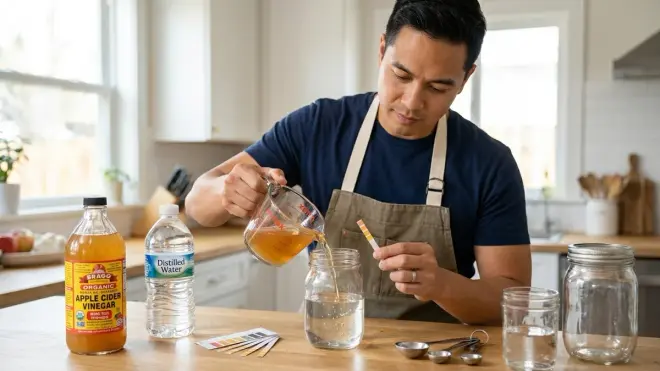
Undiluted apple cider vinegar measures around pH 2.5–3.0—far too acidic for direct facial application and capable of causing chemical burns on compromised skin. But properly diluted, it delivers acetic acid that gently exfoliates, plus malic acid that brightens post-inflammatory hyperpigmentation.
Mix one part organic apple cider vinegar with four parts distilled water. Test the pH. You're targeting 4.0–4.5, which matches the skin's natural acid mantle while still providing mild keratolytic action. If it reads below 4.0, add more water in quarter-teaspoon increments until you reach the sweet spot.
Saturate a cotton pad and sweep across your face, avoiding the delicate eye area. The scent is sharp, almost vinegary-sweet, but dissipates within minutes as the acetic acid penetrates and begins its work on the stratum corneum. This step primes your skin for deeper active penetration by temporarily increasing permeability and restoring acidic pH if your baseline reading was elevated.
You'll notice a mild tingling—that's normal. Burning or stinging signals over-dilution; remove immediately with water and adjust your ratio.
Step 3: Create an Aspirin-Based Salicylic Acid Mask for Comedolytic Action
Aspirin (acetylsalicylic acid) hydrolyzes into salicylic acid in the presence of water—transforming a common analgesic into a beta-hydroxy acid capable of dissolving sebaceous plugs and reducing inflammatory cytokine expression. This is one of the most evidence-backed methods for understanding how to clear skin overnight using pantry staples.
Crush three uncoated aspirin tablets into a fine powder. Add distilled water drop by drop, stirring constantly, until you achieve a thick paste consistency—approximately half a teaspoon of water total. The paste should hold its shape without running but remain spreadable.
Apply a thin layer directly to blemishes, closed comedones, or areas of textural congestion. Salicylic acid is lipophilic, meaning it penetrates sebum-filled pores more effectively than water-soluble hydroxy acids. Leave on for 10–15 minutes maximum. You might feel a slight warming sensation as the acid begins breaking down intercellular lipid cement.
Critical warning: If you have aspirin sensitivity, coagulation disorders, or are using blood thinners, skip this step entirely. The topical absorption is minimal but not zero, and acetylsalicylic acid's anticoagulant properties warrant caution.
Step 4: Layer Manuka Honey for Antimicrobial and Humectant Benefits
Raw honey contains hydrogen peroxide generated enzymatically by glucose oxidase, plus methylglyoxal in Manuka varieties—both potent antimicrobials effective against Cutibacterium acnes (formerly Propionibacterium acnes), the bacteria implicated in inflammatory acne pathogenesis.
After removing your aspirin mask with a damp muslin cloth, apply a thin layer of raw honey across your entire face or spot-treat active pustules. Medical-grade Manuka honey with MGO ratings above 100 shows the strongest antimicrobial activity in dermatological studies, but any raw, unfiltered honey provides humectant properties that draw water into the stratum corneum and prevent transepidermal water loss overnight.
The texture is thick, slightly sticky, with a faint floral sweetness that grounds you in the quiet ritual of self-care. This isn't about luxury branding—it's about understanding that propolis phenolic compounds and bee defensin-1 peptides in raw honey demonstrate genuine therapeutic value that most commercial spot treatments replicate synthetically.
Leave the honey on for at least 20 minutes, or wear it overnight if your pillowcase situation allows. The longer contact time maximizes antimicrobial efficacy and allows the humectant sugars to hydrate the epidermis.
Step 5: Apply Turmeric Anti-Inflammatory Paste to Target Redness
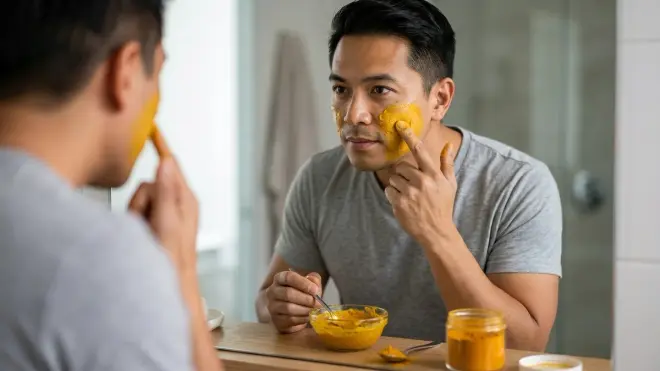
Curcumin, the primary active curcuminoid in turmeric, inhibits nuclear factor kappa B (NF-κB) pathways and reduces pro-inflammatory cytokine production—biochemical mechanisms that translate to visibly diminished redness and swelling by morning.
Mix half a teaspoon of ground turmeric with enough plain yogurt (or distilled water if you're avoiding dairy) to form a spreadable paste. The yogurt's lactic acid provides mild exfoliation, while its probiotics may offer additional microbiome support, though topical probiotic efficacy remains debated in cosmetic chemistry circles.
Apply to inflamed areas, avoiding unstained skin if you're concerned about temporary yellow tinting. Turmeric's chromophores will leave a faint golden cast on fair skin for several hours, though this washes away completely with oil-based cleansing. The earthy, slightly bitter aroma is grounding—almost meditative.
Leave on for 15–20 minutes, then rinse with lukewarm water. The curcuminoid compounds penetrate the epidermis and begin modulating inflammatory cascades almost immediately, though visible results require the full overnight window as cellular signaling pathways respond.
For those exploring broader barrier-first beauty principles, this step exemplifies how reducing inflammation protects structural lipids and prevents chronic barrier compromise.
Step 6: Seal with Colloidal Oatmeal Beta-Glucan Barrier
Oat beta-glucan forms an occlusive yet breathable film on the skin surface, preventing water loss while delivering polysaccharides that stimulate fibroblast activity and collagen synthesis. This is your overnight barrier seal—the final step that locks in all previous actives and prevents dehydration.
Grind rolled oats in a coffee grinder until they reach a fine, talc-like consistency. Mix one tablespoon with enough distilled water to create a thin paste. Apply a light layer across your entire face, including areas you've spot-treated. The texture is silky, almost weightless, with a faint cereal sweetness that feels nostalgic and clean.
As the paste dries, it forms a semi-occlusive layer that regulates transepidermal water loss without completely blocking gas exchange—critical for overnight wear when your skin undergoes its peak cellular repair cycles. The beta-glucan molecules also demonstrate modest anti-inflammatory properties through macrophage activation, complementing the curcumin pathways you've already initiated.
Sleep on your back if possible to minimize friction transfer to your pillowcase. You'll wake with a fine powdery residue that rinses away instantly, revealing calmer, more hydrated skin underneath.
Step 7: Apply Cooled Green Tea Compress for Catechin Antioxidant Delivery
Steep two green tea bags in four ounces of just-boiled water for three minutes—long enough to extract epigallocatechin gallate (EGCG), the primary catechin responsible for green tea's antioxidant and anti-inflammatory properties, without over-steeping into bitter tannin territory.
Remove the bags, squeeze out excess liquid, and refrigerate the tea for 10 minutes until thoroughly chilled. The cold temperature causes vasoconstriction, immediately reducing redness and puffiness, while the EGCG scavenges reactive oxygen species (ROS) generated during the inflammatory cascade.
Soak a clean muslin cloth in the chilled tea and apply as a compress to your face for 10 minutes. The sensation is cooling, astringent, slightly vegetal—the olfactory equivalent of a forest after rain. EGCG also demonstrates modest antimicrobial activity against C. acnes and may inhibit sebum oxidation, the process that transforms neutral lipids into inflammatory mediators.
This step bridges traditional herbal wisdom and modern cosmetic chemistry. You're not just "soothing" your skin—you're delivering targeted polyphenolic compounds that modulate specific inflammatory pathways at the molecular level. The intersection of DIY face masks vs store-bought formulations often hinges on this: understanding which molecules you're delivering and why they work.
Step 8: Optional Enhancement with Cold Therapy Microcirculation Boost
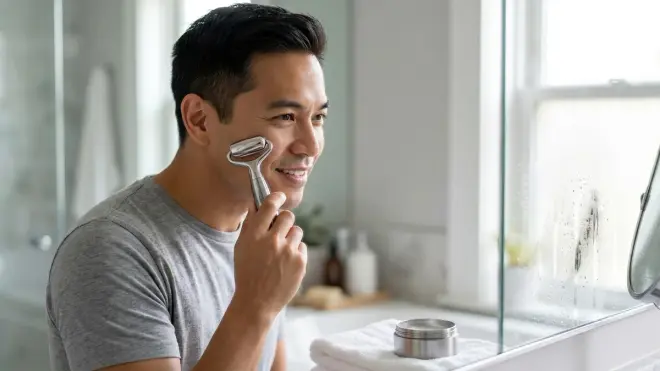
If you have persistent redness or want to amplify the anti-inflammatory cascade you've initiated, finish with a brief cold therapy session. Wrap ice cubes in a clean cloth or use chilled jade rollers stored in your refrigerator—avoiding direct ice-to-skin contact, which can cause cold burns on compromised barriers.
Roll or press the cold surface across your face using upward, outward strokes for 3–5 minutes. The intense cold triggers immediate vasoconstriction, reducing blood flow to inflamed areas and thereby decreasing redness. As your skin rewarms, vasodilation follows, bringing fresh oxygenated blood and accelerating the removal of inflammatory metabolites.
This principle—alternating vasoconstriction and vasodilation to enhance microcirculation—forms the foundation of professional cryotherapy treatments. The mechanics and deeper science behind ice rolling benefits warrant their own exploration, but even this brief session amplifies your overnight results.
The cold is sharp, almost shocking, cutting through any remaining warmth from your turmeric paste. It's the final punctuation mark on your ritual—a deliberate, physical commitment to the transformation you're cultivating while you sleep.
Pro Tips & Common Mistakes
Layer actives from thinnest to thickest viscosity. Water-based toners penetrate first, followed by paste treatments, then occlusive barriers. Reversing this order traps lighter molecules beneath heavier ones, reducing efficacy.
Patch-test every ingredient, especially turmeric. Curcumin is generally well-tolerated, but some individuals experience contact sensitivity or persistent staining. Apply a small amount to your inner forearm 24 hours before full-face application.
Don't expect cystic acne to vanish overnight. These methods excel at reducing inflammatory papules and pustules, not deep nodular lesions that originate in the dermis. Cystic acne requires systemic intervention—topical pantry ingredients can't penetrate deeply enough.
Avoid combining too many acids. If you're using the aspirin salicylic acid mask, skip the apple cider vinegar toner or reduce its concentration to one part vinegar to eight parts water. Over-acidifying your skin disrupts the lipid barrier and can trigger rebound inflammation.
Store honey properly. Raw honey is hygroscopic and will absorb moisture and odors from your kitchen. Keep it sealed in a dark cabinet. If it crystallizes, that's a quality indicator—it means it hasn't been over-processed.
The most common mistake is impatience. Understanding how to clear skin overnight requires managing expectations: you're reducing visible inflammation and supporting barrier repair, not erasing chronic conditions in eight hours. Consistency across multiple nights yields compound benefits.
Frequently Asked Questions
Can I use regular aspirin instead of uncoated tablets for the salicylic acid mask?
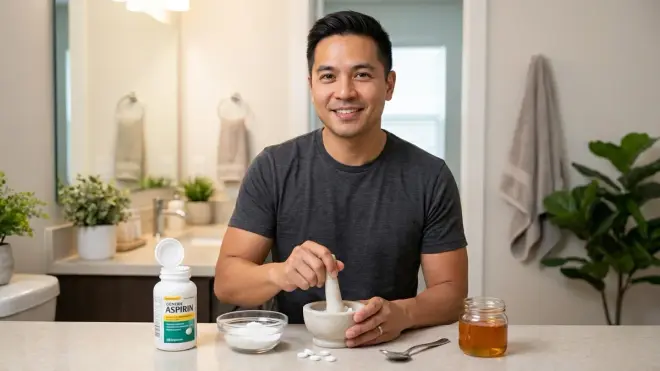
Yes, but you'll need to work harder to achieve a smooth paste consistency since coated tablets contain inert binders and enteric coatings that don't dissolve as readily. Crush thoroughly and strain through a fine mesh if you notice grainy particles. The salicylic acid content remains equivalent, but application texture suffers. Uncoated aspirin (typically marketed as "baby aspirin") yields the cleanest, most cosmetically elegant paste.
How does honey compare to benzoyl peroxide for overnight acne treatment?
Benzoyl peroxide generates free radicals that kill C. acnes bacteria but also cause significant oxidative stress and barrier disruption, leading to dryness and peeling. Honey's antimicrobial mechanism relies on hydrogen peroxide and methylglyoxal in Manuka varieties, which demonstrate comparable antimicrobial efficacy in vitro studies but with humectant properties that actually support barrier repair rather than compromising it. Honey works more slowly but causes less collateral damage.
Will turmeric permanently stain my skin or pillowcase?
Temporary yellow tinting on skin resolves completely within 6–12 hours and washes away with any oil-based cleanser, which dissolves the lipophilic curcumin pigments. Pillowcase staining is permanent on white or light fabrics—use an old towel or dark-colored pillowcase if you're leaving turmeric on overnight. The chromophore compounds bind to natural fibers (cotton, linen) more aggressively than synthetic materials, making polyester blends slightly more forgiving.
Can I use these methods if I'm already using prescription retinoids?
Proceed with extreme caution and reduce active concentrations. Prescription retinoids (tretinoin, adapalene) thin the stratum corneum and increase penetration of everything applied afterward, which can turn gentle pantry ingredients into irritants. If you're using retinoids, skip the aspirin mask entirely and dilute your apple cider vinegar toner to one part vinegar to eight parts water. Apply honey and oatmeal layers only—these provide barrier support without additional exfoliation.
Summary
Learning how to clear skin overnight through evidence-based pantry protocols requires understanding the biochemical mechanisms behind each ingredient—salicylic acid's keratolytic action from hydrolyzed aspirin, honey's antimicrobial peptides, curcumin's NF-κB pathway inhibition, beta-glucan's barrier-sealing polysaccharides. These aren't folk remedies dressed up in pseudoscience; they're genuine therapeutic compounds that commercial formulations often replicate synthetically at much higher costs.
You won't wake with flawless skin after one night. But you will notice reduced redness, flatter emerging blemishes, and a calmer, more hydrated complexion—evidence that targeted actives applied strategically can rival expensive overnight masks. The ritual itself becomes part of the transformation: the sharp vinegar astringency, the sticky-sweet honey meditation, the cooling green tea compress like a forest breathing against your skin.
This is what how to glow up for free looks like in practice—not deprivation, but precision. Not settling, but understanding exactly which molecules your skin needs and sourcing them from your kitchen shelf with the same rigor you'd apply to decoding a $200 serum's INCI list.