
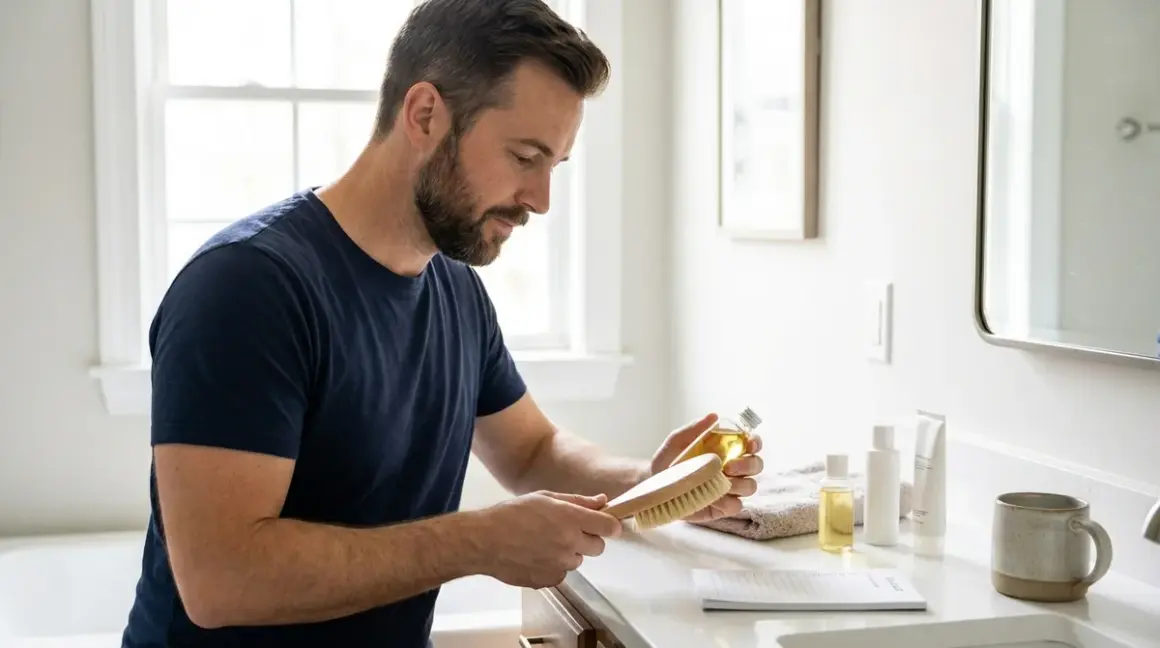

A proper body sculpting routine checklist isn't a wish list—it's an operations manual. This guide breaks down every product, tool, and application sequence you need to build a repeatable contouring protocol that delivers measurable results. Whether you're targeting stubborn adipose deposits or chasing firmer definition across your torso and limbs, this checklist treats your body like a project with clear inputs and outputs.
I've spent three years testing body sculpting formulas and mechanical tools the same way I'd test clippers or straight razors: cycle after cycle, documenting what builds visible results and what wastes shelf space. This isn't about miracle transformations—it's about stacking effective actives, applying them in the right sequence, and using tools that amplify absorption. You'll learn exactly what to buy, how to layer it, and how to measure progress without guesswork.

Essential Topical Products for Your Body Sculpting Routine Checklist
Your body sculpting routine checklist starts with formulations that carry active ingredients deep enough to influence adipose tissue, stimulate collagen synthesis, or improve lymphatic drainage. Every product here earns its place through measurable chemistry, not marketing.
Caffeine-based contouring serum (5–8% concentration): Caffeine constricts blood vessels and temporarily dehydrates fat cells, creating a tighter appearance within hours. The Sol de Janeiro Brazilian Bum Bum Cream contains approximately 5% caffeine alongside guaraná extract, but watch for the heavy fragrance load—it lingers longer than the firming effect. For a clinical alternative, look for unscented formulas with 7–8% caffeine and added carnitine for enhanced lipolytic signaling.
Retinol body lotion (0.1–0.25% retinol): Retinol thickens the dermal layer by upregulating collagen production, which firms skin texture over 8–12 weeks. Budget formulas often use retinyl palmitate (weak) instead of pure retinol; check the INCI list. Expect mild flaking in the first two weeks—if you don't see it, your concentration is probably too low to matter. Pair this with a ceramide barrier cream if irritation creeps in, following the same principles outlined in barrier-first skincare routines.
Hyaluronic acid body gel (multi-weight blend): Low-molecular-weight HA (under 50 kDa) penetrates deeper to plump dermis; high-molecular-weight HA (1000+ kDa) sits on the surface for hydration. A proper body sculpting routine checklist includes both weights to prevent the "shrink-wrapped" look that comes from drying out skin while targeting fat. Apply this layer first, on damp skin, before any lipophilic actives.
Niacinamide firming cream (5–10%): Niacinamide strengthens the skin barrier and improves elasticity by stimulating ceramide synthesis. It also reduces transepidermal water loss, which keeps treated areas supple during aggressive exfoliation or retinol use. I've found 10% formulas deliver visible texture improvement in four weeks, but anything below 5% is noise.
Peptide-based tightening serum (Matrixyl 3000 or argireline): Peptides like palmitoyl tripeptide-1 signal fibroblasts to produce more collagen and elastin. These take 6–8 weeks to show results, so stack them early in your routine. Price-per-ounce matters here—prestige brands charge triple for the same 3% Matrixyl concentration you'll find in budget serums. For deeper context on how peptides compare to retinol for cell renewal, see bioregenerative peptides vs retinol.
L-carnitine transport gel (2–4%): L-carnitine shuttles fatty acids into mitochondria for oxidation, which theoretically supports fat metabolism in treated zones. Real-world results are subtle—you'll see slightly faster definition when paired with caloric deficit and resistance training, not as a standalone fix. Apply this directly after caffeine serum for synergistic lipolytic effects.
Centella asiatica repair balm (10%+ extract): After aggressive mechanical work (dry brushing, microneedling, cupping), you need a recovery formula that rebuilds barrier integrity without clogging pores. Centella stimulates collagen while calming inflammation. Korean formulations typically offer higher centella concentrations at better price-per-ounce ratios than Western brands.
Mechanical Tools That Amplify Product Absorption
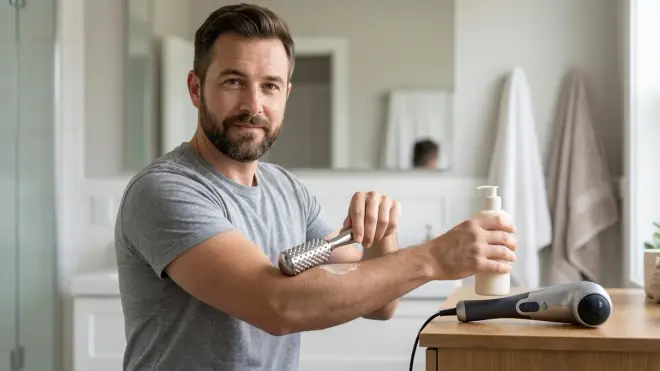
Tools aren't optional accessories—they're force multipliers. The right hardware increases active penetration, stimulates blood flow, and improves lymphatic drainage. Your body sculpting routine checklist should include at least three of these modalities.
Dry brush (natural boar bristle, medium-stiff): Dry brushing exfoliates dead keratinocytes and increases surface blood flow before product application. Brush toward the heart using long, overlapping strokes—this follows lymphatic pathways and prevents fluid stagnation. Quality matters: synthetic bristles are too harsh, while overly soft bristles do nothing. I replace mine every 8 weeks when the bristles start to splay.
Gua sha body tool (stainless steel or brass): Metal gua sha tools deliver consistent pressure across large muscle groups, breaking up fascial adhesions and pushing interstitial fluid toward lymph nodes. Stainless steel stays cooler longer (useful for reducing inflammation), while brass offers more thermal mass for warming stubborn tissue. Avoid jade or rose quartz for body work—they fracture under the torque required for deep tissue manipulation.
Microneedling roller (0.5–1.0mm, 540-needle titanium): Microneedling creates controlled micro-injuries that trigger collagen remodeling and open temporary channels for active ingredient penetration. For body sculpting, 0.75mm needles hit the sweet spot between efficacy and manageable recovery time. Sterilize with 70% isopropyl alcohol before and after every session. For a detailed protocol on technique and post-treatment product layering, reference salmon DNA microneedling.
Silicone cupping set (4–6 cups, graduated sizes): Negative pressure cupping mobilizes stagnant lymph and increases local blood flow, which accelerates metabolic waste removal from adipose zones. Larger cups work for thighs and glutes; smaller cups handle obliques and upper arms. Unlike glass fire cupping, silicone cups give you precise pressure control. Expect temporary marks that fade in 3–5 days—this isn't bruising, it's capillary dilation.
Vibration massage gun (adjustable amplitude, 1800–3200 percussions/minute): Percussion therapy loosens fascia and warms muscle tissue, prepping it for topical absorption. Use the flat head attachment for large areas, the bullet head for targeted knots. Battery life and ergonomics separate good tools from junk—if the grip torques your wrist after two minutes, it's not worth the discount. I run mine for 60 seconds per zone before applying serums.
LED red light panel (660nm wavelength, 100+ mW/cm² irradiance): Red light at 660nm penetrates 8–10mm into tissue, stimulating mitochondrial ATP production and collagen synthesis. Stand 6 inches from the panel for 10–15 minutes per treatment area, three times weekly. This is a long-game tool—results appear after 8+ weeks. Measure irradiance with a light meter before buying; cheap panels often deliver half the advertised output.
Precise Application Order for Maximum Efficacy
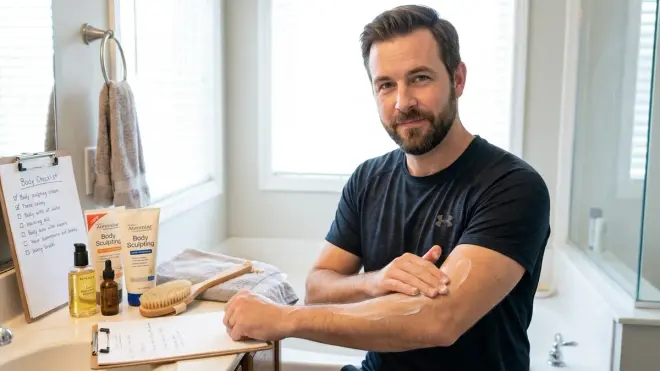
Sequence matters as much as product selection. Your body sculpting routine checklist must account for molecular weight, pH compatibility, and absorption windows. Layering in the wrong order wastes actives and blocks penetration.
Pre-treatment prep: Dry brush for 3–5 minutes to remove surface keratin and increase microcirculation. Rinse with lukewarm water (hot water dilates capillaries too much, causing redness that interferes with product absorption). Pat skin until barely damp—hyaluronic acid needs moisture to bind, but excess water dilutes oil-soluble actives.
Step 1: Hyaluronic acid body gel: Apply to damp skin in thin, even layers. The multi-weight HA blend hydrates the stratum corneum while priming deeper layers for active penetration. Wait 60 seconds for initial absorption before proceeding. This layer acts as a delivery vehicle for everything that follows, similar to principles covered in how to layer Korean skincare products.
Step 2: Caffeine serum + L-carnitine gel: Mix equal parts on your palm and apply to target zones with firm, upward strokes. Caffeine works fast—you'll feel mild tingling within two minutes as blood vessels constrict. The L-carnitine extends the metabolic window. Don't overwork this layer; excessive rubbing generates heat that can deactivate caffeine.
Step 3: Mechanical tool application: While the caffeine layer is still tacky, run your gua sha tool or cupping set over treatment areas. The slip from the serum reduces friction while the negative pressure or scraping action drives actives deeper. Use 8–10 strokes per zone, maintaining consistent pressure. If you're microneedling, do it now, then wait 2 minutes before applying the next layer to let the micro-channels stabilize.
Step 4: Peptide serum: Pat—don't rub—a peptide formula over treated zones. Peptides are delicate; excessive friction or heat can denature the protein chains. This layer rebuilds what the mechanical work broke down, signaling fibroblasts to increase collagen output. Wait 90 seconds for absorption.
Step 5: Retinol body lotion: Apply retinol last among your actives to avoid pH conflicts (retinol prefers a slightly acidic environment; niacinamide is pH-neutral). Use sparingly—a thin layer is enough. Retinol penetrates slowly, so there's no benefit to overapplication. If you're using red light therapy, do it after the retinol layer dries; the heat will enhance penetration without degrading the retinoid.
Step 6: Niacinamide firming cream (barrier seal): Lock everything in with a niacinamide-rich moisturizer. This final layer prevents transepidermal water loss and gives your barrier the building blocks it needs to recover from the mechanical and chemical work you just performed. For additional guidance on choosing barrier-repair ingredients based on your skin response, see how to choose barrier-repair ingredients.
Post-treatment recovery: If you microneedled or used aggressive cupping, apply a centella balm 4–6 hours after your main routine. This calms inflammation without interfering with active absorption. Avoid hot showers, saunas, or chlorinated pools for 24 hours post-treatment.
Timing, Frequency, and Progress Tracking

A complete body sculpting routine checklist includes a calendar and measurement protocol. Results come from consistency and data, not from sporadic effort or wishful thinking.
Daily vs. alternate-day protocols: Retinol and microneedling require recovery time—alternate days or use a 3-on, 1-off schedule. Caffeine, hyaluronic acid, and peptides can be applied daily without issue. I run my full protocol every other evening, with a light maintenance routine (HA + niacinamide only) on off days.
Session duration: A thorough body sculpting session takes 25–30 minutes. Dry brushing: 5 minutes. Product layering: 10 minutes. Mechanical tool work: 8 minutes. Red light therapy: 15 minutes (can overlap with product absorption time). If you're rushing it in under 15 minutes, you're not applying enough pressure or letting layers absorb.
Progress metrics: Take weekly photos under consistent lighting, same time of day, same pose. Measure circumference at three points per target zone (thigh, calf, upper arm, waist) with a fabric tape measure. Track skin texture with a simple pinch test—firmer dermis resists pinching and rebounds faster. Weight is irrelevant here; you're chasing recomposition and definition, not scale numbers.
Expected timeline: Visible texture improvement appears in 3–4 weeks with consistent application. Measurable circumference reduction (from fluid mobilization and temporary fat cell shrinkage) shows up in 6–8 weeks. True structural changes—increased collagen density, improved elasticity—require 12+ weeks of disciplined protocol execution. Anyone promising faster results is selling fantasy.
Adjustments and troubleshooting: If you see persistent redness or peeling, drop retinol concentration or frequency. If results plateau after 8 weeks, increase mechanical intensity (deeper microneedling, longer cupping hold times) or add a second daily application of caffeine serum. Stalled progress usually means insufficient caloric deficit or inadequate protein intake—topicals amplify results, they don't create them from nothing.
Final Check Before You Go
Run through this condensed body sculpting routine checklist before each session to ensure nothing gets skipped:
- Dry brush entire treatment area, 3–5 minutes
- Rinse and pat skin to damp (not soaking)
- Apply multi-weight hyaluronic acid gel, wait 60 seconds
- Mix and apply caffeine + L-carnitine, firm upward strokes
- Mechanical tool work: gua sha, cupping, or microneedling, 8–10 passes per zone
- Pat peptide serum over treated areas, wait 90 seconds
- Apply retinol body lotion, thin even layer
- Seal with niacinamide firming cream
- Optional: Red light therapy, 10–15 minutes at 6 inches
- Log session time, products used, and any skin reactions
- Measure and photograph weekly (not daily—daily variance is noise)
Frequently Asked Questions
How long does it take to see results from a body sculpting routine checklist?
Expect visible texture improvements and temporary tightening within 3–4 weeks of consistent daily application, with measurable circumference reduction appearing around 6–8 weeks; true structural changes like increased collagen density and improved elasticity require a minimum of 12 weeks of disciplined protocol execution using properly concentrated actives and mechanical tools.
Can I use body sculpting products on the same day I train heavily?

Yes, applying your body sculpting routine checklist immediately after resistance training amplifies results because increased blood flow and dilated capillaries enhance active ingredient penetration; however, avoid microneedling or aggressive cupping within 6 hours post-workout to prevent excessive inflammation and allow muscle tissue to begin repair processes without additional trauma.
Do I need to use all the tools in the body sculpting routine checklist or can I choose just one?
You can build measurable results with a single mechanical tool—dry brushing or gua sha alone will improve lymphatic drainage and product absorption—but stacking multiple modalities (dry brushing for exfoliation, microneedling for deep penetration, cupping for fluid mobilization) delivers faster, more visible results by addressing different tissue layers and physiological mechanisms simultaneously.
Final Thoughts
Your body sculpting routine checklist is a precision system, not a self-care ritual. Every product, tool, and application step is a calculated input designed to produce a measurable output. The difference between results and wasted money comes down to ingredient concentrations, proper layering sequence, and consistent mechanical work.
Buy tools that can take abuse. Test your actives in small zones before committing to full-body application. Track your data weekly, not daily. And remember: topicals amplify the work you do in the gym and the kitchen—they don't replace it. For additional context on how sculpting formulations compare across different delivery systems, see body sculpting cream vs firming gel and how to apply body sculpting cream.
Treat this checklist like a training log. Show up, execute the protocol, document the results. That's how you turn a shelf full of bottles into a legitimate body contouring system.