


Your skin after 50 operates under different rules. Cell turnover drops by 30-50%, collagen synthesis slows to a crawl, and barrier function weakens. The best ingredients aging skin over 50 aren't the same compounds that worked in your 30s—you need heavier-duty actives that compensate for declining biological performance. This is about ROI on your face: targeted compounds that deliver measurable architecture improvements, not vanity serums that feel nice but do nothing.
What Makes Aging Skin Over 50 Different?
After 50, your skin isn't just "aging faster"—it's fundamentally restructured. Collagen production drops approximately 1% per year after age 25, meaning by 50, you've lost roughly 25% of your structural protein. Dermal thickness decreases by 6% per decade. Sebum production drops 10-20%, weakening your lipid barrier. These aren't cosmetic concerns—they're mechanical failures that require mechanical solutions.

Hyaluronic acid synthesis declines. Your skin retains less water. Elastin fibers fragment. UV damage accumulates in the dermal layer as solar elastosis. If you're treating 50+ skin with the same lightweight peptide serums and 0.25% retinols you used at 35, you're underdosing. The best ingredients aging skin over 50 must work harder because your cellular machinery is operating at reduced capacity.
The good news: mature skin responds predictably to clinical-grade actives. You're not fighting hormonal fluctuations or acne. You're rebuilding barrier function, accelerating cell turnover, and forcing collagen synthesis through external signaling. It's maintenance engineering, not guesswork.
Men often see faster results than women in this age bracket because we start from a thicker baseline—dermal density averages 20% higher in male skin—but the same actives work across genders. You just need the right concentrations and the patience to run the protocol for 12-16 weeks before judging results.
How Anti-Aging Actives Work on Mature Skin
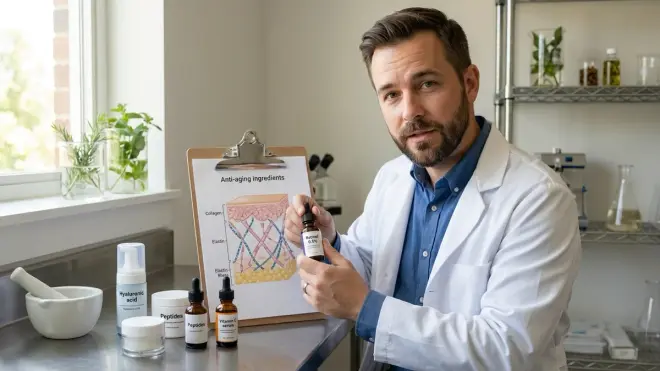
The best ingredients aging skin over 50 operate through three mechanisms: cell turnover acceleration, collagen signal amplification, and barrier fortification. Each targets a different layer of age-related decline.
Retinoids (retinol, retinaldehyde, tretinoin) bind to retinoic acid receptors in the nucleus, upregulating genes responsible for collagen synthesis and cell division. Tretinoin (0.025-0.1%) is the gold standard—it's prescription-strength and delivers the fastest results. Retinaldehyde converts to retinoic acid in one enzymatic step versus retinol's two-step conversion, making it roughly 10x more efficient. Budget option: The Ordinary Retinol 1% in Squalane delivers 1% encapsulated retinol in a squalane base for around $10 per 30ml. The downside: encapsulation slows penetration, so you're trading speed for tolerability. For mature skin, I prefer retinaldehyde at 0.05-0.1%—it's faster and less irritating than high-dose retinol. Look for formulations from Avène or Geek & Gorgeous, both manufactured in Europe with pharmaceutical-grade quality control.
Vitamin C (L-ascorbic acid, ascorbyl glucoside, tetrahexyldecyl ascorbate) inhibits tyrosinase (melanin formation) and acts as a cofactor for collagen synthesis enzymes. L-ascorbic acid at 10-20% is the most clinically validated form, but it's pH-dependent (requires pH 2.5-3.5) and oxidizes quickly. Tetrahexyldecyl ascorbate (THD) is oil-soluble, stable, and penetrates deeper without the low pH irritation—ideal for barrier-compromised 50+ skin. SkinCeuticals C E Ferulic is the benchmark (15% L-AA, 1% vitamin E, 0.5% ferulic acid), but Timeless Vitamin C + E Ferulic delivers near-identical formulation at roughly one-fifth the price per ounce. The Timeless serum oxidizes faster because it lacks the proprietary packaging, so you'll replace it every 6-8 weeks instead of 12.
Peptides are signaling molecules that tell fibroblasts to produce collagen, elastin, or glycosaminoglycans. Matrixyl 3000 (palmitoyl tetrapeptide-7 and palmitoyl oligopeptide) at 3-5% has the strongest clinical backing for wrinkle depth reduction. Argireline (acetyl hexapeptide-8) at 5-10% inhibits muscle contraction—think topical Botox, but weaker and slower. GHK-Cu (copper peptide) at 1-2% accelerates wound healing and collagen remodeling. The problem: peptides are large molecules (500-1500 Daltons) and penetrate poorly unless delivered in liposomal carriers or combined with penetration enhancers. The Ordinary Buffet + Copper Peptides 1% includes GHK-Cu plus four additional peptides for around $30 per 30ml, making it the most cost-efficient multi-peptide serum available. The catch: it pills under sunscreen and layers poorly with silicones.
Niacinamide (vitamin B3) at 4-5% strengthens barrier function by increasing ceramide synthesis, reduces inflammation, and inhibits melanosome transfer (lightens hyperpigmentation). It's one of the few actives that becomes more effective on mature skin because barrier dysfunction amplifies its benefits. CeraVe PM Facial Moisturizing Lotion contains 4% niacinamide, ceramides, and hyaluronic acid for around $15 per 3 oz—manufactured in the U.S. by L'Oréal with identical quality standards to their luxury brands. For deeper understanding of how peptides function across different applications, see Understanding Peptides in Budget Skincare for Mature Skin.
Mature skin tolerates actives differently. Your barrier is weaker, so irritation thresholds drop. But your skin is also less reactive hormonally, so you're less likely to purge or break out during retinoid initiation. Start low, ramp slow, but don't stay conservative forever—you need clinical doses to see clinical results.
Why Concentration and Formulation Matter More After 50
A 0.5% retinol serum might maintain your skin at 35. At 55, it's maintenance theater—you're not moving the needle. The best ingredients aging skin over 50 require threshold concentrations to trigger biological response. Below that threshold, you're wasting product.
Retinoids need 0.3% minimum to upregulate collagen genes meaningfully. Vitamin C requires 8-10% L-ascorbic acid (or equivalent in derivatives) to saturate ascorbate pathways. Niacinamide shows dose-dependent benefits from 2-10%, with optimal barrier repair at 4-5%. Peptides depend on molecular weight and delivery system—Matrixyl 3000 at 3% delivers measurable results; at 1%, it's cosmetic.
Formulation vehicles matter as much as active percentage. Anhydrous (waterless) bases deliver higher active stability and penetration—squalane, caprylic/capric triglyceride, and silicone carriers all work. Cream bases with emulsifiers and preservatives dilute active concentration and introduce irritation variables. For retinoids, look for airless pump packaging in opaque bottles—light and oxygen degrade potency by 50% in 12 weeks if stored in a dropper bottle.
pH compatibility is critical when layering actives. L-ascorbic acid serums (pH 2.5-3.5) will deactivate niacinamide (optimal pH 5-7) if applied simultaneously. Retinoids work best at pH 5.5-6. AHAs require pH 3-4. The solution: apply acids in the morning (vitamin C, AHAs) and retinoids at night, or separate by 20-30 minutes to allow pH stabilization between layers. For men integrating these actives into comprehensive routines, Complete Men's Grooming Routine Checklist: Morning and Night Product Order breaks down the exact sequence.
Price-per-ounce analysis reveals where you're overpaying for packaging. Paula's Choice 1% Retinol Treatment costs around $60 per 1 oz. The Ordinary Retinol 1% in Squalane costs around $10 per 1 oz. Both use 1% pure retinol. The difference: Paula's Choice includes additional peptides and antioxidants; The Ordinary is barebones. For mature skin prioritizing retinoid efficacy over supporting ingredients, the budget option wins. Spend the $50 savings on a separate peptide serum and sunscreen upgrades.
Types and Delivery Systems for Mature Skin Actives
The best ingredients aging skin over 50 come in multiple forms, each with trade-offs in stability, penetration, and irritation profile.
Retinoids: Tretinoin (Retin-A, prescription) > Retinaldehyde (Avène A-Oxitive, Geek & Gorgeous A-Game 5) > Retinol (The Ordinary, Paula's Choice) > Retinyl Palmitate (underdosed, skip). Tretinoin delivers fastest results but requires prescription and causes most irritation. Retinaldehyde is the sweet spot for mature skin—high efficacy, lower irritation, available over-counter in 0.05-0.1% concentrations. Avoid time-release or encapsulated retinols after 50 unless your barrier is severely compromised—you're slowing delivery when you need faster action.
Vitamin C derivatives: L-Ascorbic Acid (15-20%, pH 2.5-3.5) > Tetrahexyldecyl Ascorbate (THD, 5-10%, oil-soluble) > Ascorbyl Glucoside (10-30%, stable but slower conversion) > Sodium Ascorbyl Phosphate (SAP, 10-20%, weak penetration). For 50+ skin, THD in an anhydrous base delivers best results with least irritation—it penetrates deeper and doesn't require the low pH that strips weakened barriers. Geek & Gorgeous C-Glow uses 15% L-AA with ethoxydiglycol as penetration enhancer, around $15 per 30ml, manufactured in Hungary with cosmetic-grade purity testing.
Peptide complexes: Matrixyl 3000 (collagen synthesis) + Argireline (expression lines) + GHK-Cu (remodeling) is the trifecta for mature skin. The Ordinary Buffet stacks five peptides but lacks copper; Buffet + Copper Peptides adds GHK-Cu but pills under makeup. The Inkey List Collagen Peptide Serum uses 1% Matrixyl 3000 at around $15 per 30ml with a silicone-free base that layers cleanly. For body application of similar technology, How to Layer Peptide Body Lotion with Other Actives for Maximum Results extends these principles beyond facial skin.
Growth factors and exosomes: Bioregenerative actives like EGF (epidermal growth factor), KGF (keratinocyte growth factor), and plant stem cell extracts accelerate cell turnover and wound healing. They're expensive—genuine EGF serums start around $80 per ounce—but deliver measurable plumping and texture improvement in 4-6 weeks. Budget alternative: bakuchiol at 0.5-2% mimics retinoid receptor activation without the irritation. The Inkey List Bakuchiol Moisturizer delivers 1% bakuchiol for around $12 per 1 oz. It's slower than retinoids but gentler on compromised barriers. For deeper exploration, see What Are Bioregenerative Actives? Understanding Growth Factors and Exosomes.
Delivery systems: liposomal encapsulation (phospholipid vesicles that fuse with cell membranes), nanoparticle carriers (penetrate deeper but raise absorption questions), anhydrous bases (maximum stability, no preservatives), and cream emulsions (easier application but diluted actives). For retinoids and peptides, liposomal delivery reduces irritation but slows results. For vitamin C, anhydrous is non-negotiable for stability.
Frequently Asked Questions
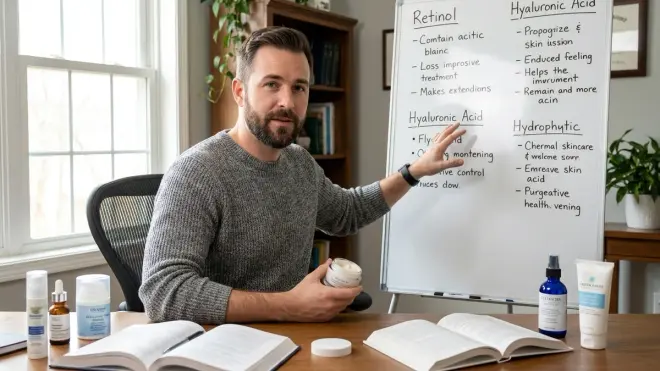
What percentage of retinol is best for aging skin over 50?
For aging skin over 50, 0.5-1% retinol is the effective starting range, with 1% delivering optimal results if your barrier tolerates it. However, retinaldehyde at 0.05-0.1% or prescription tretinoin at 0.025-0.05% outperforms high-dose retinol because they convert to retinoic acid faster and require lower concentrations to achieve the same gene upregulation. Start at 0.3-0.5% retinol or 0.025% tretinoin twice weekly, then increase frequency over 6-8 weeks until you can apply nightly without flaking or irritation.
Can you use vitamin C and retinol together after 50?
Yes, but apply them at different times—vitamin C in the morning, retinol at night—because L-ascorbic acid requires pH 2.5-3.5 and retinol works best at pH 5.5-6, and layering them simultaneously deactivates both actives. If you prefer same-session application, use a stable vitamin C derivative like tetrahexyldecyl ascorbate (THD) or ascorbyl glucoside, which function at neutral pH and won't interfere with retinoid conversion. Wait 20-30 minutes between layers to allow pH stabilization, or use a pH-adjusting toner between steps.
What is the most important ingredient for aging skin over 50?
Tretinoin (prescription retinoid) or retinaldehyde is the single most important ingredient for aging skin over 50 because it's the only active with decades of clinical evidence showing it reverses photodamage, increases collagen synthesis, and reduces wrinkle depth at the dermal level. Vitamin C and peptides support collagen production and barrier function, but retinoids directly upregulate the genetic pathways that slow during aging, making them the non-negotiable foundation of any evidence-based anti-aging protocol.
How long does it take to see results from anti-aging ingredients after 50?
Expect 12-16 weeks minimum for visible improvements from retinoids, peptides, and vitamin C on mature skin over 50, with full results taking 6-9 months of consistent application. Barrier-repair ingredients like niacinamide and ceramides show hydration improvements in 2-4 weeks, but structural changes—collagen remodeling, pigmentation fading, wrinkle depth reduction—require multiple skin turnover cycles to manifest. Mature skin turns over every 45-60 days versus 28 days in younger skin, so double your timeline expectations compared to results you saw in your 30s.
Should men over 50 use different anti-aging ingredients than women?
No, men and women over 50 benefit from identical anti-aging ingredients—retinoids, vitamin C, peptides, and niacinamide—because collagen loss, barrier weakening, and UV damage affect both sexes through the same biological pathways. Men's skin is approximately 20% thicker with higher collagen density, which means men may tolerate higher active concentrations (1% retinol or 0.05% tretinoin) with less irritation and may see faster visible improvements due to more robust dermal structure, but the active ingredients and mechanisms remain the same regardless of gender.
Summary
The best ingredients aging skin over 50 are retinoids (0.5-1% retinol or 0.025-0.1% tretinoin), vitamin C (10-20% L-ascorbic acid or 5-10% THD), peptides (3-5% Matrixyl 3000 or 1-2% GHK-Cu), and barrier-support actives (4-5% niacinamide, ceramides). These aren't suggestions—they're the only compounds with clinical evidence showing they reverse structural aging in mature skin. You need threshold concentrations to trigger biological response: underdosed serums waste your money and time.
Start with barrier repair (niacinamide, ceramides) for 2-4 weeks, then introduce retinoids at low frequency (twice weekly), and finally layer vitamin C and peptides once your skin tolerates the retinoid without flaking. Expect 12-16 weeks before you see measurable texture improvement and 6-9 months for collagen remodeling to show in wrinkle depth.
Budget formulations from The Ordinary, Geek & Gorgeous, CeraVe, and Timeless deliver clinical-grade actives at one-fifth the price of prestige brands—you're paying for ingredients, not packaging. Run the protocol consistently, measure results at 16-week intervals, and adjust concentrations based on tolerance. Your skin at 50 responds predictably to chemistry. Give it the right inputs and it will rebuild. For a comprehensive approach to building your complete regimen, How to Build a Budget Skincare Routine for Mature Skin walks through the exact product sequence and frequency. This is maintenance work—treat it like any other discipline that pays long-term dividends.