
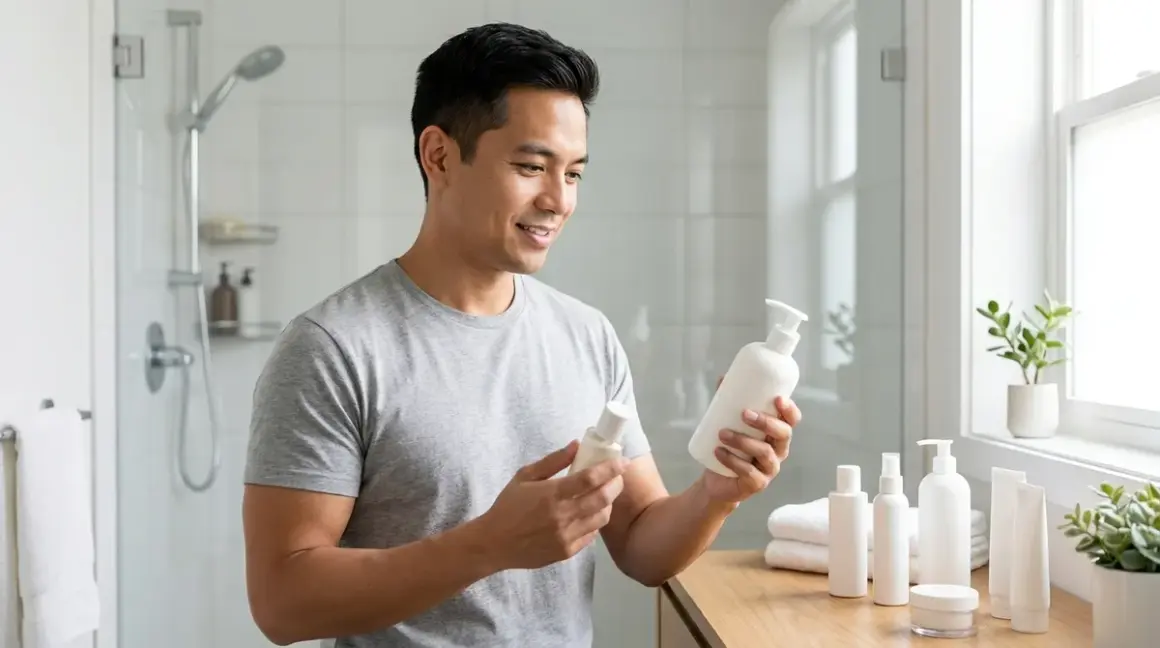

The skin remembers. It remembers every layered molecule, every active that sinks deep or sits idle on the surface. Learning how to use peptide body lotion alongside other treatment ingredients transforms routine hydration into targeted repair—firming, barrier-strengthening, texture-refining work that happens while you dress for the day. You'll discover precise sequencing protocols based on molecular weight, pH compatibility, and penetration pathways. Within these 2,800 words: active interaction maps, timing intervals that matter, and the cosmetic chemistry principles that separate performance from marketing promises.
Skill level: Intermediate
Time investment: 15-20 minutes daily (application + absorption windows)
Results timeline: 4-6 weeks for visible texture changes, 8-12 weeks for measurable firmness improvements

What You'll Need
Essential products:
- Peptide body lotion containing palmitoyl pentapeptide-4 (Matrixyl) at 3-5% or acetyl hexapeptide-8 at 5-10% concentration
- Chemical exfoliant (glycolic acid 8-12%, lactic acid 10-15%, or salicylic acid 2% for body acne)
- Antioxidant serum with L-ascorbic acid 10-20%, niacinamide 5-10%, or resveratrol 1-3%
- Retinoid body treatment (retinol 0.25-1% or adapalene 0.1%)
Optional enhancers:
- Hyaluronic acid serum (multi-weight blend: 50kDa-1.5MDa)
- Barrier repair oil (ceramide-rich or squalane-based)
- Caffeine body serum 3-5% for targeted firming (see our guide to caffeine percentage body sculpting products)
Tools:
- pH test strips (4.0-7.0 range)
- Timer or phone for waiting intervals
- Body brush for pre-application circulation (optional)
Step 1: Establish Your Baseline pH and Cleanse Strategically
The landscape of your skin determines everything that follows. After showering, the body's surface hovers around pH 5.5-6.5—a narrow window where most actives penetrate optimally. Harsh soaps push pH toward 9.0, creating temporary alkalinity that reduces peptide stability and increases irritation risk from acids.
Choose a cleanser formulated between pH 4.5-5.5. Korean body washes containing fermented ingredients naturally maintain this range while preserving the barrier function that barrier-first skincare routines prioritize. Pat skin 80% dry—leave it slightly damp. This residual moisture creates the ideal vehicle for water-soluble actives.
Test your skin's recovery pH 2-3 minutes post-cleanse using strips pressed to forearms, thighs, and abdomen. Different body zones often show pH variance of 0.5-1.0 points. Areas registering above 6.5 need gentler cleansing. Those below 5.0 may indicate over-exfoliation or barrier compromise requiring a pause on acids.
The timing here matters viscerally. You'll feel the difference between applying peptides to alkaline versus slightly acidic skin—one yields surface film and slow absorption, the other welcomes molecules inward with the efficiency of precise chemistry.
Temperature consideration: Hot water strips lipids and elevates pH more aggressively than warm. If post-shower pH consistently exceeds 6.5, lower water temperature by 5-10°F.
Step 2: Apply Chemical Exfoliants First (When Using Them)
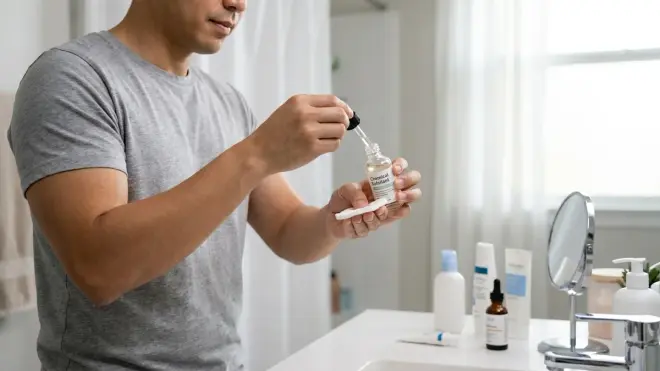
Acids occupy the frontline position. Their low pH (typically 3.0-4.0) demands first contact with bare skin to function correctly. The Paula's Choice Skin Revealing Body Lotion 10% AHA demonstrates ideal formulation—10% glycolic acid buffered to pH 3.8, lightweight enough to spread across large surface areas without greasiness.
Dispense a nickel-sized amount per body zone. Smooth over arms, legs, torso using upward strokes that follow lymphatic drainage patterns. The scent profile: sharp, slightly medicinal, fading within 60 seconds. The texture: watery-gel that absorbs in 45-90 seconds, leaving a barely-there tackiness signaling the acid's continued surface work.
Wait 5-10 minutes. This interval isn't negotiable. Peptides are pH-sensitive—most degrade or lose efficacy below pH 4.5. Applying them directly over freshly-applied acids wastes their expensive amino acid chains. Use this window for hair drying, fragrance application to pulse points, or getting dressed from the waist up.
For retinoid users: If you're alternating acids and retinol on different nights, skip this step entirely on retinoid evenings. Combining both creates compounding exfoliation that often exceeds skin's renewal capacity, manifesting as redness, flaking, or that tight sensation signaling barrier stress.
Frequency framework: Acids 2-3x weekly maximum for body skin, which renews slower than facial tissue (28-35 days versus 21-28 days).
Step 3: Layer Antioxidants for Penetration Enhancement
Vitamin C, niacinamide, resveratrol—these actives don't just protect against oxidative stress. They create a primed environment that amplifies peptide penetration and collagen-synthesis signaling. The science: antioxidants neutralize free radicals that otherwise intercept peptide molecules before they reach dermal targets.
Niacinamide at 5-10% works synergistically with peptides. Both upregulate collagen and elastin production through complementary pathways—niacinamide via fibroblast stimulation, peptides via direct matrix communication. The The Ordinary Niacinamide 10% + Zinc 1% costs approximately $6 per ounce and performs identically to luxury body formulations testing at the same concentration. pH: 6.0-6.5, making it stable after your acid-waiting period.
Apply 2-3 pumps across still-slightly-damp skin. You'll notice immediate smoothness—that's the humectant effect of niacinamide drawing ambient moisture into the stratum corneum. The finish: dry-touch matte within 90 seconds, creating the perfect canvas for peptide adhesion.
Vitamin C alternatives: If using L-ascorbic acid instead, apply it before acids (both share low pH requirements). Magnesium ascorbyl phosphate or ascorbyl glucoside work at higher pH, positioning them here in the antioxidant slot.
Wait 2-3 minutes for complete absorption. Touch your forearm—if you feel residual slip, wait another minute. Peptides need direct skin contact, not suspension in another product's base.
Step 4: Apply Peptide Body Lotion Using Specific Techniques
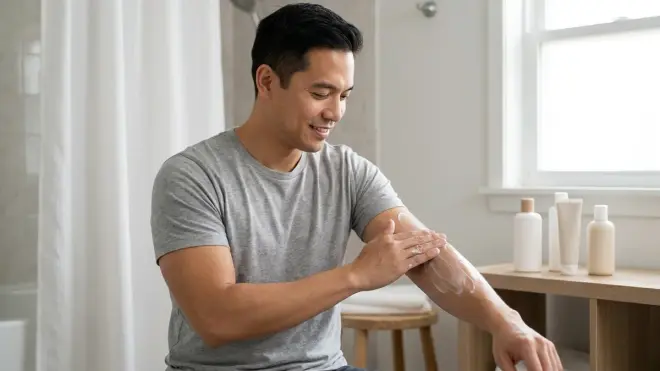
This is the moment. The air smells faintly of whatever antioxidant you've chosen—the green-tea whisper of niacinamide, the sharp vitamin-C brightness now mellowed. Your skin feels taut, receptive, slightly cool from evaporation.
Understanding how to use peptide body lotion correctly means recognizing molecular weight limitations. Peptides rarely penetrate beyond the upper dermis (most hover in the epidermis). Their power comes from sustained, repeated signaling—not single-application depth. You're creating a daily communication loop between topical molecules and cellular machinery.
Dispense a quarter-sized amount per major body zone. Quality formulations contain 3-5% total peptide concentration combining multiple types: signal peptides (Matrixyl family), carrier peptides (copper peptides at 1-3%), and neurotransmitter-inhibitor peptides (Argireline at 5-10%). The Versed Weekend Glow Daily Brightening Solution body version demonstrates this multi-peptide approach at accessible pricing—approximately $15 for 8.5 ounces.
Application pattern: Use firm, circular motions for 30-45 seconds per zone. This mechanical stimulation increases microcirculation, warming skin slightly (you'll feel the shift in temperature) and dilating capillaries for better active delivery. Focus on areas showing crepiness, loose texture, or early sagging: upper arms, inner thighs, décolletage.
The texture unfolds in layers. Initial contact feels rich, almost occlusive. Then a shift—absorption accelerates, the cream becomes weightless, and you're left with that peculiar silky-dry finish characteristic of silicone-free peptide formulations. Silicones create slip but can form barriers that trap peptides at the surface. Look for formulations using natural esters (caprylic/capric triglyceride, isopropyl palmitate) instead.
Problem areas protocol: For body sculpting concerns like abdominal laxity or thigh texture, apply peptide lotion using upward sweeping motions with moderate pressure—enough to create mild erythema (pinkness) that fades within 2-3 minutes.
Step 5: Seal Everything with Targeted Barrier Support
Peptides work optimally in well-hydrated environments. Trans-epidermal water loss (TEWL) exceeding 15g/m²/h undermines their signaling capacity—the cellular environment becomes too stressed to respond to regenerative prompts.
For normal-to-oily skin: Skip additional layers. The peptide lotion base provides sufficient occlusion.
For dry or mature skin: Add a barrier-repair final step 3-5 minutes after peptide application. This matters especially in low-humidity environments (below 40%) where TEWL naturally accelerates. A ceramide-dominant formula replicates the skin's natural lipid ratio (ceramides 50%, cholesterol 25%, fatty acids 15%). The CeraVe Healing Ointment offers this profile at approximately $10 per 12-ounce tube—exceptional price-per-ounce metrics for pharmaceutical-grade barrier support.
Apply sparingly—a pea-sized amount per body zone. Press gently into skin rather than rubbing. You're creating a semi-occlusive seal, not a grease layer. The finish should feel protected, not slippery.
Squalane alternative: For those avoiding petroleum-derived ingredients, plant-derived squalane (olive or sugarcane) provides comparable barrier enhancement at 2-3% inclusion rates. It oxidizes slowly, maintains stability through temperature fluctuations, and absorbs in 60-90 seconds despite its oil base.
This layering sequence—acid → antioxidant → peptide → barrier—mirrors principles from Korean skincare layering protocols, adapted for body-specific penetration challenges and larger surface areas.
Step 6: Integrate Retinoids on Alternating Days
Retinoids and peptides theoretically complement each other: retinol accelerates cell turnover, peptides direct new cells toward optimal collagen architecture. Reality proves more nuanced. Both actives compete for the same penetration pathways and can destabilize each other when combined in unstable formulations.
The split-schedule approach:
- Monday, Wednesday, Friday: Acid (optional) → antioxidant → peptide → barrier
- Tuesday, Thursday, Saturday: Antioxidant → retinoid → barrier (skip peptides)
- Sunday: Barrier repair only (recovery day)
Apply retinoid formulations to completely dry skin. The molecular structure of retinol destabilizes in aqueous environments, generating increased irritation without proportional efficacy gains. Wait 20-30 minutes after your last water-based product.
Concentration guidance for body application:
- Beginners: 0.25% retinol or 0.1% adapalene 2x weekly
- Intermediate: 0.5-1% retinol or 0.3% retinol + bakuchiol 3x weekly
- Advanced: 1% retinol or prescription tretinoin 0.025% 3-4x weekly
Body skin tolerates retinoids differently than facial tissue. You'll notice less flaking but potentially more widespread sensitivity—a diffuse pinkness across application zones rather than localized peeling. This reflects body skin's thicker stratum corneum (10-15 cell layers versus face's 8-12) but fewer sebaceous glands to buffer irritation.
The timing ritual: Evening application always, 30+ minutes before bed to avoid transfer to sheets. Morning sunlight degrades retinoids within 90 minutes of exposure. If applying peptides in the morning and retinoids at night, maintain a 10-12 hour separation window.
Step 7: Add Hyaluronic Acid for Peptide Delivery Enhancement
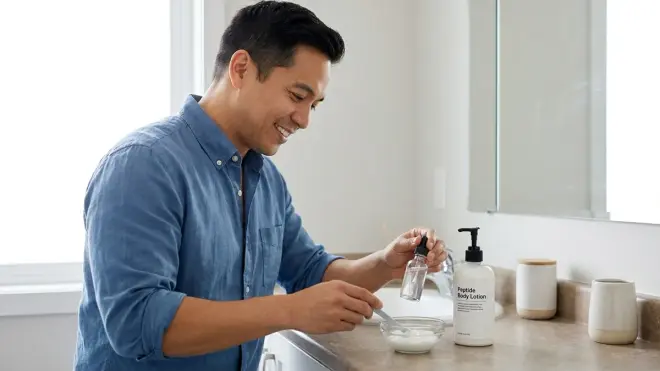
Hyaluronic acid (HA) occupies a unique position—it's technically optional but functionally transformative for how to use peptide body lotion in dry climates or during winter months. Its humectant properties create a hydrated matrix that peptides traverse more efficiently.
Molecular weight matters profoundly:
- High MW (1-1.5MDa): Stays surface-level, forms protective film, prevents moisture loss
- Medium MW (100-300kDa): Penetrates upper epidermis, plumps appearance
- Low MW (5-50kDa): Reaches deeper epidermal layers, may cause temporary irritation in sensitive skin
Multi-weight blends deliver comprehensive hydration. Apply HA serum immediately after antioxidants, before peptide lotion. The sequence: damp skin → antioxidant → 2-minute wait → HA serum on still-damp surface → 3-minute wait → peptide lotion.
You'll feel the layered hydration viscerally. Skin develops a subtle bounce, a resilience absent in peptide-only routines. This isn't imagination—studies using corneometry (skin hydration measurement) show HA + peptide combinations increase moisture content 23-31% more than peptides alone over 4-week periods.
Application specificity: Focus HA on rougher body zones—elbows, knees, heels—where thickened skin benefits from aggressive humectant intervention. These areas also show the slowest peptide penetration; HA creates pathways through the dense, compacted corneocytes.
For barrier repair contexts, HA becomes essential rather than optional. Compromised barriers leak moisture constantly; without humectant support, peptides work in a dehydrated environment where cellular signaling operates at reduced efficiency.
Step 8: Monitor Response and Adjust Frequencies
The body announces its limits clearly if you're listening. Peptide layering creates cumulative active exposure that skin may welcome or reject based on individual tolerance thresholds.
Positive response indicators (week 2-4):
- Increased smoothness without active peeling
- Subtle firmness in previously lax areas
- Even tone development
- No persistent redness beyond 5-10 minutes post-application
Overload signals requiring immediate adjustment:
- Redness lasting 30+ minutes
- Itching or burning sensation
- Unexpected breakouts (rare with peptides, common with occlusives in humid climates)
- Increased sensitivity to fabric friction
Scale back when overload appears. Drop to peptides 4-5x weekly instead of daily. Eliminate acids entirely for 1-2 weeks. Add extra barrier support using ceramide-rich formulations from barrier repair protocols.
Performance tracking: Photograph target areas in consistent lighting every 2 weeks. Peptide changes manifest slowly—texture refinement before visible firming, firmness before dimensional changes. The timeline mirrors bioregenerative actives—cellular-level improvements precede surface visibility by 3-4 weeks.
Climate adaptation: Humidity below 40% requires more barrier support, less frequent acid use. Humidity above 70% allows lighter moisturization, potentially more frequent exfoliation. Body skin's needs shift seasonally more dramatically than facial skin due to clothing coverage variations and environmental exposure patterns.
Pro Tips & Common Mistakes
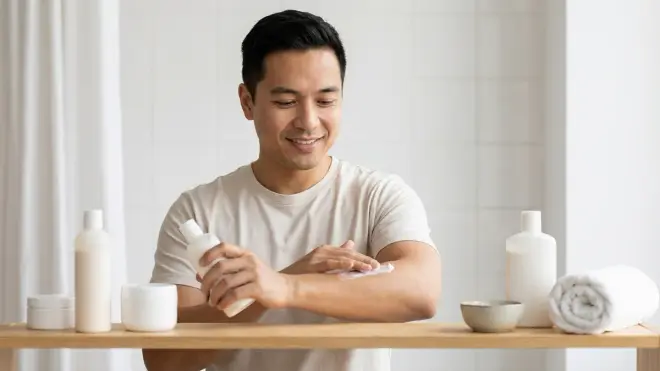
The waiting-period mistake: Rushing between steps wastes product and generates irritation. Each active needs 2-5 minutes for pH adjustment, penetration initiation, and base evaporation. The full routine requires 15-20 minutes—less time than most people spend choosing an outfit, more impact than most single-product interventions could achieve.
Concentration isn't everything. A 10% peptide lotion poorly formulated with destabilizing preservatives underperforms a 3% version using encapsulation technology or stable peptide analogs. Look for airless pump packaging (minimizes oxidation) and formulations listing peptides in the first 5-7 ingredients. Marketing percentages mean nothing if the peptide degrades before reaching your skin.
Temperature sensitivity: Store peptide products below 77°F. Heat degrades amino acid chains within weeks. That bathroom cabinet above your radiator? It's destroying actives faster than you're applying them. Consider bedroom storage or climate-controlled spaces.
The texture-reading skill: Learn how absorption feels across your body. Chest and back absorb faster than extremities. Shins require 40% more product than thighs for equivalent coverage. Arms need upward application following hair growth patterns to prevent follicular buildup. These aren't arbitrary preferences—they're penetration physics shaped by skin thickness variations, follicle density, and microcirculation patterns.
Niacinamide-vitamin C myth: Despite persistent internet warnings, niacinamide and L-ascorbic acid coexist peacefully in modern formulations buffered above pH 5.0. The "flushing" reaction occurs with niacinamide converted to nicotinic acid (a different compound) in extremely acidic environments—a formulation flaw, not an ingredient incompatibility. If using separate products, the 2-3 minute wait between applications prevents any theoretical interaction.
Don't neglect hands and feet. These high-exposure zones show aging fastest yet receive the least treatment attention. Extend peptide application to dorsal hands and tops of feet—they'll respond within 6-8 weeks with improved texture and diminished visibility of underlying structures.
Frequently Asked Questions
Can I use peptide body lotion immediately after exfoliating with acids?
No—wait 5-10 minutes minimum after acid application before applying peptides. Chemical exfoliants lower skin pH to 3.0-4.0, a range where most peptides (formulated for pH 5.0-7.0) destabilize or degrade. The waiting period allows skin's natural buffering systems to restore toward neutral pH, creating a stable environment for peptide signaling without molecular breakdown or increased irritation risk.
How long does it take to see results from layered peptide routines?
Texture improvements appear within 3-4 weeks as peptides accelerate cell turnover and improve hydration retention. Firmness changes become visible at 6-8 weeks when enough new collagen and elastin fibers accumulate to create structural support. Dimensional improvements (actual tightening of loose areas) require 10-12 weeks of consistent application since you're rebuilding dermal architecture, not just improving surface appearance—similar timelines to bioregenerative skincare protocols.
Should I apply peptide body lotion to damp or completely dry skin?
Apply to skin that's 80% dry—slightly damp but not dripping. This residual moisture (less than 5% surface water) enhances peptide penetration by temporarily increasing stratum corneum permeability without diluting the formulation concentration. Completely wet skin over-dilutes actives, while bone-dry skin creates penetration resistance requiring higher product volumes to achieve equivalent results.
Can I mix peptide body lotion with other products to save time?
Avoid mixing products in your palm—you're creating an unstable, uncontrolled formulation where pH shifts randomly, actives may interact unpredictably, and concentrations dilute unevenly. Each product was formulated at specific pH, viscosity, and active ratios for optimal stability and penetration. Mixing destroys these parameters, often converting two effective products into one mediocre blend with reduced efficacy and increased irritation potential from destabilized preservatives.
Summary
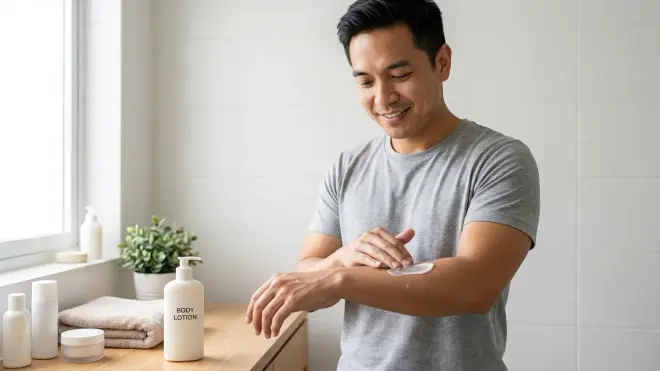
Layering peptide body lotion with complementary actives transforms simple hydration into targeted tissue regeneration. The sequence—acids first on bare skin, then antioxidants, peptides, and barrier support—respects pH requirements, molecular weights, and penetration pathways that determine whether expensive actives sink deep or sit idle on the surface.
How to use peptide body lotion effectively means understanding that timing intervals matter as much as product selection, that body skin tolerates different active concentrations than facial tissue, and that results compound slowly through sustained signaling rather than dramatic overnight transformations.
The ritual takes 15-20 minutes but restructures skin at the cellular level—directing collagen synthesis, improving barrier integrity, creating the firmness and texture that no single product achieves alone. Your skin remembers every layered molecule. Make each one count.