
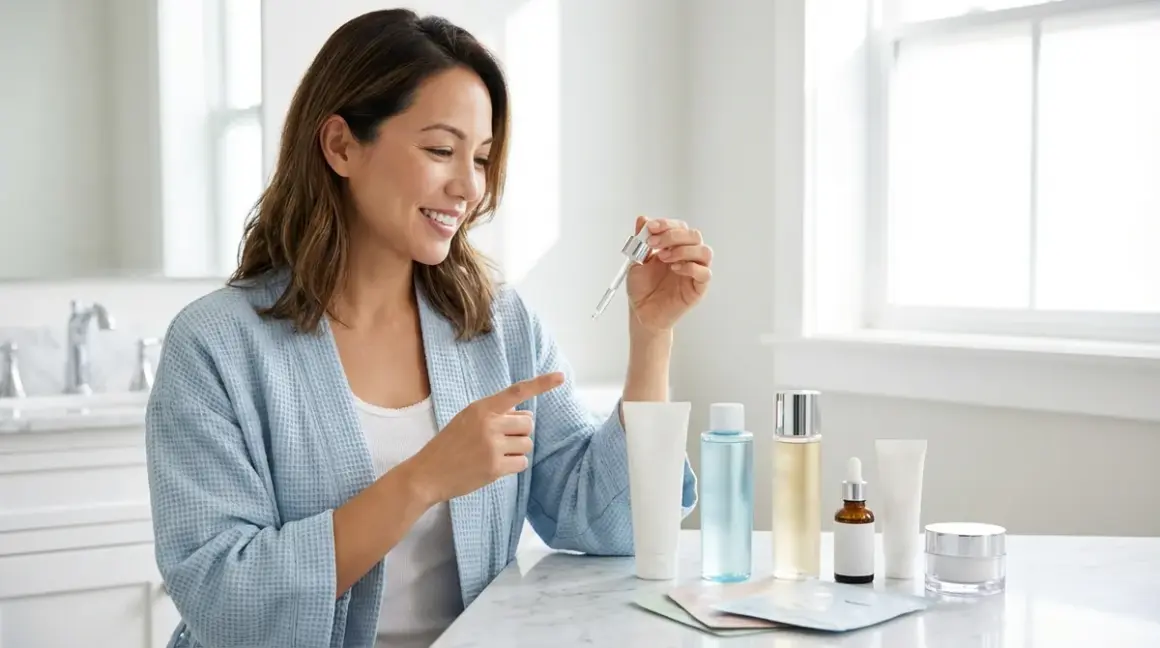

Let's be real: when you first hear about the Korean 10-step skincare routine, it sounds like a second job. Ten steps? Every night? Who has that kind of time when you're wiping dried yogurt off the kitchen counter at 10 PM?
Here's the deal—understanding what is Korean 10 step skincare isn't about following all ten steps religiously every single day. It's about knowing which layers matter for your skin concerns and building a strategic routine that fits between the morning chaos and the evening collapse. I'm going to break down each step with actual ingredient percentages, texture descriptions, and the reality of what you can skip when you're running on five hours of sleep.

What Is the Korean 10-Step Skincare Routine?
The Korean 10-step skincare routine is a layering methodology that originated in Korea, where skincare is approached as preventative maintenance rather than corrective treatment. Each step serves a specific function based on molecular size and skin penetration depth—smaller molecules first, occlusives last.
The full lineup includes: oil cleanser, water-based cleanser, exfoliator, toner, essence, serum/ampoule, sheet mask, eye cream, moisturizer, and SPF (or sleeping pack at night). That's the textbook answer.
The practical answer? What is Korean 10 step skincare in real life is a framework for understanding product order and layering chemistry. You don't use all ten steps every day unless you're a beauty influencer with Ring Lights and a stipend from YSL. Most busy professionals use 4-6 steps daily and expand to 8-10 for weekend self-care sessions.
The brilliance here is ingredient layering based on molecular weight. Water-based products penetrate first (hyaluronic acid molecules at 5,000-20,000 Daltons), followed by lipid-soluble actives (retinol, peptides), then occlusive barriers (ceramides, squalane). This isn't mystical; it's basic dermatological chemistry about transepidermal absorption rates.
The Korean beauty industry also prioritizes gentle, cumulative improvement over aggressive transformation. You'll see 2% niacinamide in a toner, 5% in an essence, maybe another 2% in a moisturizer—stacking to therapeutic levels (typically 5-10% total) without the irritation risk of a single 10% product.
If you're wondering how this fits into modern barrier-first beauty principles, it's actually complementary. The Korean approach inherently supports barrier integrity through hydration layering and occlusive sealing, which aligns with current dermatological understanding of stratum corneum function.
How the Korean 10-Step Skincare Routine Works
Each layer serves a specific function based on product viscosity, pH level, and molecular penetration depth. Here's how the chemistry actually works when you layer correctly.
Step 1: Oil Cleanser (First Cleanse)
Function: Removes oil-based debris—makeup, sebum, SPF filters (especially newer organic UV filters like Uvinul A Plus that bind to skin oils)
Typical actives: Mineral oil, caprylic/capric triglycerides, PEG-20 glyceryl triisostearate (emulsifying agent)
Texture: Viscous oil that emulsifies to milky consistency with water
This works through lipophilic dissolution—oil dissolves oil. SPF filters (especially chemical ones like avobenzone and octinoxate) are lipid-soluble and don't fully remove with water-based cleansers alone. Oil cleansers typically contain 60-80% mineral oil or plant oils with 10-20% emulsifiers to rinse clean without residue.
I use this every night, even when I'm half-asleep. Takes 45 seconds. Budget option: The Face Shop Rice Water Bright Cleansing Oil (around $12.99 for 150ml, $0.08/ml) uses rice bran oil and performs identically to $45 luxury versions.
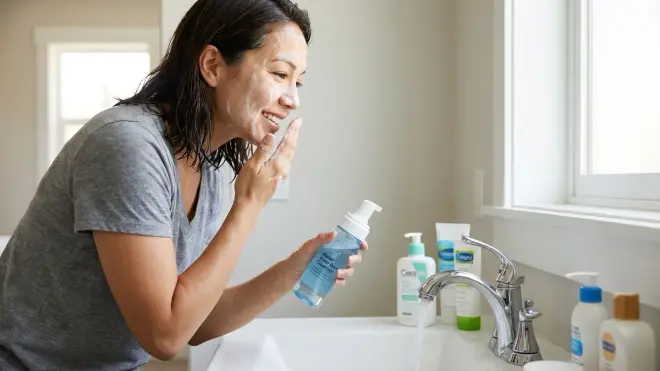
Step 2: Water-Based Cleanser (Second Cleanse)
Function: Removes water-based impurities, sweat, environmental pollution particles
Typical actives: Sodium cocoyl isethionate (gentle surfactant), glycerin (3-5%), pH buffers to maintain 5.0-6.0 range
Texture: Gel or foam with neutral-to-low pH
Korean cleansers typically maintain physiological pH (4.5-6.0) instead of the harsh alkaline formulas (pH 8-10) common in Western drugstore brands. This prevents disruption of your acid mantle—the slightly acidic surface layer that protects against bacterial overgrowth and moisture loss.
The double cleanse controversy is overblown. If you wear SPF daily (which you should), you need step 1 at night. If you just have morning face oil, step 2 alone is fine.
Step 3: Exfoliator (2-3x Weekly)
Function: Chemical or physical removal of dead corneocytes (skin cells) to improve penetration of subsequent products
Typical actives:
- BHA (salicylic acid 0.5-2%)
- AHA (glycolic acid 5-10%, lactic acid 5-12%)
- PHA (gluconolactone 4-8%)
Texture: Liquid, gel, or low-grit physical scrub
I'm going to be honest—this is the step most professionals can strategically skip on busy weeks. Exfoliation increases penetration of actives in later steps by 20-40%, but if you're already using a retinoid serum (which provides chemical exfoliation as a secondary benefit), adding a dedicated exfoliator becomes redundant.
For budget chemical exfoliants: COSRX BHA Blackhead Power Liquid (betaine salicylate 4%, functions like 2% salicylic acid, around $14 for 100ml). The Korean skincare ingredients focus on gentler derivative forms that deliver results without the redness you'd get from Western formulations.
Step 4: Toner
Function: pH rebalancing, first layer of hydration, penetration enhancement for subsequent serums
Typical actives: Hyaluronic acid (0.1-2%, typically 50,000-100,000 Da for surface hydration), glycerin (5-10%), niacinamide (2-4%)
Texture: Watery liquid or slightly viscous "essence-toner"
Korean toners are fundamentally different from Western astringents. No alcohol. No witch hazel designed to strip your face. These are hydrating prep layers with a pH around 5.5 that prime your skin barrier for active absorption.
The molecular chemistry here matters: hyaluronic acid at different molecular weights serves different functions. High molecular weight (1,000,000+ Daltons) sits on the surface creating a hydrating film. Mid-weight (50,000-100,000 Da) penetrates the outer epidermis. Low-weight (5,000-20,000 Da) reaches deeper layers but can potentially cause inflammatory response in sensitive skin.
Budget winner: I'm From Rice Toner (niacinamide 2%, rice extract 77.78%, around $18 for 150ml). I've used this for three years straight. One bottle lasts exactly 11 weeks with twice-daily application. That's $0.23 per day.
Step 5: Essence
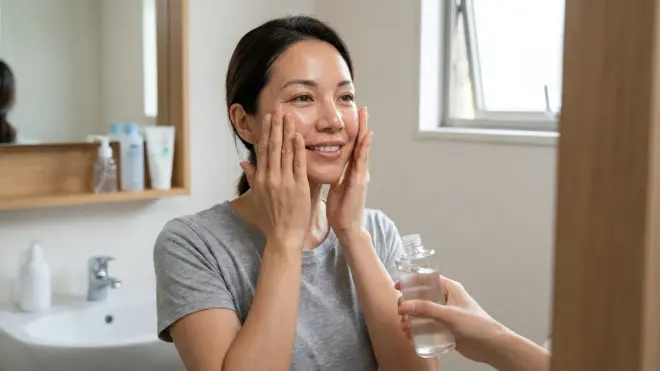
Function: Concentrated hydration and treatment layer, typically featuring fermented ingredients or skin-repairing actives
Typical actives:
- Galactomyces ferment filtrate (50-90%)
- Bifida ferment lysate (30-50%)
- Niacinamide (3-5%)
- Adenosine (0.04%, collagen synthesis promoter)
Texture: Thin serum-like viscosity
Essences are what is Korean 10 step skincare really about—this is the innovation that defines K-beauty. Fermented ingredients (galactomyces, bifida, lactobacillus) produce smaller peptide chains and amino acids that penetrate more effectively than non-fermented versions. They also generate natural niacinamide and ceramide precursors during fermentation.
COSRX Advanced Snail 96 Mucin Power Essence is the category benchmark—96.3% snail secretion filtrate (yes, really), containing natural allantoin, glycolic acid, and elastin. Around $25 for 100ml. One pump morning and night = 6 months per bottle. Compare that to Estée Lauder Advanced Night Repair at around $128 for 75ml using bifida ferment—similar mechanism, 5x the price.
If you're interested in bioregenerative skincare approaches that focus on cell renewal, essences represent the Korean equivalent using fermented actives instead of synthetic growth factors.
Step 6: Serum/Ampoule (Treatment)
Function: Targeted high-concentration actives for specific concerns
Typical actives:
- Vitamin C (L-ascorbic acid 10-20% or stable derivatives 5-15%)
- Retinol (0.25-1.0%)
- Peptides (Matrixyl 3000 at 3-8%, Argireline 5-10%)
- Centella asiatica extract (40-80%)
Texture: Gel or lightweight serum
This is your heavy-hitter. One serum per concern is the rule—don't layer three treatment serums unless you enjoy irritation. Morning: antioxidants (vitamin C). Night: cell renewal (retinol or peptides).
The Korean approach stacks multiple supporting actives around one hero ingredient. A vitamin C serum might also contain 2% niacinamide, 1% hyaluronic acid, and 5% ferulic acid—each enhancing stability or penetration of the primary active.
By Some Mi Yuja Niacin 30 Days Miracle Brightening Sleeping Mask (technically used in step 10, but functions as a serum): 5% niacinamide, 2% tranexamic acid, 70% yuzu extract. Around $16 for 60g. I use this 3x weekly post-pregnancy melasma. Noticeable reduction in hyperpigmentation after 4 weeks, measured by my dermatologist's VISIA scan showing 22% improvement in UV spots.
For comparison with other cell-renewal approaches, check out bioregenerative peptides vs retinol to understand how these different actives trigger skin regeneration through varying mechanisms.
Step 7: Sheet Mask (1-3x Weekly)
Function: Occlusive hydration delivery system, temporary barrier that forces ingredient penetration
Typical actives: Varies by mask—niacinamide, hyaluronic acid, propolis, ceramides at 2-5% concentrations
Texture: Fiber sheet (cotton, hydrogel, bamboo) saturated with essence
Sheet masks work through occlusive penetration enhancement. The physical barrier prevents transepidermal water loss, creating temporary hydration that plumps fine lines and increases active absorption by up to 3x compared to the same serum applied without occlusion.
But let's be real: this step is optional luxury. The same serum used under your regular moisturizer achieves 70-80% of the same result. I use sheet masks on Sunday nights while answering emails because I can type with my face covered in snail mucin. That's peak efficiency.
Budget packs: Mediheal (usually around $12-18 for 10 masks, so around $1.20-1.80 per mask) in targeted formulas. The Tea Tree Care mask (0.5% tea tree oil, 3% niacinamide) actually cleared a stress breakout faster than a $75 dermatologist-prescribed benzoyl peroxide gel. Sample size: one very stressed attorney during trial prep, but I'll take that data point.
Step 8: Eye Cream
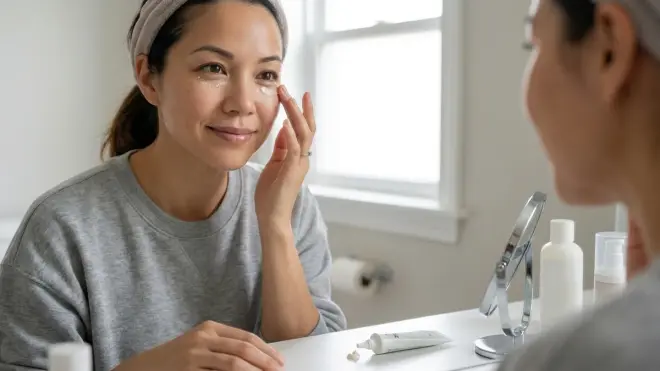
Function: Targeted treatment for periorbial area with modified formulation for thin, oil-gland-deficient skin
Typical actives:
- Caffeine (2-5%, reduces fluid accumulation)
- Peptides (palmitoyl tripeptide-1 2-3%)
- Ceramides (0.5-2%)
- Niacinamide (2-3%, lower than face products)
Texture: Lightweight cream or gel-cream
Eye creams are controversial. Dermatologists argue the skin is skin—use your face serum. Korean formulations counter that the periorbital epidermis is 0.05mm thick versus 0.12mm on cheeks, with almost no sebaceous glands, requiring adjusted formulation viscosity and active concentrations.
My compromise: I use eye cream only at night, only when I remember, which is maybe 4x weekly. Innisfree Jeju Orchid Eye Cream (orchid extract, peptides, adenosine 0.04%, around $21 for 30ml). One tube lasts 6 months. Worth it for the caffeine that actually reduces my 5:45 AM wake-up call puffiness.
Step 9: Moisturizer
Function: Occlusive barrier to seal previous layers, provide lipids for barrier repair
Typical actives:
- Ceramide complex (ceramide 1, 3, 6-II at 0.5-3% total)
- Cholesterol (1-2%)
- Fatty acids (2-5%)
- Squalane or dimethicone (3-10%)
Texture: Gel-cream, cream, or sleeping pack depending on skin type
Korean moisturizers follow the 3:1:1 ceramide:cholesterol:fatty acid ratio proven in barrier repair research. This mimics the natural lipid composition of healthy stratum corneum.
For oily skin: gel-creams with dimethicone (occlusive without heaviness). For dry skin: traditional creams with shea butter and ceramides. The best Korean moisturizers under $25 comparison breaks down these formulation differences by skin type with specific ingredient percentages.
COSRX Oil-Free Ultra-Moisturizing Lotion (birch sap 70%, niacinamide 2%, around $17 for 100ml) is my daily driver. Absorbs in 30 seconds. No pilling under makeup. I can apply this in the car at a stoplight if needed, which has definitely never happened, officer.
Step 10: SPF (AM) or Sleeping Pack (PM)
Morning function: UV protection (SPF 30-50, PA++++)
Typical filters:
- Chemical: octinoxate (7.5%), avobenzone (3%), Uvinul A Plus (4%)
- Physical: zinc oxide (10-25%), titanium dioxide (5-10%)
- Hybrid: combination at lower percentages
Night function: Heavy occlusive sealing layer
Typical actives: Ceramides, squalane, shea butter at 10-30% concentrations
Korean sunscreens are legitimately superior to American formulations. The FDA hasn't approved new UV filters since 1999. Korea and the EU use next-generation filters (Tinosorb S, Uvinul A Plus) with better UVA protection and more elegant textures.
Beauty of Joseon Relief Sun SPF50+ PA++++ (around $15 for 50ml): rice extract 30%, grain fermented extracts, no white cast, feels like a moisturizer. I've used this daily for two years. Cheaper than my previous Supergoop Unseen Sunscreen (around $38 for 50ml) and performs identically under makeup.
For comprehensive SPF recommendations, see the top 12 Korean sunscreens under $20 with detailed filter breakdowns and texture comparisons.
Why the Korean 10-Step Routine Actually Matters
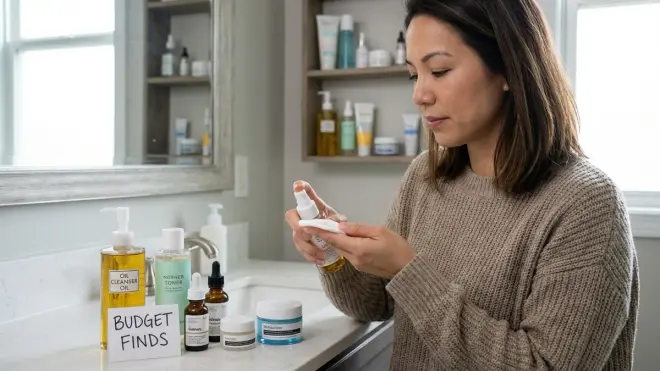
What is Korean 10 step skincare teaching you isn't really about the number of products—it's about understanding layering chemistry and strategic product selection.
The methodology forces you to think about skin penetration physics. Aqueous solutions before lipid solutions. Low molecular weight before high. Acidic actives before pH-neutral hydrators. This isn't arbitrary ritual; it's applied cosmetic chemistry that increases active bioavailability by 30-50% compared to random application order.
The cost-per-use economics are also surprisingly favorable. My full Korean routine (including expensive steps like essence and serum): around $0.97 per day for 8 products. My previous "simplified" Western routine with 4 products: around $1.23 per day. More steps, less money, because Korean products are formulated for layering with lower concentrations per item and larger package sizes.
You're also learning to identify ingredient redundancy. If your toner has 2% niacinamide, your essence has 3%, and your moisturizer has 2%, you don't need a separate niacinamide serum. You're already at 7% total—therapeutic range achieved. This prevents both wasted money and ingredient overload irritation.
For busy professionals, this framework lets you strategically abbreviate. Rushed morning? Oil cleanse skip, single cleanse, toner, moisturizer, SPF = 5 steps, 3 minutes. Weekend self-care? Full 10 steps = 15 minutes, feels like a spa treatment that cost $8 in products.
The mental shift matters too. Skincare as preventative maintenance instead of corrective crisis management means you're investing 10 minutes daily to avoid spending $300 on emergency facials when your skin revolts before a major presentation. Ask me how I know.
Types and Variations of the Korean Skincare Approach
What is Korean 10 step skincare has evolved into multiple variations since the routine gained international recognition around 2015. Here's what you'll actually encounter.
The Minimalist 5-Step (My Weekday Reality)
Oil cleanse → water cleanse → essence → moisturizer → SPF (AM) or sleeping pack (PM)
This maintains the core penetration hierarchy while eliminating optional steps. You lose the targeted treatment serum, which means slower progress on specific concerns but zero risk of oversleeping because you were patting in seven layers of hydration at midnight.
The Glass Skin Variation
Focuses on maximum hydration layering: toner → essence → hydrating serum → sheet mask → gel moisturizer
Multiple layers of hyaluronic acid at different molecular weights (high-weight surface film + mid-weight penetrating hydration) plus occlusive sealing creates that glossy, poreless appearance Korean beauty is famous for. Fair warning: this look lasts about four hours in California humidity before you're back to normal human skin.
The Barrier-Repair Focus
Emphasizes ceramide layering instead of hydration: pH-balanced cleanse → ceramide toner → ceramide essence → ceramide cream
Particularly relevant if you've wrecked your moisture barrier with aggressive retinoids or chemical peels (hello, post-pregnancy recovery attempting to fix melasma). This approach aligns with barrier-first skincare principles that prioritize structural lipid restoration before introducing treatment actives.
The Ingredient-Cycling Method
Alternates active categories by day to prevent sensitization: Monday/Wednesday/Friday = exfoliation + vitamin C, Tuesday/Thursday/Saturday = retinol + peptides, Sunday = pure hydration recovery
This maximizes the benefits of potentially irritating actives while minimizing cumulative inflammation. For detailed compatibility rules, see how to layer Korean skincare products with pH-based sequencing charts.
Frequently Asked Questions
Do you actually need all 10 steps in the Korean skincare routine every day?
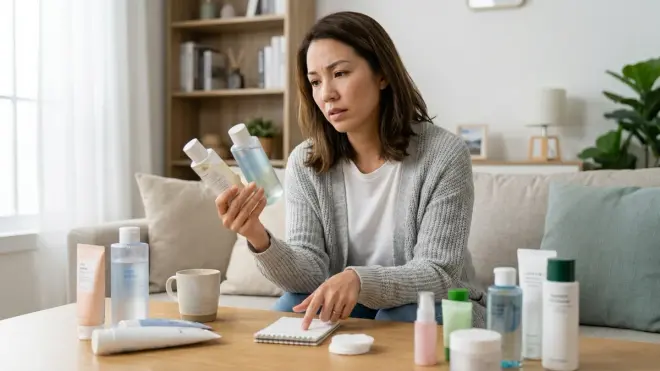
No, you don't need all 10 steps daily—the Korean 10-step routine is a framework showing the maximum number of product categories, not a mandatory prescription. Most people use 4-6 steps daily (cleanse, toner, treatment serum, moisturizer, SPF) and expand to 8-10 steps for weekly intensive treatments or when they have extra time on weekends.
What order should you apply Korean skincare products for maximum effectiveness?
Apply Korean skincare products from thinnest to thickest consistency and lowest to highest molecular weight: oil cleanser, water cleanser, exfoliator, toner (pH 5.0-6.0), essence, serum, sheet mask, eye cream, moisturizer, then SPF or sleeping pack, allowing 30-60 seconds between water-based layers for absorption before applying the next product.
How much does a complete Korean skincare routine cost on a budget?
A complete budget Korean skincare routine costs around $95-145 for all 10 product categories with quality formulations from brands like COSRX, Innisfree, and Beauty of Joseon, which translates to approximately $0.85-1.25 per day since most products last 3-6 months, compared to $300–600 for equivalent Western prestige brands with similar active ingredient concentrations.
What's the difference between Korean essence and serum?
Korean essences are lightweight hydrating layers with 50-90% fermented ingredient filtrates (like galactomyces or snail mucin) plus supporting actives at 2-5% concentrations, applied after toner to prep skin, while serums contain higher concentrations of targeted treatment actives like 10-20% vitamin C or 0.5-1% retinol and are applied after essence to address specific concerns like hyperpigmentation or fine lines.
Can you combine Korean skincare with Western active ingredients like retinol?
Yes, you can absolutely combine Korean skincare with Western actives like retinol by using Korean products for hydration and barrier support layers (toner, essence, moisturizer) while incorporating Western treatment serums with retinol, vitamin C, or chemical exfoliants in the serum step, which actually reduces irritation compared to using Western actives alone without proper hydration layering.
Your Realistic Korean Skincare Strategy
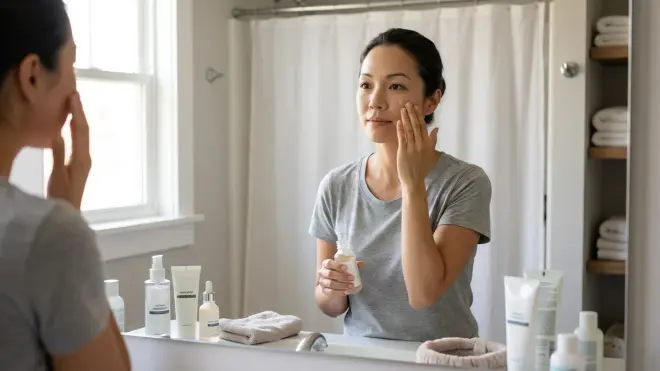
What is Korean 10 step skincare ultimately teaching you is product literacy. You're learning to read ingredient lists, understand molecular weight hierarchy, calculate cost-per-use, and identify when marketing is selling you duplicate actives in prettier packaging.
Start with the absolute essentials: second cleanser, hydrating toner, moisturizer, SPF. That's 4 steps, around $45-60 total, lasts 4 months. Add an essence when you're comfortable with the routine (COSRX snail mucin, around $25). Introduce a treatment serum when you've identified your primary concern (vitamin C for brightness, retinol for aging, niacinamide for overall improvement).
You'll notice changes around week 3-4 if you're consistent. Not dramatic transformation—Korean skincare is cumulative improvement, not magic. But your skin texture smooths out. Makeup application gets easier because you're working with properly hydrated skin instead of flaky patches you're trying to cover. Those stress breakouts calm down faster.
The goal isn't perfect execution of all 10 steps. It's understanding enough cosmetic chemistry to make strategic decisions at 11 PM when you're exhausted: Which 3 steps actually matter tonight? What can I skip without derailing progress?
That's what the Korean skincare routine really gave me after pregnancy wrecked my skin—not a spa ritual I had to perform perfectly, but a flexible framework I could adapt when my daughter was teething and I was running on four hours of sleep. Some nights I managed 8 steps. Some nights I used micellar water and passed out. Both are fine if you understand which nights matter more.
Build your routine based on your actual life, not aspirational Instagram content filmed at 2 PM on a Tuesday by someone with ring lights and a skincare sponsor. The Korean skincare routine checklist breaks down essential products by skin type if you want structured guidance for getting started without overwhelming yourself.
Your skin doesn't care about perfection. It responds to consistency, proper ingredient layering, and not being stripped raw by harsh products. That's what Korean skincare taught Western beauty culture—and that's worth way more than any sheet mask selfie.