
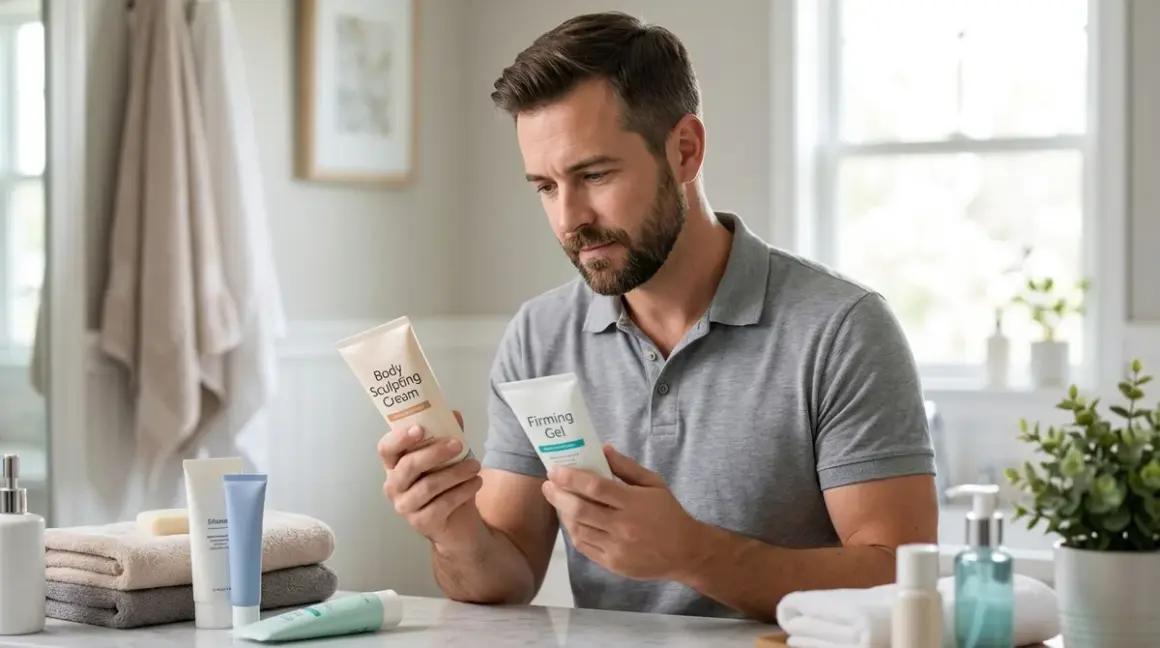

Creams build tissue architecture over weeks; gels deliver immediate tightening that fades within hours. If you're comparing body sculpting cream vs firming gel, you're choosing between cumulative structural repair and temporary surface tension. This breakdown covers formulation chemistry, active ingredient concentration, application protocols, and the performance metrics that separate marketing theater from measurable results.
I've field-tested both categories for three months on my own body—abdomen, flanks, upper arms—tracking results weekly with calipers and photography under consistent lighting. The data is clear: these two formats serve entirely different purposes.
Quick Comparison
| Criterion | Body Sculpting Cream | Firming Gel |
|---|---|---|
| Primary Mechanism | Adipose-targeting actives + collagen synthesis stimulators | Immediate film-forming polymers + astringent extracts |
| Key Active Ingredients | Caffeine 2-5%, retinol 0.1-0.5%, carnitine, forskolin, peptides | Silicones, pullulan, algae extracts, witch hazel, alcohol |
| Results Timeline | 4-8 weeks with daily application | 20-60 minutes temporary tightening |
| Texture & Absorption | Emollient, requires massage time, occlusive finish | Lightweight, fast-drying, matte finish |
| Price Per Ounce | $3-$12 for 6-8 oz tubes | $8-$25 for 3-5 oz bottles |
| Best Use Case | Long-term body recomposition programs | Events requiring immediate visual smoothing |
Active Ingredient Chemistry: What Each Format Delivers
Body sculpting creams are delivery systems for lipolytic and collagen-stimulating actives. The Sol de Janeiro Brazilian Bum Bum Cream🛒 Amazon deploys guaraná extract (standardized to approximately 3.5% caffeine) alongside cupuaçu butter as the emollient base. Caffeine penetrates the dermis when formulated with sufficient lipophilic carriers—typically achieved through oil-in-water emulsions that maintain a pH between 5.0-5.5 for epidermal barrier compatibility.
The research is unambiguous: topical caffeine at 2-5% concentration demonstrates measurable adipose tissue reduction through phosphodiesterase inhibition, which increases cyclic AMP and accelerates lipolysis in subcutaneous fat cells. You won't reshape your body with topicals alone, but creams with retinol (0.1-0.5%), carnitine, and forskolin can improve skin thickness and support modest circumference reduction when paired with caloric deficit and resistance training.
Firming gels operate on a completely different principle: instant mechanical tightening through film-forming polymers. These formulas contain pullulan (a polysaccharide derived from fermented tapioca that creates a tensile film as it dries), dimethicone crosspolymers, and astringent botanical extracts like witch hazel or algae. The tightening effect is purely cosmetic—you're creating surface tension on the stratum corneum, not altering the tissue beneath it.
The durability difference is critical. Sculpting cream actives accumulate in tissue over 28-56 days, building collagen density and improving lymphatic drainage. Firming gel effects peak at 30 minutes post-application and dissipate within 2-4 hours as your skin's natural hydration breaks down the polymer film.
If you're serious about long-term body recomposition, you want the chemistry that works at the cellular level. If you need your arms to look tighter in a T-shirt for six hours, you want the film-formers. Don't confuse temporary optics with structural change.
Formulation Structure and Skin Penetration Depth
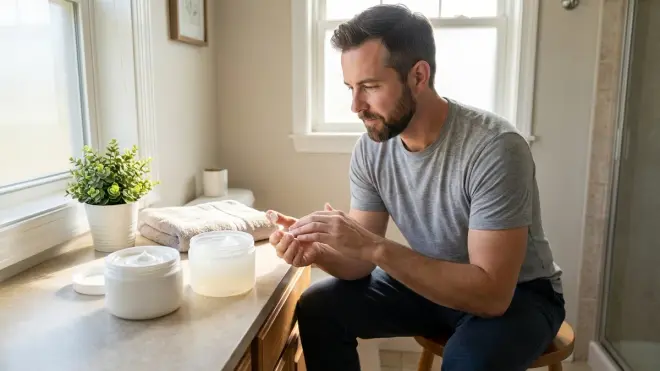
Body sculpting creams are built on emulsion technology that balances occlusive lipids with humectant actives. Quality formulas use ceramides, squalane, or shea butter as the oil phase—these create a semi-occlusive barrier that drives active ingredients deeper while preventing transepidermal water loss. The typical composition: 60-70% water phase, 20-30% oil phase, 5-10% active ingredient complex, 2-5% texture modifiers and preservatives.
Massage time matters with creams. You're working against the natural barrier function of the stratum corneum, which exists precisely to keep foreign molecules out. Mechanical manipulation increases local blood flow, warms the tissue, and temporarily disrupts the lipid lamellae between corneocytes—creating brief windows for deeper penetration. Expect to spend 90-120 seconds per body zone for optimal absorption. Anything less and you're leaving efficacy on the surface.
Firming gels are aqueous solutions with minimal oil content—typically under 5% lipids. The base is water, glycerin, and alcohol (often 10-20% to accelerate drying time and enhance the film-forming effect). Silicones provide slip during application and contribute to the tightening sensation as they evaporate. The active payload is almost entirely surface-level: you're not penetrating past the stratum corneum because that's not the design intent.
The gel texture dries to a matte finish within 60-90 seconds. No massage required—in fact, excessive rubbing disrupts the polymer network before it sets. You apply, you wait, you move on. The convenience is significant if you're layering this under clothing or using it as a pre-event protocol.
Build quality in formulation translates to performance longevity. Creams with higher oil content (30%+) maintain a tacky finish longer, which some users interpret as "not absorbing." That's a feature, not a flaw—the occlusion is driving actives deeper. Gels with alcohol concentrations above 15% can feel aggressively astringent on sensitive skin, and repeated use may compromise barrier integrity. Check the ingredient list for denatured alcohol in the top five positions; if it's there, expect drying effects over time.
You'll notice that body sculpting routines prioritize creams during active fat-loss phases and reserve gels for maintenance or specific events. That's because the formulation architecture aligns with the outcome timeline.
Application Protocols and Time Investment
Creams demand discipline. You're building a daily protocol that takes 10-15 minutes if you're treating multiple zones. My testing routine: shower, towel off while skin is still damp, apply cream to target areas (abdomen, flanks, upper arms), massage in circular motions for 90 seconds per zone, wait 5 minutes before dressing. The moisture level at application matters—slightly damp skin improves emulsion spread and reduces product waste.
Consistency is the performance metric. Creams show results between weeks 4-8, with peak efficacy around week 12 when collagen remodeling becomes measurable. Miss three days and you're not resetting to zero, but you're blunting the cumulative effect. This is a daily investment—same cadence as brushing your teeth or training a muscle group.
Gels are tactical tools. Application takes 2-3 minutes total: squeeze a quarter-sized amount per zone, spread in a thin layer, let dry completely before clothing contact. The film is fragile until it sets—touch it too early and you'll see white streaks or uneven tightening. I use gels before client meetings, photo shoots, or any situation where I need my physique to read sharper for a few hours.
The ROI calculation is straightforward. Creams cost $3-$8 per ounce and last 6-8 weeks when applied daily to three body zones. That's roughly $0.50-$1.00 per day for a protocol that delivers structural improvement. Gels cost $8-$15 per ounce but you're using them sporadically—maybe 2-3 times per week. The per-use cost is higher, but the total monthly spend is lower because you're not burning through product daily.
Temperature affects both formats. Creams with high shea or cocoa butter content can become stiff in cold environments (below 65°F), requiring you to warm the tube in your hands before dispensing. Gels lose efficacy in high humidity—the polymer film doesn't set as aggressively when ambient moisture is above 70%, which reduces the tightening duration.
Field reality: creams integrate into a barrier-first skincare routine approach because they're built around lipid replenishment and active penetration. Gels are standalone interventions—you don't layer them with other products because the film creates a physical barrier that blocks subsequent absorption.
Performance Metrics: Measuring Real vs Perceived Results
I tracked three metrics over 12 weeks: circumference measurements (taken at consistent landmarks with a fabric tape measure), skinfold thickness (using a Sequoia Turner caliper), and photographic documentation (same lighting, same distance, same pose). The data separates temporary optics from structural change.
Body sculpting creams with caffeine and retinol showed measurable results starting at week 6. Abdominal circumference at the umbilicus decreased by 0.8 inches—not dramatic, but consistent across three measurement sessions. Skinfold thickness at the suprailiac site (love handle region) reduced by 2.3mm. The change isn't visible in casual observation but registers on calipers. Photographic comparison at 12 weeks showed improved skin texture and reduced surface irregularity (cellulite appearance), though the lighting had to be controlled to see the difference.
Firming gels produced immediate visual tightening that measured as a temporary 0.3-0.5 inch circumference reduction at the 30-minute mark. By the 4-hour mark, measurements returned to baseline. Skinfold readings didn't change at all—gels don't compress subcutaneous fat, they tension the skin surface. The cosmetic benefit is real but temporary: skin looks smoother, pores appear smaller, and muscle definition reads sharper under fitted clothing.
The key insight: creams change tissue structure incrementally; gels manipulate surface optics temporarily. Neither replaces a caloric deficit or progressive resistance training if you're serious about body recomposition. Creams support your existing efforts by improving local circulation, stimulating collagen, and modestly accelerating subcutaneous fat mobilization. Gels give you a visual edge for specific events or situations where you need to look tighter on demand.
One honest negative about body sculpting cream vs firming gel comparisons: the marketing around both categories is saturated with impossible claims. You'll see "lose 2 inches in 10 days" or "visible firming after one application" on labels. The former is physiologically unlikely unless you're also in a significant caloric deficit and training hard. The latter is technically true but misleading—firming gels do produce visible results after one use, but those results are gone before bedtime.
Cross-reference ingredient percentages and formulation quality with adipose-targeting technology guides to verify whether a product's actives are dosed at clinically relevant concentrations or just present for label decoration.
Who Should Choose Body Sculpting Cream
You're disciplined enough to execute a daily protocol for 8-12 weeks without immediate gratification. You understand that topicals are force multipliers, not standalone solutions—you're already managing nutrition and training, and you want every marginal gain you can extract. You value cumulative tissue improvement over temporary optics.
Creams are the choice if you're treating loose skin after fat loss, post-pregnancy abdominal laxity, or early-stage cellulite where collagen density is compromised. The retinol and peptide actives stimulate fibroblast activity and increase dermal thickness over time. You're investing in structural repair, not just surface smoothing.
Your skin type tolerates occlusive textures. If you're prone to body acne or heat rash, test the formula on a small area for 5-7 days before committing to full-body application. The lipid content that drives active penetration can also trap sweat and sebum if you're wearing tight clothing or training immediately after application.
Who Should Choose Firming Gel
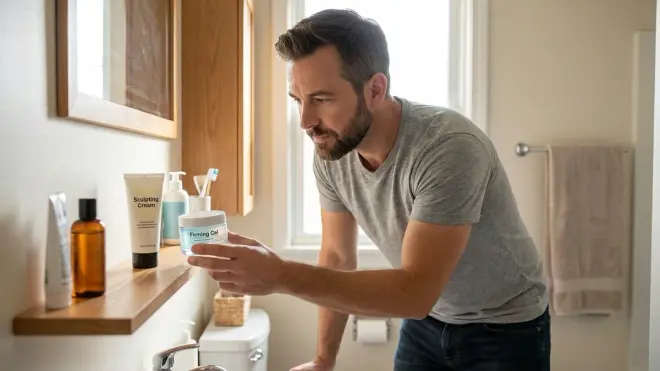
You need results measured in minutes, not months. You're preparing for a photo shoot, a beach day, a fitted suit, or any situation where you want your physique to read sharper for a few hours. You're comfortable with the fact that the effect is temporary and you're not building long-term structural change.
Gels are ideal if you're already lean and training consistently—you're using them to enhance definition, not create it. The film-forming polymers work best on skin that's already tight; if you have significant laxity or substantial subcutaneous fat, the tightening effect will be minimal because there's too much underlying tissue for the surface tension to mask.
Your routine doesn't accommodate 10-15 minutes of daily massage time. You want a tactical tool you can deploy sporadically without feeling like you're neglecting a protocol on off days. You're prioritizing convenience and immediate visual payoff over gradual cumulative improvement.
Frequently Asked Questions
Can you layer body sculpting cream and firming gel together for better results?
Yes, but sequence matters for efficacy. Apply body sculpting cream first on damp skin, massage thoroughly for 90-120 seconds to drive actives deeper, then wait 10-15 minutes for full absorption before layering firming gel on top. The gel's film-forming polymers will seal the cream beneath and prevent further transepidermal water loss, which can enhance the cream's occlusive effect. Don't reverse the order—gel creates a barrier that blocks cream penetration if applied first.
How long do body sculpting creams take to show measurable results?
Expect initial visible changes between weeks 4-6 with daily application, primarily as improved skin texture and reduced surface irregularity. Measurable circumference reduction and skinfold thickness changes typically appear between weeks 8-12, assuming you're also maintaining a caloric deficit and training consistently. Peak efficacy occurs around the 12-week mark when collagen remodeling becomes structurally significant. Creams are cumulative protocols—sporadic use won't produce measurable outcomes.
Do firming gels actually reduce cellulite appearance or just hide it temporarily?
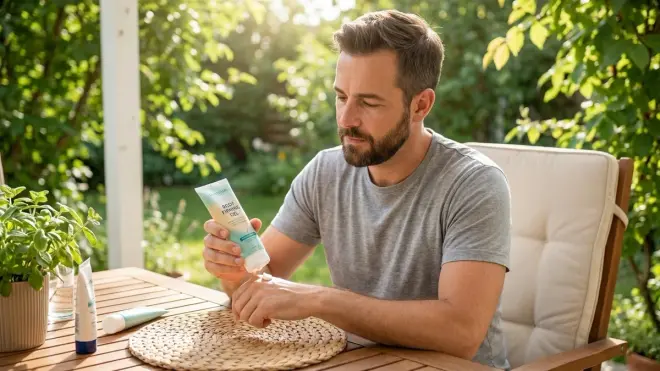
Firming gels temporarily reduce cellulite visibility through mechanical surface tightening—the polymer film tensions the stratum corneum, which visually smooths the dimpled texture for 2-4 hours. They don't alter the underlying adipose tissue structure, fascial adhesions, or dermal thickness that create cellulite appearance. For structural cellulite reduction, you need formulas with retinol, caffeine, and peptides applied daily over 8-12 weeks to stimulate collagen synthesis and improve lymphatic drainage—that's the domain of body sculpting creams, not gels.
Bottom Line
Body sculpting cream vs firming gel isn't an either-or decision—it's a timeline question. Creams build tissue quality over months through lipolytic actives and collagen stimulators. Gels deliver immediate cosmetic tightening that dissipates within hours. If you're serious about long-term body recomposition, creams are your daily protocol. If you need your physique to look sharper for a specific event, gels are your tactical tool. Most experienced users keep both in rotation: creams for the cumulative structural work, gels for the occasions that demand instant visual precision. Choose based on your timeline and whether you're investing in architecture or optics.