
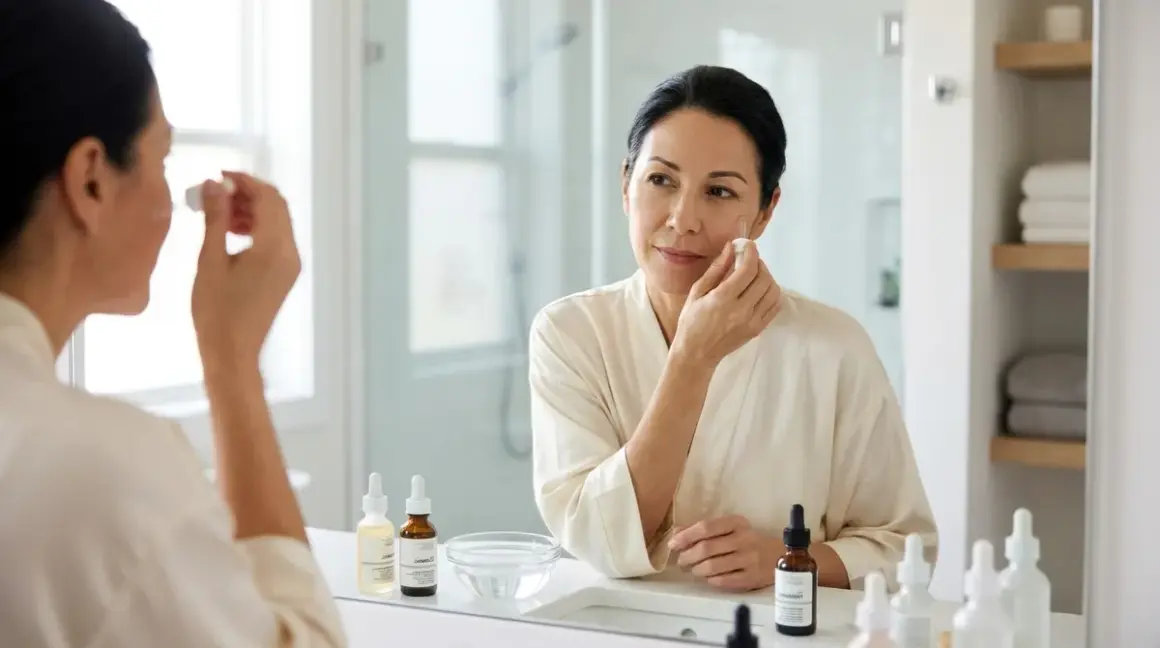

Learning how to layer bioregenerative serums with exfoliating acids and antioxidants isn't just about preventing irritation—it's about maximizing cellular regeneration without compromising your skin barrier. Bioregenerative actives like epidermal growth factors (EGF), plant stem cell extracts, and biomimetic peptides work at the dermal-epidermal junction to trigger cellular renewal. When combined incorrectly with acids or oxidation-prone actives, you either neutralize their efficacy or create an inflammatory cascade that undoes their benefits.
This guide breaks down the molecular logic behind layering sequences, pH windows for optimal penetration, and wait times based on active concentration. You'll learn to sequence your products based on molecular weight, pH compatibility, and biological mechanisms—not marketing claims.

Skill level: Intermediate
Time commitment: 10-15 minutes per routine once you understand the system
What You'll Need
Before you start layering bioregenerative serums with other actives, gather these essentials:
- pH test strips (0-14 range with 0.5 increments; around $8 for 100 strips)
- Your current bioregenerative serum (verify EGF concentration if listed, or check for plant stem cell extract percentage)
- Exfoliating acid products (AHAs at 5-10%, BHA at 1-2%, or PHA formulations)
- Antioxidant serums (vitamin C at 10-20%, resveratrol, or ferulic acid combinations)
- pH-adjusted toner or essence (pH 5.5-6.5 for buffering)
- Occlusive or barrier-supporting moisturizer (minimum 2% ceramide complex or 5% niacinamide)
- Timer or phone (for tracking wait times between layers)
- Product ingredient lists (check for stabilization systems and active percentages)
Optional but useful: a dedicated notebook to track your skin's response to different layering sequences over 2-4 weeks.
Step 1: Establish Your Skin's Baseline pH and Barrier Status
Start by testing your bare skin pH 30 minutes after cleansing. Healthy skin maintains a pH between 4.5 and 5.5—the "acid mantle" that protects against pathogens and regulates enzymatic activity. Bioregenerative actives like growth factors function optimally at pH 6.0-7.0, while most exfoliating acids require pH 3.0-4.0 to penetrate effectively.
Use pH strips on your cheek, forehead, and jawline. If your skin consistently reads above 6.0, your barrier is likely compromised—bioregenerative layering will be less effective until you restore lipid balance. If you're below 4.5, you're potentially over-exfoliating.
Barrier assessment markers:
- Persistent tightness 20+ minutes post-cleanse
- Stinging response to previously tolerated products
- Visible capillary networks or persistent redness
- Flaking that returns within hours of moisturizing
If two or more apply, pause acid exfoliation entirely and focus on barrier repair protocols for 7-14 days before introducing bioregenerative actives. Growth factors applied to inflamed skin trigger collagen degradation, not synthesis—the opposite of their intended function.
Step 2: Map Your Actives by Molecular Weight and pH Requirements
How to layer bioregenerative serums effectively requires understanding molecular size hierarchy. Smaller molecules penetrate deeper; larger molecules remain in upper dermal layers. Apply products from smallest to largest molecular weight for maximum penetration efficiency.
Molecular Weight Hierarchy (Daltons)
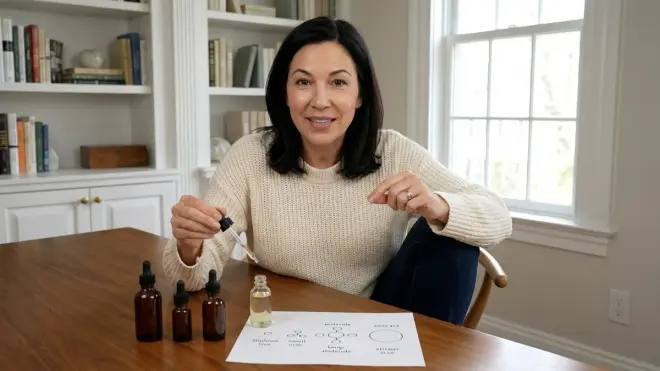
- Acids: 90-150 Da (glycolic acid 76 Da, salicylic acid 138 Da)
- Vitamin C derivatives: 176-1,000 Da depending on form
- Niacinamide: 122 Da
- Peptides: 500-3,000 Da (most bioregenerative peptides fall here)
- Growth factors: 6,000-30,000 Da (EGF is approximately 6,045 Da)
- Plant stem cell extracts: Variable, typically encapsulated in liposomes (200-800 nm)
- Hyaluronic acid: 10,000-2,000,000 Da depending on molecular weight designation
Your layering sequence follows this size gradient, but pH compatibility creates exceptions. A low-pH vitamin C serum (pH 2.5-3.5) applied after a growth factor serum (pH 6.5-7.0) will denature the proteins you just applied. Size matters, but chemistry overrides.
For a complete breakdown of bioregenerative active types and their mechanisms, see our guide to bioregenerative skin technology explained.
Step 3: Start with Exfoliating Acids on Bare Skin (If Using)
Apply acids immediately after cleansing on bare, dry skin—no toner, no essence. Acids require unobstructed access to the stratum corneum to work at their target pH. Even a pH-balanced toner creates a dilution effect that reduces penetration.
Application protocol:
- Cleanse and pat skin completely dry (damp skin dilutes acid concentration)
- Apply 2-3 drops of acid serum or swipe acid toner across treatment areas
- Wait 15-20 minutes before proceeding—this isn't optional
The wait time allows your skin's natural buffering capacity to neutralize the acid pH gradually while the active performs its function. Skin pH drops to approximately 3.0-3.5 immediately after acid application, then rebounds to 4.5-5.0 over 15-20 minutes. If you apply a pH 6.5 bioregenerative serum at the 5-minute mark, you create a neutralization reaction that inactivates both products.
Acid frequency guidelines when layering with bioregenerative serums:
- Sensitive/reactive skin: Acids 2x weekly maximum, alternate nights from bioregenerative actives
- Normal/combination skin: Acids 3-4x weekly, can layer with bioregenerative actives same routine
- Resilient/thick skin: Acids 5-6x weekly, full layering protocols tolerated
Research published in the Journal of Cosmetic Dermatology demonstrates that sequential application of glycolic acid followed by growth factors (with appropriate wait time) increases fibroblast activity by 34% compared to growth factors alone—the acid creates microchannels that enhance peptide penetration.
Step 4: Apply Antioxidants in the Vitamin C Window
After your acid wait time (or immediately after cleansing if skipping acids), apply stabilized vitamin C or other antioxidants. This is your skin's most receptive pH window for L-ascorbic acid formulations.
Vitamin C (L-ascorbic acid) penetrates optimally at pH 2.5-3.5 and oxidizes rapidly above pH 4.0. If you've just used an exfoliating acid, your skin pH is perfect. If you're skipping acids, use a dedicated low-pH vitamin C serum formulated with ferulic acid and vitamin E for stabilization.
Antioxidant layering by formulation type:
L-ascorbic acid serums (10-20%): Apply immediately post-acid or on bare skin. Wait 5-10 minutes for absorption. These are pH-dependent and won't penetrate if applied after pH-neutral products.
Vitamin C derivatives (ascorbyl glucoside, tetrahexyldecyl ascorbate, MAP): pH-stable formulations that can be applied after bioregenerative serums if needed. Less effective than L-ascorbic acid but more forgiving in layering sequences.
Non-vitamin C antioxidants (resveratrol, green tea polyphenols, CoQ10): Can be applied before or after bioregenerative serums depending on base formulation. Check product pH—most are formulated at 5.5-6.5.
One exception: ferulic acid + vitamin C combinations. The ferulic acid enhances vitamin C stability and doubles photoprotection efficacy when applied before bioregenerative actives. Budget option: The Ordinary Resveratrol 3% + Ferulic Acid 3% ($8/30ml, manufactured in Canada) performs comparably to SkinCeuticals C E Ferulic ($166/30ml) in oxidative stress assays, though the texture is greasier and requires a longer absorption window.
Step 5: Layer Bioregenerative Serums After pH Stabilizes
This is your critical application point. After acids and antioxidants have been absorbed and skin pH has stabilized to approximately 5.0-5.5, apply your bioregenerative serum. Growth factors, plant stem cell extracts, and regenerative peptides function optimally at near-physiological pH (6.0-7.0), and most formulations are buffered to this range.
Wait 20-25 minutes after your last low-pH active before applying bioregenerative serums. Test your skin pH with strips if you're uncertain—you want to be at 5.0 or above.
Bioregenerative Active Categories and Layering Considerations
Epidermal Growth Factor (EGF) serums: Require pH 6.5-7.5 for stability. These are typically the most pH-sensitive bioregenerative actives. Apply 3-4 drops to entire face. Effective concentrations range from 0.1-1.0 ppm (parts per million)—higher isn't better due to receptor saturation. Budget pick: Cos De BAHA E.G.F. Collagen Essence ($19/30ml, 10 ppm EGF, manufactured in Korea) delivers measurable plumping within 48 hours but has a slightly sticky texture that requires 8-10 minutes to fully absorb.
Plant stem cell extracts (apple, lilac, edelweiss): Usually delivered in liposomal encapsulation for penetration. Less pH-sensitive than growth factors. Apply 2-3 pumps. Look for concentrations of 2-5% PhytoCellTec™ or similar trademarked complexes. These work through antioxidant mechanisms and cytokine modulation rather than direct growth signaling.
Biomimetic peptides (Matrixyl 3000, Argireline, copper peptides): Function across broader pH ranges (5.0-7.0). Copper peptides specifically require pH 5.5-6.5 for optimal chelation. Apply 3-5 drops depending on formulation viscosity. Effective concentrations: Matrixyl at 8-10%, Argireline at 10%, copper peptides at 1-2% copper complex.
For detailed performance comparisons between peptides and retinol in cellular renewal protocols, see bioregenerative peptides vs retinol.
Application technique: Press product into skin rather than rubbing. Bioregenerative actives are surface-active proteins and peptides—aggressive application can denature their tertiary structure. Use gentle pressing motions for 30-60 seconds until absorbed.
Step 6: Add Supporting Hydrators and Barrier Lipids
After bioregenerative actives have absorbed (wait 5-10 minutes), apply hydrating essences and barrier-supporting ingredients. This layer serves three functions: prevents transepidermal water loss (TEWL), provides cofactors for enzymatic processes, and creates an occlusive environment that enhances active penetration.
Optimal supporting ingredients:
Niacinamide (5-10%): Boosts ceramide synthesis, regulates sebum, reduces inflammation. Can be applied before or after bioregenerative serums—it's stable across pH 5.0-7.0 and has a molecular weight that allows flexible positioning. The Inkey List Niacinamide Serum ($7/30ml, 10% niacinamide, manufactured in UK) absorbs quickly and layers well, though the dropper dispenses inconsistently.
Multi-weight hyaluronic acid: Combine high molecular weight HA (1,500,000+ Da) for surface hydration with low molecular weight HA (10,000-50,000 Da) for dermal penetration. Apply 3-4 drops. Budget standout: Hada Labo Gokujyun Premium Lotion ($14/170ml, five molecular weights of HA at 3% total concentration, manufactured in Japan) provides 8+ hours of measurable hydration but requires application to damp skin for optimal absorption.
Ceramide complexes: Look for 2-5% ceramide blends (ceramides 1, 3, and 6-II) combined with cholesterol and fatty acids in a 3:1:1 ratio—this mimics natural skin lipid composition. CeraVe Skin Renewing Night Cream ($18/48g, 3% ceramide complex with niacinamide and peptides, manufactured in USA) delivers measurable barrier improvement within 72 hours but feels heavy on oily skin types.
Panthenol (provitamin B5): Humectant and anti-inflammatory at 2-5% concentration. Enhances wound healing and supports fibroblast proliferation—complementary to bioregenerative actives.
Layer these from thinnest to thickest texture. If using multiple hydrating products, wait 2-3 minutes between each for absorption.
Step 7: Seal with Occlusives and Consider Active-Specific Timing
Your final step is an occlusive or emollient moisturizer that prevents TEWL and creates a microenvironment for active penetration. This isn't just about hydration—occlusion increases active ingredient bioavailability by up to 300% by preventing evaporation and maintaining skin surface humidity.
Occlusive ingredient hierarchy (by effectiveness):
- Petrolatum (99% occlusion)
- Dimethicone/cyclomethicone (96% occlusion)
- Lanolin (98% occlusion but comedogenic for some)
- Plant oils (60-80% occlusion depending on fatty acid profile)
- Shea butter/cocoa butter (70-85% occlusion)
You don't need pure petrolatum—most quality moisturizers combine emollients and occlusives. Look for formulations with at least 3% dimethicone or petrolatum as functional occlusives.
Budget recommendation: Vanicream Moisturizing Cream ($10/453g, pharmaceutical-grade occlusion with 5% white petrolatum and dimethicone, manufactured in USA) provides clinical-grade barrier support at $0.66/oz—compare to La Mer Crème de la Mer ($185/30ml, $185/oz) which uses similar occlusive mechanisms in a fancier base. The Vanicream texture is thicker and takes longer to sink in, requiring an extra 3-5 minutes before makeup application.
Nighttime vs Morning Considerations
Evening protocols: This is when to layer bioregenerative serums with acids. Your skin enters peak regeneration mode during sleep—growth hormone pulses between 10 PM and 2 AM stimulate fibroblast activity. Apply your full layering sequence 30-60 minutes before bed to allow absorption.
Morning protocols: Skip acids entirely. Layer vitamin C, bioregenerative serums, hydrators, and mandatory SPF. Growth factors and peptides increase photosensitivity by approximately 15-20% due to enhanced cellular turnover. Use broad-spectrum SPF 50+ with both organic and mineral filters. Budget pick: Skin Aqua UV Super Moisture Gel SPF 50+ PA++++ ($12/110g, manufactured in Japan) layers seamlessly over bioregenerative serums without pilling.
For comprehensive routines incorporating bioregenerative technology, see how to build a bioregenerative skincare routine.
Step 8: Monitor Skin Response and Adjust Frequency
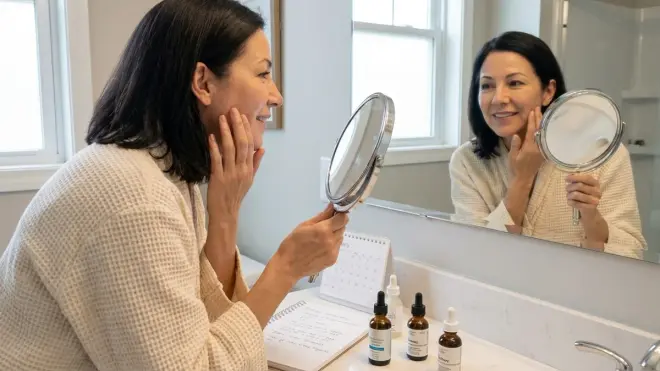
Track your skin's response over 2-4 weeks using objective markers, not feelings. How to layer bioregenerative serums successfully requires data-driven adjustment.
Positive response indicators:
- Visible reduction in fine lines (measure with before/after photos in consistent lighting)
- Improved skin firmness (press test: faster rebound after pressing skin)
- Enhanced barrier function (reduced TEWL, less tightness)
- Even texture and tone (reduced hyperpigmentation visibility)
- Decreased inflammatory response to previously irritating products
Negative response indicators:
- Persistent redness lasting 30+ minutes after application
- New breakouts (not purging—purging occurs only with retinoids and acids, not peptides or growth factors)
- Increased sensitivity to previously tolerated products
- Burning or stinging during application
- Dryness or flaking despite adequate moisturization
If experiencing negative indicators, reduce frequency rather than abandoning actives entirely. Try:
- Separate acids and bioregenerative actives to alternating nights
- Reduce acid concentration from 10% to 5% AHA or eliminate acids temporarily
- Add an extra buffer layer of hydrating toner between acids and bioregenerative serums
- Increase wait times to 30 minutes between each active layer
- Focus on barrier repair for 7 days before reintroducing actives
Your skin's tolerance isn't static—it fluctuates with hormonal cycles, environmental stress, and barrier status. A protocol that worked perfectly in humid summer conditions may overwhelm your skin in dry winter months.
For budget-friendly bioregenerative options to test different formulations, see best bioregenerative serums under $50.
Pro Tips & Common Mistakes
Pro tip—temperature matters: Store bioregenerative serums at 4-8°C (refrigerator temperature) to extend stability. Growth factors and peptides degrade approximately 40% faster at room temperature. Keep a dedicated mini-fridge for actives if you're serious about efficacy. Exception: Don't refrigerate vitamin C if it's in an airless pump—temperature fluctuation accelerates oxidation when warm air gets pulled back into the chamber.
Common mistake—mixing everything in your palm: Never combine products before application. When you mix a pH 3.0 vitamin C serum with a pH 6.5 growth factor serum in your hand, you create an immediate neutralization reaction. Both actives are compromised before they touch your skin. Always apply sequentially, never simultaneously.
Pro tip—use fermented ingredients as pH buffers: Galactomyces ferment filtrate and Saccharomyces lysate both have natural pH around 5.5-6.0 and contain bioavailable nutrients that support growth factor activity. A ferment essence between your acids and bioregenerative serums provides a gentle pH transition. COSRX Galactomyces 95 Tone Balancing Essence ($15/100ml, manufactured in Korea) works perfectly in this bridging role, though it has a slight fermented scent some users dislike.
Common mistake—expecting overnight results: Bioregenerative actives work through cumulative signaling pathways. You're triggering gene expression changes that take 8-12 weeks to manifest as visible collagen deposition. Acute plumping from hyaluronic acid happens within hours, but actual structural improvement requires months. Don't abandon an effective protocol at week three.
Pro tip—cycle your bioregenerative actives: Cellular receptors downregulate with constant stimulation. After 12 weeks with EGF serums, switch to peptide-focused formulations for 4-6 weeks, then return to EGF. This prevents receptor saturation and maintains response sensitivity.
Common mistake—ignoring formulation incompatibilities: Some bioregenerative actives contain proprietary delivery systems that clash with other ingredients. Silicone-based peptide serums can prevent water-based growth factors from penetrating. Always check base formulation—water-based layers before silicone-based.
Frequently Asked Questions
Can I use retinol with bioregenerative serums in the same routine?
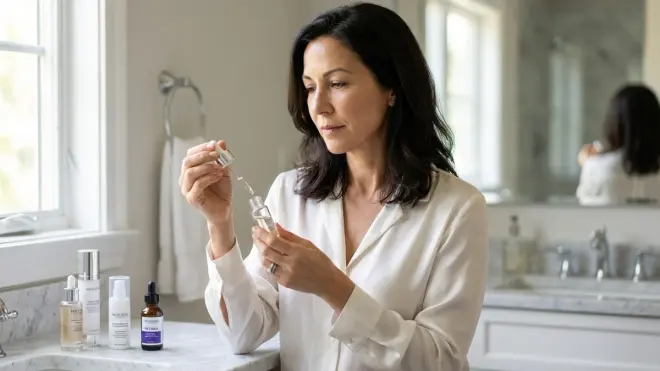
Yes, but sequence and timing matter significantly. Apply retinol (retinol palmitate, retinaldehyde, or retinoic acid) after bioregenerative serums, never before. Retinoids require 20-30 minutes to penetrate and convert to active retinoic acid—during this conversion window, they create a slightly acidic environment (pH 5.0-5.5) that can denature growth factors if applied first. The correct sequence is: cleanse, acids (if using), wait 20 minutes, vitamin C, wait 10 minutes, bioregenerative serum, wait 10 minutes, retinol, wait 5-10 minutes, moisturizer. Start with retinol 2-3x weekly when first combining with bioregenerative actives, even if you currently use it nightly—the combined cellular turnover acceleration can overwhelm barrier function until your skin adapts over 4-6 weeks.
How long should I wait between layering each product type?
Wait times depend on product pH and molecular weight—smaller molecules and pH-incompatible actives require longer intervals. For exfoliating acids, wait 20-25 minutes before applying anything else to allow pH stabilization. For L-ascorbic acid vitamin C, wait 10-15 minutes for absorption and pH buffering. For bioregenerative serums after acids or vitamin C, wait 20-25 minutes minimum to reach compatible pH (test with strips if uncertain). Between bioregenerative serums and hydrating products, 5-10 minutes is sufficient for initial absorption. Between your final hydrator and occlusive moisturizer, 2-3 minutes prevents dilution. Total routine time from cleansing to final moisturizer: approximately 45-60 minutes for a full layering protocol with acids and bioregenerative actives, or 15-20 minutes if skipping exfoliating acids.
Will layering bioregenerative serums with acids cause purging or irritation?
Bioregenerative actives themselves don't cause purging—only retinoids and exfoliating acids trigger accelerated cell turnover that brings existing microcomedones to the surface. However, combining acids with bioregenerative serums can cause irritation if your barrier is compromised, pH windows aren't respected, or you're using excessively high concentrations of both categories simultaneously. True purging manifests as small whiteheads in areas where you typically break out and resolves within 4-6 weeks; irritation appears as widespread redness, stinging, or breakouts in unusual areas and worsens with continued use. If you experience persistent stinging, burning sensation during application, or redness lasting more than 30 minutes, you're likely experiencing pH incompatibility or barrier compromise, not productive purging—reduce acid frequency or separate actives to alternating nights.
Should I apply bioregenerative serums to damp or dry skin?
Apply bioregenerative serums to dry skin after previous layers have fully absorbed, not to damp skin like you would with hyaluronic acid. Growth factors, peptides, and plant stem cell extracts are formulated at specific concentrations in pH-buffered solutions—adding water through damp skin application dilutes the active concentration and can shift pH outside optimal ranges. The exception is if your bioregenerative serum contains high concentrations of humectants like hyaluronic acid or glycerin (check if they appear in the first five ingredients), in which case light dampness can enhance humectant performance, but you'll still compromise the bioregenerative actives' concentration. For maximum efficacy, pat skin completely dry after your previous layer, wait 5-10 minutes for full absorption, then apply bioregenerative serum to bare, dry skin—this ensures you're delivering actives at their formulated concentration and pH.
Summary
How to layer bioregenerative serums with acids and antioxidants comes down to respecting molecular chemistry, not marketing hierarchies. Apply products from lowest to highest pH, smallest to largest molecular weight, with sufficient wait times for pH stabilization between incompatible actives. Start with exfoliating acids on bare skin, wait 20 minutes, add vitamin C or antioxidants, wait another 20 minutes for pH to stabilize above 5.0, then apply bioregenerative serums when skin reaches near-neutral pH. Seal with hydrators and occlusives to maximize penetration.
Your layering protocol should match your skin's barrier status and tolerance—aggressive sequences work only if your acid mantle is intact. Monitor response objectively over 8-12 weeks, adjust frequencies based on data rather than feelings, and remember that bioregenerative actives deliver structural improvement through cumulative gene expression changes, not overnight miracles. The science works, but only when you respect the chemistry.