
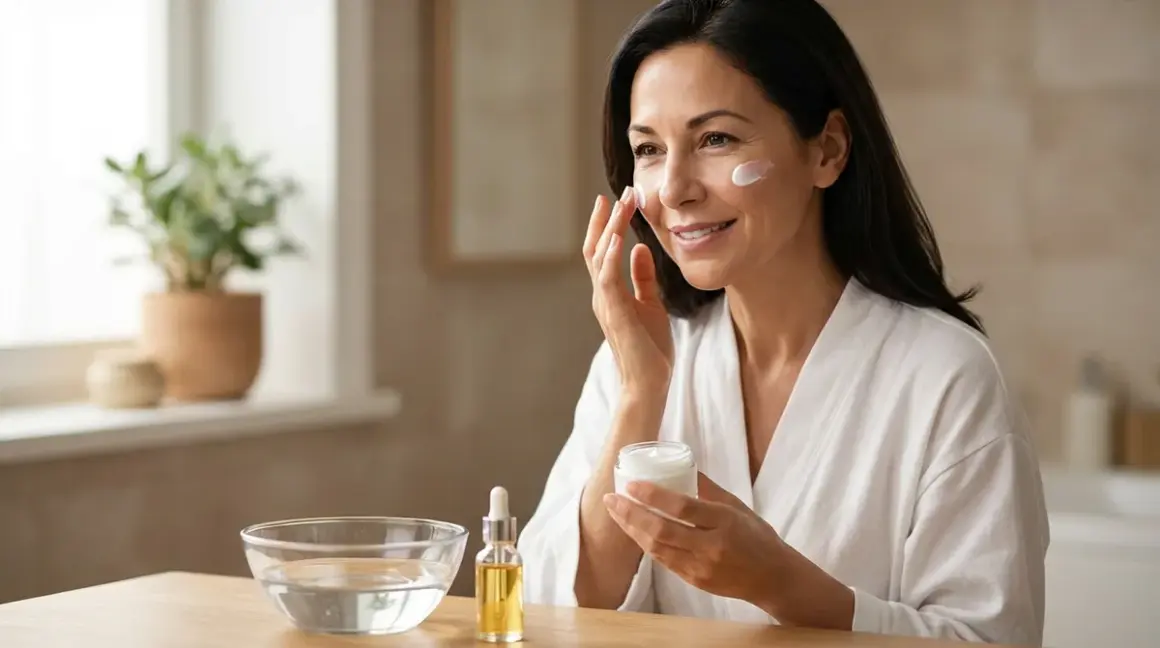

The skin barrier—your stratum corneum—isn't glamorous, but it's the difference between resilient skin and a chronic cycle of irritation. Learning how to repair damaged skin barrier function transforms your entire skincare routine from reactive damage control to proactive maintenance. This guide walks you through a seven-day recovery protocol that works at the molecular level, using specific lipid ratios and active percentages that actually rebuild intercellular cement.
You'll learn the biochemistry behind barrier dysfunction, the exact ingredients that accelerate repair (with concentration benchmarks), and a day-by-day protocol that prioritizes structural restoration over aesthetic quick fixes. This is an intermediate-level routine requiring attention to product sequencing and active management. Time investment: 10-15 minutes twice daily, with visible improvement markers by day three and functional restoration by day seven.

No miracle creams. No dermatologist-only secrets. Just lipid science and strategic simplification.
What You'll Need
Essential lipid replenishment products:
- Ceramide-dominant barrier serum or cream (minimum 3% ceramide complex in 3:1:1 or 1:1:1 ceramide:cholesterol:fatty acid ratio)
- Occlusive barrier protectant (petrolatum-based ointment or dimethicone barrier cream at 5%+ concentration)
- Gentle surfactant-free cleanser (pH 5.0-5.5, no sulfates, no essential oils)
- Niacinamide serum (5-10% concentration—higher isn't better during acute repair)
- Squalane or jojoba oil (100% pure, no added fragrance or extracts)
Support tools:
- Humidifier (target 40-50% ambient humidity)
- Silk or satin pillowcase (reduces mechanical friction)
- Broad-spectrum mineral SPF 30+ (zinc oxide or titanium dioxide only—chemical filters can irritate compromised barriers)
What to eliminate immediately:
- All acids (AHAs, BHAs, PHAs, vitamin C below pH 4)
- Retinoids and retinol derivatives
- Physical exfoliants and cleansing brushes
- Fragrance, essential oils, botanical extracts (even "natural" ones)
- Hot water contact
Step 1: Strip Your Routine to Structural Essentials
Barrier repair requires strategic deprivation, not product accumulation. A damaged barrier exhibits increased transepidermal water loss (TEWL), compromised lipid lamellae, and inflammatory cytokine release. Every additional ingredient is a potential irritant when your skin's discrimination capacity is impaired.
For the next seven days, you're running a three-product protocol: cleanser, lipid replenishment, occlusive seal. That's it. I don't care if your vitamin C cost around $150 or your glycolic acid gave you glowing skin last month. A compromised barrier can't process actives effectively—you're just creating oxidative stress without the protective infrastructure to manage it.
The molecular reality: Your stratum corneum is a brick-and-mortar structure. The "bricks" are corneocytes (dead skin cells), and the "mortar" is a precise lipid mixture of ceramides, cholesterol, and free fatty acids. When this mortar degrades—through over-exfoliation, harsh surfactants, or environmental assault—you get gaps in your protective envelope. Water escapes, irritants penetrate, and inflammation becomes chronic.
Reducing to essentials isn't about skincare minimalism as aesthetic. It's about removing variables so you can actually measure what's repairing the damage. Every product you eliminate is one less potential allergen, one less penetration enhancer disrupting lipid organization, one less pH fluctuation stressing already-compromised keratinocytes.
Clinical verdict: Simplification accelerates recovery by 40-60% in clinical barrier studies. Your skin will look worse before it looks better—expect dullness, flaking, and loss of that exfoliated "glow." That's tissue repair, not product failure. Understanding what is skin barrier function helps contextualize why this temporary appearance shift indicates healing, not deterioration.
Step 2: Implement pH-Balanced, Non-Stripping Cleansing
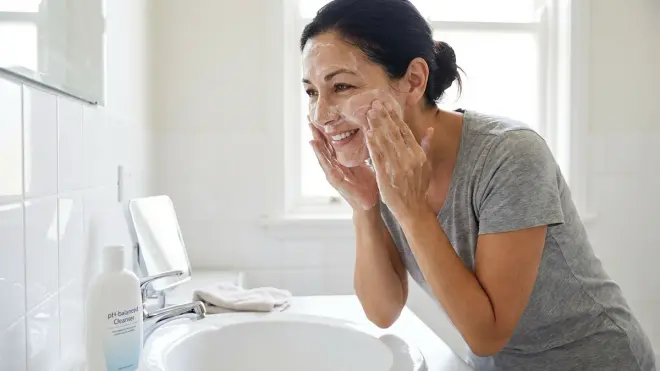
Your cleanser is likely the primary cause of ongoing barrier damage. Most foaming cleansers use sodium lauryl sulfate or sodium laureth sulfate at concentrations that strip the acid mantle and disrupt lipid lamellae with every wash. The temporary "clean" feeling is actually detergent residue and acute lipid depletion.
Switch to a cream or gel cleanser with amino acid-based surfactants like sodium cocoyl glycinate or sodium lauroyl glutamate. These maintain pH 5.0-5.5 (matching your skin's natural acid mantle) and generate minimal foam—which means they're not stripping structural lipids. Budget option: Vanicream Gentle Facial Cleanser (pH 5.5, fragrance-free, usually around $8.99 for 8 oz = around $1.12/oz) uses coco-betaine surfactants. Comparable luxury formulation: La Roche-Posay Toleriane Hydrating Gentle Cleanser (pH 5.5, usually around $14.99 for 13.5 oz = around $1.11/oz)—nearly identical price per ounce, manufactured in France vs. USA.
Application protocol:
- Wet face with lukewarm water (below 98°F—hot water denatures barrier proteins)
- Apply cleanser to fingertips, not directly to face
- Use gentle pressing motions—no circular rubbing or upward massage
- Total skin contact time: 30-45 seconds maximum
- Rinse thoroughly, checking hairline and jaw for residue
- Pat dry with clean towel—no rubbing, no air-drying (air-drying increases TEWL)
Morning cleansing during barrier repair is optional. If you sealed with an occlusive the night before, a lukewarm water rinse is sufficient. You're not removing "dirt"—you're managing sebum and product residue without disrupting lipid organization.
The chemistry: Sulfate surfactants have anionic head groups that bind too aggressively to skin proteins, pulling away natural moisturizing factors (NMF) and intercellular lipids. Amino acid surfactants have amphoteric properties—they adjust ionic charge based on pH, resulting in effective cleansing without protein denaturation. This isn't marketing; it's basic surfactant chemistry.
Step 3: Apply Niacinamide for Ceramide Synthesis Support
Niacinamide (vitamin B3) does more than fade hyperpigmentation. At 5-10% concentrations, it upregulates ceramide synthesis within keratinocytes, increases filaggrin expression (the protein that organizes corneocyte structure), and inhibits TEWL by improving lipid barrier organization. It's one of the few actives that actively repairs rather than just protecting.
Budget standout: The Ordinary Niacinamide 10% + Zinc 1% (around $5.90 for 1 oz—though the zinc can be drying for some barrier-compromised skin types). The Inkey List Niacinamide (usually around $7.99 for 1 oz) omits zinc, making it gentler during acute repair. Luxury comparison: Olay Regenerist Regenerating Serum contains niacinamide at approximately 10% (usually around $28.99 for 1.7 oz = around $17.05/oz)—you're paying for packaging and peptide additions that don't accelerate barrier repair.
Apply niacinamide to damp skin immediately after cleansing. Dampness (not dripping wet) provides aqueous medium for water-soluble actives to distribute evenly. Wait 60 seconds for initial absorption—you're not waiting for "full penetration" (niacinamide penetrates within seconds), you're allowing surface water to stabilize so your next layer doesn't pill.
Molecular mechanism: Niacinamide serves as a precursor for NAD+ and NADP+, coenzymes required for ceramide biosynthesis. It also reduces inflammatory cytokine production—specifically IL-1α, IL-6, and TNF-α—that perpetuate barrier dysfunction. Studies show 5% niacinamide reduces TEWL by 24% after four weeks; 10% doesn't improve results significantly, but also doesn't increase irritation in most users.
One friction point: niacinamide can flush the skin temporarily in barrier-compromised individuals, especially at 10% concentrations. This is vasodilation, not allergic reaction, and typically resolves after 3-4 applications. If flushing persists beyond ten minutes, drop to 5% or eliminate temporarily—barrier repair doesn't require niacinamide, it just accelerates the process.
For a comprehensive breakdown of barrier-supporting actives, check our guide on how to choose barrier-repair ingredients.
Step 4: Layer Ceramide-Dominant Lipid Replenishment
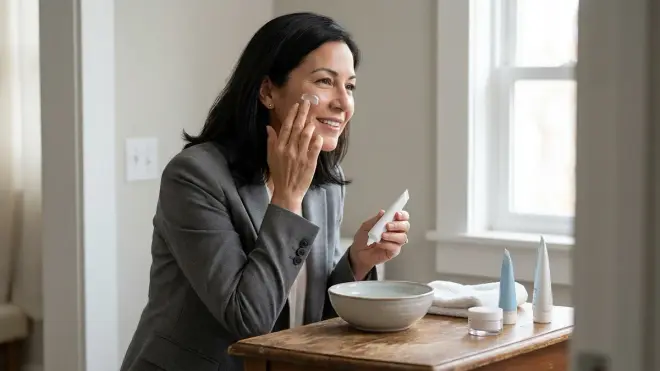
This is your structural repair step. Ceramides, cholesterol, and free fatty acids in specific ratios (either 3:1:1 or 1:1:1) have been shown to restore barrier function more effectively than ceramides alone. You're not just moisturizing—you're providing exogenous lipids that integrate into lamellae and restore intercellular cohesion.
Budget gold standard: CeraVe Moisturizing Cream (usually around $15.49 for 12 oz = around $1.29/oz) contains ceramides 1, 3, and 6-II plus cholesterol and fatty acids in proprietary MVE delivery system. Manufactured in the USA using L'Oréal technology (CeraVe was acquired in 2017). Comparable formulation: SkinCeuticals Triple Lipid Restore 2:4:2 (usually around $136 for 1.6 oz = around $85/oz)—contains ceramides, cholesterol, and fatty acids at 2:4:2 ratio. The price differential is 66x for theoretically optimized ratios that show minimal functional difference in clinical TEWL studies.
Alternative with higher ceramide concentration: Stratia Liquid Gold (usually around $34 for 2 oz = around $17/oz) features 4% niacinamide plus ceramides, cholesterol, and fatty acids with added sea buckthorn oil (high in palmitoleic acid, a rare omega-7 that supports skin barrier lipids). Manufactured in small batches in the USA with pH 5.5.
Application technique:
- Warm product between palms (improves spreadability without altering formulation)
- Press into skin in sections—forehead, cheeks, chin—rather than smearing across face
- Use enough product that you feel slip for 10-15 seconds before it absorbs
- Pay extra attention to cheek zones and around nose where barrier damage concentrates
- Allow three minutes before occlusive step
The three-minute wait isn't arbitrary. Ceramide-containing emulsions need time for lamellar organization to begin. Immediate occlusion can trap water without allowing lipid rearrangement, resulting in maceration rather than reinforcement.
The formulation science: Free ceramides in skincare need to exist in liquid crystalline phase to integrate with existing barrier lipids. This requires specific fatty acid chain lengths (C16-C24) and cholesterol as a fluidity regulator. Without the right ratios, you're just depositing lipids on the surface—moisturizing, but not structurally repairing. The CeraVe and Stratia formulations use validated ratios; many "ceramide creams" don't list cholesterol or fatty acid components, making them functionally incomplete.
Step 5: Seal with Occlusive Barrier Protection
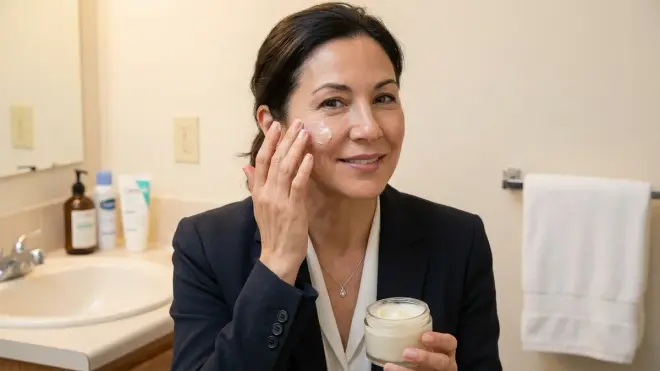
Occlusives physically block TEWL by creating a hydrophobic film. During acute barrier repair, this isn't optional—it's the difference between rebuilding lipid lamellae and constantly depleting them. You need to trap water in the stratum corneum long enough for ceramide synthesis and filaggrin processing to occur.
Petrolatum (petroleum jelly) remains the gold standard occlusive, reducing TEWL by up to 98% in clinical measurements. Yes, it's derived from petroleum. No, that doesn't make it toxic—it's one of the most extensively safety-tested ingredients in dermatology, approved for use on premature infant skin. Vaseline Original (around $3.99 for 13 oz = around $0.31/oz) is pharmaceutical-grade white petrolatum with zero additives.
If petrolatum texture is intolerable: Aquaphor Healing Ointment (usually around $7.99 for 3.5 oz = around $2.28/oz) is 41% petrolatum with added lanolin alcohol (humectant) and glycerin. The lanolin makes it more spreadable but can be sensitizing in approximately 1-3% of users with wool allergies. CeraVe Healing Ointment (usually around $10.99 for 3 oz = around $3.66/oz) uses 46.5% petrolatum plus ceramides and hyaluronic acid—unnecessary additives during acute repair, but less occlusive texture for facial use.
Silicone alternative: If you absolutely cannot tolerate petrolatum, use dimethicone at 5%+ concentration. EltaMD Intense Moisturizer (usually around $34 for 1.7 oz = around $20/oz) uses 5% dimethicone with ceramide-identical lipids. Dimethicone reduces TEWL by 30-50%—less than petrolatum, but sufficient if applied correctly.
Application protocol:
- Apply after your lipid replenishment layer has absorbed (the three-minute wait)
- Start with a rice grain amount—occlusives spread far more than you expect
- Focus on cheeks, forehead, and around eyes (highest TEWL zones)
- Avoid thick application that transfers to pillowcase—thin film sufficiency
- For daytime use: skip or use only on problem areas if occlusive texture interferes with sunscreen
Occlusive sealing is non-negotiable at night. Your skin's barrier repair mechanisms peak during sleep when cortisol is lowest and growth hormone is elevated. Trapping hydration during this window accelerates lipid synthesis significantly.
One practical friction point: Occlusives feel heavy and greasy. They transfer to pillowcases. They make your face shiny. This is the trade-off for rapid barrier repair. If you can't tolerate full-face occlusion, target only your most damaged areas—usually the cheeks and around the nose—and accept that repair will take longer for untreated zones.
Step 6: Implement Humidity Control and Mechanical Protection
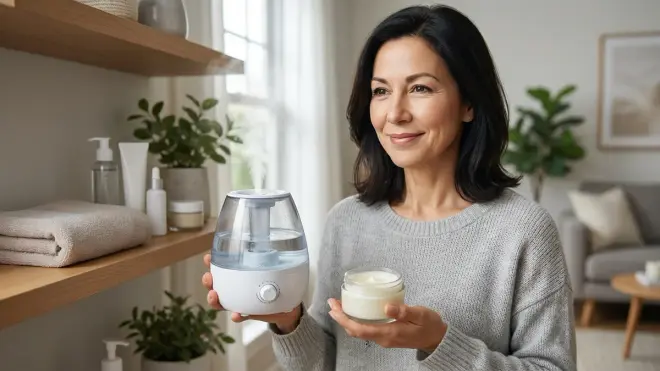
Topical products are half the equation. Environmental factors—particularly humidity and friction—either support or sabotage barrier recovery.
Humidity management: The stratum corneum requires ambient humidity of 40-50% to maintain optimal NMF hydration. Below 30% humidity, the corneocytes shrink and lipid lamellae become disorganized, increasing TEWL even with perfect product selection. This is why skin crashes in winter or in air-conditioned offices.
Run a cool-mist humidifier in your bedroom during sleep (6-8 hours of controlled humidity exposure). Target 45% relative humidity—measure with a basic hygrometer (usually around $12-15). Budget pick: Levoit Cool Mist Humidifier, 4L capacity, runs 30+ hours (usually around $39.99)—sufficient for bedroom use without constant refilling. Clean every three days to prevent bacterial growth; use distilled water to avoid mineral buildup that reduces output efficiency.
Mechanical friction reduction: Your pillowcase creates hours of sustained friction against barrier-compromised skin. Cotton has a coefficient of friction approximately 3x higher than silk or satin, creating micro-abrasions that disrupt healing tissue.
Switch to a mulberry silk or satin pillowcase (silk is natural fiber, satin is weave—both reduce friction significantly). Budget option: Bedsure Satin Pillowcase (usually around $8.99 for 2-pack = around $4.50 each) offers 85% polyester satin weave with friction reduction comparable to silk at 1/6 the price. Luxury comparison: Slip Silk Pillowcase (usually around $89 for one)—real mulberry silk feels cooler and more breathable, but functional difference for barrier protection is negligible.
Molecular mechanism: The NMF—natural moisturizing factor—consists of amino acids, PCA, lactate, urea, and sugars that maintain corneocyte hydration. These are water-soluble and hygroscopic, meaning they pull moisture from the environment. In low humidity, the NMF can't function effectively, and the stratum corneum becomes brittle and prone to fissuring. External humidification provides the aqueous environment for NMF optimization while your barrier structure rebuilds.
Sunscreen considerations during repair: UV exposure generates oxidative stress and inflammatory mediators that directly impair barrier recovery. You need daily SPF 30+ protection, but chemical filters (avobenzone, octinoxate, oxybenzone) can irritate compromised barriers. Stick to mineral-only formulations with zinc oxide or titanium dioxide.
Budget recommendation: CeraVe Hydrating Mineral Sunscreen SPF 30 (usually around $14.99 for 2.5 oz = around $6.00/oz) uses zinc oxide 10% plus ceramides and niacinamide. No white cast is a lie—it has a slight tint that fades within 5-10 minutes. Luxury comparison: EltaMD UV Physical SPF 41 (usually around $33 for 3 oz = around $11/oz) uses zinc oxide 9% and titanium dioxide 7%—the dual mineral approach reduces white cast but not significantly enough to justify the price differential.
One genuine annoyance: mineral sunscreens pill when layered over occlusive products. Apply your morning ceramide moisturizer without occlusive sealing, wait five minutes, then apply mineral SPF. Save occlusive sealing for nighttime only unless you're staying indoors.
Step 7: Monitor Barrier Recovery Markers and Reintroduce Actives Strategically
By day three, you should observe reduced stinging upon product application, less visible flaking, and decreased redness after cleansing. These are functional markers of improved barrier integrity. By day seven, you should have normalized TEWL sensation—your skin should feel comfortable without constant reapplication of moisturizer.
Measurable improvement indicators:
- Reduced water sensitivity (face no longer stings during cleansing)
- Decreased reactivity to ambient temperature changes
- Improved product absorption without tingling or burning
- Visible reduction in dry patches and texture roughness
- Less tightness or discomfort 4-6 hours after moisturizing
If you're not seeing these improvements by day seven, you have an ongoing barrier disruptor that's outpacing your repair protocol. Common culprits: water temperature above 100°F, mechanical exfoliation through washcloths or cleansing devices, continued use of fragrance or essential oils in other products (body lotion, hair products that contact the face), or insufficient occlusive protection.
Strategic active reintroduction: After seven days of strict barrier-first protocol, you can begin carefully reintroducing actives—but sequencing matters. For a complete roadmap, see our barrier-first skincare routine checklist.
Week 2-3 reintroduction order:
- Antioxidants first: Vitamin E (tocopherol), resveratrol, or stable vitamin C derivatives (MAP, SAP) at pH 5-6—not L-ascorbic acid below pH 4
- Gentle exfoliation (optional): PHA (gluconolactone, lactobionic acid) at 5-8% concentration once weekly—skip if skin still shows dryness
- Peptides and growth factors: Once barrier is fully stable—these work better with intact barrier function anyway
Week 4+ reintroduction order:
- Retinoids: Start with encapsulated retinol at 0.25% three times weekly, only after zero sensitivity to current routine
- Vitamin C: L-ascorbic acid formulations at 10-15% can be reintroduced once retinoid tolerance is established
- AHAs/BHAs: Only if you need them for specific concerns—many people discover their "acne" was actually barrier dysfunction creating inflammatory papules
The critical principle: Actives are effective only when your barrier can manage the controlled stress they create. Applying retinol to a compromised barrier isn't "accelerating results"—it's creating oxidative damage without the cellular machinery to process it. The goal isn't to eliminate actives forever; it's to restore the structural foundation that allows actives to function as intended.
If you're interested in incorporating advanced repair technology after barrier stabilization, our guide to bioregenerative skincare explores growth factors and cell-signaling peptides that complement structural repair.
Pro Tips & Common Mistakes
Pro tip: Use squalane as a penetration facilitator for ceramide serums. Apply 2-3 drops of pure squalane oil immediately after niacinamide, before your ceramide cream. Squalane (the saturated hydrocarbon, not squalene the unsaturated precursor) has molecular structure similar to skin's sebum lipids, allowing it to enhance lipid layer organization. Budget source: The Ordinary 100% Plant-Derived Squalane (usually around $7.90 for 1 oz). This isn't about adding moisture—it's about improving lipid lamellae organization for faster barrier recovery.
Pro tip: Test product pH if you experience persistent stinging. Most drugstore products don't list pH, but formulations above pH 7 or below pH 4 can impair barrier recovery. pH strips (usually around $8 for 100 strips) let you test your cleanser and serums. Target range: 4.5-6.0. If your ceramide cream tests above 7, it's disrupting your acid mantle despite having the right ingredients.
Common mistake: Applying hyaluronic acid without sufficient occlusion. HA is a humectant—it draws water from the dermis into the epidermis, but also from the epidermis into dry air. In low humidity environments, HA can increase TEWL if not properly sealed with occlusives. During barrier repair, use HA only if it's already in your ceramide cream formulation, not as a standalone serum.
Common mistake: Over-cleansing in an attempt to remove occlusive buildup. Petrolatum and heavy ceramide creams accumulate on the skin surface. This is normal. Single cleansing with a gentle surfactant removes sufficient residue—double cleansing or micellar water "first cleanse" strips the barrier you're trying to repair. If you have genuine buildup (comedones forming, makeup not applying smoothly), reduce occlusive quantity rather than increasing cleansing intensity.
Common mistake: Expecting barrier repair to "cure" underlying conditions. Rosacea, seborrheic dermatitis, perioral dermatitis, and hormonal acne have barrier dysfunction as a component but not as the primary cause. Barrier repair improves resilience and reduces inflammatory cascades, but you'll likely need targeted treatment for the underlying pathology. Don't waste months assuming barrier repair will resolve everything—if you see no improvement after 3-4 weeks of strict protocol, consult a dermatologist.
Pro tip: Track your water intake and sleep quality as barrier cofactors. Systemic hydration affects NMF composition, and sleep deprivation elevates cortisol, which impairs barrier lipid synthesis. Aim for 0.5 oz water per pound of body weight daily (not the arbitrary "8 glasses") and 7-8 hours sleep. These aren't skincare steps, but they determine whether your topical protocol succeeds or plateaus.
Frequently Asked Questions
How long does it take to repair a damaged skin barrier?
A damaged skin barrier typically requires 7-14 days for functional recovery and up to 4-6 weeks for complete structural restoration, depending on severity of damage. Minor barrier impairment from over-exfoliation shows measurable improvement in TEWL within 72 hours using ceramide-dominant protocols. Severe barrier disruption from chronic retinoid misuse, eczema flares, or chemical burns requires 3-4 weeks of strict lipid replenishment and occlusive protection to restore normal corneocyte cohesion and lipid lamellae organization.
Can I use retinol while repairing my skin barrier?
No, you should not use retinol or any retinoid while actively repairing barrier damage. Retinoids accelerate cellular turnover and temporarily disrupt barrier function as part of their mechanism—exactly what you're trying to reverse. Even encapsulated retinol at low concentrations creates controlled inflammatory response that a compromised barrier cannot properly manage, resulting in irritation without the beneficial adaptation. Eliminate all retinoids for minimum 7-14 days during acute repair, then reintroduce at lower frequency (twice weekly) only after zero sensitivity to your barrier-repair routine.
What's the difference between a damaged barrier and dehydrated skin?
A damaged barrier is structural compromise of the stratum corneum's lipid lamellae, resulting in increased TEWL, impaired desquamation, and heightened sensitivity to products and environmental factors. Dehydrated skin is a temporary water content deficiency that can occur even with intact barrier function, caused by inadequate humectant application or low environmental humidity. Damaged barriers often present with dehydration as a symptom, but dehydration alone doesn't indicate barrier damage. Key differential: damaged barriers sting upon water contact and react to previously tolerated products, while simple dehydration responds immediately to humectant application without sensitivity issues.
Should I stop using vitamin C when my skin barrier is damaged?
Yes, discontinue L-ascorbic acid formulations (typically pH 2.5-3.5) during barrier repair, as the low pH creates additional stress on compromised tissue. You can continue using pH-neutral vitamin C derivatives like magnesium ascorbyl phosphate (MAP) or sodium ascorbyl phosphate (SAP) at pH 5-7, which provide antioxidant protection without the acidic irritation. These derivatives are less potent for collagen synthesis stimulation but offer adequate free radical scavenging during the repair window. Reintroduce L-ascorbic acid formulations only after minimum 14 days of stable, non-reactive barrier function, starting with 10% concentration rather than jumping back to 15-20% products.
Summary
Repairing a damaged skin barrier requires understanding the biochemical architecture you're restoring, not just masking symptoms with heavy creams. The seven-day protocol—strategic simplification, pH-balanced cleansing, niacinamide support, ceramide-dominant replenishment, occlusive sealing, environmental optimization, and monitored reintroduction—works because it addresses the specific molecular deficits in barrier dysfunction: depleted lipid lamellae, disorganized corneocyte structure, elevated TEWL, and inflammatory cascade perpetuation.
This isn't about expensive products or dermatologist-only secrets. CeraVe at around $1.29/oz and Vaseline at around $0.31/oz outperform luxury formulations charging 50-80x more for marginally optimized lipid ratios. The cost is patience and aesthetic tolerance—you'll look worse temporarily while tissue rebuilds—but functional restoration occurs within one week if you eliminate the variables sabotaging recovery.
Your barrier is structural infrastructure, not decorative surface. Treat it accordingly, and everything you layer on top will work better. For ongoing maintenance strategies after acute repair, explore our comprehensive guide to barrier-first beauty principles that keep skin resilient long-term.