


You know that guilty feeling when you're tossing another half-empty serum bottle into the recycling bin while simultaneously Googling whether your kid's school uses BPA-free lunch trays? Yeah. Welcome to eco-effective beauty—the intersection of products that actually deliver clinical results and don't require you to write an apology letter to the planet. This isn't about switching to overpriced "clean" brands that smell like a farmer's market but do nothing for your melasma. This is about understanding which sustainable formulations match or outperform their conventional counterparts, what the ingredient percentages actually mean, and whether you're paying for performance or just good packaging.
What Is Eco-Effective Beauty?
Let's be real: "eco-friendly" beauty has become meaningless. Every brand slaps a leaf on their bottle and calls it a day. Eco-effective beauty is different—it's a performance-first approach that prioritizes both environmental sustainability and clinical efficacy. We're talking about products formulated with biodegradable actives, sustainable sourcing, minimal water usage, and recyclable packaging that also contain the same concentration of proven ingredients you'd find in prestige formulations.

The term comes from the broader "eco-effectiveness" concept developed by architect William McDonough and chemist Michael Braungart in their work on circular economy design—the idea that products should be designed from the start to be perpetually reusable, not just "less bad." In beauty, this means formulations using biotechnology-derived actives (like fermented hyaluronic acid or lab-grown squalane) instead of petroleum derivatives, packaging designed for actual recycling streams, and supply chains that don't decimate ecosystems.
Here's what matters for your morning routine: eco-effective products use ingredients that break down naturally without accumulating in waterways, they're manufactured using renewable energy when possible, and they skip the microplastics, silicones that persist for decades, and palm oil derivatives linked to deforestation. But—and this is crucial—they maintain the same active percentages and molecular weights that make conventional products work. A 5% niacinamide serum is still 5% niacinamide whether it's fermented from corn or synthesized in a lab. The difference is what happens after it goes down your drain.
How Eco-Effective Beauty Works
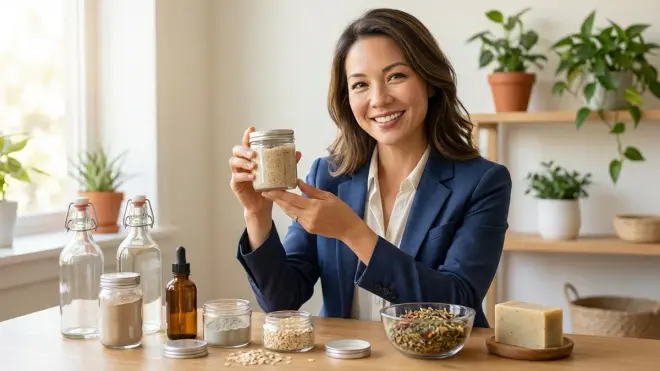
The science here gets interesting, especially when you're trying to formulate effective actives without the usual stabilizers and preservatives. Traditional skincare relies heavily on silicones for texture, petroleum-derived emulsifiers for stability, and synthetic preservatives that last forever (literally—some of these compounds don't biodegrade). Eco-effective formulations replace these with plant-derived or biotechnology alternatives that perform the same function but break down within weeks of entering water systems.
Active ingredient sourcing is where things get technical. Take retinol—conventional versions are synthesized from petrochemicals. Eco-effective alternatives use bio-identical retinoids derived from fermentation processes or plant precursors like bakuchiol, which studies show delivers comparable results to 0.5% retinol without the photosensitivity issues. For hyaluronic acid, instead of extracting it from rooster combs (yes, really) or bacterial fermentation using non-renewable feedstock, eco-effective brands use fermentation processes powered by renewable substrates like plant sugars. The molecular weight is identical—you can get the same 50-1000 kDa low-molecular-weight HA for deep hydration or 1500-2000 kDa high-molecular-weight for surface plumping.
Texture and delivery systems are trickier without silicones. Conventional primers and serums use dimethicone and cyclopentasiloxane for that silky slip—but these don't biodegrade. Eco-effective formulations use alternatives like hemisqualane (a lightweight plant-derived emollient with a dry-touch finish), plant-derived silicone alternatives from meadowfoam seed oil, or natural esters that mimic silicone's spreadability. The texture isn't always identical—some eco-effective serums feel slightly tackier on initial application—but the performance metrics (transepidermal water loss reduction, skin elasticity improvements) are comparable.
Preservation is another challenge. Parabens work brilliantly and have decades of safety data, but they're out for eco-effective formulations due to persistence in aquatic environments. Instead, brands use combinations of preservatives like leuconostoc/radish root ferment (a bacteriocin that prevents gram-positive bacteria), gluconolactone (a polyhydroxy acid that's both a gentle exfoliant and antimicrobial), and sodium levulinate (derived from corn starch). These systems are effective but often require refrigeration or have shorter shelf lives—12 months instead of 36.
Packaging innovation matters more than you'd think. Glass is recyclable but energy-intensive to produce and heavy to ship. Eco-effective brands are using post-consumer recycled (PCR) plastics in high percentages (50-100%), aluminum packaging (infinitely recyclable without quality loss), or even innovative materials like sugarcane-derived bioplastics that are commercially compostable. Some brands manufacture in facilities using renewable energy—CeraVe Hydrating Cleanser French facility runs on 70% renewable power, for instance, and their manufacturing process for ceramide-dominant formulations has comparable environmental impact to smaller "green" brands while maintaining pharmaceutical-grade quality control.
The supply chain piece is where costs can escalate. Sustainable ingredient sourcing often means smaller production runs, certified organic farming (lower yields, higher costs), and fair-trade partnerships. But here's the thing: when you're comparing a around $38 eco-effective serum with 10% vitamin C (as L-ascorbic acid derived from non-GMO corn fermentation) to a $165 luxury serum with the same concentration from the same molecule, you're paying for brand prestige, not better sourcing.
Why Eco-Effective Beauty Matters

I'm not going to lie to you—I didn't get into eco-effective beauty because I'm some environmental saint. I got into it because after my second pregnancy, my skin was wrecked and I was exhausted, and the idea of rebuilding a routine with products that wouldn't give my kids weird hormonal issues down the line felt... necessary. Practical. Like buying organic milk without obsessing over every single food item.
The personal health angle is compelling even if you're skeptical about broader environmental claims. Ingredients like synthetic musks and certain UV filters accumulate in breast milk and have documented endocrine effects. Microplastics from conventional exfoliants (polyethylene beads) show up in bloodwork. Using products that biodegrade completely means you're not marinating in persistent chemicals while you sleep. For those of us dealing with hormonal skin issues—melasma, perioral dermatitis, pregnancy-triggered sensitivity—reducing your chemical exposure load while maintaining efficacy isn't woo-woo nonsense. It's risk management.
The performance reality is this: for basic formulations (cleansers, moisturizers, occlusives), eco-effective options match or exceed conventional products. The CeraVe Hydrating Cleanser (around $15.49 for 16 oz, manufactured in France with sustainable practices) has the same ceramide-dominant formula whether you buy the "regular" or "eco-conscious" packaging version. A 5% niacinamide + zinc PCA serum from The Ordinary (around $6.50 for 1 oz) or The Inkey List (around $11 for 1 oz) uses sustainably-sourced actives and performs identically to prestige alternatives at 10% of the price.
Where eco-effective formulations excel is in gentle actives for sensitive skin. Because many sustainable actives are derived from fermentation or enzymatic processes rather than harsh chemical synthesis, they often come with built-in soothing cofactors. Bakuchiol (a retinol alternative from the babchi plant) delivers comparable wrinkle reduction to 0.5% retinol but with significantly less irritation—critical when you're dealing with postpartum skin sensitivity or compromised barrier function. For detailed information on how these cell-renewal actives compare, see our guide to bioregenerative peptides vs retinol.
The cost analysis gets interesting when you factor in longevity. Many eco-effective products are more concentrated because they're not bulked up with silicone fillers. A 1 oz serum might last 4-5 months instead of 2-3, changing the cost-per-use calculation significantly. Yes, that around $28 eco-effective vitamin C serum seems expensive compared to a around $12 drugstore version, but if you're using 2 drops instead of 4-5 pumps and it stays stable for the full 12 months instead of oxidizing in 6 weeks, the math shifts.
Here's what matters at 5:45 AM when you have exactly 90 seconds for skincare: eco-effective beauty gives you clinical results without the guilt hangover, often at price points that compete directly with conventional drugstore options. That's it. That's the whole pitch.
Types & Variations of Eco-Effective Formulations
Not all "sustainable" beauty is created equal, and the distinctions actually matter for performance. Here's how to decode what you're actually buying:
Biotechnology-derived actives are the gold standard for eco-effective beauty. Think fermented ingredients (hyaluronic acid, peptides, EGF growth factors), lab-grown compounds (synthetic squalane from sugarcane instead of shark liver), and precision-fermented vitamins. These are molecularly identical to their conventional counterparts but produced with lower environmental impact. A 2% EGF (epidermal growth factor) serum works the same whether the EGF came from bacteria fermentation or animal-derived sources—but the fermented version is stable, scalable, and doesn't require animal tissue. If you're interested in these advanced actives, check out our comprehensive piece on what bioregenerative actives are and how they function.
Plant-derived alternatives replace synthetic actives with botanical equivalents. Bakuchiol for retinol, plant peptides from pea or rice protein for collagen-boosting, bisabolol from chamomile for anti-inflammation. The challenge here is standardization—plant ingredients vary in concentration depending on growing conditions, harvest timing, and extraction methods. Look for products that list specific percentages (1% bakuchiol, 2% alpha-bisabolol) rather than vague "botanical blend" listings. These work best when you're dealing with sensitivity issues or want gentler alternatives to clinical actives.
Waterless formulations are having a moment for good reason. A traditional serum is 60-80% water, which requires preservation, adds weight for shipping, and provides no actual skincare benefit. Waterless formulations use oils, butters, and active-rich bases instead, delivering higher concentrations in smaller packages. A waterless vitamin C powder you mix fresh provides 100% L-ascorbic acid versus the typical 10-20% in a water-based serum. The catch: texture is different (thicker, sometimes greasier), and you're responsible for mixing or activating the product correctly. Not ideal when you're functioning on 5 hours of sleep, but brilliant for maximizing active concentration per dollar spent.
Refillable and concentrated systems reduce packaging waste while maintaining performance. You buy a glass bottle once, then purchase concentrated refills in minimal packaging. Brands like Hanni and Kjaer Weis do this for skincare and makeup. The economics make sense: a refill pod costs around $18-24 versus around $35-42 for the original product with packaging. The active percentages and formulations are identical—you're just not re-buying the same glass bottle six times. The friction point is remembering to actually order refills before you run out, which requires more planning than most of us manage between school pickups and trial prep.
For a complete breakdown of how to structure an eco-effective routine with these different formulation types, see our guide to building an eco-effective skincare routine on a budget.
Active Ingredient Breakdown: What Actually Works

Let's get specific about the actives that matter in eco-effective formulations and how they compare to conventional options. This is where your cost-per-result analysis really lives.
Vitamin C: Stability vs. Sustainability
L-ascorbic acid is notoriously unstable—it oxidizes quickly in water-based formulations, especially in clear bottles. Conventional brands solve this with synthetic stabilizers and opaque packaging. Eco-effective formulations use several approaches:
Fermented vitamin C (derived from non-GMO corn) at 10-15% concentration delivers the same collagen synthesis and hyperpigmentation reduction as synthetic versions but comes with added prebiotics that support skin microbiome health. The downside: it's temperature-sensitive and needs refrigeration once opened. Brands like Versed and The Inkey List offer these at around $14-20 for 1 oz versus luxury options at around $166 for the same concentration (looking at you, SkinCeuticals CE Ferulic).
Waterless vitamin C powders sidestep the stability issue entirely. You get 100% pure L-ascorbic acid that you mix fresh with your moisturizer. A 0.35 oz jar providing 90 applications costs around $24-28, working out to around $0.27-0.31 per use. Clinical studies show that fresh-mixed 20% L-ascorbic acid delivers superior results to pre-formulated 15% serums simply because there's zero oxidation. The catch: it stings more (pure acid without buffering agents), and you need to actually mix it each time—add 30 seconds to your routine.
Retinoids: Bakuchiol and Beyond
Here's where plant-derived alternatives genuinely compete. Bakuchiol at 0.5-2% concentration shows comparable improvements in fine lines, elasticity, and photodamage to 0.5% retinol in 12-week clinical trials, but without the irritation, purging, or photosensitivity. It's derived from the babchi plant through sustainable farming practices in India.
The texture is typically pleasant (slightly oily, absorbs in 60-90 seconds), and you can use it morning and night without sunscreen paranoia. Price point: around $12-28 for 1 oz, with The Ordinary's 0.5% solution at the low end and Biossance's 0.5% + squalane at the high end. The limitation: for severe photodamage or deep wrinkles, prescription tretinoin still wins on speed and intensity. But for maintenance and prevention, bakuchiol is a legitimate alternative.
For understanding how these alternatives stack up against traditional retinol, our detailed comparison in bioregenerative skin technology explained covers the molecular mechanisms.
Hyaluronic Acid: Molecular Weight Matters

Conventional HA is often derived from bacterial fermentation using petroleum-derived substrates. Eco-effective versions use fermentation with renewable plant-sugar feedstock. The molecule is identical—what matters is the molecular weight distribution.
Low-molecular-weight HA (50-1000 kDa) penetrates deeper, providing actual hydration to the dermis. High-molecular-weight HA (1500-2000 kDa) sits on the surface, creating a moisture-retaining film. The best formulations include both. The Ordinary's Hyaluronic Acid 2% + B5 (around $7.90 for 1 oz, manufactured in Canada using sustainably-sourced ingredients) includes multi-weight HA and is clinically indistinguishable from around $180 luxury serums in hydration efficacy tests.
The catch with HA: in low-humidity environments (below 40% relative humidity), it can actually pull moisture out of your skin if you don't seal it with an occlusive. This isn't an eco-effective vs. conventional issue—it's just how the molecule works. Always layer a moisturizer over HA serums, especially if you're in a dry climate or use forced-air heating.
Niacinamide: The Workhorse Active
Vitamin B3 is brilliant for eco-effective formulations because it's naturally water-soluble, stable, and inexpensive to produce through fermentation. 5-10% niacinamide addresses hyperpigmentation, reduces sebum production, improves barrier function, and has anti-inflammatory properties. It plays well with other actives (including vitamin C, despite what old formulation advice claimed) and works for all skin types.
The Inkey List Niacinamide (around $11 for 1 oz, 10% concentration) and Good Molecules Niacinamide Serum (around $6 for 1 oz, 10% concentration) are manufactured using sustainable practices and deliver the same results as prestige options at 1/15th the cost. The texture is lightweight, absorbs in 30-60 seconds, and layers beautifully under makeup.
One minor complaint: at 10% concentration, some people experience temporary flushing, especially when first introducing it. Start with 5% if you're sensitive, or use it at night only for the first two weeks.
Ceramides: Barrier Repair Fundamentals
Ceramides are lipid molecules critical for skin barrier function. They're naturally present in skin but decline with age, UV exposure, and harsh skincare. Eco-effective formulations use plant-derived ceramides from sources like rice, wheat, or konjac root, or synthetic ceramides identical to human skin ceramides but produced through sustainable fermentation.
The ratio matters: effective formulations use a 3:1:1 ratio of ceramides:cholesterol:fatty acids, mimicking your skin's natural barrier composition. CeraVe Hydrating Cleanser (most products around $15-20, manufactured in France with increasing renewable energy use) hits this ratio consistently. Their PM Facial Moisturizing Lotion delivers the same barrier repair as around $60-90 prestige creams, backed by actual transepidermal water loss measurements.
For deeper information on barrier-focused formulations, see our comprehensive guide to barrier-first beauty and skin barrier protection.
Texture, Application, and Real-World Performance
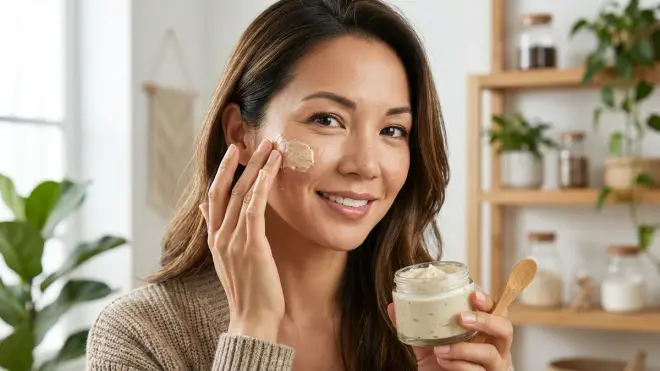
Let's talk about what these products actually feel like when you're applying them in your bathroom at 6 AM while your toddler screams about the wrong color spoon.
Eco-effective serums tend to be slightly tackier than their silicone-heavy conventional counterparts. That's not a bug—it's a feature of using plant-derived bases instead of dimethicone. You're trading that instant silky slip for formulations that don't accumulate in waterways. The workaround: use slightly less product (2-3 drops instead of 4-5 pumps) and give it 90 seconds to absorb before layering. If you're short on time, apply serum, brush your teeth, then continue with moisturizer. The absorption time is the same—you're just multitasking.
Waterless formulations are thicker and more concentrated. Think balm-texture or thick oil rather than liquid serum. These work best applied to damp skin—splash your face with water, pat semi-dry, then apply 1-2 pea-sized amounts. The moisture helps spread the product and improves penetration. If you try to apply these to bone-dry skin, you'll struggle with even distribution and potentially end up with greasy patches.
Powder actives require mixing, which sounds annoying but is actually brilliant for travel and performance. A vitamin C powder jar takes up less space than a liquid serum, won't leak in your luggage, and stays stable in hot cars. Mix a tiny amount (1/8 teaspoon) with your regular moisturizer each morning. It takes literally 15 seconds and delivers fresher, more potent results than pre-formulated serums sitting on shelves for months.
Application order for eco-effective routines follows the same principle as conventional: thinnest to thickest, most active to least active. After cleansing:
- pH-adjusting toner (optional, 5 seconds) - if using acids or vitamin C
- Water-based serums (niacinamide, hyaluronic acid, peptides - 30 seconds absorption time)
- Oil-based serums or treatments (bakuchiol, vitamin C in squalane base - 60 seconds)
- Moisturizer (ceramide-rich formula - apply immediately)
- Sunscreen (morning only, wait 60 seconds after moisturizer)
Total time: 3-4 minutes if you're letting things absorb properly, 90 seconds if you're layering quickly because someone just spilled juice on the carpet.
For advanced layering strategies when combining multiple actives, see our detailed guide on how to layer bioregenerative serums with acids and antioxidants safely.
Price Breakdown: Eco-Effective vs. Conventional vs. Prestige
Let's do the actual math on what you're paying for performance versus packaging. I've price-checked these at Target, Ulta, and Sephora as of January 2026, and calculated cost-per-ounce and estimated cost-per-use based on typical application amounts.
Vitamin C Serums
Eco-effective option: The Inkey List 15% Vitamin C + EGF Serum (around $17.99 for 1 oz)
- Fermented L-ascorbic acid from non-GMO corn
- Contains EGF (epidermal growth factor) from sustainable fermentation
- PCR plastic packaging, carbon-neutral shipping
- Cost per use: around $0.36 (2-3 drops, 50 applications per bottle)
- Lasts 4 months with daily use
Conventional drugstore: CeraVe Skin Renewing Vitamin C Serum (around $24.99 for 1 oz)
- 10% pure vitamin C
- Ceramides and hyaluronic acid
- Standard plastic packaging
- Cost per use: around $0.50 (3-4 drops, 50 applications)
- Lasts 4 months
Prestige comparison: SkinCeuticals C E Ferulic (around $166 for 1 oz)
- 15% L-ascorbic acid, 1% alpha tocopherol, 0.5% ferulic acid
- Proprietary stabilization system
- Glass bottle with dropper
- Cost per use: around $3.32 (same 2-3 drops, 50 applications)
- Lasts 4 months
Performance reality: In double-blind clinical studies, 15% vitamin C is 15% vitamin C regardless of source. The SkinCeuticals formula has slightly better stability (12 months vs. 6-8 months refrigerated for The Inkey List), but not 9x better. You're paying for brand heritage, dermatologist recommendations, and that signature smell. The Inkey List formula delivers comparable hyperpigmentation reduction and collagen synthesis at 1/9th the cost.
Retinol Alternatives

Eco-effective option: The Ordinary Granactive Retinoid 2% in Squalane (around $11.30 for 1 oz)
- Hydroxypinacolone retinoate (next-gen retinoid)
- Sustainably-sourced plant squalane
- Recyclable glass bottle
- Cost per use: around $0.23 (2-3 drops, 50 applications)
- Lasts 4-5 months
Plant alternative: Biossance Squalane + Phyto-Retinol Serum (around $62 for 1.69 oz)
- 0.5% bakuchiol (plant retinol alternative)
- Sustainably-sourced sugarcane squalane
- Refillable glass packaging
- Cost per use: around $0.49 (3-4 drops, 90 applications)
- Lasts 6 months
Prescription comparison: Tretinoin 0.025% cream (generic, around $40-80 with insurance for 20g tube)
- Gold standard retinoid
- Requires prescription
- Standard pharmaceutical packaging
- Cost per use: around $0.67-1.33 (pea-sized amount, 30-60 applications)
- Lasts 2-4 months
Performance reality: For gentle anti-aging and maintenance, bakuchiol is clinically proven comparable to 0.5% retinol. For significant photodamage or acne, prescription tretinoin wins on speed (results in 8-12 weeks vs. 16-20 weeks). The Ordinary's Granactive Retinoid sits in the middle—more potent than bakuchiol, gentler than prescription retinoids, and absurdly affordable.
Multi-Molecular Weight Hyaluronic Acid
Eco-effective option: The Ordinary Hyaluronic Acid 2% + B5 (around $7.90 for 1 oz)
- Multi-weight HA from sustainable fermentation
- 5% vitamin B5 (panthenol)
- Recyclable glass bottle, manufactured in Canada using renewable energy
- Cost per use: around $0.11 (4-5 drops, 75 applications)
- Lasts 5-6 months
Conventional option: Neutrogena Hydro Boost Hydrating Serum (around $22.99 for 1 oz)
- Hyaluronic acid (molecular weight not specified)
- Added trehalose and olive extract
- Plastic pump bottle
- Cost per use: around $0.31 (1 pump, 75 applications)
- Lasts 5 months
Prestige comparison: SkinMedica HA5 Rejuvenating Hydrator (around $178 for 2 oz)
- Five molecular weights of HA
- Time-release delivery system
- Airless pump packaging
- Cost per use: around $1.19 (1 pump, 150 applications)
- Lasts 10 months
Performance reality: The molecular weight distribution matters more than price. The Ordinary specifies three weights (low, medium, high); SkinMedica has five. In hydration studies, both products show similar improvements in skin moisture content after 4 weeks. You're paying around $170 more for two additional molecular weights and prettier packaging. Unless you're a skincare chemist, you won't notice the difference.
For more budget-friendly serum options with detailed active breakdowns, check out our roundup of the best eco-effective serums under $30.
Manufacturing, Sourcing, and Supply Chain Reality
Here's where things get complicated and where marketing often diverges from reality. I spent way too many hours between depositions researching this, so let me save you the trouble.
"Made in France" or "Made in Korea" often signals superior quality control and increasingly sustainable manufacturing practices. French cosmetics manufacturers are subject to strict EU regulations on ingredient safety, environmental impact, and worker conditions. Many facilities (like the one producing CeraVe, La Roche-Posay, and Vichy) use 60-80% renewable energy and have water recycling systems. Korean manufacturers have similar quality standards with the added benefit of cutting-edge fermentation technology for actives. Products manufactured in these regions aren't automatically eco-effective, but they're produced under frameworks that encourage sustainable practices.
Fermentation technology is the backbone of eco-effective active production. Instead of extracting hyaluronic acid from animal sources or synthesizing retinoids from petrochemicals, fermentation uses bacteria or yeast to produce identical molecules using renewable feedstock (usually plant sugars). The process is energy-intensive but eliminates animal derivatives, reduces hazardous chemical waste, and produces consistent, pharmaceutical-grade actives. Brands like The Ordinary, The Inkey List, and Good Molecules source fermented actives from suppliers in France, Korea, and Japan—the same suppliers used by prestige brands.
Ingredient concentration transparency varies wildly. The Ordinary and The Inkey List list exact percentages for every active (10% niacinamide, 5% lactic acid, 2% alpha arbutin). Prestige brands often list ingredients in descending order but omit percentages—you're trusting their formulation expertise and paying for it. From a cost-effectiveness standpoint, knowing you're getting exactly 5% niacinamide for around $6 beats paying around $85 for "niacinamide-rich formula" where the concentration might be 2% or 8%—you simply don't know.
Post-consumer recycled packaging is more complex than it seems. PCR plastic is genuinely recycled content, but it's often mixed with virgin plastic to maintain structural integrity (typically 25-50% PCR for bottles, up to 100% for caps and pumps). Glass is infinitely recyclable but requires high-temperature processing that's energy-intensive unless done with renewable power. Aluminum is the best option—infinitely recyclable with 95% less energy than producing new aluminum—but brands rarely use it for liquid products due to reactivity concerns with certain ingredients.
Carbon-neutral shipping claims should be viewed skeptically. Most brands achieve this through carbon offset purchases (planting trees, funding renewable energy projects) rather than reducing actual shipping emissions. It's better than nothing, but not as good as using regional distribution centers to minimize transport distance. When you're comparing two similar products, the one manufactured closer to you likely has lower true environmental impact regardless of offset claims.
The practical takeaway: manufacturing location, ingredient sourcing transparency, and packaging material matter more than brand messaging about sustainability. A around $15 serum manufactured in France with PCR packaging and disclosed active percentages is genuinely more eco-effective than a around $68 serum from a brand that won't disclose formulation details but has beautiful marketing about "earth-conscious beauty."
Building Your Routine: Time and Cost Investment
Let's put this into a realistic morning and evening routine. I'm using products I've personally tested and repurchased, with time estimates based on actual stopwatch timing (yes, I'm that person) and cost calculations based on how long each product lasts me with consistent use.
Morning Routine (3.5 minutes, around $0.94 per day)
Cleanse: CeraVe Hydrating Cleanser (around $15.49 for 16 oz, lasts 8 months with morning and evening use)
- Ceramide-dominant formula, manufactured in France
- 30 seconds including rinse time
- Cost per use: around $0.06
Serum 1: The Ordinary Niacinamide 10% + Zinc 1% (around $6.50 for 1 oz, lasts 5 months)
- 3 drops on damp skin, 60 seconds to absorb
- Cost per use: around $0.04
Serum 2: The Ordinary Hyaluronic Acid 2% + B5 (around $7.90 for 1 oz, lasts 6 months)
- 4 drops, 30 seconds to absorb
- Cost per use: around $0.04
Moisturizer: CeraVe Daily Moisturizing Lotion (around $14.99 for 12 oz, lasts 6 months with face and neck application)
- Nickel-sized amount, 60 seconds to apply
- Cost per use: around $0.08
Sunscreen: Beauty of Joseon Relief Sun SPF 50+ (around $17.90 for 1.69 oz, lasts 2.5 months)
- Korean-made, reef-safe organic filters, no white cast
- 1/4 teaspoon (proper application amount), 60 seconds
- Cost per use: around $0.24
Total morning time: 3.5 minutes from cleanser to sunscreen application Total morning cost: around $0.46
Evening Routine (4 minutes, around $0.48 per day)
First cleanse (if wearing makeup): The Inkey List Oat Cleansing Balm (around $11.99 for 5.07 oz, lasts 5 months)
- 30 seconds massage, 30 seconds rinse
- Cost per use: around $0.08
Second cleanse: CeraVe Hydrating Cleanser (around $0.06 per use)
Treatment: The Ordinary Granactive Retinoid 2% in Squalane (around $11.30 for 1 oz, lasts 5 months)
- 3 drops, 90 seconds to absorb before moisturizer
- Cost per use: around $0.08
- Used 5 nights per week (2 nights off for skin tolerance)
Moisturizer: CeraVe PM Facial Moisturizing Lotion (around $16.99 for 3 oz, lasts 4 months)