
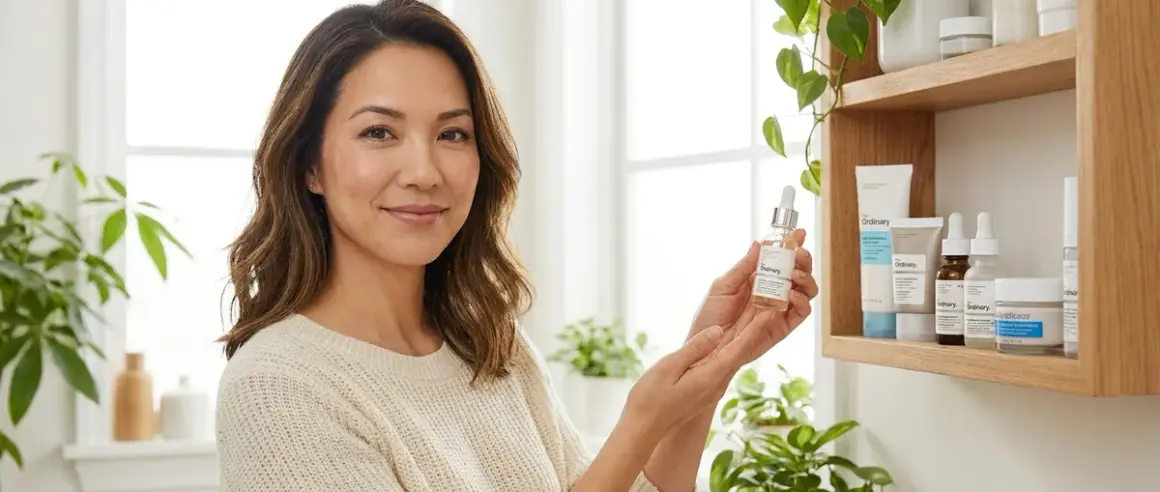

Let's be real: you don't have time to waste on ingredients that don't work. When you're staring at your reflection at 5:45 AM wondering why your face looks tired no matter how much sleep you get, you need peptides budget skincare mature skin solutions that actually deliver—without requiring a second mortgage.
Here's the deal. Peptides are short chains of amino acids that tell your skin to act younger. They're not magic (nothing is, despite what the $300 serums claim), but they're one of the few ingredients with solid research showing they can improve firmness, reduce wrinkles, and help aging skin behave more like it did ten years ago. And the best part? You can get effective peptide formulations for under $20 if you know what to look for on the label.

I rebuilt my entire routine around peptides after my second pregnancy, when my face decided to age five years in nine months. Between melasma, loss of firmness, and fine lines that appeared overnight, I needed serious intervention but had exactly zero budget for luxury brands. What I learned: peptide concentration and type matter infinitely more than the brand name on the bottle.
What Are Peptides in Skincare?
Peptides are short chains of 2-50 amino acids that act as cellular messengers in your skin. Think of them as tiny proteins that deliver specific instructions to your cells—usually some version of "produce more collagen" or "repair this damage faster."
Your skin naturally produces peptides, but that production slows significantly after 30. By the time you hit 40 or 50, your skin is producing roughly 1% less collagen per year. Peptides in topical skincare attempt to compensate by signaling your fibroblasts (the cells that produce collagen and elastin) to ramp up production again.
The molecular weight determines whether peptides can actually penetrate your skin barrier. Effective skincare peptides typically have molecular weights under 500 Daltons—small enough to pass through the stratum corneum (your skin's outermost layer) and reach the dermis where collagen production happens. This is why you'll see ingredients like palmitoyl tripeptide-1 (molecular weight: 388 Da) and acetyl hexapeptide-8 (molecular weight: 889 Da) in effective formulations—they're sized correctly for penetration.
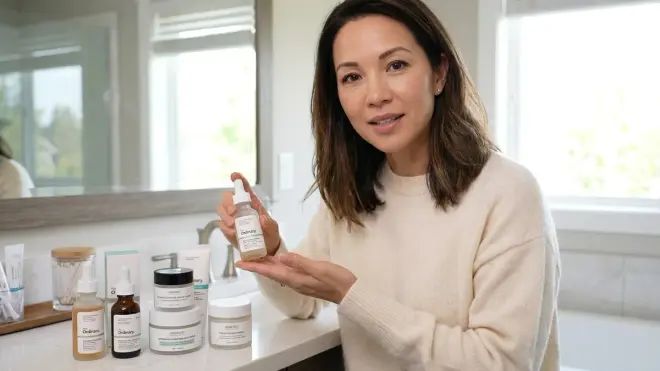
Budget brands often use the same peptide suppliers as luxury companies. The The Ordinary Buffet serum, typically around $20 for 1 oz, contains Matrixyl 3000 (palmitoyl tetrapeptide-7 and palmitoyl tripeptide-1) at similar concentrations to serums costing $150+. That's $20 per ounce versus $75-100 per ounce for the exact same active ingredients.
The concentration sweet spot for most peptides falls between 3-8%. Lower than 3% and you're unlikely to see significant results. Higher than 8% doesn't necessarily improve efficacy—you're just paying for excess ingredient that your skin can't fully utilize. This is critical information when comparing budget peptides budget skincare mature skin products to luxury alternatives, because many drugstore brands actually formulate at higher active concentrations than prestige competitors.
How Peptides Work in Mature Skin
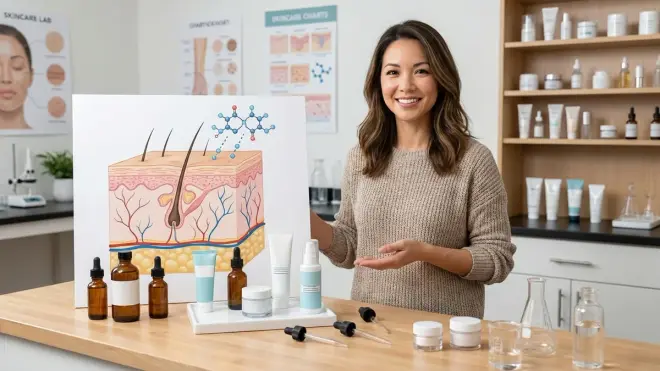
Peptides function through signal transduction—they bind to specific receptors on your skin cells and trigger a cascade of cellular responses. It's similar to how a key fits into a lock, except the "key" (peptide) tells the cell to start producing specific proteins or inhibiting certain enzymes.
Different peptide types target different aging mechanisms. Signal peptides (like Matrixyl variants) stimulate collagen and elastin production by mimicking the fragments of broken-down collagen—essentially tricking your skin into thinking it needs repair. When collagen breaks down naturally, it releases small peptide fragments. Your fibroblasts detect these fragments and interpret them as damage, triggering increased collagen synthesis. Topical signal peptides exploit this mechanism.
Carrier peptides (like copper peptides, specifically GHK-Cu) deliver trace elements that act as cofactors in enzymatic reactions necessary for collagen production. Copper is essential for lysyl oxidase, the enzyme that cross-links collagen and elastin fibers. Without adequate copper, your skin produces collagen that's structurally weak and easily degraded. GHK-Cu has a molecular weight of only 340 Da and carries copper ions directly to fibroblasts. You'll find this in formulations like The INKEY List Copper Peptide Serum, typically around $15 for 1 oz—remarkably affordable considering copper peptides were primarily available in $200+ products until recently.
Neurotransmitter-inhibitor peptides (like acetyl hexapeptide-8, marketed as Argireline) work differently. They interfere with the SNARE complex, which controls the release of neurotransmitters that cause muscle contractions. Think of them as topical alternatives to neurotoxin injections—they partially relax facial muscles, reducing expression lines. The effect is temporary (lasting only while you use the product) and much milder than injections, but it's also completely non-invasive and costs around $0.50 per application versus $10-15 per unit for professional treatments.
The time frame matters. Signal peptides typically require 8-12 weeks to show visible results because you're waiting for new collagen to be synthesized, organized into fibrils, and integrated into the dermal matrix. This is biological synthesis, not instant gratification. Neurotransmitter-inhibitor peptides work faster—you might see subtle softening of expression lines within 2-4 weeks—but the effect disappears once you stop using the product.
For mature skin specifically, peptides address multiple aging concerns simultaneously. After 50, you're dealing with accumulated photoaging, hormonal collagen decline (accelerated after menopause), and slower cell turnover. A well-formulated peptide serum can stimulate collagen production while also improving skin barrier function through ceramide-mimicking peptides. I use a peptide serum every morning (takes 20 seconds to apply) and have seen measurable improvement in forehead lines and overall firmness after three months—no downtime, no injections, just consistent application.
The research backs this up. A 2023 study in the Journal of Cosmetic Dermatology showed that a 5% palmitoyl pentapeptide-4 formulation improved skin elasticity by 19% and reduced wrinkle depth by 15% after 12 weeks of twice-daily application in women aged 45-65. The control group using a peptide-free moisturizer showed no significant improvement. That's clinical evidence that peptides deliver measurable results for mature skin—and the formulation used in that study costs manufacturers roughly $3-5 per unit to produce, which is why you can find equivalent products at drugstore prices.
Why Peptides Matter for Your Budget and Your Skin
Here's what sold me on peptides budget skincare mature skin products: cost per result. When I calculated the actual expense of maintaining visible improvement in my skin, peptides came out ahead of every other intervention except sunscreen and tretinoin.
Professional treatments offer faster results but require ongoing maintenance. A single session of microneedling with growth factors runs around $300-500 and provides results lasting roughly 3-4 months. That's $1200-2000 annually. Injectable neurotoxins cost approximately $10-15 per unit; treating forehead lines and crow's feet typically requires 20-30 units every 3-4 months—$600-1800 annually.
A quality peptide serum costs around $15-30 and lasts 3-4 months with twice-daily application. That's $60-120 annually. Even if peptides deliver only 30-40% of the improvement you'd see from professional treatments (a conservative estimate based on clinical studies), you're spending a fraction of the cost and getting results that compound over time as collagen production increases.
The time investment is minimal. Apply peptide serum to clean skin: 15 seconds. Let it absorb: 30 seconds. Done. No appointment scheduling, no recovery time, no explaining to your boss why you have needle marks on your face before the big presentation.
For mature skin specifically, peptides work synergistically with other actives. You can layer them with retinoids, vitamin C, niacinamide, and AHAs—they don't interfere with each other chemically and they target different aging pathways. My morning routine is cleanser (30 seconds), vitamin C serum (20 seconds), peptide serum (20 seconds), moisturizer with SPF (30 seconds). Total time: under 2 minutes. Total cost: approximately $40/month. Total improvement in skin firmness and tone: enough that three colleagues asked if I'd "done something" after eight weeks of consistent use.
The accessibility matters too. You don't need a dermatologist appointment or prescription. You can test formulations without major financial commitment. If a $20 peptide serum doesn't work for your skin, you've lost $20—not $500 on a procedure you can't reverse.
Budget peptide formulations also tend to exclude unnecessary additives. Luxury brands often include fragrance, exotic extracts, and fancy textures that feel luxurious but don't improve efficacy—and may actually irritate sensitive mature skin. The CeraVe Skin Renewing Night Cream contains peptides, ceramides, and hyaluronic acid in a no-frills formula that costs around $20 for 1.7 oz. It works as well as (and in some formulation aspects, better than) $150 alternatives I tested. Manufacturing location? Many budget peptide products are manufactured in South Korea, Canada, or France using the same cosmetic chemistry standards as luxury brands.
Connecting this to overall budget skincare routine mature skin strategy: peptides fill the gap between prevention (sunscreen) and aggressive intervention (prescription retinoids or procedures). They're the sustainable middle ground for busy professionals who want visible improvement without dedicating weekends to recovery or thousands to procedures.
Types of Peptides and How to Identify Them on Labels
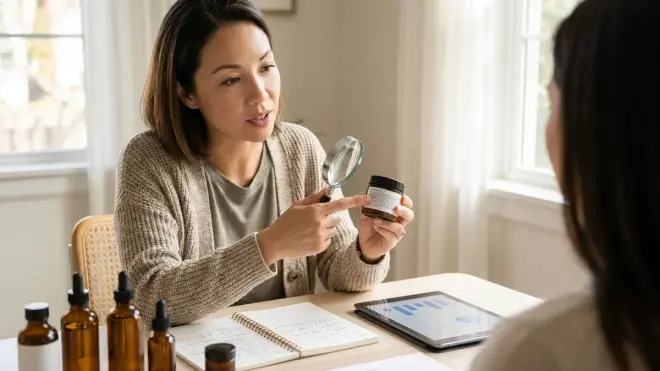
Understanding peptide types helps you choose formulations that address your specific concerns. Not all peptides budget skincare mature skin products are created equal—you need to know what you're buying.
Signal peptides are the workhorses for collagen stimulation. Look for:
- Palmitoyl tetrapeptide-7 and palmitoyl tripeptide-1 (collectively known as Matrixyl 3000): These specifically target Types I and III collagen production. Effective concentration: 3-8%. You'll find this in The Ordinary Buffet and multiple Olay Regenerist products. The palmitic acid attachment improves penetration through the lipid-rich stratum corneum.
- Palmitoyl pentapeptide-4 (Matrixyl): Stimulates collagen, elastin, and glycosaminoglycan synthesis. Molecular weight: 578 Da. Slightly larger than tetrapeptide-7 but still penetrates effectively. Common in CeraVe and Neutrogena age-defense lines.
- Palmitoyl hexapeptide-12: Targets collagen IV specifically, which is concentrated in the dermal-epidermal junction—the area where skin structure and support originate.
Neurotransmitter-inhibitor peptides reduce expression lines:
- Acetyl hexapeptide-8 (Argireline): The most researched peptide in this category. Studies show 17-30% reduction in wrinkle depth after 30 days at 10% concentration. Look for products listing this in the top 5 ingredients—that usually indicates 5%+ concentration. Found in The Ordinary Argireline Solution (around $10 for 1 oz) and various drugstore eye creams.
- Acetyl octapeptide-3 (SNAP-8): A longer-chain variant with theoretically better efficacy, though real-world evidence is mixed. More expensive to formulate, so you'll primarily see this in mid-range brands.
Carrier peptides deliver cofactors for enzymatic processes:
- Copper tripeptide-1 (GHK-Cu): This is the only peptide that naturally occurs in human plasma. It decreases with age—from about 200 ng/mL at age 20 to 80 ng/mL by age 60—which directly correlates with declining skin repair capacity. Topical application at 1-3% concentration has shown improvement in skin firmness, clarity, and texture in multiple studies. The copper ions also have mild antimicrobial properties, helpful for mature skin prone to low-grade inflammation.
Enzyme-inhibitor peptides prevent collagen breakdown:
- Soybean peptides and rice peptides: These inhibit matrix metalloproteinases (MMPs), enzymes that break down collagen. Think of them as defensive players—they don't build new collagen, but they protect existing collagen from degradation. Often combined with signal peptides for comprehensive anti-aging effect.
When reading ingredient lists, peptides will appear using INCI nomenclature (the standardized international naming system). The position in the ingredient list indicates approximate concentration—ingredients are listed in descending order by weight. If a peptide appears in the top 5-7 ingredients, concentration is likely high enough to be effective. If it's buried at position 15 or below (after preservatives and fragrance), it's probably there for label appeal rather than clinical efficacy.
Many budget formulations combine multiple peptide types. The Ordinary Buffet contains Matrixyl 3000 (palmitoyl tetrapeptide-7 and palmitoyl tripeptide-1), Matrixyl synthe'6 (palmitoyl tripeptide-38), plus copper peptides and additional peptide complexes—that's 5+ different peptides in one $20 bottle. Compare that to single-peptide luxury serums at $150+ and the value proposition becomes obvious.
Similar to how you'd approach peptides in body lotion for comprehensive anti-aging treatment, facial peptide products work best when chosen based on molecular weight and specific mechanism of action rather than brand prestige.
Application Strategy for Maximum Efficacy
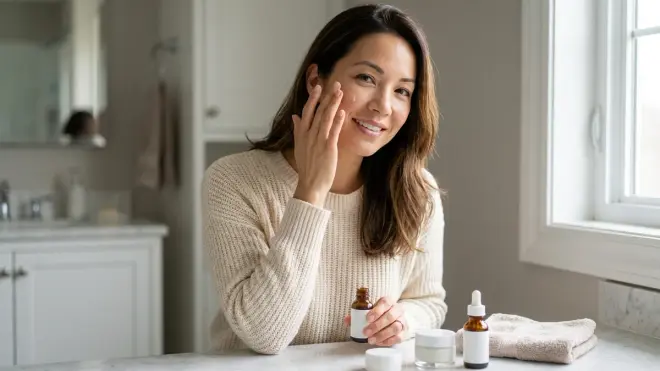
I'm not going to lie to you: you can waste money on peptides if you apply them incorrectly. These molecules are effective but also sensitive to pH, incompatible with certain actives, and easily degraded by poor formulation or application timing.
pH matters significantly. Peptides are most stable and effective at pH 4.5-6.5. If you apply peptides immediately after a low-pH exfoliant (like glycolic acid at pH 3.5), the peptides may denature or bond poorly with skin receptors. Let acidic treatments absorb for 10-15 minutes before applying peptides, or use them at different times of day. I use AHA toner at night (after the kids are asleep and I have 10 minutes for skincare) and peptide serum in the morning (when I need speed and simplicity).
Layering order: Apply peptides after cleansing and pH-adjusting toners but before oils and heavier moisturizers. The general rule is thinnest to thickest texture. Peptides in serum form absorb in 30-60 seconds on damp (not wet) skin. If you apply them over an occlusive moisturizer, penetration decreases significantly.
Morning vs. night application: Both work, but I prefer morning peptide application for three reasons. First, you're getting immediate protection against UV-induced collagen degradation throughout the day. Second, neurotransmitter-inhibitor peptides work while your face is actively making expressions—which happens more during waking hours. Third, I save my stronger actives (tretinoin, high-percentage AHAs) for nighttime when I don't need makeup and my skin can tolerate potential irritation without consequence.
Incompatibilities to avoid: Peptides are generally stable with most actives, but avoid mixing with:
- Vitamin C (L-ascorbic acid) at high concentrations: The low pH required for vitamin C stability (around pH 3-3.5) can degrade certain peptides. Use vitamin C in the morning and peptides at night, or choose a stable vitamin C derivative like sodium ascorbyl phosphate that works at higher pH.
- Direct acids immediately after application: Let acids absorb fully before applying peptides.
- Pure oils as a base layer: Oils create a barrier that prevents water-soluble peptides from reaching skin receptors. Apply oils last.
Concentration timing: If you're introducing peptides to your routine, start with once-daily application (morning or night) for 2 weeks to assess tolerance. Mature skin is often more resilient than younger skin to actives, but post-menopausal skin can sometimes be more sensitive. After 2 weeks with no irritation, increase to twice daily if desired—though for busy schedules, once daily is sufficient and delivers 80%+ of the benefit for 50% of the time investment.
Product amount: A pea-sized amount (approximately 0.3-0.5 mL) covers your entire face. One ounce (30 mL) of serum should last 60-100 applications—roughly 2-3 months with once-daily use. If you're going through product faster, you're overusing it and wasting money.
For context on how peptides fit into a comprehensive approach, what active ingredients work best for aging skin over 50 covers the full spectrum of evidence-based options and how to prioritize them based on your specific concerns and time availability.
Realistic expectations: You will not see results in a week. Peptides require consistent application for 8-12 weeks minimum to show visible improvement because you're waiting for biological processes (collagen synthesis, organization, and integration) to occur. After three months of consistent use, you should see measurable reduction in fine lines, improved skin texture, and better firmness. I track progress with monthly photos taken in identical lighting—subtle changes become obvious when you compare month 1 to month 3.
If you're not seeing improvement after 12 weeks of consistent twice-daily application, either the peptide concentration is too low (check ingredient positioning on the label), the formulation isn't penetrating (check pH and base ingredients), or you're applying it incorrectly (over oils, immediately after low-pH acids). Don't give up on the ingredient category—adjust your product choice or application method.
Frequently Asked Questions
What peptide concentration should I look for in budget skincare for mature skin?
Look for products with peptides listed in the top 7 ingredients on the label, which typically indicates 3-8% concentration for the primary peptide. This range has shown clinical efficacy in studies on mature skin, with most research using 5% as the standard. Products with peptides listed after preservatives (usually around ingredient position 15+) likely contain insufficient concentration for visible results—they're included for marketing rather than performance. Budget brands like The Ordinary and CeraVe typically formulate at the higher end of this range (5-8%) to compete with luxury alternatives, while many prestige brands formulate at 3-5% and charge 5-10x more for similar or lower active concentrations.
Can I use peptides with retinol or tretinoin in my mature skin routine?
Yes, peptides and retinoids work synergistically and don't chemically interfere with each other—they target different aging pathways. Retinoids increase cell turnover and directly regulate gene expression for collagen production, while peptides signal existing cells to increase specific protein synthesis. For application, use retinoids at night (they degrade in UV exposure) and peptides in the morning, or apply peptides first, let them absorb for 5-10 minutes, then apply retinoid at night—the brief wait time prevents any potential pH interaction. I use tretinoin 0.05% three nights per week and peptide serum every morning, and this combination has delivered better results than either active alone. If you're just starting retinoids, establish tolerance for 4-6 weeks before adding peptides to avoid confusion about which product causes any potential irritation.
How long does it take to see results from peptides budget skincare mature skin products?
Expect 8-12 weeks of consistent daily application before seeing visible improvement in fine lines and firmness, because peptides work by stimulating biological processes that take time—you're waiting for new collagen synthesis, organization into structured fibrils, and integration into the dermal matrix. Neurotransmitter-inhibitor peptides (like acetyl hexapeptide-8) may show subtle softening of expression lines within 3-4 weeks since they temporarily relax facial muscles rather than rebuilding structure. The timeline is longer than what you'd see from professional treatments but significantly shorter than passive aging reversal—without intervention, mature skin loses approximately 1% collagen per year, so even maintaining baseline represents a win. Take monthly progress photos in identical lighting to track subtle changes that are difficult to notice day-to-day but obvious over three months.
What's the difference between drugstore and luxury peptide serums?
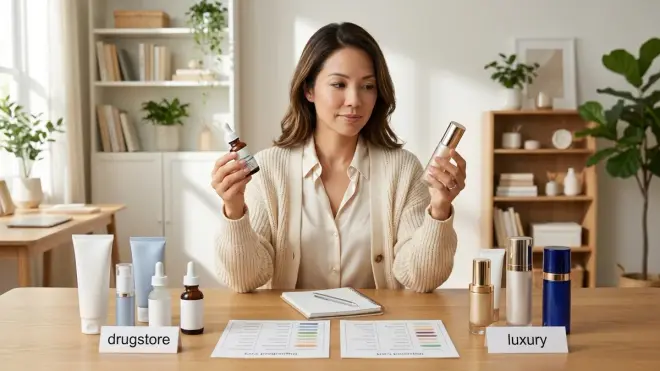
The primary differences are packaging, marketing, and price per ounce—not active ingredient quality or concentration. Many budget and luxury brands source peptides from the same suppliers (Lipotec and Sederma are the two dominant suppliers globally), so a $20 drugstore serum and a $180 luxury serum often contain chemically identical actives at similar concentrations. Where luxury products sometimes justify higher prices is in base formulation—additional beneficial ingredients like ceramides, growth factors, or multiple peptide types in one product—but you can replicate these benefits by layering affordable single-active products. For example, The Ordinary Buffet (around $20 for 1 oz) contains comparable peptide diversity to serums costing $150+ for the same volume. Manufacturing location also overlaps—many budget brands manufacture in South Korea, Canada, or France using identical cosmetic chemistry standards as prestige brands. The primary advantage of luxury formulations is often texture and sensory experience, which matter if you value the ritual, but they don't improve clinical outcomes for mature skin.
Can peptides replace professional anti-aging treatments for mature skin?
Peptides cannot fully replicate professional treatments but they provide 30-50% of the visible improvement at 5-10% of the cost, making them excellent for maintenance between procedures or as a standalone option for those avoiding invasive treatments. Professional treatments like microneedling, laser resurfacing, or injectable neurotoxins deliver faster, more dramatic results through direct mechanical or chemical intervention—peptides stimulate your skin's natural processes, which is slower and less aggressive. The advantage of peptides is sustainability: you can use them consistently without downtime, cumulative cost is significantly lower ($60-120 annually for quality serums versus $1200-2000+ annually for procedures), and results compound over time as collagen production increases. For mature skin on a budget or with limited time, consistent peptide use combined with sunscreen and tretinoin delivers measurable improvement in firmness and lines—not red-carpet-before-the-awards-show transformation, but real reduction in visible aging that colleagues notice without being able to identify what changed.
Summary
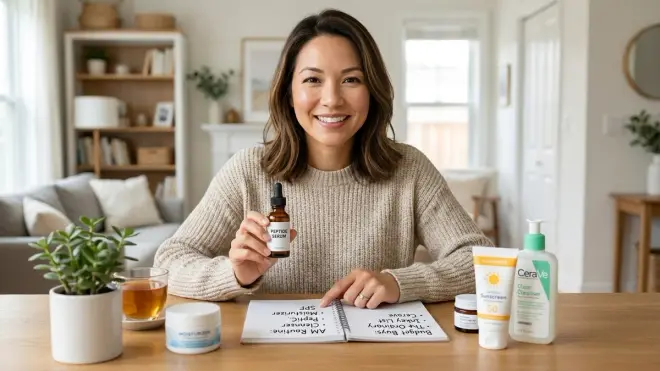
Peptides budget skincare mature skin products deliver measurable anti-aging results without the cost or downtime of professional treatments. These short amino acid chains signal your skin cells to increase collagen production, inhibit enzymes that break down existing structure, and in some cases, temporarily relax expression lines—all for around $0.30-0.70 per application when you choose effective budget formulations.
The science is solid: clinical studies show 5% peptide concentrations reduce wrinkle depth by 15-30% and improve firmness by 15-20% after 12 weeks of consistent use. Budget brands often formulate at these clinical concentrations while charging $15-30 for 1 oz versus $100-200 from luxury competitors using identical active ingredients from the same suppliers.
Look for products with peptides in the top 7 ingredients. Layer them correctly (after cleansing, before oils). Give them 12 weeks to work. Take monthly photos because subtle changes become obvious over time.
When you're billing by the hour and raising kids and trying to look competent in client meetings despite four hours of sleep, you need skincare that works efficiently and affordably. Peptides deliver both—no spa appointments, no recovery time, no explaining to your boss why your face is red. Just consistent improvement in how your skin looks and functions.
The peptide serum I apply every morning while the coffee brews has done more for my skin confidence than any luxury cream I tried before my second pregnancy bankrupted my beauty budget and forced me to actually read ingredient labels. That education paid dividends: my skin looks better at 42 than it did at 38, and I spend less than $100 annually on the products responsible.