
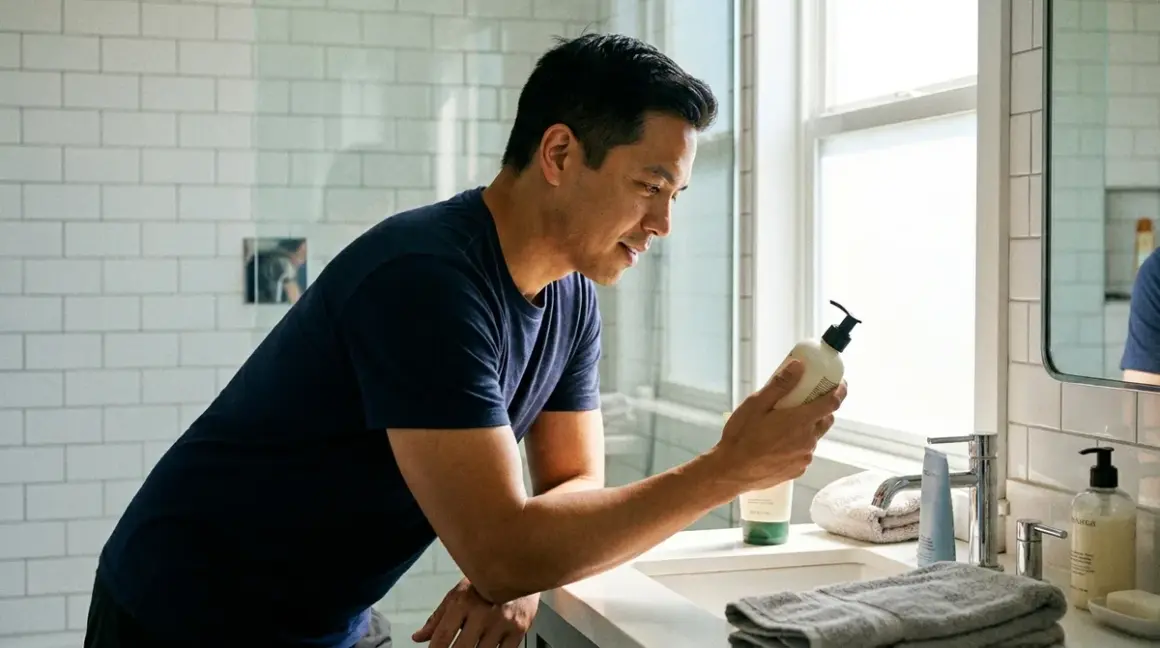

Slip your hand across freshly moisturized skin and feel the difference between mere hydration and actual structural support. That plushness. That resilience. Peptides in body lotion create a tactile experience that transcends surface softness—they're signaling molecules that whisper instructions to your skin cells, urging them to behave like younger versions of themselves. Unlike occlusives that merely trap water or humectants that draw moisture, peptides work at the cellular level, triggering collagen synthesis and barrier repair through elegant biochemical conversations.
You'll find them increasingly common in formulations priced between twelve and forty-five dollars per eight ounces, their presence transforming ordinary body care into dermatologically active treatment.

What Are Peptides in Body Lotion?
Peptides are short chains of amino acids—typically containing 2 to 50 amino acid units—that function as biological messengers in skincare formulations. When applied topically, these molecules can penetrate the stratum corneum and interact with skin cells, triggering specific responses like increased collagen production, enhanced barrier function, or reduced inflammation.
In body lotions specifically, peptides serve multiple roles beyond facial applications. The skin on your body is thicker in some areas (back, thighs) and thinner in others (décolletage, hands), requiring formulations that balance penetration with surface hydration. Body formulations typically contain 0.5% to 8% peptide concentrations—higher than many facial products because body skin has more surface area and different absorption characteristics.
The chemistry is precise. A dipeptide contains two amino acids linked by a peptide bond. A tripeptide contains three. Most cosmetic peptides range from dipeptides to hexapeptides (six amino acids), though some specialized chains extend to nonapeptides or longer. Molecular weight determines penetration depth: smaller peptides (under 500 Daltons) can navigate between skin cells more easily, while larger peptide complexes (500-3,000 Daltons) require specific delivery systems—liposomal encapsulation, nanoemulsions, or penetration enhancers like ceramides and fatty acids.
The CeraVe Skin Renewing Night Cream contains a peptide complex alongside ceramides, demonstrating how budget formulations increasingly combine barrier support with cell-signaling actives. Manufacturing location matters less than formulation stability—Korean and European manufacturers often excel at peptide preservation through airless packaging and pH-balanced bases, regardless of price point.
How Peptides Work in Topical Formulations
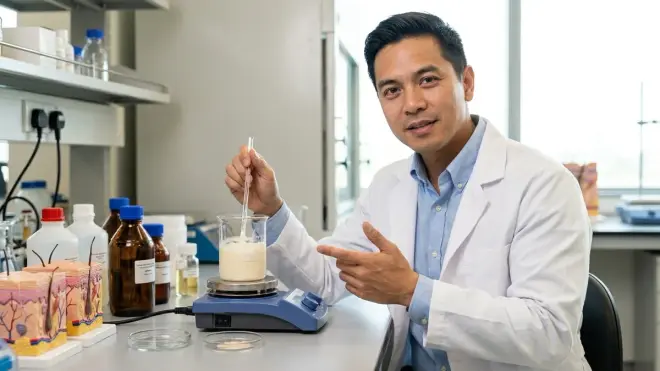
The mechanism begins with penetration. When you smooth peptide-rich lotion across your forearm, the molecules must navigate a complex barrier: dead skin cells, lipid layers, natural oils. Molecular weight below 500 Daltons allows passive diffusion—the peptides slip between corneocytes without assistance. Anything larger requires help.
Delivery systems make the difference between elegant chemistry and wasted formulation dollars. Liposomal encapsulation wraps peptides in phospholipid spheres that mimic cell membranes, essentially smuggling the actives through skin barriers. You'll see this technology in formulations from brands like The Ordinary and The INKEY List, both offering peptide serums priced under twenty dollars per ounce. Nanoemulsions create microscopic oil-in-water droplets (typically 20-200 nanometers) that enhance penetration through increased surface contact and gradual release.
Once through the barrier, peptides interact with specific cellular receptors. Signal peptides (like palmitoyl pentapeptide-4, commonly labeled Matrixyl) bind to fibroblast receptors, triggering increased production of collagen types I and III, elastin, and glycosaminoglycans. This isn't superficial plumping—it's genuine extracellular matrix synthesis that takes 8-12 weeks to become visually apparent.
Carrier peptides (such as GHK-Cu, copper peptide) transport trace elements like copper ions directly to cells, facilitating wound healing and collagen maturation. Copper peptides specifically activate lysyl oxidase, the enzyme responsible for crosslinking collagen and elastin fibers. Research published by the National Institutes of Health demonstrates that topical copper peptides increase skin density and reduce fine lines at concentrations as low as 1%.
Neurotransmitter-inhibiting peptides (like acetyl hexapeptide-8, marketed as Argireline) work differently—they interfere with the SNARE complex that enables muscle contraction, creating a topical relaxation effect. You'll find these primarily in facial formulations, though some body lotions targeting neck lines incorporate them at 5-10% concentrations.
pH plays a critical role in peptide stability. Most peptides remain stable between pH 4.5 and 6.5, matching skin's natural acid mantle. Formulations outside this range risk peptide degradation through hydrolysis. Check ingredient lists for buffering systems—citric acid, sodium citrate, or phosphate buffers indicate thoughtful formulation chemistry. The presence of antioxidants (vitamin E, ferulic acid) further protects peptides from oxidative breakdown during shelf life.
Temperature sensitivity matters too. Peptides degrade when exposed to temperatures above 40°C (104°F), which is why airless pump bottles and opaque packaging signal quality formulation regardless of price. A drugstore peptide lotion in proper packaging outperforms a luxury cream in a jar exposed to air and light.
Why Peptide Body Lotions Matter for Skin Health
Your body skin ages differently than your face—more sun exposure on arms and décolletage, more friction on elbows and knees, more stretch and contraction across joints. Peptides in body lotion address these specific stress patterns through targeted cellular communication rather than blanket hydration.
Consider collagen loss. After age 25, you lose approximately 1% of dermal collagen annually. On the body, this manifests as crepiness on the décolletage, texture changes on the backs of hands, and loss of resilience across the abdomen and thighs. Signal peptides counteract this by stimulating fibroblasts—the cells that manufacture structural proteins. A body lotion containing 3-5% Matrixyl (palmitoyl pentapeptide-4) applied consistently for three months can increase skin thickness measurements by up to 8%, according to clinical studies conducted by formulation manufacturers.
The price-per-ounce metric reveals compelling value. Premium facial serums often contain 1-2% peptide concentrations at prices around one hundred dollars per ounce. Budget body lotions from brands like The Ordinary, Good Molecules, and Revolution Skincare deliver 2-5% peptide complexes at two to five dollars per ounce. The formulation quality remains comparable—same raw ingredients, similar delivery systems, identical stability requirements. You're paying for body-sized volumes rather than prestige packaging.
Barrier function improvement represents another critical benefit. Peptides like palmitoyl tripeptide-1 and palmitoyl tetrapeptide-7 (combined in the complex Matrixyl 3000) reduce inflammation and strengthen the lipid barrier, making them particularly valuable for dry skin, eczema-prone areas, or post-procedure recovery. When layered with ceramides and fatty acids, these peptides create a comprehensive barrier-repair system comparable to prescription treatments—at drugstore prices.
For those exploring comprehensive body treatments, understanding how to choose body firming ingredients based on your skin type provides context for selecting between peptide-focused formulations and complementary actives like retinol or niacinamide.
The sensory experience matters too. Peptide lotions typically feel lighter than traditional body butters because they rely on cellular mechanisms rather than occlusive barriers. You'll notice faster absorption, less residue on clothing, and a silkier skin texture within days—even before the deeper structural benefits manifest.
Types of Peptides Used in Body Care Formulations
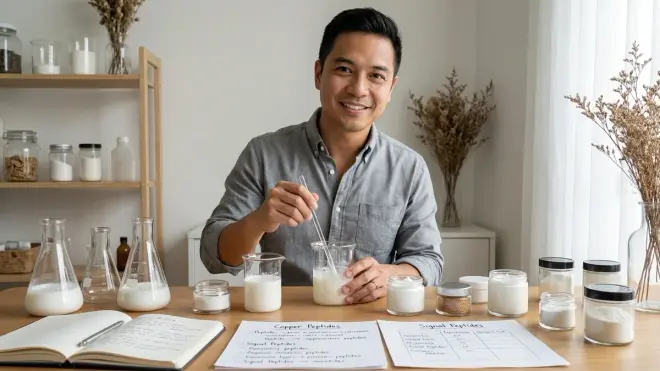
Signal peptides dominate body lotion formulations for good reason—they directly stimulate collagen and elastin production. Palmitoyl pentapeptide-4 (Matrixyl) remains the most researched and widely used, with a molecular weight of 578.7 Daltons placing it just above the ideal penetration threshold. Manufacturers compensate through liposomal delivery or combination with penetration enhancers. You'll find it in formulations from CeraVe, Olay Regenerist, and The Ordinary, typically at 2-5% concentrations.
Palmitoyl tripeptide-1 and palmitoyl tetrapeptide-7 (Matrixyl 3000) combine anti-aging with anti-inflammatory effects, making them suitable for sensitive skin. These peptides specifically target IL-6 reduction—an inflammatory cytokine that accelerates collagen breakdown. At 3% concentration, this combination demonstrates visible improvement in skin texture and firmness within eight weeks.
Copper peptides (GHK-Cu) offer wound-healing and antioxidant properties at molecular weights around 340 Daltons—small enough for excellent penetration without delivery assistance. The copper ion component activates tissue remodeling, making these peptides particularly effective on scarring, stretch marks, and photo-damaged skin. Concentration ranges typically span 0.5-1% in body formulations, as higher percentages can cause temporary bluish discoloration in some skin tones. The NIOD Copper Amino Isolate Serum (which can be applied to body) contains 1% GHK-Cu at approximately thirty-five dollars per ounce—premium pricing, but the concentration justifies the cost compared to face-only alternatives.
Biomimetic peptides replicate naturally occurring skin proteins. Palmitoyl oligopeptide mimics decorin, a proteoglycan that regulates collagen fiber thickness. Acetyl tetrapeptide-2 mimics thymosin beta-4, supporting cellular differentiation and tissue repair. These specialized peptides appear in higher-end formulations (SkinMedica, Alastin) but increasingly in budget brands as manufacturing costs decline.
Neurotransmitter-affecting peptides like acetyl hexapeptide-8 (Argireline) remain rare in body lotions—their primary application targets expression lines. However, formulations designed for neck and décolletage sometimes incorporate them at 5-10% to address horizontal neck banding and vertical chest wrinkles.
For those interested in comparing bioactive technologies, exploring bioregenerative peptides vs retinol clarifies how peptides stack against other cell-renewal actives in both efficacy and tolerability.
Molecular Weight and Penetration Science

The 500-Dalton rule governs cosmetic chemistry: molecules below 500 Daltons penetrate skin barriers more effectively than larger compounds. This principle, established through decades of transdermal drug delivery research, directly impacts peptide performance in body lotions.
Consider the practical implications. Glycine-histidine-lysine (GHK), the basis for copper peptides, weighs 340 Daltons—easily penetrating without assistance. Palmitoyl pentapeptide-4 (Matrixyl) weighs 579 Daltons—just above the threshold, requiring formulation support. Palmitoyl hexapeptide-12 weighs 831 Daltons—significantly larger, necessitating sophisticated delivery systems or remaining primarily surface-active.
The lipophilic palmitoyl tail attached to many cosmetic peptides serves dual purposes. First, it increases stability by protecting the peptide chain from enzymatic degradation. Second, it enhances penetration through lipid-rich skin barriers by mimicking natural fatty acids. This palmitic acid addition adds approximately 238 Daltons to the base peptide weight, explaining why many commercial peptides hover in the 500-800 Dalton range despite their amino acid cores being smaller.
Formulation pH affects both stability and penetration. At pH 4.5-5.5 (skin's natural range), peptide bonds remain stable and skin barrier permeability increases slightly—optimal conditions for absorption. Alkaline formulations (pH above 7) accelerate peptide hydrolysis, breaking those carefully constructed amino acid chains. Always check for pH-balancing ingredients like citric acid or lactic acid in peptide formulations.
Concentration matters less than you'd expect once you exceed minimum effective thresholds. Studies show 2% peptide concentration produces 80% of maximum benefit, with diminishing returns above 5-8%. This explains why budget formulations perform comparably to luxury alternatives—both typically contain 2-5% active peptides, with price differences reflecting packaging, marketing, and brand positioning rather than formulation efficacy.
The texture of the base formula influences delivery efficiency. Lighter lotions with silicone bases (dimethicone, cyclomethicone) create temporary occlusion that enhances peptide penetration through increased hydration and sustained contact time. Richer creams with shea butter and oils provide nourishment but can create barriers that slow absorption—beneficial for barrier repair, less optimal for deeper peptide delivery.
For comprehensive understanding of active layering, reviewing how to layer peptide body lotion with other actives prevents common formulation conflicts that neutralize expensive ingredients.
Comparing Budget and Premium Peptide Formulations
The performance gap between drugstore and prestige peptide body lotions has narrowed dramatically. Manufacturing advances and ingredient commoditization mean the same raw peptides go into formulations regardless of final retail price. What differs: packaging sophistication, additional actives, and price-per-ounce value.
Budget champions include The Ordinary's "Buffet" body treatment (approximately four dollars per ounce) containing Matrixyl 3000, Matrixyl synthe'6, ARGIRELOX peptide complex, and hyaluronic acid at combined concentrations around 8%. The texture skews watery—less luxurious but faster absorbing. CeraVe's SA Renewing Lotion (around one dollar per ounce) pairs lactic acid with ceramides and peptides for comprehensive barrier repair, though the peptide concentration remains unlisted (likely 1-2% based on ingredient positioning).
Mid-tier options like Olay's Regenerist line (two to three dollars per ounce) feature 3% amino-peptide complex alongside niacinamide and antioxidants. The formulations feel richer, with fragrance and silicones creating more sensorial appeal. Good Molecules Overnight Exfoliating Treatment (around twelve dollars for 1.7 ounces) combines lactic acid with peptides—effective but expensive per ounce for body application.
Premium formulations from SkinMedica, Alastin, or Jan Marini (fifteen to thirty dollars per ounce) incorporate proprietary peptide blends, specialized delivery systems, and clinical testing. The real value proposition: complete ingredient transparency, airless packaging, and combinations of multiple peptide types at optimized concentrations. Whether that justifies 5-10x pricing depends on your budget and commitment to single-brand systems.
Manufacturing location provides interesting insights. Korean manufacturers (COSRX, Purito, Some By Mi) excel at peptide stabilization and elegant textures at budget pricing. These brands often manufacture for Western prestige labels while offering comparable formulations under their own names at fraction prices. European manufacturers (particularly French and German) focus on clinical minimalism—fewer ingredients, higher active concentrations, pharmaceutical-grade stability testing.
The price-per-active-gram calculation reveals the truth. A luxury peptide cream at thirty dollars per ounce containing 3% peptides delivers 0.9 grams of actives per bottle. A budget option at three dollars per ounce with 2% peptides delivers 0.6 grams. The luxury option provides 50% more peptides at 1000% higher cost—hardly economical unless the delivery system or complementary actives justify the premium.
For those building comprehensive body care routines, consulting peptide body lotions: complete guide to formulations, benefits, and budget-friendly options provides comparative analysis across price points and skin types.
Formulation Stability and Packaging Considerations
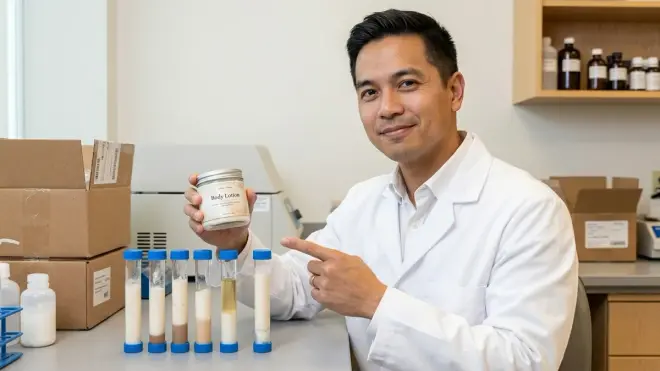
Peptide degradation represents the primary formulation challenge. Hydrolysis—the breakdown of peptide bonds through water exposure—occurs naturally over time, accelerated by heat, light, and pH extremes. A poorly formulated peptide lotion becomes expensive moisturizer within months as the active chains fragment into inactive amino acids.
Quality formulations address stability through multiple mechanisms. Preservative systems prevent microbial growth that produces enzymes capable of breaking peptide bonds. Look for phenoxyethanol, ethylhexylglycerin, or caprylyl glycol in ingredient lists—modern preservatives that maintain efficacy without disrupting peptide stability. Avoid formulations relying solely on parabens, which can degrade in presence of certain peptides.
Antioxidant systems (vitamin E, ferulic acid, resveratrol) protect peptides from oxidative damage. You'll notice these ingredients positioned near peptides in well-formulated products—a signal that the chemist understood stability requirements. The presence of chelating agents like EDTA further enhances stability by binding metal ions that catalyze oxidation.
Packaging determines shelf life more than formulation in many cases. Airless pumps prevent air exposure that oxidizes peptides. Opaque bottles block UV light that degrades delicate amino acid chains. Tubes offer better protection than jars—every time you dip fingers into a jar, you introduce bacteria, moisture, and air that compromise peptide integrity.
Temperature stability varies by peptide type. Copper peptides show excellent heat resistance, remaining stable up to 50°C. Palmitoyl peptides degrade above 40°C, making them unsuitable for hot climates without climate-controlled storage. If your peptide lotion lives in a bathroom that reaches 30°C+ (86°F+) regularly, expect reduced potency after six months regardless of expiration date.
The texture and absorption rate also signal formulation quality. Peptides require time against skin to penetrate—instant absorption suggests insufficient delivery support. The ideal body lotion feels lightweight but maintains skin contact for 2-3 minutes before full absorption, allowing peptides maximum opportunity to navigate the stratum corneum.
For those concerned with comprehensive barrier health, understanding barrier-first skincare routine essentials helps contextualize where peptide treatments fit within broader skin health strategies.
Clinical Evidence and Realistic Expectations
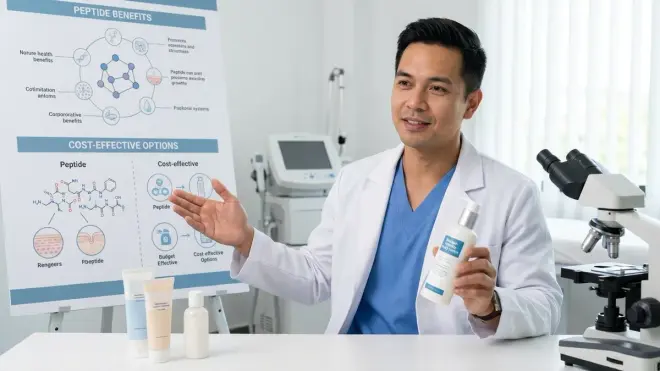
The research on topical peptides spans decades, with varying degrees of rigor. Manufacturer-funded studies typically show impressive results—40% improvement in firmness, 30% reduction in wrinkle depth—but these studies often use high concentrations (10%+) under controlled conditions with compliance monitoring. Real-world results prove more modest but still meaningful.
Independent research on palmitoyl pentapeptide-4 demonstrates statistically significant improvements in collagen synthesis markers after 12 weeks of twice-daily application at 3% concentration. Skin thickness measurements increase by 4-8%, with visible improvements in texture and fine lines. These results require consistent application—skipping days reduces efficacy proportionally.
Copper peptides show particular promise for wound healing and barrier repair, with studies documenting improved healing rates and reduced scarring at 1% concentration. The anti-inflammatory effects manifest within days, while structural improvements require 8-12 weeks. Importantly, copper peptides demonstrate photoprotective properties—they don't prevent UV damage but accelerate repair of existing photo-damage.
The challenge with body application: surface area and product volume. Facial studies typically require 1-2 grams of product per application. Full-body application requires 20-30 grams—ten to fifteen times more product. The economic reality means most people under-apply body treatments, reducing effective active delivery. This is where budget formulations shine—you can afford to use adequate amounts without financial guilt.
Realistic timeline expectations: immediate barrier improvement and hydration within 3-7 days; texture smoothing and increased suppleness within 2-4 weeks; visible firmness and structural changes within 8-12 weeks; maximum benefits plateau around 16-20 weeks of consistent use. Peptides don't deliver overnight transformation—they facilitate gradual cellular improvements that accumulate over months.
Combining peptides with other actives accelerates results. Retinol plus peptides increases collagen synthesis through complementary mechanisms—retinol activates retinoic acid receptors while peptides signal fibroblasts directly. Niacinamide plus peptides enhances barrier function while supporting structural protein production. Vitamin C plus peptides provides antioxidant protection while stimulating collagen through different pathways than peptides alone.
For those interested in comprehensive anti-aging strategies, comparing best body sculpting creams under $30 reveals how peptides complement other firming technologies like caffeine and retinol.
Ingredient Synergies and Formulation Architecture
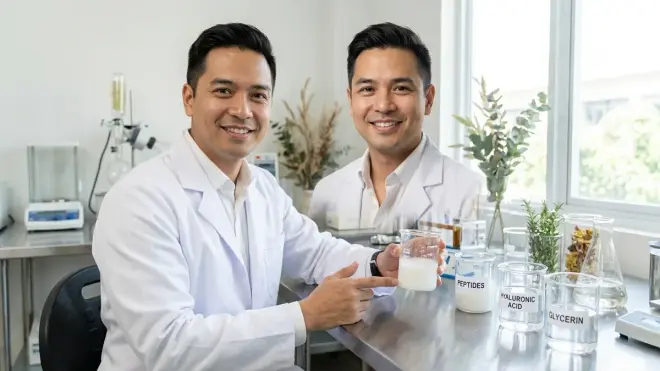
Peptides perform best within complete formulation systems, not as isolated actives. Ceramides create barrier conditions that enhance peptide penetration while protecting newly synthesized collagen from degradation. This combination appears frequently in Korean formulations and dermatologist-developed brands—the ceramides provide immediate barrier repair while peptides deliver long-term structural benefits.
Hyaluronic acid at multiple molecular weights creates a hydration gradient that facilitates peptide delivery. High molecular weight HA (1-3 million Daltons) remains surface-active, maintaining moisture that prevents transepidermal water loss. Low molecular weight HA (20,000-300,000 Daltons) penetrates deeper, carrying peptides through hydrated pathways. Mid-weight HA (400,000-900,000 Daltons) bridges the gap, creating layered hydration that supports peptide stability during absorption.
Niacinamide (vitamin B3) at 2-5% concentration enhances ceramide synthesis, strengthens barrier function, and provides anti-inflammatory benefits that complement peptide activity. The combination appears particularly effective for improving skin texture and reducing the appearance of aging across large body areas. Formulations should maintain pH 5-6 for optimal niacinamide stability alongside peptides.
Alpha hydroxy acids (lactic, glycolic) at 5-10% concentration exfoliate dead surface cells, reducing the barrier peptides must penetrate. However, AHAs lower pH—beneficial for peptide stability but potentially irritating at body-wide application. Look for buffered AHA formulations that maintain pH around 4-5, or apply AHA treatments separately from peptide lotions, allowing 15-20 minutes between applications.
Antioxidants protect both skin and formulation. Vitamin E (tocopherol) stabilizes peptides during shelf life and provides skin-level antioxidant defense. Ferulic acid enhances vitamin C stability while offering photoprotection. Resveratrol provides anti-inflammatory benefits that amplify peptide effectiveness. Quality formulations include 2-3 antioxidants at meaningful concentrations (0.5-2% each).
Delivery enhancers bridge the gap between peptide size and skin permeability. Ceramides serve dual roles—barrier repair and penetration enhancement. Fatty acids (oleic, linoleic) temporarily disrupt stratum corneum organization, creating channels for larger molecules. Liposomes encapsulate peptides in phospholipid spheres that fuse with cell membranes, depositing actives directly into target cells.
The architecture of a well-designed peptide body lotion typically follows this structure: humectants (glycerin, hyaluronic acid) at 10-20%; emollients (squalane, plant oils) at 5-15%; occlusives (dimethicone, ceramides) at 2-5%; active peptides at 2-8%; supporting actives (niacinamide, antioxidants) at 2-5%; preservatives and stabilizers at required percentages; fragrance optional at under 1%.
Reading ingredient lists reveals formulation quality instantly. High-quality formulations list peptides within the first 10-15 ingredients, indicating meaningful concentration. Supporting actives appear interspersed, showing integration rather than afterthought addition. Budget formulations may list peptides toward the end, suggesting sub-1% concentrations added for label appeal rather than efficacy.
For those building complete skincare systems, exploring Korean skincare ingredients explained provides context for how peptide formulations incorporate traditional Asian beauty ingredients like centella and ferments.
Application Techniques for Maximum Absorption
Application method significantly impacts peptide delivery efficiency. Damp skin allows better penetration than dry skin—the moisture creates swelling pressure that enlarges gaps between corneocytes, facilitating peptide passage. Apply body lotion within three minutes of showering, while skin retains ambient moisture from water exposure.
Gentle massage increases local blood flow and temporarily raises skin temperature, both enhancing absorption. Use upward strokes on arms and legs, circular motions on torso and buttocks. Spend 30-60 seconds per body area rather than rapid slapping application. The increased contact time allows peptides to begin penetrating rather than sitting on surface.
Layering sequence matters when combining multiple actives. Apply peptide lotion first on clean, damp skin—it's your treatment layer. Wait 2-3 minutes for initial absorption. Follow with heavier occlusives (body oils, rich creams) if needed for additional moisture barrier. This sequence ensures peptides reach skin before being blocked by impermeable oils.
Consistent timing produces better results than sporadic intensive treatment. Daily application maintains steady peptide delivery, keeping fibroblasts in active synthesis mode. Skipping several days allows cellular activity to return to baseline, requiring reactivation with each application. Morning or evening timing matters less than consistency—choose whatever schedule you'll maintain.
Quantity applied directly affects results. Studies showing impressive peptide performance typically use 2mg per square centimeter—approximately 30 grams (1+ ounces) for full-body application. Most people use one-quarter that amount, significantly reducing effective active delivery. Budget formulations make generous application economically feasible.
Occlusion techniques enhance penetration for specific problem areas. After applying peptide lotion to abdomen, thighs, or arms, cover with plastic wrap or compression garments for 20-30 minutes. The occlusion increases hydration and skin temperature, driving peptides deeper into dermis. This technique suits targeted treatment but isn't practical for full-body daily use.
For comprehensive body care protocols, consulting body sculpting routine checklist provides application sequencing for combining peptides with other firming and toning treatments.
Shelf Life and Storage Optimization

Unopened peptide formulations typically maintain potency for 18-36 months when stored properly—room temperature (15-25°C/59-77°F), away from direct light, in original packaging. Manufacturing dates matter more than expiration dates: fresher products deliver fuller potency even if expiration dates seem identical.
Opened products begin degrading immediately through air exposure, temperature fluctuation, and microbial contamination. Airless pumps mitigate these factors, extending post-opening stability to 12+ months. Jars and twist-caps show measurable peptide degradation within 6-9 months after opening. Tubes fall between these extremes—8-10 months of reliable potency.
Refrigeration extends peptide stability but creates practical challenges. Cold products feel unpleasant during application and require warming to room temperature for optimal absorption. If you live in hot climates (regular temperatures above 27°C/80°F), storing peptide lotions in bedroom closets or insulated cabinets provides better temperature stability than bathroom counters without refrigeration's inconvenience.
Visual and olfactory changes signal degradation. Separation (oil and water layers forming) indicates emulsion breakdown—the delivery system fails even if peptides remain partially active. Color changes (yellowing, darkening) suggest oxidation. Off odors (rancidity, sourness) signal microbial growth or peptide breakdown. Texture changes (thinning, graininess) indicate stability failure. Discard products showing any of these signs regardless of expiration date.
Patch testing remains important, especially with copper peptides or high-concentration formulations. Apply small amount to inner forearm, wait 24-48 hours, observe for redness, itching, or irritation. Peptides rarely cause allergic reactions, but supporting ingredients (fragrances, preservatives, penetration enhancers) can trigger sensitivities.
Cost-Benefit Analysis Across Price Tiers
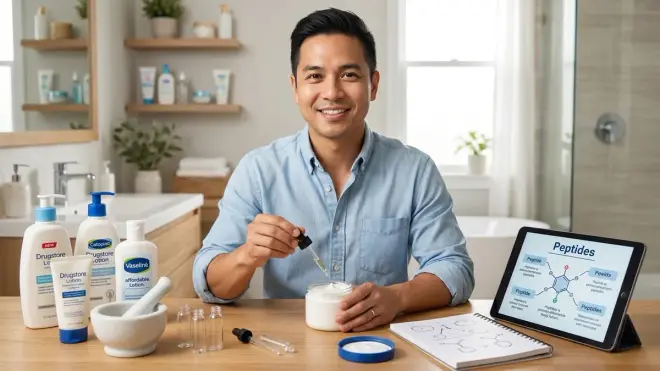
Budget options ($1-5 per ounce) deliver legitimate peptide benefits when formulated competently. The Ordinary, CeraVe, Revolution Skincare, and Good Molecules offer peptide concentrations comparable to luxury alternatives. The compromises: simpler formulations (fewer complementary actives), basic packaging (tubes instead of airless pumps), minimal fragrance or texture refinement. For body application where you need high volumes, these represent exceptional value—the same peptides performing the same cellular functions at one-tenth the cost.
Mid-range options ($5-15 per ounce) from Olay, Neutrogena Advanced, Paula's Choice, and Korean brands like COSRX add formulation sophistication—multiple peptide types, enhanced delivery systems, complementary actives like retinol or vitamin C. The sensory experience improves: better absorption, more elegant textures, subtle fragrances. The peptide concentrations rarely exceed budget options significantly, but the complete formulation architecture provides incremental benefits.
Premium options ($15-40 per ounce) from SkinMedica, Alastin, Jan Marini, and Revision Skincare justify pricing through clinical validation, proprietary peptide blends, pharmaceutical-grade manufacturing, and comprehensive ingredient systems. These formulations combine 3-5 peptide types at optimized ratios, incorporate advanced delivery technologies (encapsulation, time-release), and provide complete transparency about concentrations and clinical testing. For face and neck where you use small amounts, the premium may prove worthwhile. For body application, the economics rarely favor luxury pricing.
Performance-per-dollar calculations favor budget and mid-range options for body care. A 12-ounce budget peptide lotion costing eighteen dollars delivers approximately 240 applications at 1.5 ounces per full-body application—about eight cents per use. A 2-ounce premium peptide cream costing sixty dollars provides roughly 8-10 body applications—seven to eight dollars per use. Unless the premium formulation delivers 90x better results (it doesn't), the budget option wins economically.
Ingredient quality across price tiers has largely equalized. The same chemical suppliers (Sederma, Lipotec, Lucas Meyer) provide peptides to budget and luxury brands. Raw peptide costs have declined as manufacturing scales—what cost fifty dollars per kilogram in 2015 now costs eight to twelve dollars per kilogram. Price differences reflect marketing, packaging, and brand positioning more than ingredient quality or concentration.
For systematic comparison, reviewing drugstore vs luxury peptide body creams provides specific product analysis across multiple price points and formulation approaches.
Frequently Asked Questions
What concentration of peptides in body lotion is most effective for anti-aging benefits?
Research indicates 2-5% total peptide concentration delivers optimal cost-benefit performance for body applications, with measurable improvements in collagen synthesis and skin thickness appearing within 8-12 weeks of consistent use. Concentrations below 1% often prove insufficient for visible results across large body areas, while concentrations above 8% show diminishing returns—cellular receptors become saturated, and additional peptides provide minimal incremental benefit. Budget formulations typically contain 2-3% peptides, mid-range options 3-5%, and premium formulations 5-8%. The delivery system (liposomal encapsulation, penetration enhancers, pH optimization) matters as much as raw concentration—a well-formulated 2% peptide lotion outperforms a poorly designed 6% formulation.
Can peptides in body lotion penetrate thick skin on areas like elbows and heels effectively?
Peptide penetration varies significantly based on skin thickness and hydration level, with molecular weight below 500 Daltons showing better absorption even through thicker stratum corneum found on elbows, knees, and heels. Areas with thick, dry skin require enhanced delivery systems—look for formulations combining peptides with urea (10-20%) or alpha hydroxy acids (5-10%) that exfoliate dead surface cells and increase hydration, creating pathways for peptide absorption. Application on damp skin immediately after showering increases penetration on thick-skinned areas by 30-40% compared to dry application. For maximum effectiveness on problem areas, consider occlusion techniques: apply peptide lotion generously, cover with plastic wrap or compression garments for 20-30 minutes, allowing increased hydration and temperature to drive peptides deeper into dermis.
How long does it take to see visible results from using peptide body lotion daily?
Immediate barrier improvements and enhanced hydration appear within 3-7 days of consistent application, while texture smoothing and increased skin suppleness become noticeable within 2-4 weeks as surface cell turnover improves. Visible structural changes—increased firmness, reduced crepiness, improved elasticity—require 8-12 weeks as newly synthesized collagen and elastin accumulate within the dermis. Maximum benefits plateau around 16-20 weeks of twice-daily application, at which point cellular synthesis and natural degradation reach equilibrium. Factors affecting timeline include baseline skin condition (sun-damaged skin responds more slowly), application consistency (daily use versus sporadic application), adequate product volume (under-application reduces results proportionally), and complementary treatments (retinol or vitamin C accelerate visible improvements when combined with peptides).
Should I refrigerate peptide body lotion to maintain potency, or is room temperature storage adequate?
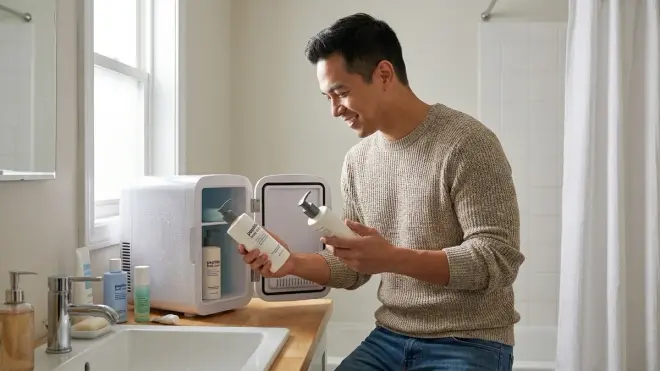
Room temperature storage (15-25°C/59-77°F) in a dark, dry location maintains peptide stability for 12-18 months post-opening when products use airless pumps or tubes with minimal air exposure, making refrigeration unnecessary for most users in temperate climates. Refrigeration extends peptide stability in hot climates where ambient temperatures regularly exceed 27°C (80°F) or for products in jar packaging exposed to frequent air contact, but cold products require 10-15 minutes warming to room temperature before application for optimal absorption and comfortable sensory experience. Freezing damages emulsion structure and should be avoided entirely. The most critical storage factors are avoiding direct sunlight (UV degrades peptide bonds), minimizing air exposure (oxidation accelerates degradation), and maintaining consistent temperature (thermal cycling destabilizes formulations). Products showing separation, color changes, off odors, or texture alterations should be discarded regardless of storage method or expiration date.
Can I layer peptide body lotion with retinol or vitamin C without reducing effectiveness of either active?
Peptides layer compatibly with both retinol and vitamin C when applied in correct sequence and with appropriate pH considerations, creating synergistic anti-aging effects through complementary cellular mechanisms—peptides signal fibroblasts directly while retinoids activate retinoic acid receptors and vitamin C provides cofactor support for collagen synthesis. Apply vitamin C first on clean, damp skin (requires pH 3-3.5 for optimal stability), wait 10-15 minutes for absorption, then apply peptide lotion (optimal pH 4.5-6), wait another 5-10 minutes, and finish with retinol (pH-neutral formulations work at any pH). Alternatively, use vitamin C or retinol in morning and peptides at night to avoid potential pH conflicts and reduce layering time. Avoid mixing products directly before application—the pH averaging may destabilize actives. Both retinol and peptides benefit from ceramide and niacinamide support, making formulations combining these ingredients particularly effective for comprehensive anti-aging body care.
Building a Peptide-Centered Body Care Routine
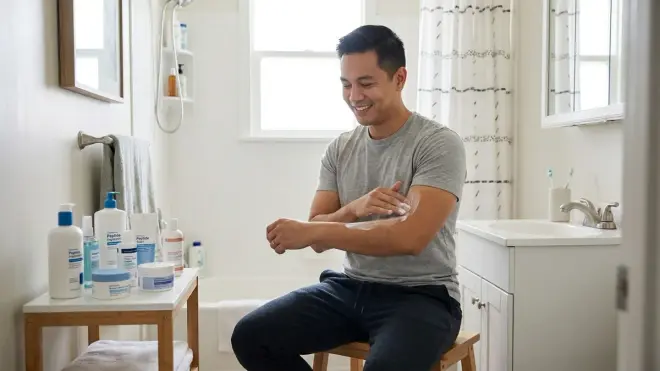
The ritual begins in the shower. Warm water—not hot—loosens dead cells without over-stripping natural oils. A gentle body wash maintains pH around 5-5.5, avoiding alkaline bars that disrupt barrier function and impair subsequent peptide absorption.
Pat skin approximately 80% dry. That residual dampness matters.
Apply peptide lotion to damp skin within three minutes. Start with areas showing most aging: décolletage, backs of hands, outer arms, abdomen if post-pregnancy changes concern you. Use 1-1.5 ounces for full body application—more than feels necessary initially, but adequate volume for meaningful active delivery.
Massage upward on limbs, circular on torso. 30-60 seconds per area.
Wait 2-3 minutes for initial absorption before dressing. This prevents product transfer to clothing and allows peptides to begin penetration rather than being rubbed off onto fabric.
For enhanced results on specific areas, layer targeted treatments. A retinol body treatment on sun-damaged arms. A vitamin C serum on décolletage. A caffeine gel on thighs if sculpting body care interests you. Always apply water-based treatments before oil-based products to prevent occlusion blocking absorption.
Morning or evening timing matters less than consistency. Choose whatever schedule integrates into existing habits—body care succeeds through repetition, not optimization paralysis.
The scent—if present—should whisper rather than announce. Peptides work quietly beneath skin surface. The fragrance can acknowledge that subtlety or overwhelm it. Quality formulations favor minimal fragrance or sophisticated botanical notes that fade within 20-30 minutes, leaving only the tactile memory of silk against skin.
This is patient chemistry. Cellular conversations conducted in languages of molecular weight and receptor binding. Your role: provide the raw materials through consistent application, adequate volume, proper timing. The peptides handle the rest—signaling fibroblasts, assembling amino acid chains into structural proteins, rebuilding architecture one collagen fiber at a time.
For comprehensive understanding of barrier-protective approaches that complement peptide treatments, exploring barrier-first beauty principles clarifies how structural repair and protective strategies work synergistically.
The transformation accumulates quietly. Twelve weeks from now, you'll press your thumb against your forearm and feel spring-back that wasn't there before. Resilience. The visual changes follow—smoothness, evenness, that particular quality of healthy skin that reflects light differently than dehydrated or damaged tissue.
Peptides in body lotion represent democratized dermatology. The same molecular signals once available only through expensive facial serums, now accessible in body-sized volumes at prices that permit generous, consistent application. The chemistry doesn't care about packaging design or brand prestige. It responds to concentration, delivery, and time. Budget formulations provide all three.