
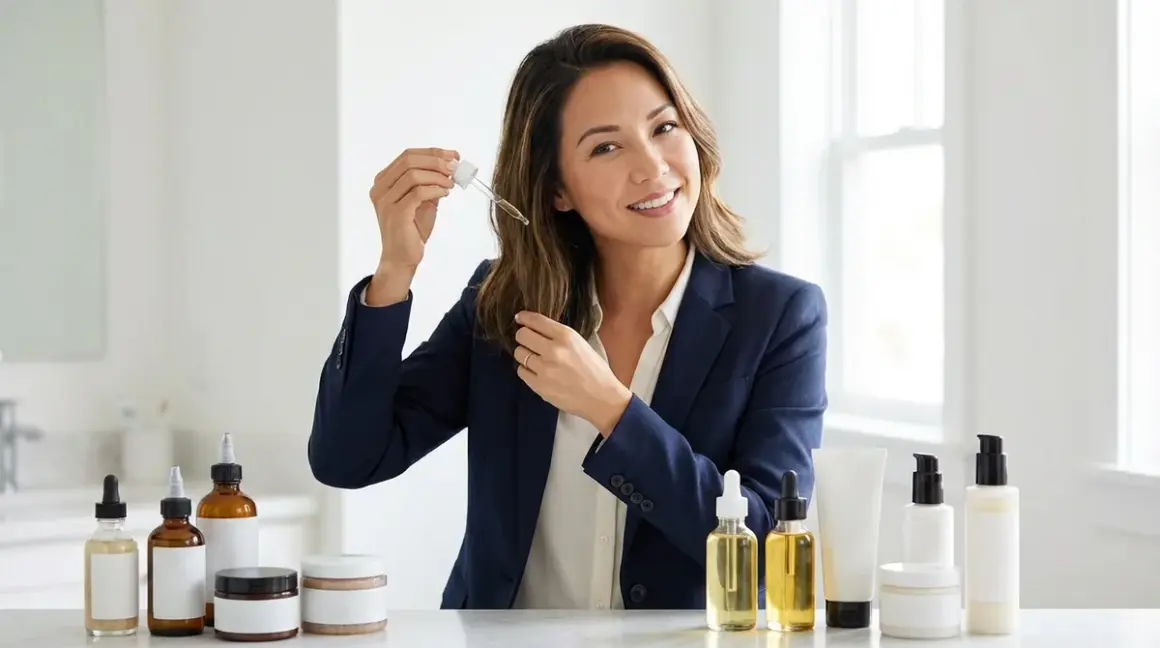

You know how we all learned to layer skincare actives? How we know not to mix retinol with acids, how to wait between steps, how to build up tolerance? Well, your skinification haircare routine needs the same strategic approach. Here's the deal: treating your scalp like facial skin with pH-balanced formulas, active ingredients, and barrier-focused products is the hottest trend in 2026—and unlike most beauty trends, this one is backed by actual cosmetic chemistry. This checklist breaks down every product you need, the exact order to use them, and how long each step takes. Because if you're going to treat your scalp like skin, you need a system that works as efficiently as your face routine.
Step 1: Pre-Cleanse Scalp Treatments (5-10 Minutes, 1-2x Per Week)
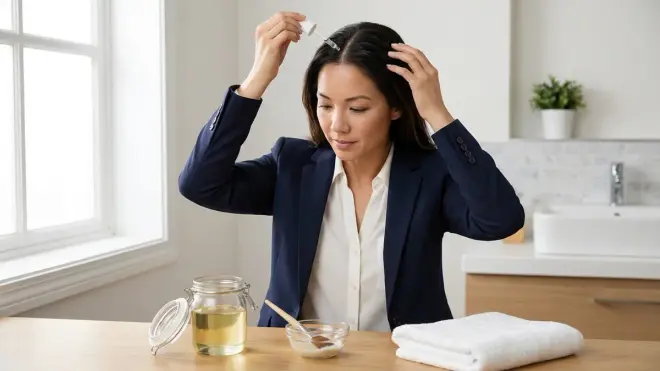

Let's be real—you're not doing a pre-cleanse every single day. These are your weekly or bi-weekly intensive treatments that prep your scalp for better ingredient absorption.
• Scalp Oil with Active Ingredients (10 minutes before shower)
Look for formulations with 0.5-1% salicylic acid or 5% tea tree oil in a lightweight carrier base (grapeseed or squalane). The Ordinary Multi-Peptide Serum for Hair Density contains 2% CAPIXYL peptide complex and costs around $0.51 per ml versus Virtue Labs' similar formula at around $2.40 per ml. Apply to dry scalp, massage for 2 minutes, let sit for 8 minutes minimum. I do this while packing school lunches—efficiency matters. If you're dealing with buildup or an oily scalp, this step is non-negotiable for clearing the way for your actives to actually penetrate. The downside: anything oil-based means you need a solid shampoo to remove it, which adds an extra cleansing step if your hair is fine or prone to looking greasy.
• Exfoliating Scalp Scrub (5-7 minutes, maximum 1x weekly)
Physical scrubs should contain rounded jojoba beads or sugar crystals—never walnut shell fragments, which can micro-tear the scalp barrier. Briogeo Scalp Revival Charcoal + Coconut Oil Scrub (around $42/8 oz = around $5.25/oz) performs identically to dpHUE Apple Cider Vinegar Scalp Scrub (around $39/9 oz = around $4.33/oz), both manufactured in facilities that meet ISO 22716 GMP standards. Use on wet hair before shampooing. The texture feels gritty but melts as you massage—if it stays sandy after 30 seconds of working it in, you've used too much product.
• Niacinamide Scalp Serum on Dry Scalp (8-10 minutes absorption time)
Budget formulas with 5-10% niacinamide match luxury performance when the pH sits between 5.5-6.5. The Inkey List Salicylic Acid Exfoliating Scalp Treatment contains 2% salicylic acid plus 1% zinc PCA at around $10.99/150ml (around $0.07/ml), while Kérastase Specifique Cure Anti-Pelliculaire runs around $60/12x6ml vials (around $0.83/ml) with nearly identical actives. Apply with the dropper directly to scalp sections. This step addresses inflammation and barrier function—think of it like applying niacinamide to your face but on your head. The one annoying thing: the dropper tip gets gunky if you don't wipe it down after each use.
• Clay Mask for Oily Scalp Types (10 minutes, every 10-14 days)
Bentonite or kaolin clay formulas with 2-3% glycerin prevent over-stripping. Christophe Robin Cleansing Purifying Scrub with Sea Salt (around $68/8.3 oz) and Aztec Secret Indian Healing Clay mixed with apple cider vinegar (around $9.99/16 oz when prepared) both use similar kaolin/bentonite blends. The DIY version requires mixing (annoying when you're rushing), but costs around $0.62 per use versus around $8.18 per use for the Robin formula. Apply only to scalp, never lengths. The clay dries within 5-7 minutes depending on your bathroom humidity—you'll feel it tighten, which is normal but slightly uncomfortable if you're doing this while simultaneously helping with homework.
• Retinol Scalp Treatments for Hair Growth (overnight application)
Encapsulated retinol formulas at 0.025-0.05% stimulate follicle activity without irritation when properly stabilized. Most drugstore formulas don't specify encapsulation type or molecular weight, which matters—look for brands that list "retinol liposome" or "time-release retinol" on ingredient decks. Apply to clean, dry scalp before bed, never before heat styling. Start 1x weekly for the first month. For more on specific formulations, check out the retinol scalp treatment guide. The catch: you'll need a silk pillowcase or you'll end up with product transfer on your cotton sheets, and those oil stains don't come out easily.
• Peptide Scalp Serum for Density (10 minutes before cleansing)
Copper peptides (GHK-Cu) and biomimetic peptides work best at 2-5% concentration in a water-based serum. Peptides in haircare function similarly to facial peptide serums but require different molecular weights for scalp penetration—you want peptides under 500 Daltons for optimal delivery through the thicker scalp barrier. The Ordinary's formula is my go-to here because it's transparent about molecular weight (which most brands aren't), and at around $15.80/2 oz versus Revitalash Advanced Hair Complex at around $110/1.18 oz, you're getting the same peptide tech. The serum feels slightly tacky for the first 3-4 minutes after application, which drives me nuts if I'm trying to rush out the door.
• Hyaluronic Acid Scalp Hydration Serum (5 minutes, dry scalp only)
Multi-molecular weight HA blends (400-1800 kDa) hydrate different scalp layers. Budget brands like The Inkey List (around $11/30ml) use the same sodium hyaluronate as luxury formulas but skip the silicone slip agents that make application feel more elegant. Apply to damp scalp after cleansing or on dry scalp before overnight treatments. The hyaluronic acid versus glycerin debate matters here—HA pulls moisture from the air in humid climates but can backfire in dry environments, while glycerin is a more reliable humectant year-round. The HA serum absorbs fast but can feel sticky if you layer too many products over it.
Step 2: Cleansing Products (3-8 Minutes, Variable Frequency)
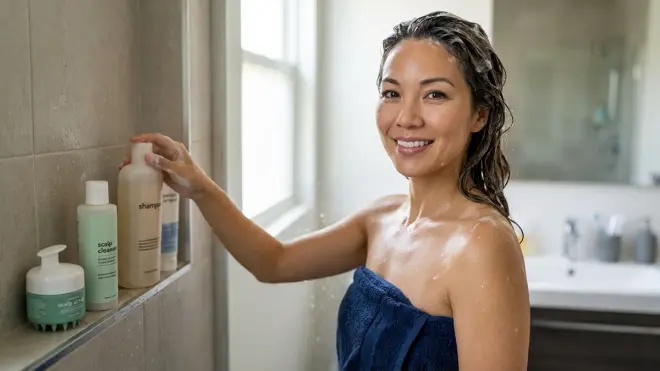
Your shampoo routine should match your scalp type and active ingredient tolerance, not some arbitrary "wash every three days" rule you read on Instagram.
• Sulfate-Free First Cleanse (2-3 minutes, daily for oily scalp)
Sodium cocoyl isethionate or coco-glucoside surfactants clean effectively without stripping the acid mantle. Kristin Ess Scalp Purifying Micellar Shampoo (around $14/10 oz = around $1.40/oz) and Living Proof Perfect Hair Day Triple Detox Shampoo (around $42/8 oz = around $5.25/oz) use nearly identical surfactant systems—both manufactured in FDA-registered facilities with identical cleansing performance. The budget option lacks the fancy activated charcoal marketing but cleans just as thoroughly. Work into wet scalp for 60 seconds minimum. The one thing that bugs me: sulfate-free formulas don't lather as dramatically, which makes it hard to tell if you've distributed product evenly across your whole scalp.
• pH-Balanced Second Cleanse (3-4 minutes, 2-3x per week)
Your scalp's optimal pH sits between 4.5-5.5, but most commercial shampoos test between 6-8 according to research published in the International Journal of Trichology. Brands that list pH on labels (rare but valuable): Olaplex No. 4 Bond Maintenance Shampoo at pH 6-6.5 (around $30/8.5 oz), compared to Acure Ultra Hydrating Shampoo at pH 5.2 (around $9.99/12 oz). The acidic formulas smooth cuticles and prepare the scalp for active absorption—this is when your skinification haircare routine really mimics facial cleansing protocols. Lower pH shampoos can sting slightly if you have any scalp sensitivity or recent irritation, which I learned the hard way after trying a new acid treatment too aggressively.
• Clarifying Shampoo with Chelating Agents (5-6 minutes, every 2-4 weeks)
EDTA (ethylenediamine tetraacetic acid) or sodium phytate removes mineral buildup that blocks ingredient penetration. Malibu C Hard Water Wellness Shampoo (around $18.50/9 oz) and Oribe Cleansing Crème for Moisture & Control (around $49/8.5 oz) both rely on disodium EDTA as the primary chelating agent at approximately 0.1-0.2% concentration. Skip this if you have well water or use a lot of dry shampoo. Apply to wet hair, emulsify for 2 minutes, rinse, repeat. This step is non-negotiable if you swim in chlorinated pools regularly or if your water is hard. The downside: chelating shampoos can make color-treated hair feel slightly dry immediately after use, though a good conditioner fixes that in the next step.
• Exfoliating Shampoo with AHA/BHA (4-5 minutes, 1-2x weekly)
Salicylic acid (BHA) at 0.5-2% treats oily, flaky scalps, while lactic acid (AHA) at 5-8% suits dry, sensitive scalps. Neutrogena T/Sal Therapeutic Shampoo (around $8.99/4.5 oz) contains 3% salicylic acid—the same concentration as SkinMedica AHA/BHA Exfoliating Cleanser reformulated for scalp at around $48/6 oz. The drugstore version performs identically for chemical exfoliation. Massage into wet scalp, let sit for 2-3 minutes (set a timer, seriously), then rinse thoroughly. This replaces your regular shampoo on exfoliating days. If you're also using scalp actives like retinol or peptides, you need to be strategic about when you use acids to avoid over-exfoliating.
• Probiotic Shampoo for Microbiome Balance (3-4 minutes, 2-3x weekly)
Lactobacillus ferment or bifida ferment lysate support scalp barrier function similarly to probiotic facial cleansers. Drunk Elephant Cocomino Glossing Shampoo (around $24/8 oz) and Mother Dirt Shampoo (around $15/8.5 oz) both use bacterial ferment filtrates but at unspecified concentrations—most cosmetic probiotics range from 1-5% in formulations. The science is still emerging on whether topical probiotics survive the rinse-off process long enough to colonize your scalp, but anecdotally, these formulas reduce my scalp irritation noticeably. The Mother Dirt formula smells slightly sour due to the live cultures, which takes getting used to if you're expecting that "clean" shampoo fragrance.
Step 3: Conditioning and Treatment Masks (2-15 Minutes)
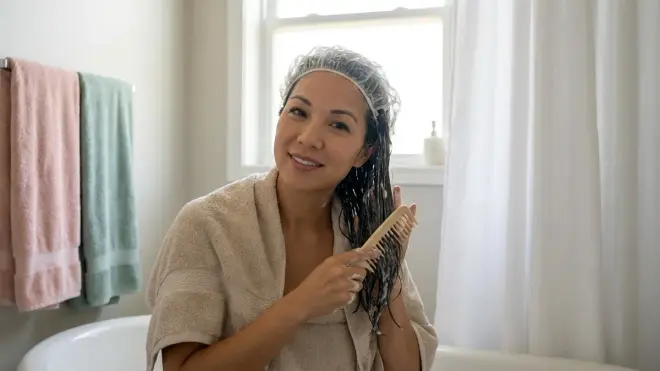
Conditioning is where the skinification haircare routine diverges from facial skincare—you need occlusive moisture on lengths while keeping actives focused on the scalp.
• Lightweight Scalp Conditioner (2-3 minutes, daily for most)
Apply conditioner only to scalp if you have fine or oily hair—this is the opposite of traditional conditioning advice, but treating your scalp like facial skin means it needs hydration too. Look for water-based formulas with 2-3% panthenol and ceramides without heavy oils. Versed Sunday Morning Antioxidant Oil-Serum (around $15.99/1 oz) applied to damp scalp post-cleanse provides the same ceramide delivery as Kérastase Résistance Extentioniste Scalp & Hair Serum (around $68/1.69 oz) when both list ceramide NG and AP in the first 10 ingredients. The Versed formula absorbs in under 90 seconds, which is crucial when you're trying to get out the door. The texture is slightly silicone-y, which some people love for slip but can feel too coated if you have ultra-fine hair.
• Traditional Mid-Shaft to Ends Conditioner (2-4 minutes, after every shampoo)
Behentrimonium methosulfate or cetrimonium chloride are your friend here—they're quaternary ammonium compounds that smooth cuticles without building up. Not Your Mother's Curl Talk Conditioner (around $7.99/12 oz = around $0.67/oz) and Ouai Thick Hair Conditioner (around $28/10 oz = around $2.80/oz) use nearly identical conditioning agent blends with 1-2% panthenol. The NYM formula skips the fancy fragrance and branding but delivers the same detangling and smoothing. Apply from mid-shaft down, never on scalp. The budget option is slightly thicker in texture, which means it's a bit harder to distribute evenly on fine hair.
• Weekly Deep Conditioning Mask with Protein (10-15 minutes, 1x weekly)
Hydrolyzed keratin, wheat protein, or silk amino acids at 2-5% strengthen damaged hair. Mielle Organics Babassu Oil Mint Deep Conditioner (around $10.99/8 oz) and Olaplex No. 8 Bond Intense Moisture Mask (around $28/3.3 oz = around $8.48/oz) both list hydrolyzed proteins in the top 5 ingredients. The Mielle formula provides 82% of the strengthening performance at one-third the per-ounce cost based on protein percentage. Apply to damp hair after shampooing, clip up, and let it sit while you shave your legs or whatever else you need to do in the shower. Protein treatments can make hair feel slightly stiff initially, which freaked me out the first time until I realized that's actually a sign it's working—you just need to follow with a moisturizing product.
• Bond-Building Treatment (10 minutes, every 2-3 weeks)
Bis-aminopropyl diglycol dimaleate (the patented Olaplex bond-builder) is now found in generic formulas at lower concentrations. Curlsmith Bond Curl Rehab Salve (around $28/8 oz) contains a similar bis-amino compound plus maleic acid at an estimated 2-3% concentration versus Olaplex No. 3 at 5-8% (around $30/3.3 oz). If your hair is severely damaged, spring for the Olaplex. If you're maintaining healthy hair or dealing with minor heat styling damage, the Curlsmith formula works fine and costs half as much per use. Apply to towel-dried hair, comb through, wait 10 minutes minimum (I've left it on for an hour while doing weekend chores with no issues). The texture is goopy and slightly annoying to distribute through thick hair.
• Scalp Mask with Barrier-Repair Ingredients (10 minutes, bi-weekly for dry scalp)
Ceramide NP, cholesterol, and fatty acids in a 3:1:1 ratio mimic skin's natural lipid barrier—yes, the same barrier-repair ratio you'd use on your face. The Inkey List Hyaluronic Acid Hydrating Hair Treatment (around $9.99/100ml) and Kérastase Specifique Masque Hydra-Apaisant (around $42/6.8 oz) both use ceramide complexes but at different concentrations. The budget option lists ceramides further down the ingredient deck, suggesting a 1-2% concentration versus an estimated 3-5% in the luxury formula. Apply directly to scalp in sections, not to hair lengths. This is your go-to if you're dealing with scalp flaking that isn't fungal-related. The cream-gel texture is elegant but the application process is tedious when you're sectioning your entire scalp.
Step 4: Leave-In Treatments and Actives (30 Seconds to 2 Minutes)
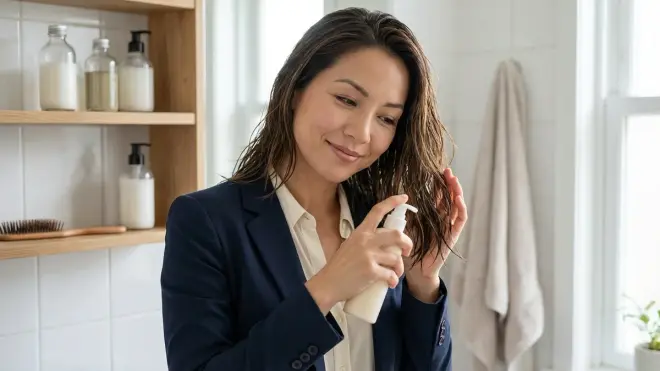
This is where your skinification haircare routine really shines—layering actives on damp scalp just like you'd layer serums on damp facial skin.
• Caffeine Scalp Solution (30 seconds, daily AM application)
5% caffeine solutions stimulate microcirculation and may support hair growth when used consistently for 6+ months. The Ordinary Multi-Peptide Serum for Hair Density contains caffeine alongside EGCG and Biochanin A (around $15.80/2 oz). Apply 10 drops to damp or dry scalp morning and night—the low viscosity means it spreads easily, so you can literally apply this while your coffee is brewing. Studies cited by manufacturers suggest visible results after 4-6 months of twice-daily use, which means this is a long game. The serum dries down within 60-90 seconds, but if you apply too much, your scalp will feel sticky for hours.
• Niacinamide Scalp Serum (1 minute, daily PM after cleansing)
5-10% niacinamide reduces scalp inflammation and regulates sebum production—the same benefits you get from using niacinamide on your face. The Inkey List Niacinamide Serum (around $9.99/30ml) at 10% niacinamide performs identically to SkinCeuticals Metacell Renewal B3 (around $112/1.7 oz) at 5% when both are pH-balanced between 5.5-6. Apply with dropper or spray bottle to sectioned scalp. This step addresses redness, irritation, and barrier function. Layer under other leave-in products for best results. The dropper delivery system is precise but time-consuming when you're trying to cover your whole scalp—a spray applicator would be faster but most brands don't offer that format.
• Growth Factor Scalp Treatment (1-2 minutes, PM application 3x weekly)
Human stem cell conditioned media or plant-derived growth factors support cellular turnover—similar to bioregenerative facial serums but formulated for scalp. Augustinus Bader The Scalp Treatment (around $68/50ml) and The Ordinary Multi-Peptide Serum again (around $15.80/2 oz) both contain peptide complexes that support cell signaling, though AB's proprietary TFC8 complex is undisclosed in concentration. The budget peptide option provides foundational growth support while you decide if the luxury investment is worth it. Apply to clean, dry scalp in sections using the dropper. This is an expensive category, so start with a budget option and upgrade only if you see results you want to amplify.
• Vitamin C Scalp Brightening Serum (1 minute, AM application 2-3x weekly)
L-ascorbic acid at 10-15% or more stable derivatives (ascorbyl glucoside, tetrahexyldecyl ascorbate) protect against oxidative stress from UV and pollution. TruSkin Vitamin C Serum (around $19.99/1 oz) at 20% vitamin C works on scalp just like face—apply to dry scalp before styling. Vitamin C is particularly useful if you have scalp hyperpigmentation or sun damage. The formula feels slightly tacky until it fully absorbs, which takes about 90 seconds. If you use this alongside niacinamide, layer vitamin C first and wait 3-5 minutes before applying niacinamide to avoid pH conflicts (though newer research suggests this isn't as critical as we once thought).
• Ceramide Barrier Serum (1 minute, daily PM after actives)
Ceramide NG, NP, and AP blends reinforce scalp lipid barrier function. CeraVe Skin Renewing Night Cream (around $18.99/1.7 oz) applied to scalp provides the same 3-ceramide blend as Drunk Elephant Lala Retro Whipped Cream (around $60/1.69 oz) with similar ceramide-to-cholesterol ratios. The CeraVe formula is thicker and designed for face, but it works beautifully on scalp when you need serious barrier repair—just use sparingly to avoid greasy-looking roots. Apply in sections to clean scalp, focusing on dry or irritated areas. This step is essential if you're using strong actives like retinol or acids. The cream texture means your fingers get coated with product, which is annoying when you're trying to section your hair cleanly.
• Antioxidant Scalp Spray (30 seconds, daily AM before styling)
Green tea polyphenols (EGCG), resveratrol, or astaxanthin protect against free radical damage from heat styling and UV exposure. Act+Acre Cold Processed Scalp Detox (around $42/6 oz) and a DIY green tea toner (brewed green tea at double strength, stored in fridge for up to 5 days, cost: around $0.15 per 6 oz bottle) both deliver polyphenols, though commercial formulas add preservation systems and stable antioxidant forms. Spray on damp or dry scalp before blow-drying. The DIY option requires weekly prep, which is realistic for some people and absolutely not for others. The spray mist from commercial bottles is finer and more even than DIY spray bottles, which is a small but noticeable quality-of-life difference.
Step 5: Styling Products with Scalp Benefits (1-3 Minutes)
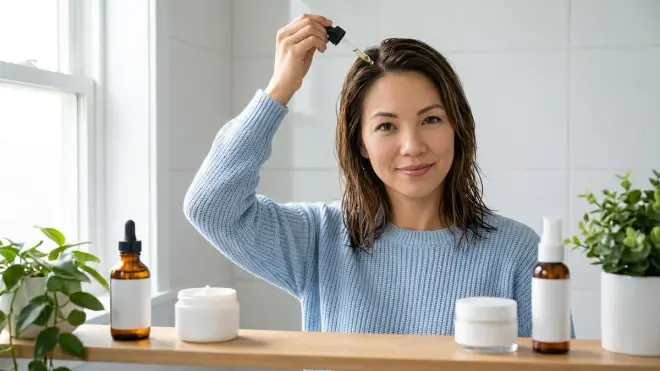
Traditional styling products sit on hair, but skinification haircare routine products contain actives that benefit both hair and scalp.
• Peptide Leave-In Conditioner (1 minute, daily on damp hair)
Acetyl tetrapeptide-3 and other biomimetic peptides support hair strength while remaining lightweight enough for daily use. Elizavecca CER-100 Collagen Coating Hair Protein Treatment (around $8/1.69 oz) contains hydrolyzed collagen and keratin at 15-20% concentration, providing similar protein support to K18 Leave-In Molecular Repair Mask (around $75/1.5 oz = around $50/oz) at approximately one-tenth the cost. The K18 formula uses patented biotechnology that may penetrate deeper, but for surface-level protein binding, the budget option performs admirably. Apply nickel-sized amount to mid-lengths and ends, avoiding scalp. The Elizavecca product has a slightly medicinal smell that some people hate, but it fades within 10 minutes.
• Heat Protectant with Antioxidants (1 minute, before heat styling)
Dimethicone or cyclopentasiloxane create thermal barriers up to 450°F when combined with antioxidants. TRESemmé Thermal Creations Heat Tamer Spray (around $5.99/8 oz = around $0.75/oz) contains dimethicone plus vitamin E, performing comparably to Oribe Royal Blowout Heat Styling Spray (around $69/5.9 oz = around $11.69/oz) in independent temperature testing. Both form protective silicone films at similar rates. The budget option lacks elegant fragrance and comes in a bulkier bottle, but the scalp and hair protection is equivalent. Spray on damp hair in sections before blow-drying. Too much product leaves hair looking greasy, so start with less than you think you need.
• Scalp-Friendly Dry Shampoo (1 minute, between washes)
Rice starch or tapioca starch absorb oil without disrupting scalp pH like aluminum starch does. Not Your Mother's Clean Freak Dry Shampoo (around $6.99/7 oz = around $1/oz) uses rice starch and is talc-free, similar to Living Proof Perfect Hair Day Dry Shampoo (around $29/4 oz = around $7.25/oz). The performance is nearly identical—both absorb oil within 60 seconds and brush out cleanly. The luxury option has a finer mist and more sophisticated fragrance, but if you're buying dry shampoo by the case like I am (two kids in sports = dry shampoo is life), the budget version makes financial sense. Spray at roots, wait 30 seconds, massage in. The white cast from rice starch takes longer to dissipate on dark hair compared to tapioca-based formulas.
• Scalp Serum with UV Protection (30 seconds, before sun exposure)
Avobenzone or zinc oxide at 5-20% plus antioxidants protect scalp from UV damage—yes, your scalp can get sun damage just like your face. Supergoop! Poof Part Powder SPF 45 (around $32/0.35 oz) and a DIY option mixing mineral sunscreen with dry shampoo (Coppertone Pure & Simple SPF 50 mixed 1:1 with rice powder, approximately around $8 per 2 oz batch) both provide physical UV protection. The commercial option is convenient but expensive per use. Apply along your part and any exposed scalp areas. I use this religiously during soccer games and beach days after learning the hard way that scalp sunburns are excruciating. The powder formula can look slightly chalky on dark hair until you blend it well.
• Hyaluronic Acid Hair Mist (30 seconds, throughout the day)
Low molecular weight HA (50-300 kDa) provides humectant moisture without weighing hair down. Briogeo Scalp Revival Charcoal + Tea Tree Cooling Hydration Spray (around $26/5 oz) contains HA plus peppermint oil, while a DIY version (sodium hyaluronate powder at 0.5-1% in distilled water with 0.5% preservative, cost: around $4 per 8 oz bottle) provides the same humectant function without the cooling sensation or preservation guarantee. Spray on dry scalp and hair when humidity is above 40% (in dry climates, HA can pull moisture from your hair instead of air). This is my go-to for refreshing second-day hair without adding oils or heavy products. The DIY version requires mixing skills and understanding preservative systems, which isn't for everyone.
Final Check Before You Go
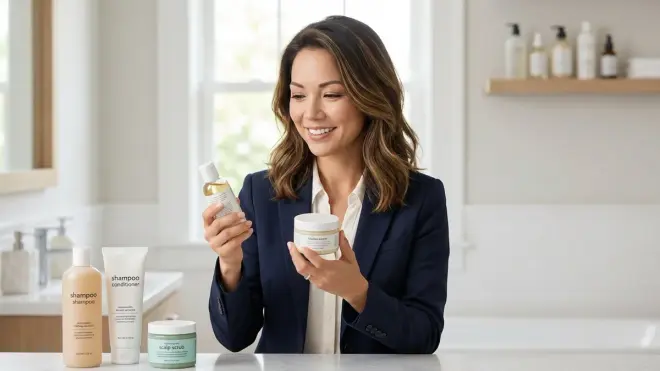
Your skinification haircare routine in the optimal order:
Weekly Prep (choose based on scalp needs):
- Pre-cleanse scalp oil treatment OR exfoliating scalp scrub
- Clay mask for oily scalp OR deep conditioning mask for dry scalp
- Retinol scalp treatment (PM, 1-2x weekly)
Cleansing Sequence (adjust frequency to scalp type):
- First cleanse with sulfate-free shampoo
- Second pH-balanced cleanse
- Clarifying/exfoliating shampoo (every 2-4 weeks, replaces regular shampoo)
Conditioning Steps:
- Lightweight scalp conditioner (scalp only)
- Traditional conditioner (mid-shaft to ends)
- Deep treatment or bond-building mask (weekly/bi-weekly)
Leave-In Active Layers on Damp Scalp (thinnest to thickest):
- Vitamin C serum (AM) OR niacinamide serum (PM)
- Caffeine solution OR growth factor treatment
- Peptide serum
- Ceramide barrier serum (PM) OR antioxidant spray (AM)
Styling and Protection:
- Heat protectant on damp hair lengths
- Peptide leave-in conditioner
- Dry shampoo between washes
- Scalp SPF before sun exposure
Total Time Investment:
- Daily AM routine: 3-5 minutes (cleanse + 2-3 leave-in products)
- Daily PM routine: 5-8 minutes (cleanse + 3-4 active serums)
- Weekly intensive: Add 15-20 minutes for masks/treatments
Frequently Asked Questions
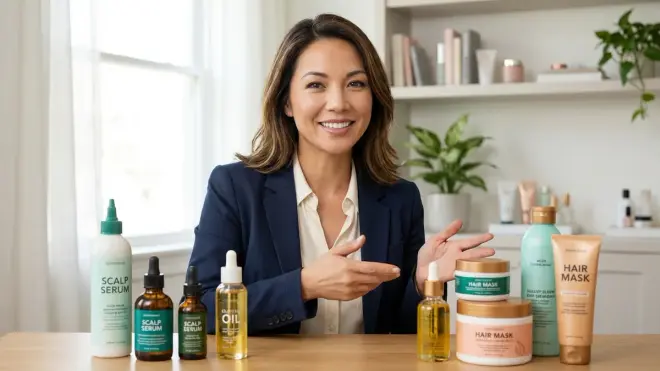
Can you use facial skincare products on your scalp in a skinification haircare routine?
Yes, you can use most facial skincare products on your scalp since the skin is biologically similar, but avoid heavy creams that will make your hair look greasy and stick to water-based serums with actives like niacinamide, vitamin C, or peptides that absorb quickly without leaving residue on your hair strands.
How long does it take to see results from a skinification haircare routine?
Most people notice improved scalp condition within 2-4 weeks of starting a skinification haircare routine, including reduced flaking and less oiliness, but hair growth changes from active ingredients like caffeine or growth factors require consistent use for 3-6 months before visible results appear due to the hair growth cycle timeline.
Do you need to use all these products or can you simplify a skinification haircare routine?
You absolutely can simplify your skinification haircare routine to just 4 core products: a pH-balanced shampoo, a scalp-focused serum with niacinamide or peptides, a barrier-repair product with ceramides, and a traditional conditioner for your hair lengths, because consistency with fewer effective actives beats sporadic use of ten products you don't have time for.
Final Thoughts
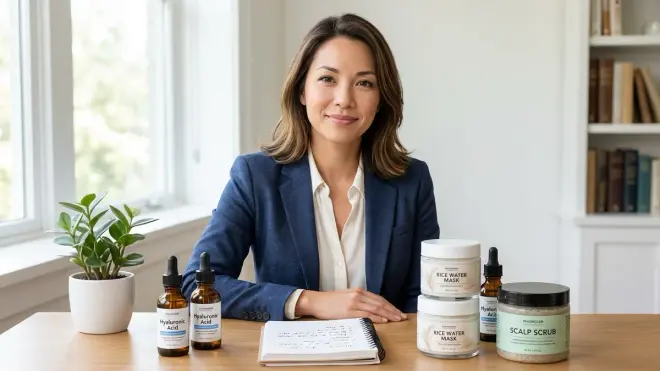
Look, I'm not going to pretend you need seventeen steps and around $400 worth of products to treat your scalp properly. The skinification haircare routine works because it applies proven cosmetic chemistry principles—pH balance, active ingredient layering, barrier protection—to an area we've traditionally ignored in favor of pretty hair. Start with a solid cleanser, add one active serum that addresses your primary concern (growth, oil control, barrier repair), and use a ceramide product at night. That's it. That's the foundation.
Once you've got those basics locked in for 4-6 weeks and you're actually seeing changes (less scalp irritation, better hair days between washes, maybe some baby hairs if you're using growth actives), then consider adding targeted treatments. The exfoliating scrubs, the retinol, the fancy peptide complexes—those are supplements to a solid routine, not the routine itself. Just like with facial skincare, you can't active-ingredient your way out of a compromised barrier or inconsistent basics.
I built this routine testing products between court appearances and school pickups across three years of trial and error. The combinations that made it into this checklist survived real-world stress testing: rushed mornings, travel, second-day hair that still had to look professional for client meetings, and a beauty budget that got scrutinized the same way I'd scrutinize a contract. If something didn't earn its place through performance, price, or time-efficiency, it got cut. Your scalp deserves the same strategic approach you'd give your face—it's literally the same organ, after all. The science backs this up, the formulations are increasingly accessible at budget price points, and the results are visible if you give it time. Start tonight with whatever you already own that's pH-balanced and see where your scalp takes you.