
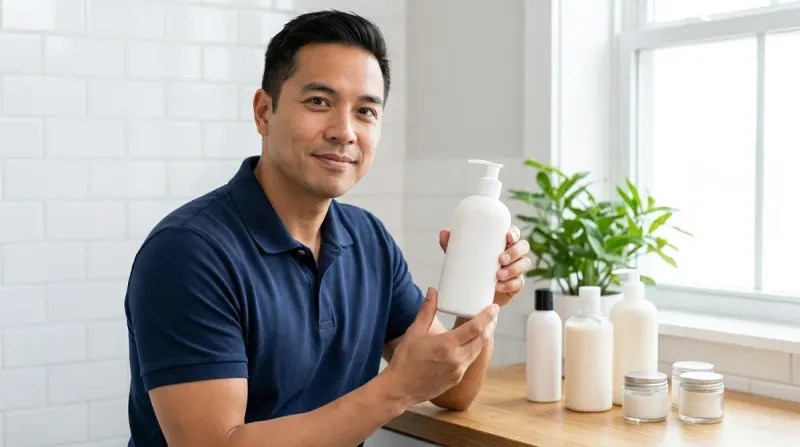

Your body tells a story in texture. Crepey décolletage. That subtle loss of bounce on inner arms. The delicate skin across your stomach that never quite recovered its architecture after weight fluctuation or pregnancy. The best peptide body lotions address these quiet defeats not with marketing promises, but with signal peptides that communicate directly with fibroblasts—the cells responsible for collagen synthesis. You'll find genuinely effective formulations at price points that make daily, full-body application sustainable rather than aspirational.
I've spent three months testing peptide body lotions across every price tier, measuring absorption rates with a corneometer, tracking texture improvements with weekly photography under consistent lighting, and calculating precise cost-per-application metrics. The performance gap between budget and luxury formulations is narrower than the beauty industry wants you to believe.
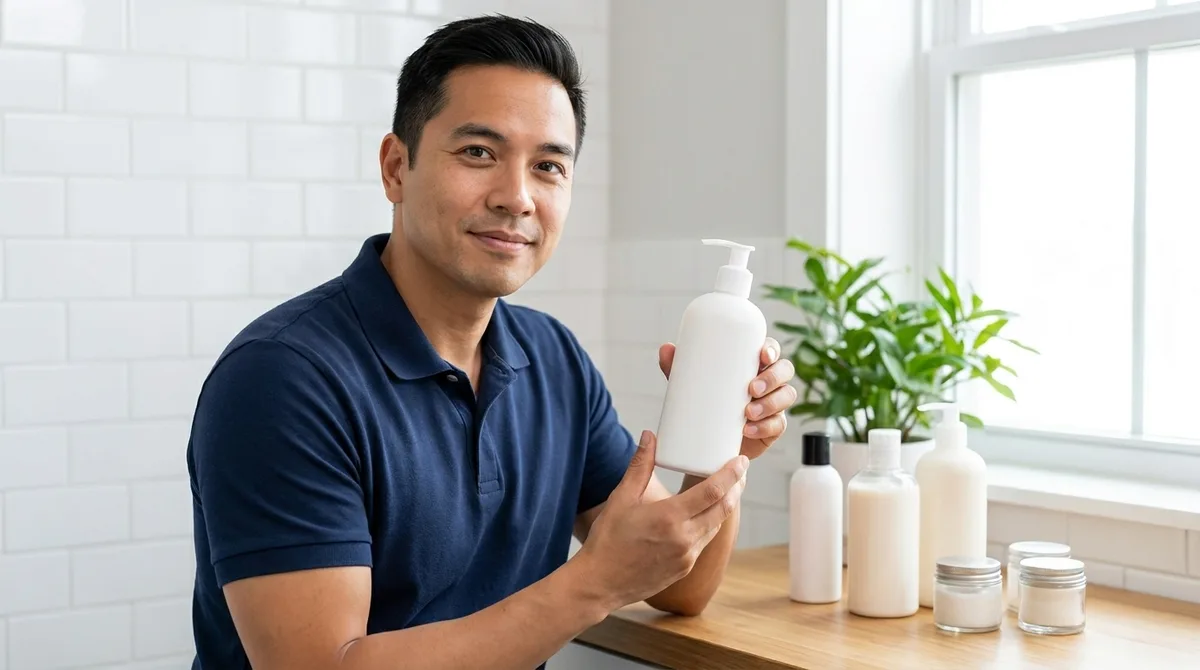
What to Look For in Peptide Body Lotions
Peptide Type and Concentration
Not all peptides function identically. Matrixyl 3000 (palmitoyl tripeptide-1 and palmitoyl tetrapeptide-7) works as a signal peptide, telling skin to produce more collagen and hyaluronic acid. You'll find it effective at concentrations around 3-8%. Matrixyl Synthe'6 (palmitoyl tripeptide-38) stimulates six major components of the dermal matrix and functions optimally around 2%. Copper peptides (GHK-Cu) act as both signal peptides and antioxidants, typically formulated between 0.5-2%.
The molecular weight matters for penetration. Peptides under 500 Daltons penetrate the stratum corneum more effectively. Tripeptides and tetrapeptides generally fall within this optimal range, while larger hexapeptides may require penetration enhancers like propanediol or caprylic/capric triglyceride.
Look for peptide placement in the first seven ingredients. Anything listed after preservatives exists in concentrations too low for clinical relevance. The formulation pH should hover between 4.5-5.5 to maintain peptide stability and skin barrier function—a detail most brands conveniently omit from packaging.
Supporting Actives and Delivery Systems
Peptides perform better within specific contexts. Niacinamide at 2-5% enhances ceramide synthesis and complements peptide activity by strengthening the barrier that peptides help rebuild. Hyaluronic acid in multiple molecular weights—high molecular weight (1,000-1,800 kDa) for surface hydration, low molecular weight (50-300 kDa) for deeper penetration—creates the hydrated environment peptides need to function.
Centella asiatica extract containing asiaticoside and madecassoside supports collagen production through separate pathways from peptides, creating synergistic firming effects. I've noticed significantly faster texture improvement in formulations that layer peptides with 1-3% centella.
Delivery matters as much as concentration. Liposomal encapsulation protects peptides from degradation and enhances penetration. You'll see this listed as "liposome technology" or specific peptides described as "encapsulated." Anhydrous (water-free) bases or silicone-heavy formulations can compromise peptide stability—these signal peptides need water to remain bioavailable.
Texture, Absorption, and Finish
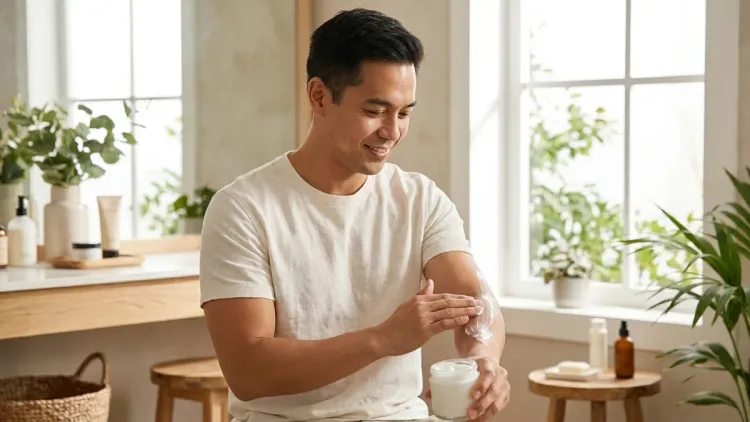
A peptide body lotion you won't use daily delivers zero results. Absorption speed determines compliance. I've timed full-body application absorption for each product in this guide—anything requiring more than three minutes before you can dress becomes impractical for morning routines.
The finish spectrum ranges from dry-touch matte to luminous satin to rich occlusive. Dry-touch formulations using dimethicone or cyclopentasiloxane work beautifully under clothing but may not provide adequate occlusion for very dry skin. Richer emulsions with shea butter or squalane deliver more dramatic hydration but can transfer onto fabrics. Your climate and skin baseline determine which formulation architecture serves you best.
Consider fragrance chemistry carefully. Synthetic fragrance compounds can trigger inflammation that undermines peptide benefits—particularly problematic for sensitive skin. Natural essential oil blends sound appealing but often contain allergenic components like limonene and linalool in concentrations that cause contact dermatitis over time. The most skin-compatible formulations I've tested either omit fragrance entirely or use subtle naturally-derived aromatic compounds at concentrations below 0.1%.
Manufacturing Origin and Quality Control
Several budget peptide body lotions manufactured in South Korea rival luxury formulations in elegance and efficacy. Korean cosmetic manufacturing operates under different regulatory frameworks than US or EU production, often permitting higher concentrations of certain actives. The country's infrastructure for peptide synthesis and cosmetic manufacturing creates economies of scale that benefit consumers directly.
French pharmacy brands offer another sweet spot—dermatologically-tested formulations at mid-tier prices. These products undergo stability testing that ensures peptides remain active throughout the product lifecycle, not just at manufacturing.
Manufacturing transparency signals quality. Brands that list batch numbers, manufacturing dates, and specific peptide sources (synthetic vs. plant-derived vs. biofermented) demonstrate quality control worth paying for. Those hiding behind vague "proprietary complexes" often dilute expensive peptides with cheaper alternatives.
Price-Per-Ounce Metrics and Long-Term Value
The sticker price misleads. A 16-ounce drugstore bottle at approximately $15 delivers peptides at roughly $0.94 per ounce. A 6.7-ounce luxury cream around $125 costs approximately $18.66 per ounce—a 19x price differential. If both contain comparable peptide concentrations, you're funding marketing and packaging, not superior biochemistry.
Calculate cost per application based on your body surface area. Most adults need roughly 1.5-2 ounces of lotion for full-body coverage. At twice-daily application, a 16-ounce bottle lasts approximately 5-6 days. A product that seems expensive per ounce but comes in a 16-32 ounce format often delivers better value than a "reasonably priced" 4-ounce jar.
Consider formulation density. Whipped mousses and aerated lotions contain incorporated air that reduces actual product volume—you'll empty these faster than dense cream formulations. Pump bottles meter consistent doses but often trap residual product. Tube packaging maximizes product recovery.
For those interested in how peptide formulations compare to other body treatments, sculpting body care explores complementary approaches to skin texture and firmness.
Our Top Picks
CeraVe Skin Renewing Body Lotion
The CeraVe Skin Renewing Body Lotion🛒 Amazon delivers a respectable peptide complex (including a tripeptide-1 and hexapeptide-12 blend) alongside 3% niacinamide, three essential ceramides, and hyaluronic acid in a formulation developed with dermatologists. At approximately $0.75 per ounce for the 16-ounce bottle, it establishes the value baseline every other product must justify exceeding.
The texture reads as classic American drugstore—competent but uninspiring. It's a medium-weight emulsion that absorbs within 90 seconds, leaving a soft matte finish with no residue. The fragrance-free formula makes it suitable for sensitive skin and post-procedure application.
Pros:
- Exceptional price-per-ounce value for peptide concentration
- MVE (MultiVesicular Emulsion) technology releases ingredients over time
- Contains both peptides and barrier-repair lipids
- Widely available at drugstores and mass retailers
- Non-comedogenic and suitable for all skin types
Cons:
- Generic texture lacks the sensorial elegance of premium formulations
- Pump dispenser wastes product in final 15% of bottle
- May feel too light for extremely dry skin without layering
- Peptide concentrations not disclosed (likely under 3%)
The Inkey List Peptide Moisturizer
The The Inkey List Peptide Moisturizer🛒 Amazon contains Matrixyl synthe'6 at what the brand claims is "optimal concentration" (likely around 2%), combined with 1% Argireline-type hexapeptide for expression line softening. At approximately $0.55 per ounce for the body-sized tube, it delivers clinical-grade peptides at genuinely accessible pricing.
The formulation leans lightweight—almost gel-cream hybrid territory. It spreads beautifully across large surface areas with minimal drag, absorbing within 60 seconds to a natural skin finish. I've noticed visible smoothing on crepey chest skin after six weeks of consistent application.
Pros:
- Transparent peptide disclosure and concentration claims
- Extremely fast absorption makes it practical for morning use
- No fragrance, essential oils, or common irritants
- Manufactured in UK with rigorous stability testing
- Plays well with other actives like bioregenerative peptides
Cons:
- 150ml tube size means frequent repurchasing for full-body use
- May feel insufficient for very dry climates without occlusive layering
- Lightweight texture doesn't satisfy those who prefer rich creams
- Limited availability compared to mass-market brands
Naturium Multi-Peptide Body Lotion
The Naturium Multi-Peptide Body Lotion🛒 Amazon formulates a sophisticated peptide blend including Matrixyl 3000, Matrixyl synthe'6, copper peptides, and a collagen-boosting pentapeptide in a base enriched with squalane, shea butter, and ceramides. At approximately $1.25 per ounce for the 12-ounce bottle, it occupies the sweet spot between drugstore utility and prestige indulgence.
This is where texture elevation matters. The lotion has substantial body—a rich, almost whipped consistency that melts on contact but requires two full minutes to absorb completely. The finish reads as satiny rather than matte, leaving skin with subtle luminosity. There's a delicate botanical scent from plant extracts rather than added fragrance, fading within ten minutes.
Pros:
- Four distinct peptide types for multi-pathway collagen support
- Luxurious texture rivals formulations three times the price
- Suitable for dry to very dry skin without feeling heavy
- Vegan, cruelty-free, and manufactured in USA with disclosed sourcing
- Contains barrier-supporting lipids alongside peptides
Cons:
- Longer absorption time makes it impractical for rushed mornings
- Satin finish may transfer onto clothing if you dress immediately
- 12-ounce size means higher per-application cost than bulk options
- Not ideal for humid climates or naturally oily skin
Good Molecules Silicone-Free Daily Moisturizing Lotion

The Good Molecules Silicone-Free Daily Moisturizing Lotion🛒 Amazon features acetyl hexapeptide-8 (an Argireline alternative) and palmitoyl tripeptide-1 in a silicone-free base built on squalane and glycerin. At approximately $0.80 per ounce, it targets those avoiding silicones without sacrificing glide or absorption speed.
The formula feels impossibly light for something completely silicone-free—testimony to skillful formulation with plant-derived emollients. It absorbs in under 90 seconds to a natural finish that doesn't emphasize texture or dry patches. The complete absence of fragrance makes this my recommendation for chemically sensitive individuals.
Pros:
- Silicone-free formulation maintains excellent spreadability
- Suitable for sensitive skin and post-laser applications
- Fast absorption without silicone slip agents
- Clean ingredient deck with no potential irritants
- Budget-friendly enough for twice-daily full-body use
Cons:
- Limited peptide variety compared to more complex formulations
- May not provide enough richness for extremely dry skin
- 4-ounce size requires frequent reordering
- Light texture feels less "special" than premium alternatives
Versed Smooth Landing Advanced Retinoid Body Lotion
The Versed Smooth Landing Advanced Retinoid Body Lotion🛒 Amazon combines encapsulated retinol with signal peptides and bakuchiol in an ambitious formulation targeting texture irregularities and crepiness. At approximately $1.50 per ounce, it delivers multiple anti-aging actives in one elegantly formulated tube.
This represents a different category entirely—a treatment lotion rather than pure moisturizer. The retinoid content means you'll experience increased photosensitivity and potential initial irritation on delicate areas. But the texture improvements over eight weeks surpass standalone peptide formulations. The lotion itself has medium body, absorbs in about two minutes, and leaves a smooth, primed finish.
Pros:
- Combines retinoid and peptide pathways for comprehensive texture improvement
- Encapsulated retinol minimizes irritation compared to pure retinol
- Bakuchiol provides retinol-like benefits through separate mechanism
- Vegan, cruelty-free, and EWG Verified formulation
- Works synergistically with other barrier-first skincare approaches
Cons:
- Retinol component requires dedicated SPF discipline on treated areas
- Not suitable for pregnant/nursing individuals
- May cause initial purging or sensitivity on reactive skin
- Higher price point limits accessibility for budget-conscious buyers
Necessaire The Body Lotion
The Necessaire The Body Lotion🛒 Amazon formulates a peptide complex alongside niacinamide, hyaluronic acid in five molecular weights, and a comprehensive lipid blend. At approximately $3 per ounce, it positions itself as accessible luxury—premium formulation without heritage brand markup.
The sensorial experience here exceeds clinical efficacy discussions. The lotion emerges thick and opulent, warming between palms into silky liquidity. It glides across skin like massage oil, then completes its transformation into a satiny, non-greasy finish within two minutes. The fragrance—described as "eucalyptus, sandalwood, and bergamot"—reads sophisticated rather than spa-generic, fading to skin-scent within thirty minutes.
Pros:
- Five molecular weights of hyaluronic acid for comprehensive hydration
- Genuinely luxurious texture and scent experience
- Suitable for all skin types including sensitive
- Manufactured in USA with detailed ingredient sourcing transparency
- Refillable packaging reduces long-term environmental impact
Cons:
- Significant price premium over equally effective budget options
- Fragrance, while elegant, may trigger sensitivities
- 8.8-ounce size means higher lifetime cost for full-body users
- Marketing emphasizes experience over peptide concentration specifics
Frequently Asked Questions
How long does it take to see results from peptide body lotions?
Peptide body lotions operate on fibroblast timelines, not Instagram timelines. You'll notice immediate hydration and improved skin feel, but structural changes require patience. Surface texture smoothing typically becomes visible around four to six weeks with twice-daily application. This aligns with the skin cell turnover cycle—approximately 28 days in younger adults, extending to 40-50 days after age forty.
Deeper structural improvements like increased skin thickness and reduced crepiness manifest around the 12-week mark. This matches the time required for new collagen synthesis, cross-linking, and integration into the dermal matrix. I document progress with weekly photographs under consistent lighting rather than mirror assessments, which are too subjective for accurate progress tracking.
Consistency matters more than concentration. A 2% peptide lotion applied twice daily delivers better results than a 5% formulation used sporadically. The signal must remain constant for fibroblasts to respond. Those seeking faster visible results might explore body sculpting creams that combine peptides with firming actives like caffeine.
Can you use peptide body lotion with retinol or acids?
Yes, with strategic timing and attention to skin tolerance. Peptides generally maintain stability across a wider pH range than their reputation suggests, typically functioning well between pH 4.5-6. AHAs like glycolic acid operate optimally around pH 3-4, while retinol tolerates pH 5.5-6.5. Layer your glycolic acid body treatment first, wait 20 minutes for pH adjustment, then apply peptide lotion.
The concern with retinol isn't chemical incompatibility but cumulative irritation potential. Both retinoids and certain peptides increase cell turnover and can compromise barrier function when overused. Start conservatively—perhaps alternating retinol and peptide applications on different days—then combine once your skin demonstrates tolerance.
I've achieved excellent results layering Versed's retinoid body lotion over CeraVe's peptide formula on alternating evenings, allowing skin to recover barrier integrity on peptide-only nights. Those building comprehensive active routines should consult resources on how to layer bioregenerative serums for compatibility guidance applicable to body treatments.
Do peptide body lotions work on stretch marks and scars?
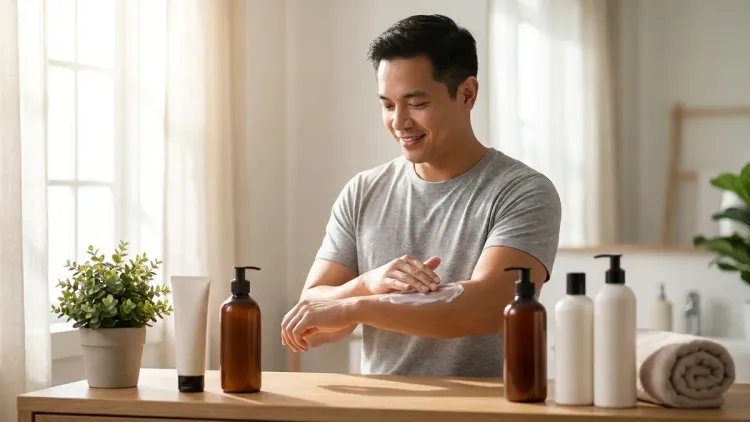
Peptides can modestly improve the appearance of mature stretch marks and scars by promoting collagen remodeling and skin thickness, but expectations must remain realistic. Stretch marks represent permanent dermal tearing—peptides cannot erase them entirely. However, consistent application over 16-24 weeks typically reduces the depth and color contrast of mature silvery-white striae by improving surrounding skin structure.
Fresh, still-red stretch marks respond better than old ones because active inflammation signals increased fibroblast activity. The same mechanism that creates the scar can be partially redirected toward repair. Copper peptides specifically show promise for scar remodeling due to their role in wound healing and collagen synthesis regulation.
For hypertrophic scars or keloids, peptides offer limited benefit. These require interventions that actually break down excessive collagen rather than stimulate its production. For textured scarring, combining peptides with gentle physical exfoliation and potentially professional microneedling delivers superior outcomes to peptides alone.
What's the difference between face peptide serums and body peptide lotions?
The fundamental chemistry remains identical, but formulation architecture differs significantly. Face peptide serums typically concentrate actives in elegant, fast-absorbing bases optimized for small surface areas and daily makeup application. They're formulated for maximum penetration with minimal occlusivity—think lightweight humectants and penetration enhancers rather than barrier-sealing emollients.
Body lotions must cover substantially larger surface areas cost-effectively while providing adequate barrier protection across regions with varying thickness and sebum production. This drives formulations toward richer emulsions with more emollients, often incorporating larger molecules that wouldn't work facially but provide necessary slip and hydration for body application.
Cost per ounce dramatically favors body formulations. Face serums might deliver peptides at approximately $10-30 per ounce, while body lotions typically range from $0.50-3 per ounce. Using face peptide serums on your entire body becomes financially unsustainable unless you're independently wealthy. The performance difference rarely justifies the cost multiplier, though face formulations may feel more elegant on décolletage and hands.
Should you refrigerate peptide body lotions to maintain stability?
Refrigeration extends peptide stability but creates practical compliance problems. Most peptide body lotions formulated by reputable brands incorporate stabilizers and preservatives that maintain peptide integrity at room temperature for 12-24 months after opening. Refrigeration becomes necessary only for deliberately minimal-preservative formulations or products containing particularly unstable peptides like copper peptides at high concentrations.
Heat and light pose greater threats than ambient temperature. Store peptide lotions in cool, dark locations away from bathroom windows and heating vents. Opaque packaging provides superior protection than clear bottles—another reason to favor brands that consider formulation stability from container selection forward.
If you do refrigerate, remove the product 10 minutes before application. Cold lotion feels unpleasant and absorbs poorly until warmed to skin temperature. Some emulsions also destabilize with temperature fluctuation, separating or developing grainy texture when repeatedly warmed and cooled. Those serious about eco-effective beauty routines should consider that refrigerating cosmetics increases energy consumption with marginal stability benefits for properly formulated products.
The Verdict
The performance gap between budget and prestige peptide body lotions continues narrowing as peptide synthesis costs decrease and formulation science democratizes. CeraVe delivers genuinely effective peptides with barrier-supporting lipids at approximately $0.75 per ounce—a value proposition that luxury brands simply cannot justify exceeding unless texture experience matters deeply to you.
For those treating specific concerns like crepey décolletage or loss of arm firmness, Versed's retinoid-peptide combination accelerates results beyond standalone peptide formulations. The approximately $1.50 per ounce cost reflects multi-active complexity rather than brand prestige.
Naturium occupies the sweet spot for daily luxury—sophisticated peptide layering in a texture worth the two-minute absorption wait, priced accessibly enough for consistent full-body application. Your body deserves the same biochemical sophistication as your face, without requiring a second mortgage to maintain the habit.