
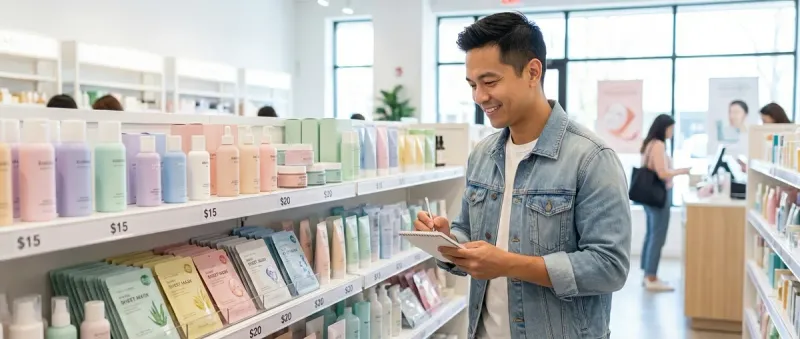

Korean skincare promised you luminous, translucent skin—that elusive glass-like finish. You've seen the before-and-after photos, heard the whispers about fermented essences and snail mucin. But standing in the K-beauty aisle (or scrolling through endless product pages), you're overwhelmed by the sheer volume of options. This korean skincare essentials checklist distills a decade of formulation evolution into a curated selection of products that actually deliver barrier-strengthening, light-reflecting results—all under $100 total. For those seeking sustainable formulations alongside traditional Korean innovations, you'll find ingredient transparency prioritized throughout.
Cleansing Essentials: Foundation of the Korean Routine
The double cleanse isn't negotiable in a korean skincare essentials checklist. You need an oil-based first cleanser to dissolve sunscreen and sebum, followed by a water-based cleanser to remove water-soluble impurities without stripping your acid mantle. Korean formulations excel here because they're engineered for pH balance—most hover between 5.0-5.5, matching your skin's natural acidity.
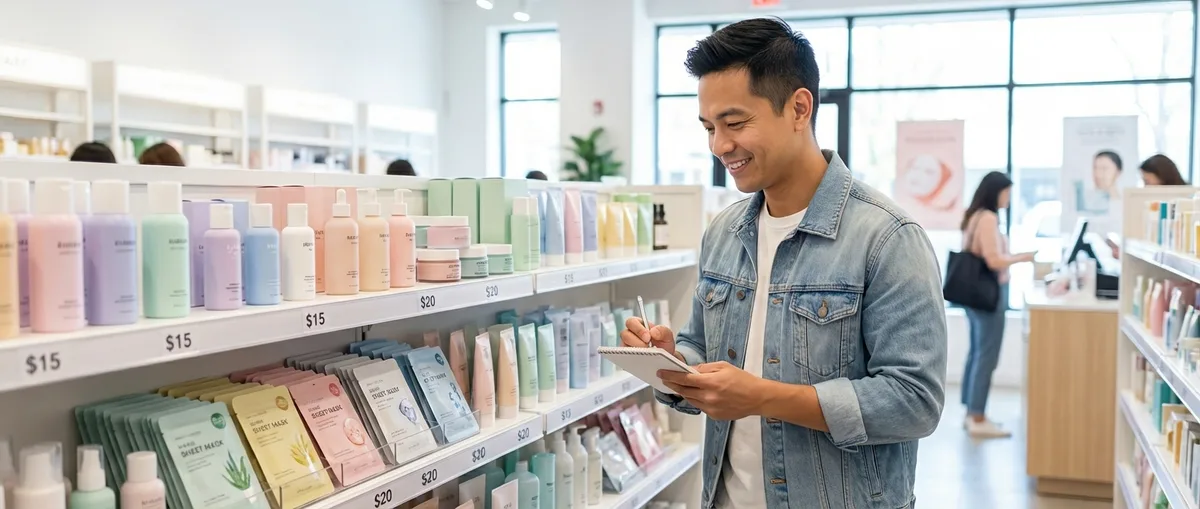
Oil Cleanser (Budget: $12-18)
Look for polyethylene glycol (PEG)-based emulsifiers that rinse clean without residue. The texture should feel almost silken as you massage it across dry skin, then transform into a milky suspension on contact with water. Mineral oil or caprylic/capric triglyceride bases work beautifully for congested skin types; they won't clog pores despite the counterintuitive viscosity. Avoid essential oils here—they're unnecessary irritants during a step meant to prepare, not treat. Korean brands manufactured in Gyeonggi Province facilities often maintain pharmaceutical-grade quality control while keeping retail prices below $15 per 200ml.
Water-Based Cleanser (Budget: $10-15)
A low-pH gel or foam cleanser with amino acid surfactants (sodium cocoyl glycinate, sodium lauroyl glutamate) cleanses without that tight, squeaky feeling that signals barrier damage. You'll notice these formulations feel almost cushiony against your skin—not slippery like traditional sulfate cleansers, but substantive. Target 0.5-2% betaine or glycerin in the first five ingredients for humectant properties during the rinse. The Korean cosmetic chemistry approach treats cleansing as skin prep, not stripping, which explains why their cleansers often include centella asiatica extract (madecassoside 0.1-0.5%) or panthenol (1-3%) for immediate soothing.
Micellar Cleansing Water (Budget: $8-12)
For mornings or travel, a micellar formula with poloxamer surfactants removes overnight sebum oxidation without requiring a full double cleanse. The micelles—tiny oil molecules suspended in soft water—attract impurities through basic chemistry principles. Korean versions frequently incorporate fermented rice water or sake filtrate, which contains kojic acid derivatives for gentle brightening. You'll experience a barely-there cleanse that still leaves skin receptive to subsequent layers. The texture feels like cool water with imperceptible weight—no residue, no tightness.
Cleansing Balm Alternative (Budget: around $14-20)
Solid cleansing balms melt at body temperature into luxurious oils. Look for shea butter or cetyl ethylhexanoate bases rather than mineral oil if you prefer faster emulsification. The sensory experience is distinctly different—you warm a small amount between dry palms, then massage across your face, feeling makeup and sunscreen dissolve almost instantly. Quality balms transform into milky emulsions that rinse completely, leaving zero film. Some Korean formulations include rice bran oil (5-10%) for vitamin E and ferulic acid content, turning a cleansing step into antioxidant delivery.
Hydration Layers: Building Moisture Reservoirs
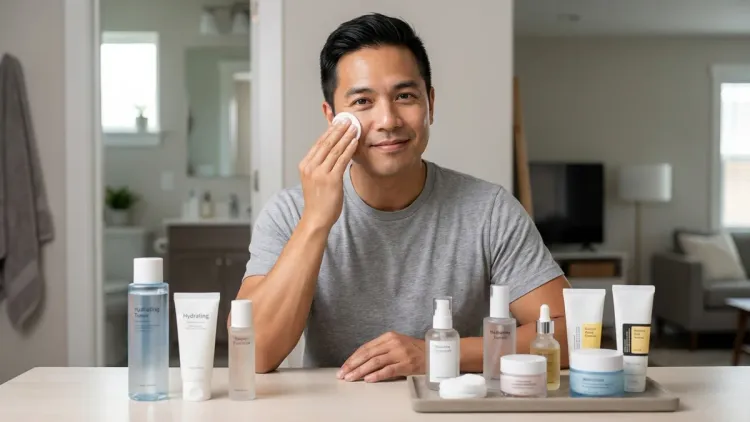
This is where Korean skincare diverges most dramatically from Western routines. Rather than one heavy moisturizer, you'll layer multiple lightweight hydrators—each with different molecular weights and penetration depths. The result is plump, dewy skin that holds moisture throughout the day without surface greasiness.
Essence or First Treatment Essence (Budget: $18-28)
These watery liquids contain fermented yeast filtrates (Pichia ferment or Galactomyces ferment, 90%+ concentration) that deliver amino acids, beta-glucans, and vitamins your skin recognizes as biochemical signaling molecules. The fermentation process breaks down compounds into smaller particles with enhanced penetration. You'll pat this across cleansed skin—the texture is thinner than water, almost ephemeral, yet you'll feel your skin drinking it immediately. Studies on fermented extracts show improved stratum corneum hydration by 18-25% after four weeks of consistent use. For sustainability-minded users exploring similar bioactive formulations, bioregenerative skincare technology employs comparable fermentation and growth factor approaches.
Korean brands like Missha and COSRX manufacture these essences in facilities that prioritize fermentation time over cost—some batches ferment for 120+ hours, resulting in denser nutrient profiles. At around $20-25 per 150ml bottle lasting three months, the price-per-use drops below 25 cents daily.
Hydrating Toner (Budget: $12-18)
Different from astringent Western toners, Korean hydrating toners prep skin with multiple molecular weights of hyaluronic acid (50 kDa to 1,500 kDa) for penetration at various dermal depths. Look for formulations listing sodium hyaluronate, hydrolyzed hyaluronic acid, and sodium acetylated hyaluronate in the top ten ingredients—this indicates a multi-weight HA complex rather than a single molecule. The texture ranges from water-light to slightly viscous, depending on concentration. Pat it in with your palms; you'll feel your skin's texture shift from matte to subtly luminous within seconds.
Quality Korean toners also incorporate panthenol (B5, 1-3%) and allantoin (0.5-1%) for barrier support. At pH 5.5-6.0, they maintain your acid mantle integrity post-cleansing.
Snail Mucin Essence (Budget: $15-22)
Snail secretion filtrate (92-97% concentration) delivers a complex matrix of glycoproteins, hyaluronic acid, glycolic acid, copper peptides, and antimicrobial peptides. The texture is uniquely viscous yet non-sticky—it feels slippery as you spread it, then absorbs into a satin finish. You'll notice improved wound healing and post-inflammatory hyperpigmentation fading, backed by published research on snail mucin's regenerative properties.
The sensory experience polarizes users: some find it luxuriously hydrating, others can't get past the conceptual squeamishness. Functionally, it outperforms many peptide serums at a fraction of the cost. A 100ml bottle at around $18 offers comparable hydration to luxury serums priced at $120+. For a detailed comparison of hydration mechanisms, see snail mucin vs hyaluronic acid performance metrics.
Propolis or Honey Essence (Budget: $16-25)
Propolis extract (60-80% concentration) contains flavonoids and phenolic acids with documented anti-inflammatory and antimicrobial activity. The texture is noticeably richer than fermented essences—honey-like viscosity that spreads easily but takes longer to absorb. You'll experience a gentle warming sensation as it sinks in, followed by visible plumping over 10-15 minutes. Korean formulations often combine propolis with royal jelly (5-10%) for additional proteins and B vitamins.
This is particularly suited to compromised or sensitized skin. The amber-toned liquid has a faint, naturally sweet aroma—no added fragrance needed.
Ampoule or Serum (Budget: $18-30)
Korean ampoules are essentially highly concentrated serums—think active ingredient percentages of 20-50% rather than 5-10%. Choose based on your primary concern:
- Niacinamide (10%+) for sebum regulation and barrier repair
- Vitamin C (15-20% L-ascorbic acid or ethyl ascorbic acid) for brightening and collagen synthesis
- Centella asiatica extract (40-60%) with standardized madecassoside and asiaticoside for calming and wound healing
- Adenosine (0.04-0.1%) for fine line reduction through improved dermal density
The texture varies by active—niacinamide serums feel lightweight and absorb immediately, vitamin C formulations are slightly tacky until fully absorbed, centella ampoules have a gel-like slip. Layer from thinnest to thickest viscosity.
Treatment Products: Targeted Correction
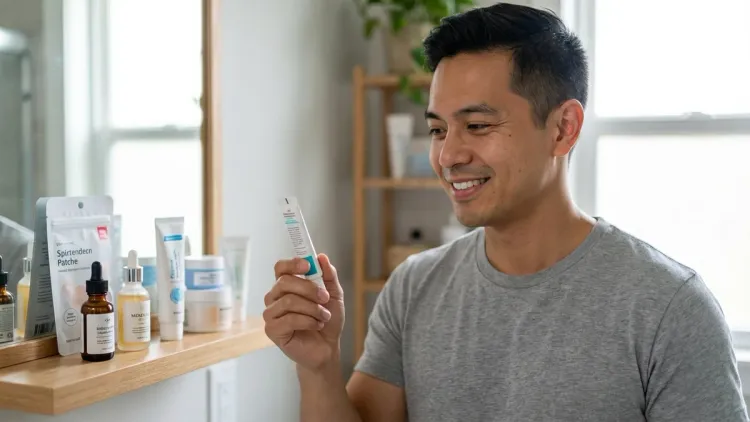
These products address specific concerns with higher active percentages. Introduce them slowly—start twice weekly, then increase to daily as your skin adapts.
Sheet Masks (Budget: around $1.50-3 each)
Not daily essentials, but invaluable for pre-event hydration boosts. Quality Korean sheet masks use microfiber or hydrogel backing that adheres better than cotton, delivering up to 25ml of essence. Look for masks containing ceramides (ceramide NP, AP, EOP at 0.5-2% combined) to actually strengthen your barrier, not just temporarily plump. The ritual is meditative: you'll unfold the damp mask, press it against your skin, and feel the cooling sensation as the essence transfers over 15-20 minutes.
Budget allocation: buy variety packs at around $1.50-2 per mask rather than luxury single masks at $8-12. The active concentrations are often comparable. However, cheaper masks use flimsy backing that dries quickly—that price floor exists for a reason.
Sunscreen (Budget: $12-18)
Korean sunscreens are non-negotiable in any korean skincare essentials checklist. They've mastered organic UV filters (avobenzone, homosalate, octinoxate) and newer Tinosorb S and Uvinul A Plus in elegant, cosmetically appealing bases. You'll actually want to reapply these—they wear like lightweight moisturizers, not the chalky paste of traditional mineral sunscreens.
Target SPF 50+ PA++++ for comprehensive UVA protection. Korean formulations often include niacinamide (2-4%) as an antioxidant booster and hyaluronic acid for hydration during wear. At around $14 per 50ml tube, the price-per-application drops to roughly 45 cents if you're using the recommended 1/4 teaspoon for face and neck. For comprehensive reviews of texture and white cast across price points, consult Korean sunscreen formulation analysis under $20.
The finish ranges from dewy to matte—choose based on skin type. Combination/oily skin types prefer the sebum-controlling silica formulations, while dry skin thrives with glycerin-rich cream bases. The one consistent annoyance: many Korean sunscreens contain alcohol denat for fast absorption, which may irritate very sensitive skin over time.
Exfoliating Toner or Serum (Budget: $14-22)
AHA/BHA formulations (glycolic acid 4-7%, salicylic acid 0.5-2%) accelerate cell turnover without the aggressive irritation of high-strength peels. Korean cosmetic chemistry favors PHA (polyhydroxy acids like gluconolactone, 5-10%) for gentler exfoliation—larger molecular size means slower penetration and less stinging. The texture is typically watery; you'll swipe it across cleansed skin with a cotton pad, noticing immediate brightness as dead cells are loosened.
Use these 2-3 times weekly initially, always followed by sunscreen the next day. The subtle tingle you experience is normal—sharp burning is not. These formulations often include tea tree extract (0.5-2%) or willow bark extract for additional anti-inflammatory benefits.
Sleeping Mask or Occlusive Cream (Budget: $15-25)
The final step in a comprehensive routine: an occlusive layer that seals in all previous hydration. Korean sleeping masks use cyclomethicone for a non-greasy occlusive effect—the silicone creates a breathable film that prevents transepidermal water loss without clogging pores. You'll apply a thin layer as your final evening step; the texture feels almost bouncy, like pressing into a gel-cream hybrid.
Quality formulations incorporate squalane (2-5%), ceramide blends, or shea butter for additional barrier lipids. By morning, your skin will feel noticeably softer and more resilient. The one drawback: these products can transfer to pillowcases despite their absorbed appearance, so light-colored linens may show slight discoloration over time.
Barrier Support Essentials: Protecting Your Investment
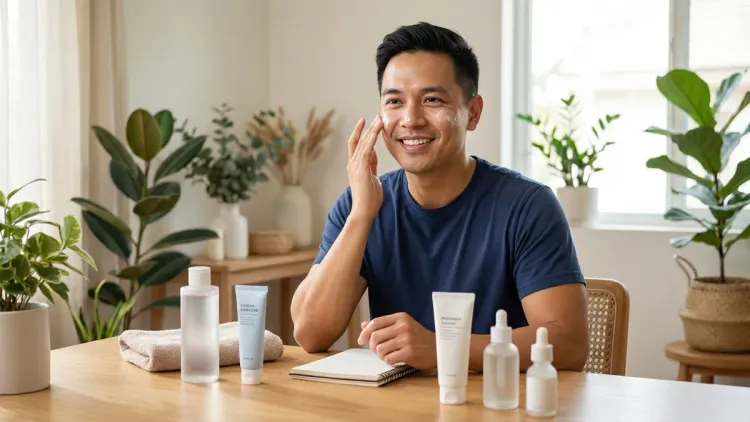
All the serums and essences in the world won't deliver glass skin if your moisture barrier is compromised. Korean skincare's obsession with gentle, pH-balanced formulations stems from understanding that barrier health dictates how well your skin holds hydration and reflects light.
Moisturizer with Ceramides (Budget: $12-18)
Look for formulations listing ceramide 1, 3, and 6-II (or their INCI names: ceramide EOP, NP, AP) at 2-5% combined concentration. These should appear in the top half of the ingredient list. Korean ceramide moisturizers often incorporate cholesterol and fatty acids in a 3:1:1 ratio with ceramides—this mimics your skin's natural lipid composition for optimal barrier repair.
The texture should feel substantial but not heavy. Quality ceramide creams have a silky, slightly waxy feel on application that melts into your skin, leaving a protective satin finish. You're not looking for dewy glow here—you're looking for restored barrier integrity. Within two weeks of consistent use, you'll notice improved resilience: less reactivity to environmental stressors, longer-lasting hydration between applications.
For comprehensive comparison of ceramide formulations across price points, Korean moisturizers under $25 analyzes texture, concentration, and price-per-ounce metrics. If you're dealing with existing damage, barrier repair protocols outline accelerated restoration timelines.
Facial Oil (Budget: $15-22)
Not traditional in Korean routines, but increasingly incorporated for squalane, rosehip oil (rich in trans-retinoic acid), or jojoba oil benefits. These shouldn't replace moisturizer—they're supplementary. A few drops patted over your cream creates a semi-occlusive seal. The sensory experience is divisive: some users love the facial massage ritual and the immediate luminosity, others find any oil texture intolerable.
Korean facial oils tend toward lightweight esters rather than heavy plant oils—look for caprylic/capric triglycerides or meadowfoam seed oil for fast absorption. Two drops warmed between palms, then pressed into skin, takes 15 seconds and prevents overnight moisture loss. The one consistent complaint: dropper dispensers make precise dosing difficult, and it's easy to over-apply into greasiness.
Essence Toner Hybrid (Budget: $16-24)
Some Korean products blur category lines—these "toner-essence" hybrids contain 5-10% fermented extracts plus hyaluronic acid for both pH balancing and hydration in one step. The texture is noticeably more viscous than pure toners but thinner than traditional essences. You'll pat it in using the "7-skin method"—multiple thin layers until your skin can't absorb more. The method originated in Korea and involves reapplying the same toner 3-7 times, waiting 10-20 seconds between each layer.
This technique floods your stratum corneum with humectants, creating that characteristic glass skin translucency. You'll feel your skin shift from normal texture to almost sponge-like plumpness. It's time-intensive—plan for 5-7 minutes—but the immediate visible results make it worthwhile before events.
Cica Cream (Budget: $14-20)
"Cica" refers to centella asiatica extract, and these specialized creams contain 15-40% centella with standardized triterpenoid content (madecassoside, asiaticoside, madecassic acid, asiatic acid at minimum 0.5% combined). They're designed for post-procedure or sensitized skin—think of them as barrier-repair on steroids. The texture is typically rich and slightly medicinal-feeling, with a cooling sensation on application.
You'll use these as spot treatments on irritated areas or as an overall moisturizer during barrier compromise. The one caveat: cica creams often contain mineral oil or petrolatum bases for maximum occlusiveness, which may feel too heavy for oily skin types. They're rescue products, not daily drivers for most users.
Final Check Before You Go
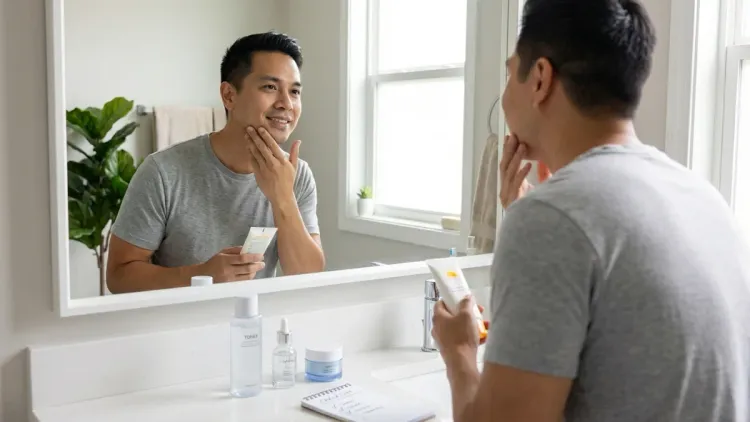
Your complete korean skincare essentials checklist for glass skin under $100:
□ Oil cleanser ($12-18): PEG-emulsified, caprylic/capric triglyceride base
□ Water-based cleanser ($10-15): pH 5.0-5.5, amino acid surfactants
□ Hydrating toner ($12-18): Multi-weight hyaluronic acid complex
□ Essence or fermented treatment ($18-28): 90%+ Galactomyces or Pichia ferment
□ Targeted serum/ampoule ($18-30): Choose niacinamide 10%, vitamin C 15%+, or centella 40%+
□ Moisturizer with ceramides ($12-18): Ceramide NP/AP/EOP at 2-5%, 3:1:1 lipid ratio
□ Sunscreen SPF 50+ PA++++ ($12-18): Tinosorb S or Uvinul A Plus filters
□ Weekly exfoliant ($14-22): AHA 4-7% or PHA 5-10%
□ Sleeping mask or occlusive ($15-25): Cyclomethicone base with squalane or ceramides
□ Optional: Snail mucin essence ($15-22): 92%+ snail secretion filtrate
□ Optional: Sheet mask pack ($15-25 for 10): Microfiber backing, ceramide-containing essence
Total investment: $88-$198 depending on optional additions. Start with the first seven items ($94-$149) for a complete routine, then add treatments based on specific concerns.
Frequently Asked Questions
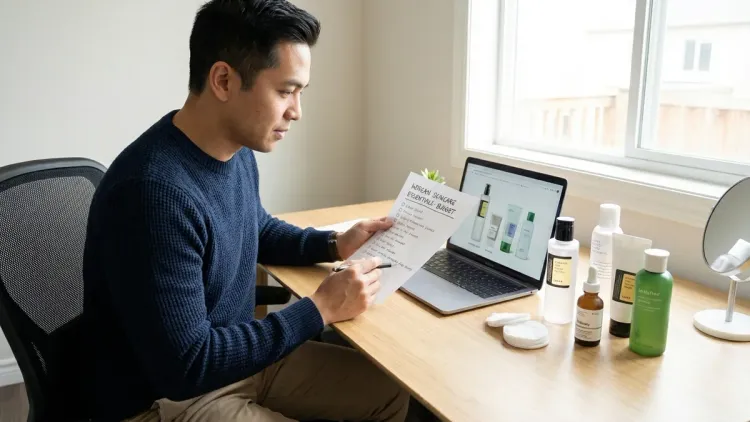
Can I skip steps in this korean skincare essentials checklist if I have oily skin?
No, but you should adjust textures and formulations rather than eliminating steps entirely—oily skin still requires hydration, but you'll choose lightweight essences over creamy lotions, gel-cream moisturizers over balm textures, and skip facial oils while maintaining every other step including double cleansing and sunscreen. The Korean approach recognizes that dehydrated skin overproduces sebum to compensate, so stripping steps actually worsens oiliness rather than controlling it.
How long until I see glass skin results from this routine?
You'll notice immediate plumping and hydration after your first application sequence, but the characteristic translucent, light-reflecting quality develops over 4-6 weeks as your skin barrier repairs, cell turnover accelerates from exfoliation, and consistent sun protection prevents further photodamage—the glass skin effect requires stratum corneum hydration above 20%, even melanin distribution, and surface smoothness that only develops with consistent layering of humectants and barrier-repair ingredients.
Should I buy all these products at once or build gradually?
Start with the foundation (cleanser, toner, moisturizer, sunscreen) and introduce new products one every 5-7 days—this allows you to identify any sensitivities or reactions to specific ingredients rather than wondering which of ten new products caused irritation, and it spreads your budget investment over 6-8 weeks rather than requiring the full amount upfront. For structured introduction protocols, Korean skincare routine building guides outline product order and testing timelines.
Final Thoughts
Glass skin isn't a destination—it's a reflection of consistent barrier care and intelligent hydration layering. This korean skincare essentials checklist gives you the fundamental framework, but your specific combination will evolve as you understand how your skin responds to fermented extracts versus peptides, gel textures versus creams, morning versus evening application timing.
The Korean approach teaches us that luxury isn't about price—it's about formulation intelligence and ritualistic consistency. You'll spend less than $100 acquiring these essentials, then watch as your skin transforms into something that looks impossibly expensive. That's the quiet satisfaction of informed curation: knowing the around $16 snail mucin essence in your palm outperforms the $240 luxury serum it replaced, and feeling your skin respond with the kind of luminosity that makes strangers ask what you're using.
Start with your barrier. Layer your hydration. Protect with sunscreen. The glass reflects back when you give it the right foundation.