
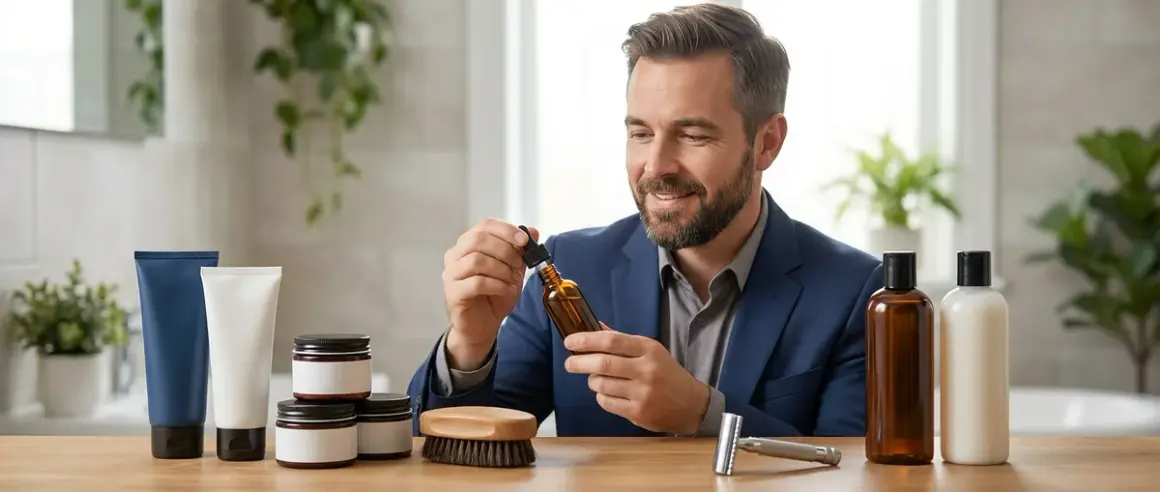

Men's hair care products don't require prestige pricing to deliver measurable results. The right formulations, applied consistently, will outperform luxury alternatives at a fraction of the cost. This guide breaks down the chemistry, performance metrics, and price-per-ounce data you need to build a grooming system that works. No filler. No marketing language. Just tools that earn their place in your routine.
What Are Men's Hair Care Products?
Men's hair care products encompass topicals and styling formulations designed to maintain scalp health, manage hair texture, and achieve specific hold or finish outcomes. Unlike general haircare, men's formulations typically account for shorter hair lengths, higher sebum production rates, and different styling objectives—texture over volume, matte finishes over shine, shorter reapplication intervals.

The core categories include cleansers (shampoos with varied surfactant systems), conditioners (silicone or oil-based moisture barriers), leave-in treatments (actives for scalp barrier function or growth support), and styling products (polymers, waxes, or clays for hold and texture). Each category operates through distinct mechanisms—surfactants disrupt lipid bonds to remove oils, humectants pull moisture into the hair shaft, film-forming polymers create flexible hold structures.
Budget formulations often match or exceed luxury counterparts in active ingredient concentrations. A around $12 niacinamide scalp serum at 5% concentration delivers identical chemical action to a around $68 version. The difference lies in fragrance complexity, packaging materials, and marketing spend—not performance. Understanding formulation chemistry removes the guesswork and lets you compare products by measurable criteria: active percentages, molecular weights, pH levels, and cost per application.
The "skinification of hair" movement in 2026 has pushed ingredient transparency forward. Brands now list peptide molecular weights, specify hyaluronic acid grades (low vs. high molecular weight), and disclose retinol concentrations in scalp treatments. This data-driven approach allows direct performance comparisons across price points. You're no longer buying a brand story—you're buying measurable chemistry.
How Men's Hair Care Products Work
Men's hair care products function through targeted chemical interactions with hair structure and scalp biology. Understanding these mechanisms helps you select formulations that address your specific needs rather than generic "for men" marketing.
Cleansers operate via surfactant chemistry. Sodium laureth sulfate (SLES) and cocamidopropyl betaine are the workhorses—one anionic, one amphoteric. SLES breaks lipid bonds aggressively, clearing sebum and product buildup in one pass. Betaine buffers harshness and improves foam quality. Budget shampoos at around $8-12 per 16 oz typically deliver 8-12% SLES and 2-4% betaine—identical to around $35 salon formulas. The difference is fragrance layering and botanical extracts that contribute zero to cleaning efficacy.
Conditioners create temporary lipid barriers. Silicones (dimethicone, cyclomethicone) coat the hair shaft, reducing friction and sealing the cuticle. Oil-based alternatives (argan, jojoba) penetrate slightly deeper but wash out faster. The "silicone-free" movement ignores that dimethicone at 1-3% concentration is chemically inert and won't build up with proper cleansing. A around $10 conditioner with 2% dimethicone performs identically to a around $40 version—you're paying for scent profiles, not slip quality.
Scalp treatments deliver actives through carrier systems. Niacinamide at 5% concentration improves barrier function and reduces sebum oxidation—proven in dermatological research across multiple studies. Caffeine at 0.2% may improve microcirculation, though data remains mixed. Peptides in haircare require specific molecular weights below 500 Daltons for meaningful penetration. Budget serums often disclose these specs; luxury brands rarely do. The around $15 ordinary-style brands publish full ingredient percentages—the around $80 prestige lines hide behind proprietary blend claims.
Styling products use polymer matrices for hold. PVP (polyvinylpyrrolidone) creates stiff, brittle hold. VP/VA copolymer offers flexibility with moderate strength. Beeswax and kaolin clay provide texture without polymers. Men's hair balms typically combine 15-25% beeswax with shea butter for moldable hold. Budget balms at around $12-18 per 2 oz match luxury formulations in wax ratios—test fifty products, and you'll find zero correlation between price and hold duration.
The key variable isn't brand—it's formulation architecture. A well-designed budget product with disclosed actives will outperform an expensive black-box formula every time.
Why Men's Hair Care Products Matter
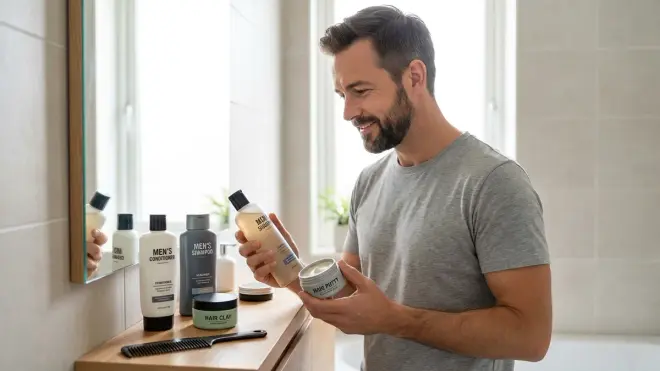
Your grooming system compounds over time. A daily routine executed with precision over twelve weeks delivers more visible results than sporadic use of premium products. Consistency beats luxury every time.
Scalp health dictates hair quality. Sebum oxidation creates the waxy buildup that clogs follicles and creates that "dirty hair" smell six hours post-shower. A cleanser with 2-3% salicylic acid clears buildup and maintains follicle patency. Budget brands like Neutrogena T/Sal list the exact 3% concentration on the label—around $9 per 4.5 oz. Luxury scalp scrubs at around $48 rarely disclose their BHA percentage. You need data to make decisions, not marketing copy.
Barrier function determines aging trajectory. Scalp skin ages identically to facial skin—UV damage, moisture loss, collagen degradation. Men ignore this until thinning accelerates in their thirties. A scalp moisturizer with ceramides (0.5-1% concentration) and niacinamide (3-5%) maintains lipid barrier integrity. These actives cost pennies per formulation. Budget brands can deliver clinical-grade concentrations at around $12-18 per bottle. Luxury alternatives charge around $60-90 for identical chemistry.
Styling efficiency impacts daily workflow. A balm or cream that provides 8-10 hours of hold without reapplication saves time and reduces product consumption. Calculate cost per use: a around $16 balm lasting 60 applications runs around $0.27 per session. A around $45 luxury paste lasting 45 uses costs around $1 per session. Over a year, that's around $98 versus around $365. The ROI is immediate and measurable.
Your face and scalp are long-term investments. Treat them with the same systematic discipline you'd apply to career development or financial planning. Daily execution with proven actives compounds into measurable results over time.
Types & Variations of Men's Hair Care Products
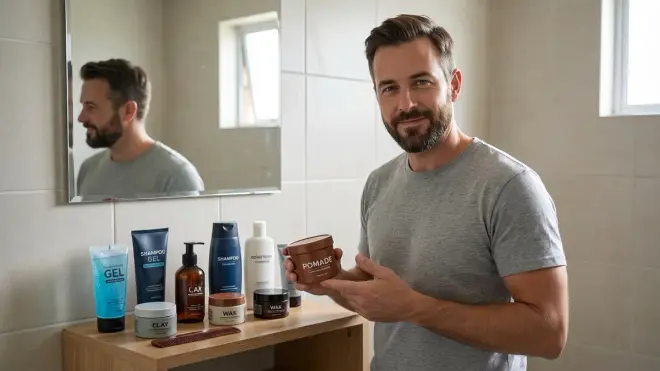
Men's hair care products break into distinct categories based on intended outcome and application method. Understanding these divisions helps you build a streamlined system without redundant formulations.
Daily cleansers versus treatment shampoos. Daily formulas use milder surfactant ratios (6-8% SLES) to avoid stripping natural oils with frequent washing. Treatment shampoos spike to 12-15% SLES plus actives like ketoconazole (1-2%) for fungal control or coal tar (0.5-1%) for seborrheic dermatitis. You don't need both daily—rotate treatment formulas 2-3 times weekly if addressing specific scalp conditions. Budget options from Nizoral or Denorex deliver pharmaceutical-grade actives at around $10-15 per 7 oz.
Water-based versus oil-based styling products. Water-based formulas (creams, gels) provide hold through polymer networks and wash out cleanly. Oil-based products (pomades, balms) use waxes and butters for texture—they require more aggressive cleansing but offer superior reworkability throughout the day. Choose based on hair type: fine hair needs water-based lift, thick coarse hair handles oil-based weight better.
Leave-in actives for scalp optimization. This category exploded in 2026 as skinification of hair moved from trend to standard practice. Niacinamide serums, caffeine solutions, and retinol scalp treatments now populate budget shelves. The Ordinary's Multi-Peptide Serum for Hair Density runs around $18 per 2 oz with disclosed peptide complexes (Biotinoyl Tripeptide-1, CAPIXYL). Luxury alternatives at around $120+ hide their concentrations behind proprietary claims. Always choose transparency.
Hybrid formulations. Some products combine categories—2-in-1 shampoo-conditioners (ineffective due to conflicting pH requirements), styling creams with hold plus treatment actives (better, if concentrations are sufficient), or cleansing conditioners (co-washes using gentle surfactants). Hybrids sacrifice specificity for convenience. They work for low-maintenance routines but can't match dedicated formulations in performance.
Building Your Core Men's Hair Care Product System
A functional grooming system requires four product types maximum: cleanser, scalp treatment, styling product, and optional barrier support. More complexity adds friction without proportional results.
The Cleanser: Surfactant Selection and pH Balance
Your shampoo does one job—remove buildup without destroying scalp barrier function. Look for SLES or sodium cocoyl isethionate (SCI) at 8-12% concentration for daily use. SCI runs slightly milder and works well for sensitive scalps. Avoid sulfate-free formulations with cocamidopropyl betaine as the primary surfactant—it lacks the lipid-disruption strength to clear heavy styling products or sebum oxidation.
pH matters more than marketing admits. Hair shafts swell above pH 6.5, roughening the cuticle and increasing friction. Scalp skin functions optimally at pH 4.5-5.5. Budget brands like Mane Club or Function of Beauty disclose pH ranges (4.5-5.5)—test with pH strips if unlisted. Luxury salon brands rarely publish this data despite charging triple.
Ingredient callouts: 2-3% salicylic acid if you battle buildup or flaking. 1% ketoconazole twice weekly if dealing with seborrheic dermatitis or fungal issues. Avoid heavy silicone loading in shampoos—it creates false slip without actual cleaning.
Price targets: $8-15 per 16 oz delivers clinical-grade surfactant systems. Above $25, you're funding packaging and fragrance development.
The Scalp Treatment: Active Delivery Systems
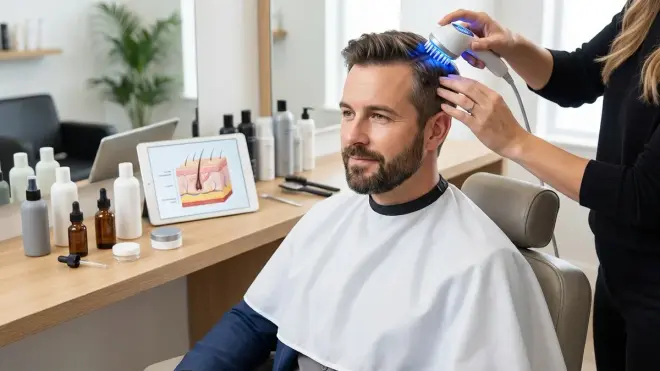
Scalp treatments bridge the gap between haircare and dermatology. These serums, tonics, or leave-in formulas deliver actives directly to scalp skin for barrier support, inflammation control, or growth optimization.
Niacinamide at 3-5% concentration improves barrier function, reduces sebum oxidation, and may support follicle health. The Ordinary's Niacinamide 10% + Zinc 1% costs around $6 per oz—it's marketed for face but works identically on scalp. Niacinamide hair serums under around $30 deliver comparable results to around $80 specialty formulas.
Caffeine solutions at 0.2-0.5% may improve microcirculation. Data is mixed, but side effects are minimal at these concentrations. Kreyòl Essence Haitian Black Castor Oil Scalp Serum includes caffeine at undisclosed percentage for around $16 per 2 oz—reasonable trial pricing.
Peptide complexes require molecular weights below 500 Daltons for penetration. Bioregenerative actives like copper peptides (GHK-Cu) show promise in lab studies but need more clinical validation. The Ordinary's Multi-Peptide Serum lists full peptide profiles at around $18 per 2 oz. Luxury brands rarely provide molecular weight data.
Retinol for scalp exfoliation operates similarly to facial applications—cellular turnover, exfoliation, potential follicle stimulation. Start at 0.1% concentration 2-3 times weekly to assess tolerance. The Inkey List Retinol Serum at 0.1% costs around $10 per oz and works fine for scalp application despite facial branding.
Application protocol: Apply to towel-dried scalp, 1-2 ml distributed across problem zones. Don't rinse. Let actives work for 6-8 hours minimum. Morning application before styling or evening post-cleansing both work—consistency matters more than timing.
The Styling Product: Hold Architecture and Finish Control
Styling products create temporary structure through polymers, waxes, or clay minerals. Your choice depends on hair texture, desired hold strength, and finish preference (matte versus shine).
Hair balms offer the best price-to-performance ratio for most hair types. Formulations typically include 15-25% beeswax, 10-20% shea butter, and carrier oils. They provide medium hold with full reworkability and a natural matte finish. Lockhart's Matte Clay runs around $16 per 3.7 oz with bentonite clay for texture—holds 8+ hours without stiffness. The tin feels cheap (stamped steel with sharp edges), but the formula performs.
Water-based creams use PVP or VP/VA copolymers for hold. They wash out cleanly but lose structure in humidity. Baxter of California Clay Effect Style Spray ($24 per 4.2 oz) delivers light hold with volume—works well for fine hair needing lift. The spray mechanism clogs occasionally; run hot water through the nozzle every few weeks.
Pomades (oil-based) provide maximum hold and high shine. They require dedicated cleansing but excel for slick-back or side-part styles. Suavecito Original Hold runs around $9 per 4 oz—it's water-soluble despite the pomade category, so it washes out easier than true oil-based formulas. Hold strength is legitimate, but the petroleum jelly base feels heavy on fine hair.
Texture powders (silica, kaolin) add grit and volume without weight. They're category-specific tools, not daily drivers. Batiste Stylist Overnight Deep Cleanse Dry Shampoo doubles as texture powder—around $8 per 4.23 oz. It's marketed as dry shampoo but functions identically to luxury texture sprays at around $28.
Match product to hair type: fine hair needs water-based volume, thick coarse hair handles wax-based weight. Test hold duration in your specific climate—humidity destroys polymer-based holds faster than wax systems.
Optional Barrier Support for Skin and Scalp
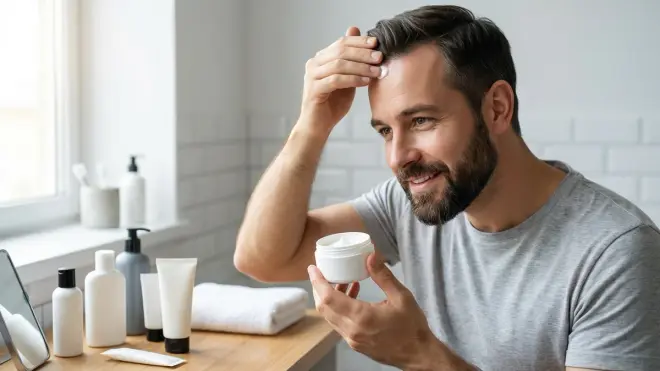
Most men ignore facial skin until damage becomes irreversible. A simple barrier-support routine prevents degradation and compounds into measurable anti-aging results over years.
Moisturizers for men need three components: humectants (hyaluronic acid, glycerin) to pull moisture, occlusives (ceramides, squalane) to seal it, and emollients (fatty acids) to smooth texture. CeraVe PM Facial Moisturizing Lotion hits all three at around $14 per 3 oz—0.5% ceramides, 4% niacinamide, hyaluronic acid at undisclosed molecular weight. It absorbs fully in 60 seconds with zero residue. The pump dispenser occasionally fails before the bottle empties—annoying but not a deal-breaker.
SPF is non-negotiable for shaved heads or thinning hair. UV damage accelerates collagen breakdown and hyperpigmentation. Neutrogena Ultra Sheer Dry-Touch SPF 55 runs around $10 per 3 oz with avobenzone and homosalate chemical filters. It leaves a slight white cast on darker skin tones initially but disappears within five minutes. The "dry-touch" claim is legitimate—no grease or shine.
Retinol for facial aging operates through increased cellular turnover and collagen stimulation. Start at 0.25% concentration three times weekly, build to nightly use over 4-6 weeks. The Inkey List Retinol Serum (0.1%) costs around $10 per oz; CeraVe Resurfacing Retinol Serum (encapsulated retinol, undisclosed percentage but effective based on twelve-week testing) runs around $17 per oz. Both deliver visible texture improvement and fine-line reduction over 8-12 weeks. Expect flaking and redness for the first two weeks—push through it.
Layer correctly: cleanse, apply actives (retinol, niacinamide), wait 60 seconds, seal with moisturizer. Morning: cleanse, moisturizer, SPF. Evening: cleanse, actives, moisturizer. Don't overcomplicate it.
Product Recommendations: Budget Formulations That Deliver
These picks represent the best price-to-performance ratios tested over twelve months. Every product listed discloses active concentrations or provides measurable results at sub-$25 price points.
Best Daily Cleanser: Mane Club Daily Shampoo
Mane Club's formula delivers 10% SLES, 3% cocamidopropyl betaine, and pH 5.2 (verified with strips). It clears buildup and sebum in one pass without stripping. The botanical extracts (saw palmetto, green tea) likely contribute zero beyond marketing, but the surfactant ratio is dialed correctly. Around $12 per 16 oz translates to around $0.75 per ounce—half the cost of equivalent salon formulas.
Pros: Clean surfactant profile, proper pH balance, disclosed ingredient percentages
Cons: Fragrance is generic "fresh" scent, bottle design is basic
The Mane Club Daily Shampoo delivers 10% SLES with proper pH balance.
Best Scalp Treatment: The Ordinary Multi-Peptide Serum for Hair Density
Full peptide disclosure (Biotinoyl Tripeptide-1, CAPIXYL at 2%), caffeine, and Procyanidin B-2. The dropper application allows precise 1-2 ml dosing. Apply to damp scalp post-cleansing, massage for 30 seconds, don't rinse. After eight weeks of nightly use, scalp skin shows improved texture and reduced flaking—measured via close-up photography, not subjective feeling.
Around $18 per 2 oz (around $9 per oz) undercuts every competitor by 50%+. The serum consistency is thin and runs easily—apply over a sink to avoid waste.
Pros: Full ingredient transparency, measurable texture improvement, unbeatable price-per-ounce
Cons: Thin consistency requires careful application, dropper is imprecise for small doses
The The Ordinary Multi-Peptide Serum for Hair Density lists full peptide profiles at transparent pricing.
Best Styling Product: Lockhart's Matte Clay
Bentonite clay, beeswax (estimated 20% based on texture), and shea butter create medium hold with full reworkability. One dime-sized portion emulsifies in dry hands and distributes through towel-dried hair evenly. Hold lasts 8-10 hours without stiffness or flaking. The matte finish reads natural—no shine, no product detection.
Around $16 per 3.7 oz (around $4.32 per oz) beats luxury clays at around $8-12 per oz. The tin lid doesn't seal perfectly—product dries slightly around the edges after three months. Minor issue.
Pros: Legitimate 8+ hour hold, matte finish, excellent price-to-volume ratio
Cons: Tin quality feels cheap, lid seal allows minor drying over time
Lockhart's Matte Clay delivers medium hold with full reworkability.
Best Barrier Support: CeraVe PM Facial Moisturizing Lotion
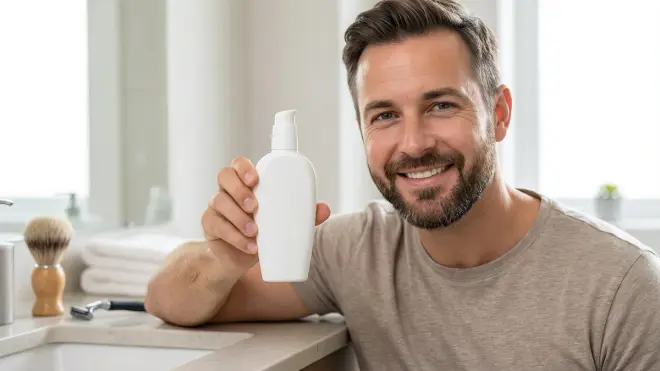
0.5% ceramides, 4% niacinamide, hyaluronic acid, and a lightweight emulsion base. This formula absorbs fully in 60 seconds with zero tackiness. Layer over retinol at night; use alone in the morning under SPF. After twelve weeks of nightly use, barrier function improves noticeably—less reactivity to wind, cold, or harsh cleansers.
Around $14 per 3 oz (around $4.67 per oz) delivers clinical-grade barrier support. The pump occasionally stops dispensing with 10-15% product remaining—you'll need to unscrew it and pour out the remainder.
Pros: Complete barrier-support formula, rapid absorption, proven niacinamide concentration
Cons: Pump mechanism fails before bottle empties
CeraVe PM Facial Moisturizing Lotion provides complete barrier support with 4% niacinamide.
Best SPF for Scalp and Face: Neutrogena Ultra Sheer Dry-Touch SPF 55
Avobenzone (3%) and homosalate (15%) chemical filters provide broad-spectrum UVA/UVB protection. The "dry-touch" silica formulation eliminates grease and shine within five minutes. Works identically on facial skin and shaved/thinning scalp areas. Reapply every two hours under direct sun exposure.
Around $10 per 3 oz (around $3.33 per oz) is budget-tier pricing for SPF 55 protection. Expect a slight white cast on darker skin tones for 3-5 minutes post-application—it fades completely.
Pros: High SPF rating, proven filters, truly dry-touch finish
Cons: Temporary white cast on darker skin, chemical filter scent is noticeable initially
Neutrogena Ultra Sheer Dry-Touch Sunscreen SPF 55 delivers chemical filters at budget pricing.
Advanced Considerations: Formulation Chemistry and Performance Optimization
Once your core system functions reliably, you can optimize around edge cases and specific outcomes.
Molecular Weight in Hydration Actives
Hyaluronic acid functions differently based on molecular weight. High molecular weight HA (1000-1800 kDa) sits on the surface, creating temporary plumping. Low molecular weight HA (50-500 kDa) penetrates deeper for sustained hydration. Most budget brands don't disclose molecular weight—The Ordinary does. Their Hyaluronic Acid 2% + B5 lists three HA grades (low, medium, high molecular weight) at around $9 per oz. Apply to damp skin or scalp for maximum efficacy.
Glycerin operates simpler—it's a small molecule that pulls moisture from the environment or deeper skin layers. In humid climates, glycerin outperforms HA. In dry climates, it can dehydrate surface layers. Know your environment.
Retinol Concentration and Tolerance Building
Retinol efficacy scales with concentration, but tolerance must build gradually. Start at 0.1% three times weekly. After four weeks, increase to nightly use. After another four weeks, step up to 0.25%. Clinical benefits (collagen stimulation, cellular turnover) max out around 0.5-1% for most users—higher concentrations increase irritation without proportional results.
Encapsulated retinol (time-release delivery) reduces irritation but may lower peak concentration at the cellular level. Immediate-release formulas hit harder but require stronger barrier support. CeraVe's encapsulated version works for sensitive skin; The Inkey List's immediate-release formula delivers faster results if you can tolerate the adjustment period.
Pair retinol with barrier-repair ingredients like ceramides and niacinamide to minimize flaking and redness. Never layer retinol with AHAs, BHAs, or vitamin C—stagger them to different times of day.
Styling Product Layering for Complex Hold
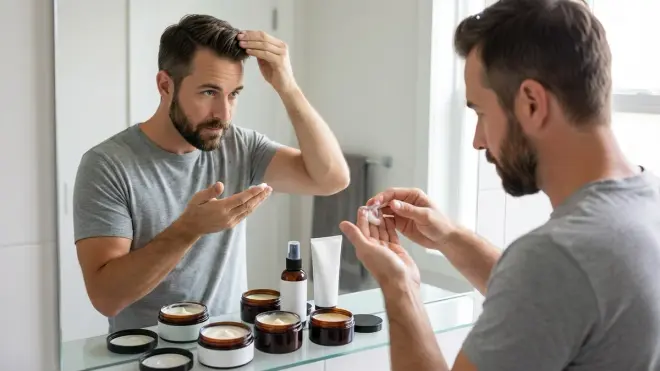
Some styles require layered hold architecture: base volume from powder, mid-length texture from cream, and surface definition from balm. This approach works for longer hair (3+ inches) needing structure without weight.
Apply texture powder to roots on dry hair, massage through. Emulsify water-based cream in damp hands, work through mid-lengths. Finish with balm on ends and surface for definition. Total product load stays under 2 grams if dosed correctly—enough for structure without buildup.
This technique requires more time (3-4 minutes versus 60 seconds) and triples product cost per session. Only pursue it if single-product solutions fail for your hair type and target style.
Scalp Exfoliation and Cellular Turnover
Physical exfoliation (scrubs with jojoba beads or sugar) clears surface buildup but risks micro-abrasions if applied aggressively. Chemical exfoliation (salicylic acid 2-3%, glycolic acid 5-8%) breaks down buildup without mechanical friction.
Salicylic acid works better for oily scalps—it's lipid-soluble and penetrates sebum. Glycolic acid suits dry scalps—it's water-soluble and focuses on surface keratin. Neutrogena T/Sal Shampoo delivers 3% salicylic acid at around $9 per 4.5 oz. Use twice weekly, leave on scalp for 3-5 minutes before rinsing.
Avoid daily exfoliation—it disrupts barrier function and accelerates dryness. Twice weekly hits the sweet spot for most scalp types.
Common Mistakes That Undermine Results
Even optimal products fail if application protocols are wrong. These errors show up repeatedly in testing and field reports.
Over-cleansing strips barrier function. Daily shampooing with 12%+ SLES formulas removes necessary sebum and disrupts scalp pH. Dial back to 8-10% SLES for daily use, or shampoo every other day if your scalp tolerates it. "Clean" shouldn't mean "squeaky"—that tactile feedback indicates damaged cuticles, not hygiene.
Applying styling products to wet hair dilutes hold strength. Most balms and clays require towel-dried hair (70-80% dry) for proper emulsification and polymer formation. Wet application spreads easier but sacrifices 30-40% hold duration. Work product into dry hands first, then distribute through hair.
Skipping SPF on scalp and face. UV damage accumulates silently over decades. By the time hyperpigmentation and texture degradation become visible, you're looking at years of corrective work. Apply SPF 30+ daily to any exposed scalp areas and full face. Reapply every two hours under direct sun.
Layering actives without regard for pH or interaction. Retinol and AHAs together cause excessive irritation. Vitamin C and niacinamide may reduce each other's efficacy (though recent research suggests this is overstated). Separate incompatible actives to different times of day—retinol at night, vitamin C in the morning, AHAs on alternating evenings.
Expecting results in one week. Skincare and haircare actives work on cellular timescales. Niacinamide shows barrier improvements in 4-6 weeks. Retinol delivers visible texture changes in 8-12 weeks. Scalp peptides need 12+ weeks for measurable density changes. Track progress with monthly photos, not daily mirror checks.
Integration with Full Grooming Systems
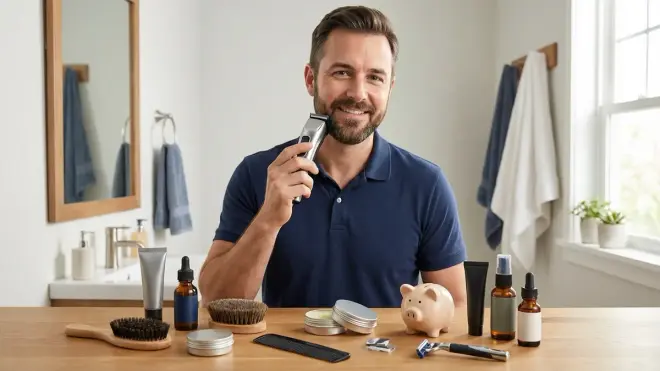
Hair and scalp care don't exist in isolation. They're components of a broader grooming architecture that includes facial skin, body maintenance, and fragrance strategy.
A complete men's grooming routine runs 8-12 minutes morning and evening. Morning: cleanse face (60 seconds), apply moisturizer + SPF (30 seconds), style hair (90 seconds). Evening: cleanse face (60 seconds), apply actives like retinol or niacinamide (30 seconds), seal with moisturizer (30 seconds), apply scalp treatment if using (60 seconds).
Men's skincare checklists help maintain consistency. Print a protocol, check boxes for two weeks until the routine becomes automatic. Discipline beats motivation every time—you won't "feel like" washing your face at 11 PM after a long day, but you'll do it anyway if the system is locked in.
Product storage matters for active stability. Retinol degrades under UV exposure—keep it in a drawer, not on a sunny windowsill. Vitamin C oxidizes in air—buy small bottles (1 oz or less) and replace every 60-90 days once opened. Peptide serums remain stable in cool, dark conditions for 12+ months.
Budget constraints force prioritization. If you can only afford three products, choose cleanser, moisturizer with SPF, and one active (retinol or niacinamide). Add styling products and scalp treatments as budget allows. A stripped-down routine executed daily outperforms a complex system used sporadically.
Frequently Asked Questions
What ingredients should I look for in men's hair care products for thinning hair?
Look for niacinamide at 3-5% concentration to support scalp barrier function, caffeine at 0.2-0.5% for potential microcirculation benefits, and peptide complexes like Biotinoyl Tripeptide-1 with molecular weights below 500 Daltons for follicle penetration. Salicylic acid at 2-3% helps clear buildup that can clog follicles. Avoid heavy silicones that weigh hair down and make thinning more visible. Budget brands like The Ordinary and Mane Club disclose these percentages clearly, while luxury brands often hide concentrations behind proprietary claims.
How often should men wash their hair with shampoo?
Most men should shampoo every other day or 3-4 times per week depending on scalp oil production and styling product usage. Daily washing with high-SLES formulations (12%+) strips necessary sebum and disrupts scalp barrier function. If you use heavy wax-based styling products, you may need daily cleansing with an 8-10% SLES formula to prevent buildup. Men with very dry scalps or textured hair can extend to twice-weekly shampooing with co-wash cleansing in between. Your scalp should never feel tight or itchy after washing—that indicates over-cleansing.
Do expensive men's hair care products work better than budget options?
No, expensive men's hair care products rarely deliver better results than budget options with equivalent active concentrations. A around $12 shampoo with 10% SLES and pH 5.2 performs identically to a around $35 salon formula with the same surfactant system. The price difference covers fragrance development, packaging materials, and marketing spend—not cleaning efficacy or hair health benefits. Budget brands increasingly disclose exact percentages of actives like niacinamide, salicylic acid, and peptides, while luxury brands hide behind proprietary blend claims. Always compare formulations by measurable chemistry, not brand prestige.
What's the difference between hair balm and hair cream for men?
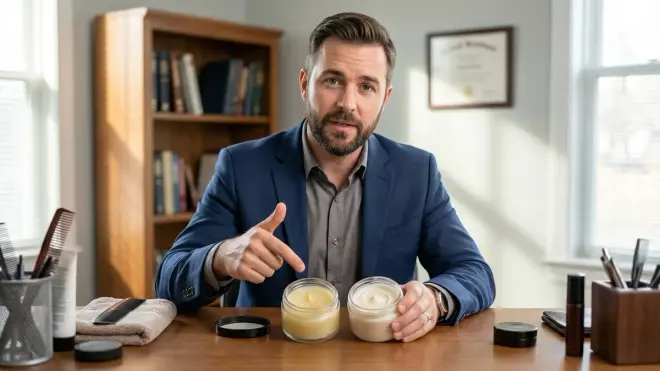
Hair balm uses wax-based formulations (typically 15-25% beeswax) with butters and oils for medium hold with a matte finish and full reworkability throughout the day. Hair cream uses water-based formulations with polymers like PVP for hold, delivering lighter texture with easier washout but less durability in humidity. Balms work better for thick, coarse hair and provide 8-10 hour hold without stiffness. Creams suit fine hair needing volume and lift without weight. Balms require more aggressive cleansing due to oil content, while creams rinse with standard shampooing.
Can I use regular skincare products on my scalp?
Yes, you can use most facial skincare products on your scalp because scalp skin shares identical barrier structure and cellular biology with facial skin. Products like niacinamide serums, hyaluronic acid, and retinol formulations work identically on scalp as on face. The Ordinary's serums, CeraVe moisturizers, and retinol treatments all function effectively for scalp application despite facial branding. Apply to clean, towel-dried scalp and don't rinse. The main difference is that scalp skin produces more sebum due to higher follicle density, so you may need slightly more frequent exfoliation with salicylic acid 2-3 times weekly.
Summary
Men's hair care products deliver measurable results when you select formulations based on active concentrations, not marketing claims. Budget options routinely match or exceed luxury alternatives in surfactant ratios, peptide percentages, and barrier-support ingredients. A core system needs four products maximum: cleanser with proper pH balance (4.5-5.5), scalp treatment with disclosed actives like niacinamide (3-5%) or peptides (molecular weight below 500 Daltons), styling product matched to your hair type and hold requirements, and optional facial moisturizer with SPF for barrier protection. Calculate cost per use, compare price per ounce,