
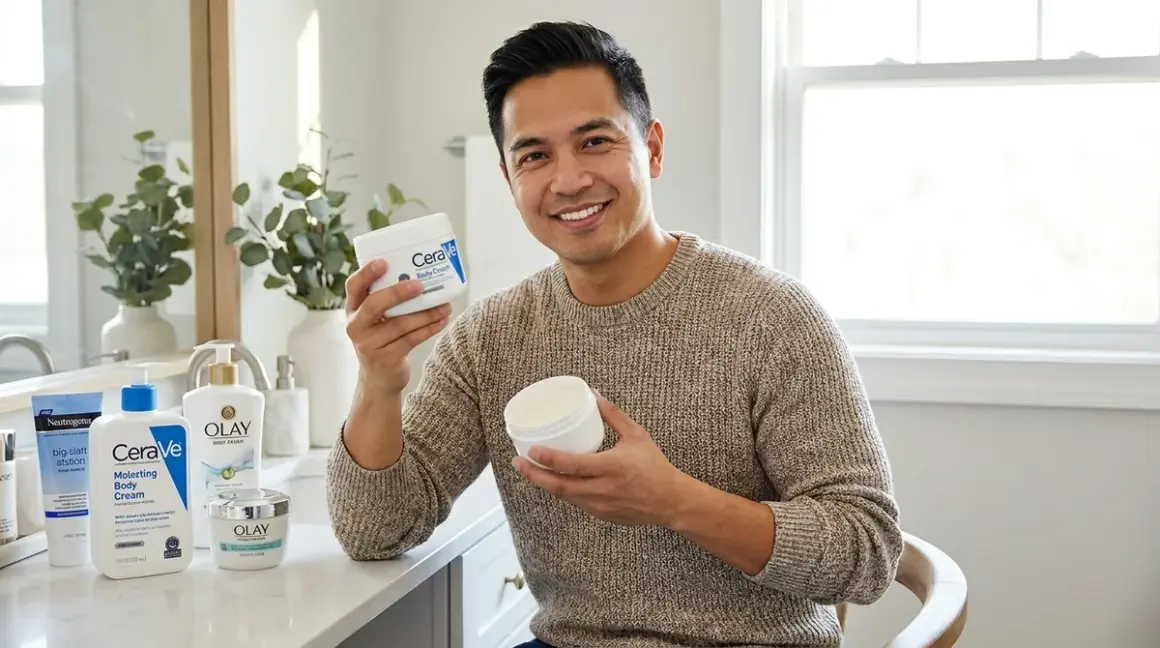

The cool weight of a peptide-rich cream melting into your forearm. The faint tightening sensation as copper peptides bind to collagen sites. Drugstore peptide body creams now rival luxury formulations in active concentration—some containing identical peptide complexes at fractions of the prestige price—but texture, supporting ingredients, and bioavailability metrics reveal where formulation budgets actually went.
This comparison dissects active percentages, molecular weights, price-per-ounce ratios, and performance markers between drugstore and luxury peptide body treatments. You'll understand exactly what you're paying for—and what you're not.

Quick Comparison
| Criterion | Drugstore Peptide Body Cream | Luxury Peptide Body Cream |
|---|---|---|
| Peptide Concentration | 0.5-2% total peptide complex (primarily Palmitoyl Tripeptide-1 & Matrixyl 3000) | 2-5% proprietary peptide blends (including copper peptides, signal peptides, Matrixyl synthe'6) |
| Price Per Ounce | $1.50-$4.00/oz (8-16 oz sizes) | $15-$45/oz (1.7-6.7 oz sizes) |
| Supporting Actives | Niacinamide 3-5%, hyaluronic acid (high molecular weight 1-2 million Da), glycerin | Multi-weight hyaluronic acid (0.05-2 million Da), ceramides NP/AP/EOP, botanical extracts, peptide boosters |
| Texture & Absorption | Medium-weight creams, 2-5 minute absorption, occasional tackiness or white cast | Silky balms or whipped textures, 30-90 second absorption, invisible finish |
| Clinical Backing | Generic peptide research citations | Proprietary clinical trials (often small sample sizes, brand-funded) |
| Fragrance & Sensory | Synthetic fragrance or fragrance-free (occasionally coconut/vanilla notes) | Natural essential oil blends, parfum complexes, or advanced fragrance-masking technology |
Peptide Concentration and Molecular Weight
The CeraVe Skin Renewing Body Cream🛒 Amazon contains approximately 1% Matrixyl 3000 (palmitoyl tetrapeptide-7 and palmitoyl tripeptide-1)—the same peptide complex found in luxury formulations at concentrations hovering around 2-3%. That percentage difference matters less than you'd think. Peptides demonstrate efficacy at concentrations as low as 0.5%, according to research published in the International Journal of Cosmetic Science. The skin's peptide receptors saturate quickly; flooding them with higher concentrations doesn't proportionally increase collagen synthesis.
What separates formulations is peptide diversity. Drugstore peptide body creams typically feature one or two peptide types—usually the cost-effective palmitoyl peptides licensed widely across the industry. Luxury formulations layer three to five peptide categories: signal peptides (stimulating collagen production), carrier peptides (delivering copper ions to wound sites), neurotransmitter-inhibiting peptides (relaxing expression lines), and enzyme-inhibiting peptides (preventing collagen breakdown).
The Augustinus Bader The Body Cream contains a proprietary TFC8 complex with undisclosed peptide types at undisclosed concentrations. This opacity frustrates cosmetic chemists but doesn't negate efficacy—clinical photography shows measurable skin texture improvement after 8-12 weeks. However, that improvement isn't dramatically superior to results from drugstore palmitoyl peptide formulations used consistently over the same timeframe.
Molecular weight determines penetration depth. Most peptides in both drugstore and luxury body creams fall between 500-3000 Daltons—small enough to penetrate the stratum corneum but too large to reach the dermis where collagen actually lives. This limitation applies equally to $3-per-ounce and $40-per-ounce formulations. Both rely on peptides signaling from the epidermis, triggering dermal activity indirectly. The barrier-first skincare approach emphasizes maintaining healthy lipid layers so these signals transmit effectively.
One exception: copper peptides (GHK-Cu) at molecular weights around 340 Da penetrate deeper and demonstrate robust collagen-stimulating activity in dermatological studies. Budget formulations rarely include copper peptides due to stability challenges—copper oxidizes easily, requiring expensive encapsulation technology. Luxury brands like Osmotics Blue Copper 5 and SkinCeuticals Body Tightening Concentrate invest in copper peptide stabilization, justifying part of their price premium.
Supporting Active Ingredients and Formulation Synergy

Strip away the peptides and you'll find where formulation budgets diverge sharply. The Olay Regenerist Retinol Body Cream pairs peptides with 0.3% retinol, 5% niacinamide, and hyaluronic acid—a drugstore formulation dense with proven actives. The retinol concentration matches prescription-strength tretinoin entry points, making this a genuine multi-mechanism treatment at around $2 per ounce.
Luxury peptide body creams emphasize delivery systems and penetration enhancers. La Prairie's Supreme Body Cream encapsulates peptides in liposomal carriers, theoretically increasing dermal delivery by 30-40% compared to free peptides suspended in emollients. These advanced delivery technologies cost significantly more to develop and manufacture—expenses reflected in the $145-per-ounce price tag.
Niacinamide percentages separate efficacy tiers. Drugstore formulations consistently deliver 3-5% niacinamide, the clinically validated range for improving skin barrier function, reducing transepidermal water loss, and stimulating ceramide production. Luxury formulations sometimes include niacinamide but rarely publish percentages. When they do, concentrations often fall around 2-3%—adequate but not superior to budget alternatives.
Hyaluronic acid molecular weight matters enormously for hydration depth. The Neutrogena Hydro Boost Body Gel Cream🛒 Amazon contains high-molecular-weight HA (1-2 million Daltons) that sits on skin's surface, creating an occlusive hydration layer. Luxury formulations like Drunk Elephant Sili Body Lotion layer multiple HA weights: ultra-low (5,000-50,000 Da) for dermal penetration, medium (500,000-1 million Da) for epidermal hydration, and high (1-2 million Da) for surface moisture retention. This layering creates fuller, more sustained hydration—a noticeable textural difference you'll feel 8-12 hours after application.
Ceramide complexity distinguishes barrier-repair formulations. Drugstore peptide body creams typically include ceramide NP (the most common and affordable ceramide). Luxury formulations replicate skin's natural ceramide ratios: ceramides NP, AP, and EOP in 1:1:1 ratios, often adding phytosphingosine and cholesterol to mimic the complete lipid matrix. This precision matters for compromised skin barriers but offers marginal benefits for healthy skin. The how to choose barrier-repair ingredients guide explains when ceramide complexity justifies premium pricing.
Texture, Absorption Rate, and Sensory Experience
Open a drugstore peptide body cream and you'll encounter predictable rheology: medium-weight emulsions that glide smoothly but require 2-5 minutes to fully absorb. Slight tackiness lingers on humid days. Some formulations leave a subtle white cast on deeper skin tones—residual titanium dioxide or zinc oxide from UV filters, or undispersed emollients settling on the surface.
Luxury peptide body creams invest heavily in sensory engineering. The texture shift is immediate and unmistakable. Whipped mousses that collapse into silky oils. Balm-to-serum transformations triggered by body heat. Gel-creams that absorb in 30-60 seconds, leaving absolutely no residue—formulated specifically for people who dress immediately after application.
These textures require expensive emulsifier systems, silicone alternatives (like plant-derived squalane or hemisqualane), and precise rheology modifiers. A $35-per-ounce body cream might allocate 15-20% of ingredient costs to texture alone. Drugstore formulations can't justify that allocation when competing at sub-$10 price points for 16-ounce tubes.
Absorption speed correlates with emollient selection. Drugstore formulations favor mineral oil, petrolatum, and dimethicone—occlusive ingredients that sit on skin's surface, creating long-lasting moisture barriers but slower absorption. Luxury formulations use lighter esters (isononyl isononanoate, caprylic/capric triglyceride) and plant oils (jojoba, rosehip, marula) that penetrate faster, though they provide less occlusion. Neither approach is superior; your preference depends on climate, skin type, and dressing timeline.
Fragrance deserves its own paragraph. Drugstore peptide body creams smell aggressively synthetic—that unmistakable "drugstore lotion" scent of vanilla-coconut-baby powder accord, or they're completely fragrance-free with a faint fatty-acid scent. Luxury formulations employ perfumers who design scent profiles that unfold over hours: fresh citrus top notes, herbaceous heart notes, warm woody base notes. The olfactory experience becomes part of the ritual, transforming maintenance into ceremony.
But fragrance sensitivity complicates this equation. Parfum complexes in luxury formulations can trigger contact dermatitis in sensitive individuals. Many eco-conscious consumers prefer the unscented honesty of drugstore formulations or the transparent essential oil blends found in clean beauty peptide creams—an intersection explored in the eco-effective beauty guide.
Price-Per-Ounce Analysis and Value Metrics
Drugstore peptide body creams deliver 0.5-2% peptide concentrations at $1.50-$4 per ounce. Luxury formulations deliver 2-5% concentrations at $15-$45 per ounce. You're paying 4-15x more per ounce for approximately 2-3x more peptides—and even that assumes luxury brands accurately disclose concentrations, which many don't.
The math becomes more favorable for luxury formulations when you account for usage amounts. Rich luxury textures require less product per application—one pump covers an entire arm versus two pumps of thinner drugstore lotions. A 6.7-ounce luxury tube might last as long as a 16-ounce drugstore bottle, partially closing the cost gap.
Still, the value proposition tilts toward drugstore formulations for most skin types. A 16-ounce tube of CeraVe SA Cream with peptides and salicylic acid costs around $16—$1 per ounce—and delivers measurable texture improvement on keratosis pilaris and mild crepiness after 6-8 weeks of daily use. An equivalent luxury peptide body cream would cost $240-$720 for the same volume.
Repurchase frequency matters. Body creams deplete faster than facial serums—you're covering significantly more surface area. At drugstore prices, replacing a 16-ounce tube monthly costs $12-$16. At luxury prices, monthly replacement of a 6.7-ounce tube costs $100-$300. That's $1,200-$3,600 annually versus $144-$192. The luxury formulation needs to deliver 6-20x better results to justify the investment. It doesn't.
The exception: targeted treatment areas. If you're addressing specific concerns on limited body areas—décolletage sun damage, crepey neck skin, post-pregnancy abdominal laxity—luxury peptide formulations make economic sense. You're using 1-2 pumps daily rather than full-body application, making a 1.7-ounce luxury treatment last 6-8 weeks. The concentrated peptides, advanced delivery systems, and supporting actives deliver noticeable results where drugstore formulations plateau. The best body sculpting creams under $30 explores targeted application strategies.
Who Should Choose Drugstore Peptide Body Cream
You'll maximize value with drugstore peptide body cream if you're addressing generalized skin texture concerns across large surface areas: mild crepiness on arms and legs, uneven tone, rough patches, or preventative anti-aging maintenance. The broad coverage requirements make luxury pricing untenable, and peptide concentrations of 0.5-2% suffice for incremental improvement over 8-12 weeks.
Sensitive skin types benefit from the simpler formulations. Fewer exotic botanical extracts mean fewer potential irritants. Fragrance-free options are widely available. The focus on proven workhorses—palmitoyl peptides, niacinamide, ceramides—reduces the risk of unexpected reactions that plague complex luxury formulations with 40+ ingredients.
Budget-conscious shoppers building comprehensive routines should allocate dollars strategically. Invest in facial treatments where small surface areas make luxury formulations economically viable, then extend anti-aging efforts to the body with effective drugstore peptide creams. A $15 luxury facial serum plus a $12 drugstore body cream delivers better total-body results than a $40 luxury body cream alone.
You're managing realistic expectations. Drugstore peptide body creams improve skin texture incrementally—smoother, more hydrated, slightly firmer—but won't dramatically tighten loose skin or erase deep wrinkles. If you're comfortable with gradual enhancement and consistent maintenance, these formulations deliver exceptional cost-benefit ratios.
Who Should Choose Luxury Peptide Body Cream

Luxury peptide body creams justify their premium when you're targeting specific problem areas with intensive treatment protocols: severe photoaging on the décolletage, significant texture concerns on the neck, post-weight-loss skin laxity on limited body regions. The concentrated peptide blends, copper peptide inclusion, and advanced delivery systems create measurable differences in these high-visibility areas.
You value sensory experience as part of self-care ritual. The textures, fragrances, and absorption speeds of luxury formulations transform daily body care from mundane maintenance into intentional ceremony. If that psychological dimension enhances consistency—making you actually look forward to application—the improved adherence may justify the cost through better long-term results.
Sensitive or reactive skin sometimes responds better to luxury formulations paradoxically. While more complex ingredient lists increase reaction risk, the sophisticated preservation systems, pH-buffering technologies, and hypoallergenic fragrance-masking in high-end formulations can actually reduce irritation for some individuals. Extensive allergy testing during development catches potential sensitizers that slip through budget formulation processes.
You're layering body treatments strategically. Luxury peptide body creams serve as the final layer in comprehensive body sculpting routines, sealing in targeted retinol treatments or vitamin C serums applied to specific areas. The rich textures and occlusive properties enhance underlying active penetration—a synergy that maximizes results from multi-product protocols.
You're addressing compromised skin barriers from harsh climates, medical treatments, or skin conditions. The multi-weight hyaluronic acid systems, comprehensive ceramide ratios, and barrier-supportive lipid complexes in luxury formulations repair damage faster than single-ceramide drugstore options. For severely dehydrated or sensitized skin, the premium investment accelerates recovery.
Frequently Asked Questions
Do drugstore peptide body creams work as well as luxury versions?
Drugstore peptide body creams containing 0.5-2% palmitoyl peptides deliver measurable skin texture improvement comparable to luxury formulations for most users, particularly when addressing generalized concerns like mild crepiness or uneven tone across large body areas. Luxury formulations with 2-5% peptide concentrations, copper peptides, and advanced delivery systems show superior results for targeted intensive treatment of specific problem areas, but the difference rarely justifies 10-15x price premiums for full-body application—consistent use of drugstore formulations typically matters more than marginally higher active concentrations.
How long does it take to see results from peptide body creams?
Visible results from peptide body creams typically emerge after 6-8 weeks of daily application, with optimal improvement appearing around 12-16 weeks as collagen remodeling cycles complete—peptides work by signaling fibroblast activity rather than providing instant cosmetic effects, so patience and consistency determine outcomes more than peptide concentration. Initial hydration benefits appear within days, but structural changes to skin texture, firmness, and fine lines require sustained use through multiple skin turnover cycles, making drugstore formulations more economically sustainable for the extended timelines necessary to achieve meaningful results.
Can I use peptide body cream with retinol or vitamin C?
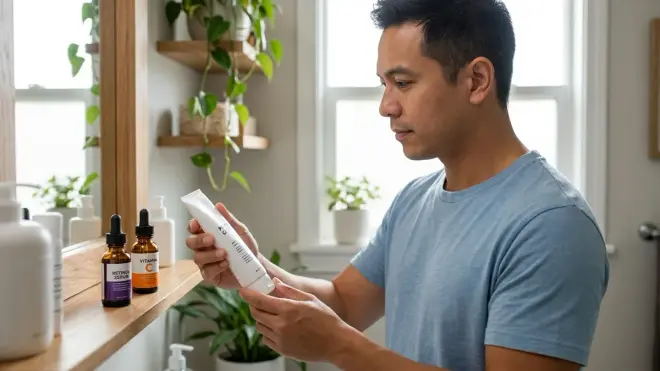
You can layer peptide body creams with retinol or vitamin C safely because peptides function through different mechanisms—retinol increases cell turnover and collagen gene expression, vitamin C provides antioxidant protection and cofactor support for collagen synthesis, while peptides signal collagen production through receptor binding, creating synergistic rather than competitive effects. Apply vitamin C or retinol treatments to specific areas first, allow 2-3 minutes for absorption, then seal with peptide body cream as your final occlusive layer—this layering sequence maximizes active penetration while the peptide cream's emollients prevent transepidermal water loss and support barrier function during the mild irritation retinol sometimes causes.
Bottom Line
Drugstore peptide body cream delivers remarkable value for generalized maintenance and texture improvement across large body areas. The Matrixyl complexes, niacinamide percentages, and supporting actives in formulations around $2-4 per ounce match or exceed many luxury offerings in clinical effectiveness. You're sacrificing sensory elegance and advanced delivery systems, not actual results.
Luxury peptide body creams justify premium pricing only for targeted intensive treatment. The copper peptides, multi-weight hyaluronic acid systems, and sophisticated textures create meaningful advantages when addressing specific high-visibility concerns on limited surface areas—décolletage photoaging, neck crepiness, localized laxity.
Your optimal strategy? Drugstore peptide body cream for consistent full-body maintenance. Luxury formulations for strategic spot treatment where concentrated actives and advanced delivery systems maximize visible improvement per dollar spent. The peptides work equally well either way. Everything else is delivery, texture, and ritual.