
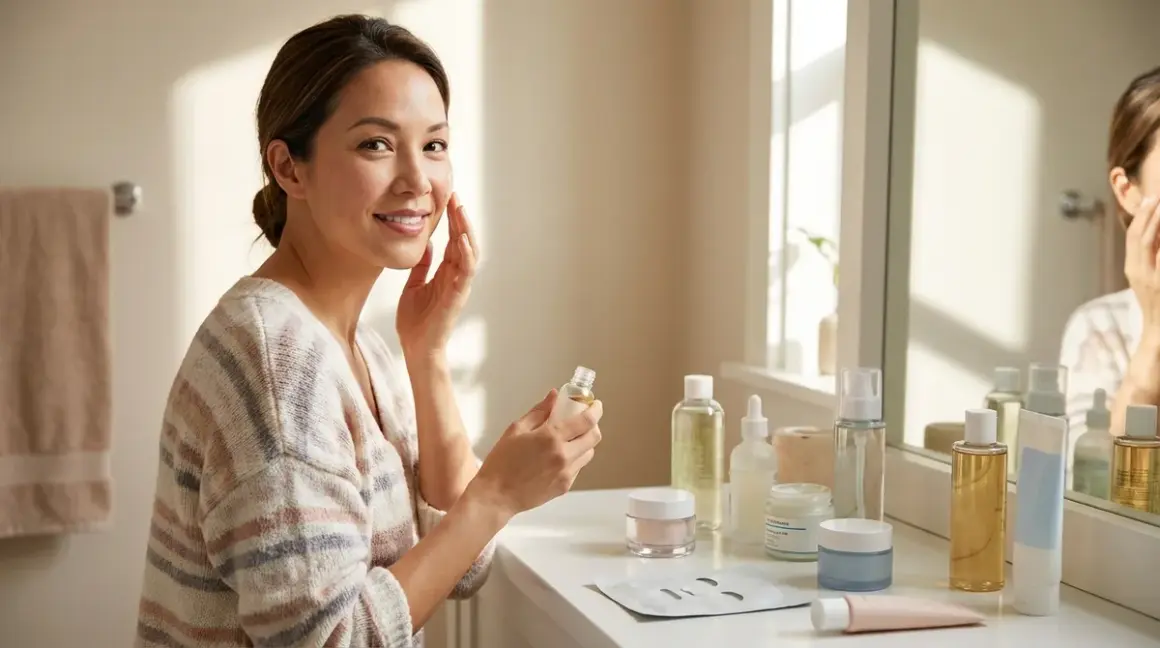

Let's be real: K-beauty routines sound amazing until you're standing in a bathroom at 6 AM with seven bottles and zero idea what order they go in.
Here's the deal—this korean skincare routine checklist breaks down every product you actually need, organized by your specific skin type and concerns. No fluff, no "optional" steps that secretly aren't optional. Just the exact checklist I used to rebuild my routine after pregnancy melasma hit, when I had exactly 8 minutes between my alarm and my first conference call.

You'll get specific formulation breakdowns, time investment per step, and price-per-ounce comparisons so you know what you're actually getting. Because when you're managing a career and a household, every product needs to earn its place on your bathroom counter.
Understanding Your Skin Type Before You Build Your Korean Skincare Routine Checklist
Before you buy anything, spend 30 seconds figuring out what your skin actually needs. I'm not talking about those magazine quizzes—I mean this practical test.
Wash your face with a gentle cleanser, don't apply anything, and check it after one hour:
- Oily: Shiny everywhere, especially T-zone. Pores visible from across the bathroom.
- Dry: Tight, maybe flaky around the nose or cheeks. Feels like you just stepped out of an airplane.
- Combination: Oily T-zone, normal or dry cheeks. The most annoying category because you need targeted treatment.
- Sensitive: Red patches, stinging with new products, visible capillaries. Your skin has opinions and voices them loudly.
- Dehydrated: Oily AND flaky at the same time. Yes, that's possible, and yes, it's as frustrating as it sounds.
I thought I had oily skin for years until a dermatologist explained I was just severely dehydrated from over-cleansing. Changed my entire approach and cleared up the breakouts I'd been fighting since law school.
If you're new to layering Korean products, check out how to layer Korean skincare products for the pH and active ingredient compatibility breakdown. It matters more than you'd think.
Korean Skincare Routine Checklist for Oily and Acne-Prone Skin

Time investment: 6-8 minutes morning, 8-10 minutes evening Monthly cost: around $45-75 for the full routine
Oil cleanser (PM only): Look for lightweight formulations under 15% oil content with squalane or jojoba. COSRX Pure Fit Cica Cleansing Oil dissolves SPF in 45 seconds without leaving residue. Takes 60 seconds, lasts 2+ months at around $0.40/use. Skip if you didn't wear makeup or SPF.
Water-based cleanser (AM/PM): Target 0.5-2% salicylic acid or 5% glycolic acid formulations. Round Lab Birch Juice Moisturizing Cleanser has a pH of 5.0-6.0 (ideal for maintaining barrier function) and costs around $0.33/wash. Morning cleanse takes 30 seconds—don't overthink it.
Exfoliating toner (PM, 2-3x weekly): 7-10% glycolic acid or 2% BHA solutions work. COSRX BHA Blackhead Power Liquid contains 4% betaine salicylate (gentler BHA derivative) at around $0.53/use. Apply with hands, not cotton pads—you're not trying to physically scrub anything. 20 seconds, done.
Hydrating toner (AM/PM): Multiple molecular weights of hyaluronic acid matter here. Look for formulations listing high MW (1-1.5 million Da), medium MW (50,000-500,000 Da), and low MW (5,000-50,000 Da). I'm From Rice Toner contains 77.78% rice extract with natural ceramides and costs around $0.37/use. Pat it in for 15 seconds—your hands should make a slight tapping sound.
Essence (AM/PM): 5% niacinamide minimum for sebum regulation. COSRX Advanced Snail 96 Mucin Power Essence contains 96% snail secretion filtrate with natural zinc and proteins. Viscous texture takes 20 seconds to pat in, lasts 4+ months at around $0.43/use. If you're comparing hydrators, check out Korean snail mucin vs hyaluronic acid—the molecular approach is completely different.
Treatment serum (PM): 0.3-0.5% retinol or 2% retinoid derivative (granactive retinoid). Some By Mi Retinol Intense Reactivating Serum contains 0.1% pure retinol plus 5% niacinamide at around $0.67/use. Start 2x weekly, work up to daily. Apply to dry skin, wait 20 minutes before moisturizer if you're new to retinoids.
Lightweight moisturizer (AM/PM): Gel or gel-cream formulations under 30% oil content. Look for ceramide complexes (2-5% total ceramides) and centella asiatica (madecassoside 0.1%+). Benton Aloe Propolis Soothing Gel contains 80% aloe and 10% propolis extract at around $0.53/use. Takes 15 seconds to absorb completely.
SPF 50+ sunscreen (AM): Chemical filters like octinoxate (7.5%) and uvinul A plus (3%) feel lighter than mineral formulations. Beauty of Joseon Relief Sun has a rice-probiotic base, zero white cast, and costs around $0.40/day for proper 1/4 teaspoon application. Reapply every 2 hours if you're outdoors—I keep a tube in my car.
The biggest mistake I see? Skipping moisturizer because "my skin is already oily." Your skin overproduces oil BECAUSE it's dehydrated. Learn from my three years of fighting my own biology.
Korean Skincare Routine Checklist for Dry and Mature Skin

Time investment: 8-10 minutes morning, 10-12 minutes evening Monthly cost: around $55-90 for the full routine
Oil cleanser (PM only): Higher oil content (20-30%) works here. Banila Co Clean It Zero Cleansing Balm Original melts at body temperature and removes waterproof mascara in 60 seconds. Lasts 3 months at around $0.47/use. The sherbet texture is weirdly satisfying.
Cream cleanser (AM/PM): Sulfate-free formulations with 5%+ glycerin and minimal foaming agents. La Roche-Posay Toleriane Hydrating Gentle Cleanser (not Korean, but the formulation philosophy matches) maintains skin pH at 5.5 and costs around $0.43/wash. Morning cleanse with just water is fine if you're really dry—I did this my entire third trimester.
Hydrating toner (AM/PM): Look for fermented ingredients (galactomyces, bifida, saccharomyces) which have smaller molecular size for better penetration. Missha Time Revolution The First Treatment Essence contains 80% fermented yeast extract with naturally occurring vitamins at around $0.60/use. Layer it 2-3 times (7-layer method) if you're extremely dry—takes 45 seconds total.
Essence (AM/PM): Target peptide complexes (0.5-1% total peptides) and adenosine (0.04%+) for collagen synthesis. Cosrx Hydrium Triple Hyaluronic Moisture Ampoule delivers three HA molecular weights at around $0.73/use. The dropper bottle makes me feel like a scientist at 5:45 AM.
Facial oil (PM): Squalane, rosehip (15-20% linoleic acid), or marula oil work. The Ordinary 100% Plant-Derived Squalane (not K-beauty but perfect formulation) costs around $0.20/use and absorbs in 2 minutes. Mix 2-3 drops with your moisturizer instead of layering separately—saves 30 seconds.
Treatment serum (PM): If you're targeting wrinkles, look for 0.5-1% bakuchiol OR 0.3%+ retinol plus peptides. iUNIK Black Snail Restore Serum contains 70% snail mucin plus 5% niacinamide at around $0.80/use. For deeper anti-aging, explore bioregenerative skincare—the growth factors work differently than traditional actives.
Rich moisturizer (AM/PM): Target 10%+ shea butter, ceramide-dominant formulations (1:1:1 ceramide:cholesterol:fatty acid ratio), or 5%+ centella. Illiyoon Ceramide Ato Concentrate Cream contains ceramide complex at pharmaceutical ratios and costs around $0.63/use. Takes 30 seconds to massage in. For barrier-focused options, see best Korean moisturizers under $25.
Eye cream (AM/PM): Caffeine (2-5%), peptides (specifically Palmitoyl tripeptide-1), and ceramides. Innisfree Orchid Enriched Eye Cream has orchid extract (natural peptides) at around $0.73/use. Pat—don't rub—with your ring finger for 10 seconds per eye.
Sleeping mask (PM, 2-3x weekly): Occlusive formulations with dimethicone (5%+) or petrolatum trap moisture overnight. LANEIGE Water Sleeping Mask contains hydro-ionized mineral water and squalane at around $0.87/use. Apply as your final step, wake up with noticeably plumper skin. I started using this the week I went back to work after maternity leave—looked like I'd actually slept.
SPF 50+ sunscreen (AM): Creamy chemical filters or hybrid formulations. Dr.G Green Mild Up Sun+ has SPF 50+ PA++++ with centella and costs around $0.47/day. Sits well under makeup without pilling.
For comprehensive ingredient breakdowns, check Korean skincare ingredients explained—knowing why fermented galactomyces works changes how you shop.
Korean Skincare Routine Checklist for Combination Skin
Time investment: 7-9 minutes morning, 9-11 minutes evening Monthly cost: around $50-80 for the full routine
Oil cleanser (PM only): Medium viscosity (15-20% oil content) with non-comedogenic oils like jojoba or meadowfoam seed. Hada Labo Gokujyun Cleansing Oil removes SPF in 50 seconds without clogging pores, costs around $0.38/use. Focus massage on your T-zone for 10 extra seconds.
Gel cleanser (AM/PM): Low-pH formulations (5.0-5.5) with mild surfactants like decyl glucoside. Pyunkang Yul Acne Facial Cleanser has willow bark extract (natural salicylic acid precursor) at around $0.40/wash. Your face should feel clean but not tight.
Balancing toner (AM/PM): 5% niacinamide plus beta-glucan for oil control without stripping. Purito Centella Green Level Calming Toner contains 10% centella at around $0.43/use. Apply with hands, focusing extra layers on dry areas. 20 seconds.
Essence (AM/PM): Galactomyces or bifida ferment (30-50%) plus HA. SK-II Facial Treatment Essence is the gold standard but costs around $4.50/use. COSRX Galactomyces 95 Tone Balancing Essence delivers 95% galactomyces at around $0.57/use—nearly identical yeast strain, manufactured in Korea. Pat until tacky, about 15 seconds.
Targeted treatment (PM): Use different products for different zones. 2% salicylic acid spot treatment for T-zone, azelaic acid serum (10-15%) for cheeks if you have redness. Takes 45 seconds to apply both. I keep them in separate dropper bottles labeled with tape.
Lightweight moisturizer (AM): Gel-cream hybrid with 3-5% panthenol and ceramides. Etude House Soon Jung 2x Barrier Intensive Cream has a pH of 5.5 and costs around $0.53/use. Absorbs in 20 seconds.
Richer moisturizer (PM, dry areas only): Apply emollient cream with 5%+ squalane only where needed. Spot-moisturizing saves time and money. 15 seconds.
SPF 50+ sunscreen (AM): Lightweight chemical filters that won't slide off your T-zone by noon. isntree Hyaluronic Acid Watery Sun Gel has 8 types of HA and costs around $0.43/day. Sets to a powder finish in 30 seconds.
Combination skin is all about zone treatment. Don't make my mistake of treating your entire face uniformly—I dealt with simultaneous breakouts AND flaking for months before figuring this out.
Korean Skincare Routine Checklist for Sensitive and Reactive Skin
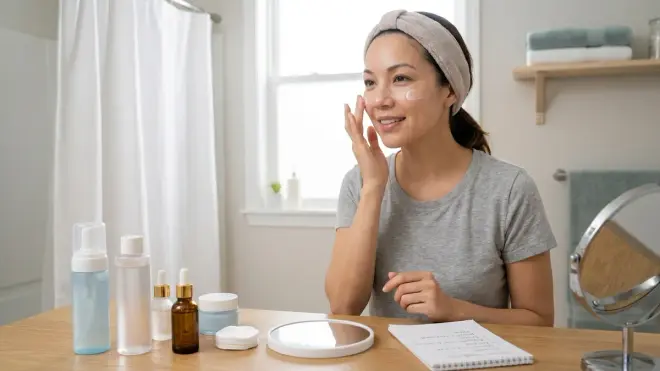
Time investment: 5-7 minutes morning, 7-9 minutes evening Monthly cost: around $40-70 for the full routine
Micellar water or gentle oil cleanser (PM only): No fragrance, no essential oils, minimal ingredients. Bioderma Sensibio H2O (French but the standard) or Kose Softymo Speedy Cleansing Oil work at around $0.35/use. Pat off with a soft cloth rather than rubbing—takes 40 seconds.
Ultra-gentle cleanser (AM/PM): pH 5.5, amino acid-based surfactants only. Etude House Soon Jung 6.5 Whip Cleanser has 6.5 pH specifically for compromised barriers and costs around $0.37/wash. Creates minimal foam. 30 seconds.
Soothing toner (AM/PM): Centella asiatica (minimum 10%), madecassoside (0.1%+), panthenol (5%+). Isntree Green Tea Fresh Toner contains 80% green tea extract with EGCG antioxidants at around $0.47/use. Apply with clean hands, never cotton pads that might cause friction. 15 seconds.
Minimal essence (AM/PM): Stick to single-ingredient or 5-ingredient-maximum formulations. Purito Centella Unscented Serum has 49% centella plus peptides at around $0.60/use. When you're reactive, less is more. Takes 20 seconds to press in gently.
Barrier repair serum (PM): 5:1:1 or 3:1:1 ceramide ratio formulations mimic natural skin lipids. Dr. Jart+ Ceramidin Serum contains 5-Cera Complex at around $1.13/use (pricey but lasts 4+ months). For budget alternatives, see best barrier repair creams under $30.
Minimal moisturizer (AM/PM): Shea butter (10%+), squalane, or dimethicone-based with no actives. Etude House Soon Jung 2x Barrier Intensive Cream (same as combination section) works perfectly at around $0.53/use. Sometimes boring is exactly what inflamed skin needs.
Physical SPF 50+ (AM): Zinc oxide (15-25%) or titanium dioxide (10-15%) are less irritating than chemical filters for sensitized skin. Innisfree Intensive Long Lasting Sunscreen SPF 50+ PA++++ uses zinc oxide at around $0.50/day. Yes, slight white cast. Wear it anyway.
Cicaplast-style cream (as needed): Centella, zinc, and copper peptides for acute irritation. La Roche-Posay Cicaplast Baume B5 (not K-beauty but the formulation works) costs around $0.87/use. I keep this in my purse for flare-ups—apply a thin layer and leave it alone.
If you're dealing with barrier damage, read what is the skin barrier first—understanding the science changed how I approached my post-pregnancy sensitivity issues.
I spent six months with reactive skin after my second pregnancy. The dermatologist's advice? "Use half as many products and double your moisturizer." She was right.
Final Check Before You Go: Your Complete Korean Skincare Routine Checklist
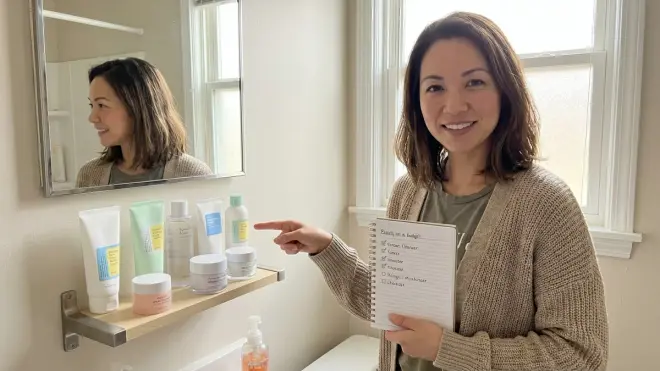
Print this, screenshot it, whatever works—here's your streamlined reference:
Evening (8-12 minutes total):
- Oil cleanser (60 sec)
- Water-based cleanser (30 sec)
- Exfoliating treatment if scheduled (20 sec)
- Hydrating toner (15-45 sec depending on layers)
- Essence (15-20 sec)
- Treatment serum (20 sec + wait time)
- Facial oil if dry (20 sec)
- Moisturizer (20-30 sec)
- Eye cream (20 sec)
- Sleeping mask if scheduled (15 sec)
Morning (5-8 minutes total):
- Water cleanser or water only if dry (30 sec)
- Hydrating toner (15 sec)
- Essence (15 sec)
- Treatment serum if AM-appropriate (20 sec)
- Moisturizer (20 sec)
- Eye cream (20 sec)
- SPF 50+ (30 sec)
Cost reality check: Full routine averages around $1.50-2.50 per day. That's less than a latte and gives you actual results.
Product longevity: Most K-beauty products last 3-4 months with daily use. Buy your core products (cleanser, toner, moisturizer, SPF) first, add treatments monthly as budget allows.
Want to build this systematically? Check out how to start Korean skincare routine for the beginner's progression schedule.
Frequently Asked Questions
How long does it take to see results from a Korean skincare routine?
Most people notice improved hydration and texture within 7-10 days from consistent use of a basic korean skincare routine checklist (cleanser, toner, essence, moisturizer, SPF). Active ingredients like niacinamide show visible brightening around 4-6 weeks, while retinoids require 8-12 weeks for anti-aging results because that's how long cell turnover cycles take. I saw my melasma fade noticeably at the 6-week mark with consistent vitamin C and niacinamide use—but I had to actually stick with it, which meant keeping products where I'd see them every morning.
Do I really need to use all 10 steps in a Korean skincare routine?
No, and most Korean dermatologists don't use all 10 steps themselves—the full 10-step routine is more of a product category framework than a mandatory checklist. A functional korean skincare routine checklist needs 5-7 products: oil cleanser (PM only), water cleanser, hydrating toner, treatment serum, moisturizer, eye cream, and SPF for morning. Add essences, ampoules, or masks based on specific concerns, not because the internet says you need them. I run 7 products and get better results than when I was using 12—the fewer products you use, the easier it is to identify what's actually working.
Can I mix Korean skincare products with Western skincare products?
Yes, absolutely—the korean skincare routine checklist is about layering philosophy and ingredient focus, not geographic product origin. Actives like retinol, vitamin C, and azelaic acid work the same regardless of where they're manufactured, so use whatever formulation your skin prefers at the best price point. I use French SPF, Korean essences, and American retinol in the same routine without issues—just follow proper pH sequencing and wait times between actives. For detailed layering rules, see how to layer Korean skincare products because mixing acids with niacinamide incorrectly can cause flushing.
Final Thoughts

Building your korean skincare routine checklist isn't about buying everything at once or spending hours in the bathroom. It's about understanding what your skin actually needs, then systematically adding products that deliver measurable results at prices that don't make you wince.
Start with the basics—cleanser, toner, moisturizer, SPF—then add one treatment product every 2-3 weeks so you can track what's working. Take photos in the same lighting every Sunday morning. Track your spending in a note on your phone.
The routine that works is the one you'll actually do at 6 AM when you're running late and at 10 PM when you're exhausted. Keep it realistic, keep it effective, and ignore anyone who makes you feel guilty for not using sheet masks daily.
Your skin doesn't care about perfection. It responds to consistency, proper formulations, and enough sleep—though I'm still working on that last one.