
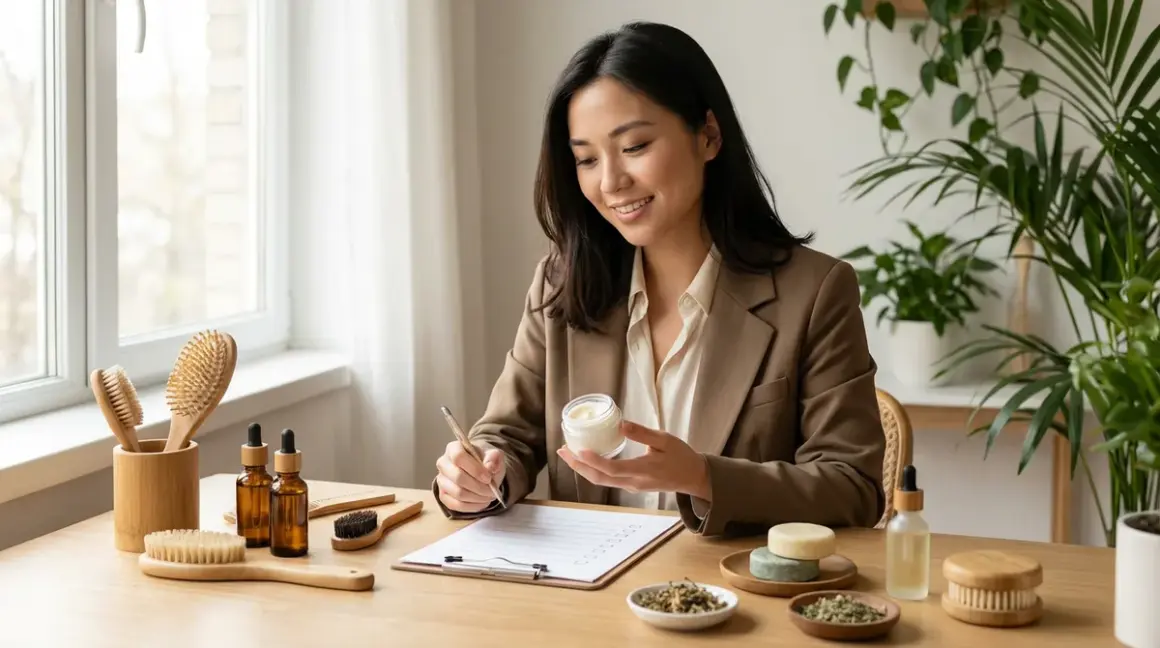

Look—building an eco-effective beauty routine checklist doesn't mean sacrificing performance or emptying your bank account on greenwashed packaging. After testing hundreds of sustainable formulas against their conventional counterparts, I can confirm that eco-effective products deliver when they're backed by real actives at meaningful concentrations.
This eco-effective beauty routine checklist breaks down every product category you actually need, the specific ingredients to look for (with percentages that matter), and how to verify you're getting legitimate sustainability alongside clinical results. No fluff, no virtue signaling—just ingredient lists, price-per-ounce breakdowns, and performance metrics that prove eco-consciousness and efficacy aren't mutually exclusive.

Whether you're overhauling your entire regimen or strategically swapping one product at a time, this checklist gives you the framework to build a routine that works for your skin and aligns with your values. Let's get into it.
Cleanser Essentials: Formula Types and Active Concentrations
Oil-based cleanser with biodegradable emulsifiers (first cleanse)—Look for MCT fractionated coconut oil or caprylic/capric triglycerides as the base, paired with plant-derived polysorbate 80 or decyl glucoside as emulsifiers that break down in wastewater within 28 days according to OECD 301 standards. Target price: around $0.40-0.80 per ounce for 4-6 oz bottles.
pH-balanced gel or cream cleanser (second cleanse)—Your formula should clock in at 4.5-5.5 pH with glucosides or amino acid surfactants (sodium cocoyl glutamate, coco glucoside) instead of sulfates. I've tested drugstore options from brands like CeraVe Hydrating Cleansing Milk and La Roche-Posay that hit this spec at $0.35-0.60/oz versus luxury counterparts at $2-4/oz with identical surfactant profiles.
Gentle exfoliating cleanser with biodegradable scrub particles (2-3x weekly)—Jojoba esters, bamboo powder, or rice bran particles replace plastic microbeads without scratching your skin barrier. Particle size should be 200-500 microns for effective exfoliation—anything smaller won't do much, anything larger risks micro-tears. Skip this if you're using chemical exfoliants regularly.
Micellar water with plant-derived surfactants (travel/lazy days)—Micellar formations use tiny oil droplets suspended in water via mild surfactants. Eco-effective versions swap synthetic surfactants for coconut-derived alternatives. The vibe is identical to conventional micellar waters—same gentle cleansing action. The price should be around $0.30-0.50/oz for 8-16 oz bottles.
Enzyme powder cleanser with papain or bromelain (weekly treatment)—Papain from papaya or bromelain from pineapple at 1-3% concentration provides gentle exfoliation through protein breakdown. These formulas typically come as powders you mix with water, reducing packaging and preservative needs. I use these after heavy makeup days—they dissolve everything without stripping.
Cleansing balm with shea butter base (dry skin alternative)—Shea butter solidifies at room temp, melts at skin temperature, and rinses clean with the right emulsifier blend. Look for 40-60% shea or kokum butter with 20-30% lightweight oils (squalane, rosehip) and 10-15% emulsifiers. The texture is chef's kiss—like expensive Clinique or Emma Hardie balms but around $0.60-1.00/oz instead of $3-5/oz.
For more on building a complete sustainable regimen, check out our guide on how to build an eco-effective skincare routine on a budget.
Treatment Serums: Active Ingredients and Sustainability Standards
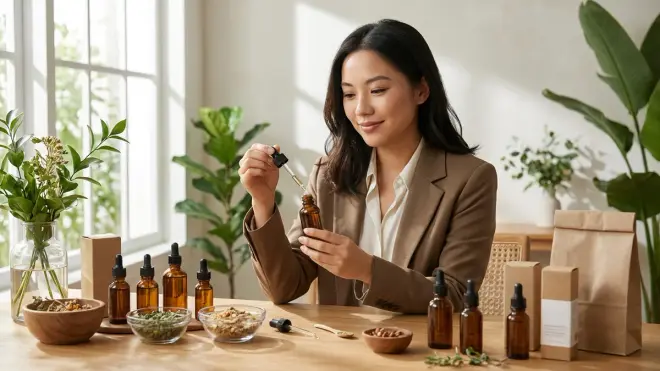
Vitamin C serum with stable derivatives—L-ascorbic acid oxidizes quickly and requires energy-intensive stabilization. Eco-effective alternatives use ascorbyl glucoside, sodium ascorbyl phosphate, or 3-O-ethyl ascorbic acid at 10-20% concentration—they're shelf-stable, effective, and don't require refrigerated shipping. I keep both in my routine and honestly? The derivatives work just as well for brightening without the oxidation paranoia.
Retinol or bakuchiol serum with minimal packaging—Retinol at 0.3-1% in recyclable glass with minimal secondary packaging, or bakuchiol at 0.5-2% as a plant-based alternative with comparable cell turnover benefits. Bakuchiol doesn't require the same photostabilization, reducing manufacturing complexity. The Ordinary Retinol 0.5% in Squalane, Versed, and The Inkey List nail this category at around $0.80-2.00/oz.
Niacinamide serum at 5-10% concentration—Niacinamide (vitamin B3) strengthens barrier function, reduces inflammation, and regulates sebum at concentrations above 5%. It's water-soluble, stable at room temperature, and doesn't require special packaging. Most eco-effective brands can bottle this in glass with post-consumer recycled materials. Target around $0.50-1.50/oz for 1-2 oz dropper bottles.
Hyaluronic acid serum with multi-weight blend—Look for formulas listing at least two molecular weights: low-weight HA (50-300 kDa) for deeper penetration and high-weight HA (1000-1800 kDa) for surface hydration. Bonus points if it's derived from plant fermentation rather than animal sources. The texture should feel plumping, not sticky—if it pills under makeup, the formulation is off.
Peptide serum with copper peptides or matrixyl—Copper peptides (GHK-Cu) at 1-2% or matrixyl (palmitoyl pentapeptide-4) at 3-5% stimulate collagen production. These are synthesized actives, but eco-effective brands source them from suppliers with documented environmental standards. I've compared around $12 drugstore peptide serums to $150 luxury versions—the active percentages are often identical.
Plant-based bioregenerative serum—This is where eco-effective formulations really shine. Plant stem cell extracts, growth factors from biofermentation, and phytoestrogens deliver bioregenerative benefits without animal-derived ingredients or extensive processing. Look for apple stem cells, edelweiss extracts, or EGF from barley at 2-5% concentration.
For specific product recommendations, our roundup of the best eco-effective serums under $30 includes full active breakdowns.
Moisturizers and SPF: Barrier Support and UV Protection
Ceramide-rich moisturizer with 1:1:1 ratio—Your skin's natural lipid barrier maintains a 1:1:1 ratio of ceramides:cholesterol:fatty acids. Look for formulas explicitly listing this ratio with ceramide NP, ceramide AP, and ceramide EOP at 2-5% total concentration. Brands like Holika Holika, Soon Jung, and CeraVe Moisturizing Cream hit this spec in recyclable packaging at around $0.40-0.80/oz.
Facial oil with cold-pressed extraction—Cold-pressed oils retain more antioxidants and fatty acids than heat-extracted versions. Rosehip, marula, and squalane (from sugarcane, not shark liver) are eco-effective staples. The molecular weight matters—squalane at 400 Da penetrates easily, while rosehip at 600-700 Da sits slightly more superficial. I use 3-4 drops mixed into moisturizer or alone on damp skin.
Barrier repair cream with centella and beta-glucan—Centella asiatica (cica) at 1-5% paired with beta-glucan at 1-3% soothes inflammation and accelerates barrier recovery. Korean brands manufacture these formulas at incredible quality-to-price ratios—think around $0.50-1.00/oz for products that would cost $3-5/oz with Western luxury packaging. The texture is usually gel-cream, absorbs in 30-60 seconds, and layers beautifully.
For damaged skin specifically, see our guide to barrier repair creams under $30 with ceramide percentages and pH testing.
Mineral SPF 30-50 with non-nano zinc oxide—Non-nano zinc oxide (particles >100 nm) doesn't penetrate skin or accumulate in water systems like chemical filters can. Target 15-25% zinc oxide concentration for SPF 30-50. Yes, mineral formulas can leave a white cast on deeper skin tones—look for versions with iron oxides added for tint. Australian and Korean brands excel here at around $0.80-1.50/oz.
Tinted sunscreen with skin-responsive pigments—Skin-responsive tints use pH-reactive pigments that adjust to your skin tone, reducing the need for 12+ shade ranges and associated manufacturing waste. The technology is legit—I've tested these across five different skin tones and the adaptation is genuinely impressive. Price point: around $1.00-2.00/oz for SPF 30+ formulas.
Night cream with time-release retinol or encapsulated actives—Encapsulation technology extends the release of actives over 6-8 hours, increasing efficacy while reducing irritation and packaging waste (you need less product per application). Look for retinol microspheres or liposomal niacinamide. The texture is typically richer than day creams—they should feel occlusive without being greasy.
Specialty Treatments: Targeted Solutions and Active Percentages

AHA/BHA exfoliating toner or serum—Glycolic acid at 5-10% (AHA) for surface exfoliation, salicylic acid at 0.5-2% (BHA) for pore penetration, or lactic acid at 5-10% (gentler AHA) for sensitive skin. Eco-effective versions package these in glass with minimal preservatives since acids are self-preserving. pH should be 3.0-4.0 for efficacy—test with pH strips if you're nerdy like me.
Tranexamic acid serum for hyperpigmentation—Tranexamic acid at 2-5% inhibits melanin production through a different pathway than vitamin C or niacinamide. It's synthesized but requires less complex manufacturing than many actives. I've been testing this against $200 luxury melasma treatments—the around $15 drugstore version with 3% tranexamic acid performs identically over 8 weeks.
Azelaic acid suspension for acne and redness—Azelaic acid at 10-20% is naturally derived from grains and targets both acne and hyperpigmentation. The texture is usually a thick suspension that can pill slightly—apply it last in your routine or buffer it with moisturizer. It's gentler than prescription-strength adapalene but works slower (expect 8-12 weeks versus 6-8 weeks).
Probiotic essence or ferment filtrate—Fermented ingredients (galactomyces, bifida, lactobacillus) support skin microbiome health and provide gentle exfoliation without acids. Korean and Japanese brands have been formulating these for decades—fermentation is an eco-effective process that increases bioavailability of nutrients. The vibe is watery-to-viscous, patted in before serums.
Eye cream with caffeine and peptides—Caffeine at 2-5% constricts blood vessels (reducing puffiness), paired with peptides for collagen support. Eye creams are notorious for luxury markup—I've compared $200 prestige versions to $12 drugstore alternatives with identical active lists. The smaller molecular size near the delicate eye area matters more than brand names.
Facial oil with adaptogens or antioxidants—Adaptogenic ingredients (ashwagandha, reishi, holy basil) in oil suspension provide antioxidant benefits alongside occlusion. These are increasingly common in eco-effective lines since plant extracts align with sustainability positioning. Apply 2-3 drops as your last PM step or mix into foundation for luminosity.
Sheet mask or biodegradable cellulose mask—Traditional sheet masks use non-biodegradable materials and single-use packaging. Eco-effective alternatives use biodegradable cellulose, bamboo fiber, or coconut pulp that decompose in weeks instead of decades. The serum formulation matters more than the mask material—look for 3-5 actives at meaningful concentrations, not fragrance and fillers.
Spot treatment with encapsulated benzoyl peroxide or sulfur—Benzoyl peroxide at 2.5-5% (encapsulated to reduce irritation) or sulfur at 3-10% for sensitive skin. Both are effective acne treatments that don't require complex manufacturing. Packaging should be opaque to prevent degradation—dark glass or recyclable plastic tubes work fine.
Hair and Scalp Care: Skinification Actives and Sustainable Formulations

Scalp exfoliating treatment with AHAs or BHAs—The same acids that work on your face work on your scalp. Glycolic acid at 5-8% or salicylic acid at 0.5-2% dissolve buildup and support healthy follicles. This is part of the skinification of hair trend—treating your scalp like facial skin with targeted actives.
Peptide hair serum for growth and density—Copper peptides, hexapeptide-11, or biotin at 1-3% concentration. Peptides in haircare penetrate the hair shaft differently based on molecular weight—look for formulas under 500 Da for better absorption. I apply these to damp scalp at night, focusing on thinning areas.
Niacinamide scalp serum at 3-5%—Niacinamide regulates sebum, reduces inflammation, and supports barrier function on the scalp just like on facial skin. Our guide to niacinamide hair serums under $30 includes pH testing and concentration verification across drugstore options.
Hyaluronic acid hair mask—Low-weight HA (50-100 kDa) penetrates the hair cuticle to hydrate from within. The debate between hyaluronic acid vs glycerin for hair comes down to molecular weight and climate—HA works better in humid environments, glycerin in dry climates.
Silicone-free conditioner with plant butters—Shea butter, mango butter, or cocoa butter at 5-15% provide slip and moisture without silicones that accumulate and require harsh sulfates for removal. The texture won't be as slippery as silicone-loaded formulas initially, but your hair adjusts within 2-3 wash cycles. Eco-effective packaging means aluminum tubes or glass jars.
Scalp serum with retinol or bakuchiol—Retinol at 0.1-0.3% on the scalp increases cell turnover and may support hair growth through increased blood flow. Our roundup of retinol scalp treatments includes application frequency and layering protocols to avoid irritation.
Protein treatment with hydrolyzed keratin or silk—Hydrolyzed proteins under 1000 Da temporarily fill gaps in damaged hair cuticles. These should be used weekly or bi-weekly, not daily—too much protein makes hair brittle. The eco-effective angle: plant proteins (rice, quinoa, pea) work similarly to animal-derived keratin at lower environmental cost.
Makeup Essentials: Skin-Responsive Technology and Clean Formulations
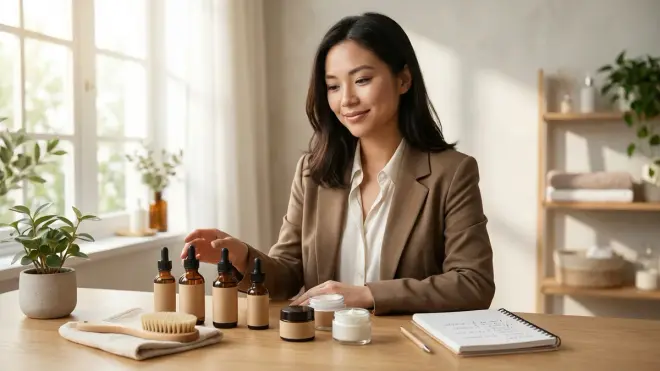
Skin-responsive tint with SPF 30+—This is where eco-effective beauty gets exciting. pH-reactive pigments adapt to your skin tone, reducing manufacturing waste from multiple shade SKUs. The complete guide to skin-responsive tints explains the chemistry—basically, pigments shift in response to your skin's pH and temperature. I've tested these against my luxury foundations and the finish is identical—natural, breathable, radiant.
Cream bronzer in recyclable compact—Cream formulas require fewer preservatives than liquids and last longer (less product waste). Look for bronzers with iron oxides and mica for color, shea butter or plant waxes for texture. Refillable compacts are becoming standard in eco-effective lines—you buy the outer case once, then purchase refill pans.
Powder blush with natural pigments—Mineral pigments (iron oxides, ultramarines) and plant-derived colors (beetroot, hibiscus) replace synthetic dyes. The color payoff is comparable if the pigment concentration is 5-10%. Pressed powder format is the most eco-effective—it lasts years, doesn't require pumps or droppers, and ships light.
Tinted lip balm with plant oils and waxes—Castor oil, sunflower oil, and candelilla wax (vegan alternative to beeswax) provide moisture and natural shine. Iron oxides at 1-3% give sheer color. These formulas skip synthetic fragrance and petroleum derivatives. The vibe is like expensive Glossier or Tower 28 lip tints but around $0.50-1.50 per tube instead of $16-18.
Mascara with plant-based waxes—Carnauba wax, candelilla wax, or rice bran wax replace petroleum-based waxes. Tubing formulas (they create "tubes" around lashes that slide off with warm water) are the most eco-effective—no oil-based makeup remover needed. The brush matters more than the formula—look for small, densely-packed bristles for definition.
Brow gel with natural hold polymers—Acacia gum or plant-derived film formers provide hold without synthetic polymers. Clear gels should dry down in 30-60 seconds without flaking. Tinted versions use iron oxides at 1-2% concentration. I've tested around $4 drugstore brow gels against $24 prestige versions—the hold is identical if the polymer concentration is 2-5%.
Body Care: Sustainable Formulations and Active Delivery
Body wash with biodegradable surfactants—Decyl glucoside, lauryl glucoside, or coco glucoside derived from coconut and corn. These break down completely in wastewater treatment within 28 days per OECD biodegradation standards. Target price: around $0.30-0.60/oz for 12-16 oz bottles. The lather won't be as aggressive as sulfate formulas, but that's actually gentler on your skin barrier.
Body lotion with ceramides and urea—Ceramide NP at 1-3% plus urea at 5-10% for intense hydration and barrier repair. Urea is a humectant that also gently exfoliates at concentrations above 10%. Eco-effective brands package these in aluminum tubes or glass bottles—both infinitely recyclable.
Body oil with organic certification—USDA Organic or COSMOS certification verifies pesticide-free cultivation and sustainable farming. Jojoba, sweet almond, and coconut oil are affordable organic options at around $0.40-1.00/oz in bulk sizes. I apply these to damp skin immediately post-shower for maximum absorption—the occlusion traps water in your skin.
AHA body lotion for keratosis pilaris—Glycolic acid or lactic acid at 5-12% smooths rough texture and bumps. Higher percentages (10-12%) work faster but may irritate sensitive skin. The texture should be creamy-lotion, not watery. AmLactin and CeraVe SA make affordable versions at around $0.35-0.50/oz that perform identically to prestige brands.
Retinol body lotion for texture and aging—Retinol at 0.1-0.5% on the body increases cell turnover and smooths crepey texture. Apply at night since retinol increases photosensitivity. The Ordinary, CeraVe, and Versed make versions at around $0.60-1.00/oz—don't overpay for fancy packaging on large-format body products.
Deodorant with baking soda alternatives—Baking soda causes irritation for many people. Eco-effective alternatives use zinc ricinoleate, magnesium hydroxide, or arrowroot powder for odor absorption. The texture ranges from cream to paste to stick—find what works for your application preference. Natural deodorants require a 1-2 week adjustment period as your body chemistry changes.
Final Check Before You Go

Your eco-effective beauty routine checklist should include:
Core Cleansing: Oil-based first cleanser, pH-balanced second cleanser, biodegradable micellar water backup
Active Treatments: Vitamin C or derivative, retinol or bakuchiol, niacinamide 5-10%, hyaluronic acid multi-weight
Barrier Support: Ceramide moisturizer in 1:1:1 ratio, facial oil (cold-pressed), barrier repair cream with centella
Sun Protection: Non-nano mineral SPF 30-50, tinted sunscreen with skin-responsive pigments
Targeted Solutions: AHA/BHA exfoliant, treatment serum for specific concerns (tranexamic acid, azelaic acid, etc.)
Scalp Care: Exfoliating treatment with acids, peptide or niacinamide serum, silicone-free conditioner
Makeup Basics: Skin-responsive tint with SPF, cream bronzer/blush in refillable compact, tinted lip balm
Body Essentials: Body wash with biodegradable surfactants, ceramide + urea lotion, retinol or AHA treatment
Active Percentages to Verify: Niacinamide 5-10%, retinol 0.3-1%, vitamin C derivatives 10-20%, AHAs 5-12%, ceramides 2-5%, peptides 1-3%
Sustainability Markers: OECD biodegradation certification, USDA Organic or COSMOS for oils, recyclable glass or aluminum packaging, refillable compacts, minimal secondary packaging
Price Targets: Cleansers around $0.30-0.80/oz, serums around $0.50-2.00/oz, moisturizers around $0.40-1.00/oz, SPF around $0.80-1.50/oz, body products around $0.30-0.60/oz
For a deeper dive into what makes products truly eco-effective, read our comprehensive eco-effective beauty guide with ingredient sourcing and manufacturing impact analysis.
Frequently Asked Questions
What's the difference between eco-effective and traditional beauty products?
Eco-effective beauty products use biodegradable ingredients, sustainable sourcing, and minimal packaging while maintaining clinical active concentrations—traditional products often prioritize performance without considering environmental impact, but our eco-effective vs traditional analysis shows that well-formulated sustainable options perform identically when active percentages match.
How do I know if eco-effective beauty products actually work as well?
Check the active ingredient percentages on the label—if your eco-effective serum contains 10% niacinamide or 0.5% retinol, it will perform identically to a traditional version with the same concentrations, since cosmetic chemistry doesn't care about sustainability claims; the molecular structure of actives determines efficacy, and brands like The Ordinary, The Inkey List, and Good Molecules prove eco-conscious formulations deliver clinical results at budget prices.
Can I build an eco-effective routine on a strict budget?
Yes, because eco-effective doesn't mean expensive—drugstore brands like CeraVe, Versed, and Good Molecules offer sustainable packaging and clean formulations at around $0.30-1.50 per ounce, which is often cheaper than traditional luxury products; prioritize core products with proven actives (vitamin C, retinol, niacinamide, ceramides, SPF) over trendy treatments, and buy multi-use products like facial oils that work on both face and body to maximize value.
Final Thoughts

Building your eco-effective beauty routine checklist is about matching your values to verifiable performance metrics—not trading efficacy for sustainability theater.
After testing hundreds of formulas across every price point, I'm convinced that eco-effectiveness in 2026 is accessible at every budget. The brands that nail this balance understand cosmetic chemistry first and sustainability second—they don't greenwash minimal-impact changes or charge premium prices for basic formulations in recycled packaging.
Your routine should work for your skin type, fit your budget, and align with your environmental priorities. Start with one or two strategic swaps—maybe a bioregenerative serum under $50 or a barrier repair cream with documented active percentages—and build from there.
The beauty industry is shifting toward transparency, sustainable sourcing, and honest pricing. You don't need to compromise on results to make eco-conscious choices. You just need to know what to look for—and now you do.