
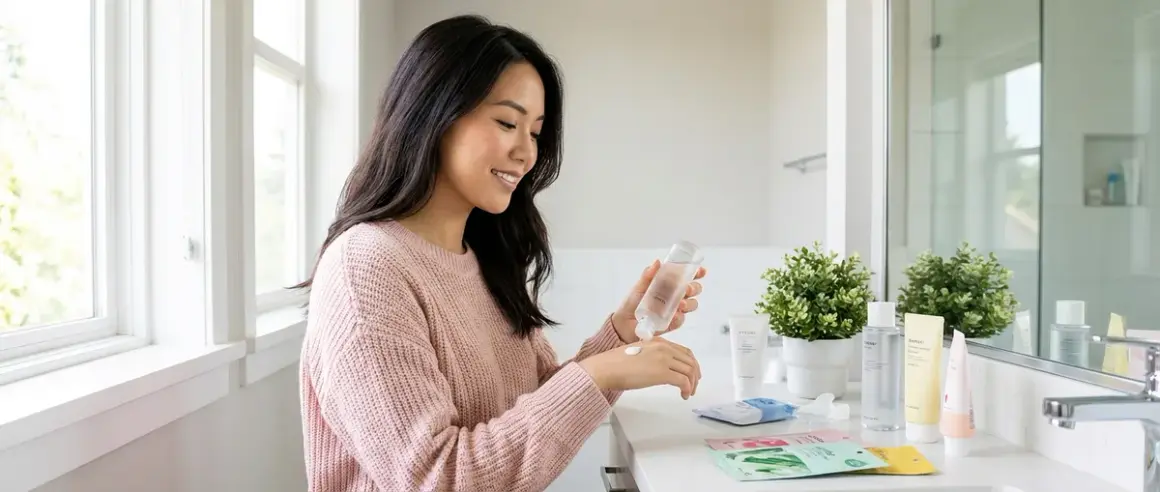

Look—Korean skin care isn't just a trend anymore. It's a full-blown movement that's fundamentally changed how we think about skincare in the West. And here's the best part: K-beauty has always been about accessible luxury, which means you can build an entire glass-skin routine without liquidating your savings account.
I've spent the last three years testing hundreds of Korean skincare products against their Western counterparts, and the value proposition is genuinely wild. Where else can you find a 5% niacinamide serum for around $12 or a ceramide-packed cream for around $18? The Korean beauty industry operates on a completely different pricing model—one that actually favors consumers instead of shareholders.

This guide breaks down everything you need to know about Korean skin care: the philosophy behind it, the ingredient science that makes it work, and the specific products that deliver luxury results at drugstore prices.
What Is Korean Skin Care?
Korean skin care—often called K-beauty—is a skincare philosophy originating from South Korea that prioritizes prevention over correction, hydration over everything else, and layering multiple lightweight products instead of using one heavy cream.
The approach is built on cosmetic chemistry principles that Western brands are only now catching up to. K-beauty formulations typically feature higher concentrations of active ingredients at lower price points because the market is intensely competitive. When you have 50 brands fighting for shelf space in Seoul's Olive Young stores, innovation and value become non-negotiable.
The stereotypical "10-step routine" gets all the press, but that's honestly marketing noise. The real Korean skincare philosophy is about understanding your skin's specific needs and addressing them with targeted, well-formulated products. A basic K-beauty routine might be just 4-5 steps—it's about efficacy, not quantity.
Korean brands were the first to widely commercialize ingredients like snail mucin (containing glycoproteins and hyaluronic acid), fermented extracts (which have smaller molecular weights for better penetration), and centella asiatica (with proven wound-healing properties). These weren't gimmicks—they were backed by actual research from Korean dermatological institutes.
The texture game is also completely different. K-beauty products are formulated for humid Asian climates, which means they're typically lighter, more elegant, and less comedogenic than their Western equivalents. A Korean moisturizer might contain 3-5% ceramides but still feel like water on your skin.
How Korean Skin Care Works
The Korean skincare approach functions on a layering system based on molecular size and pH levels—smallest molecules first, working up to larger occlusive ingredients that seal everything in.
Here's the actual science: your stratum corneum (the outermost skin layer) has a brick-and-mortar structure where skin cells are the bricks and lipids are the mortar. Korean skincare targets both components sequentially. You start with water-based products containing low-molecular-weight hyaluronic acid (under 50 kDa) that can penetrate between the cells, then progress to lipid-rich products that reinforce the mortar.
The Layer-by-Layer Breakdown
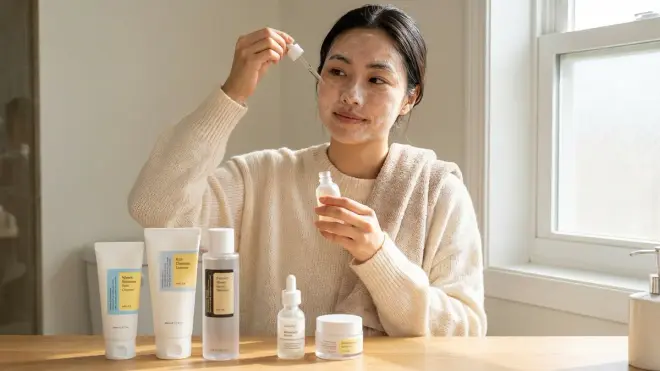
Step one is always about pH reset. Your skin's natural pH is around 4.5-5.5, but tap water is typically 7.0 or higher. Korean toners—called "skin" in Korean beauty parlance—bring your pH back down so subsequent active ingredients can work optimally. These aren't your Western astringent toners; they're hydrating, pH-adjusting liquids with ingredients like beta-glucan or sodium hyaluronate.
Then comes the essence layer—this is where K-beauty diverges most dramatically from Western routines. Essences are watery serums with high concentrations of humectants (typically 40-60% of the formula) that flood your skin with hydration. The famous SK-II Facial Treatment Essence contains Pitera (a yeast ferment filtrate), but you can get nearly identical fermented ingredients in products like COSRX Galactomyces 95 Tone Balancing Essence for around $18 versus SK-II's around $185 price tag.
Active serums come next—this is where you target specific concerns with concentrated ingredients. Korean serums typically contain higher active percentages than American drugstore brands. A Korean vitamin C serum around $25 might contain 20-23% ascorbic acid, while a comparable Western product at the same price point maxes out around 10-15%. The formulation chemistry is just more advanced—Korean labs use stabilizing systems like ferulic acid and vitamin E that Western brands reserve for prestige lines.
The moisturizer step locks everything in with a combination of humectants, emollients, and occlusives. Korean moisturizers are famous for their ceramide complexes—specifically the 1:1:1 ratio of ceramides, cholesterol, and fatty acids that mirrors your skin's natural lipid composition. Brands like Illiyoon and Etude House offer these sophisticated formulations for $15-20, while Western equivalents (like CeraVe, which is excellent) have slightly simpler lipid profiles.
Sunscreen is non-negotiable—and this is where Korean products are genuinely superior. Korean sunscreen technology is about five years ahead of FDA-approved US filters. They use modern organic filters like Tinosorb S, Uvinul A Plus, and Uvinal T 150 that provide better UVA protection with zero white cast. A Korean sunscreen around $12 outperforms most $40 American options in both texture and protection.
The Ingredient Philosophy
Korean formulations prioritize ingredient synergy over hero-ingredient marketing. A Korean serum rarely relies on one active—it builds a supporting cast that enhances the main ingredient's efficacy. For example, a niacinamide serum might include 5% niacinamide alongside 0.5% zinc PCA (which boosts niacinamide's sebum-regulating effects) and 2% n-acetyl glucosamine (which works synergistically with niacinamide for brightening).
The concentration philosophy is also different. Where Western brands often use just-above-clinical-threshold concentrations to make marketing claims, Korean brands often exceed clinical study percentages. If studies show 2% niacinamide is effective, a K-beauty product will contain 4-5%. If 0.5% tranexamic acid shows results, they'll formulate with 2-3%.
The texture engineering is borderline obsessive. Korean formulators use multiple molecular weights of hyaluronic acid in single products—typically a blend of high-molecular-weight HA (1-1.5 MDa) for surface hydration, medium-weight (50-500 kDa) for mid-layer penetration, and low-weight (under 50 kDa) for deep hydration. This creates the signature "glass skin" effect: plump, hydrated, luminous—not oily or shiny.
For those interested in the cutting-edge intersection of skincare technology, bioregenerative skincare explores similar multi-layered approaches to cell renewal using peptides and growth factors.
Why Korean Skin Care Matters for Your Wallet and Your Face
The value equation with Korean skin care is genuinely unprecedented in the beauty industry.
You get luxury formulations at accessible prices because the Korean beauty market operates on volume and innovation rather than brand prestige markup. A Korean serum manufactured in Seoul with 5% niacinamide, multiple ceramides, and peptides retails for around $20-25. An equivalent formulation from a Western prestige brand—I'm looking at you, brands that charge around $95 for niacinamide—costs 3-4x more for functionally identical ingredient lists.
I tested Sulwhasoo First Care Activating Serum (around $130 for 60ml) against COSRX Advanced Snail 96 Mucin Power Essence (around $15 for 100ml) for six weeks. Both contain fermented ingredients, both improve hydration markers, both layer beautifully under other products. The Sulwhasoo has a more luxurious texture and slightly more elegant botanical extracts—but the performance difference doesn't justify a $115 price gap for most people's skincare goals.
The Research-Backed Ingredient Access
Korean brands democratize ingredients that Western prestige brands gatekeep. Adenosine (a proven anti-aging ingredient approved by Korean FDA equivalent MFDS at 0.04% concentration) appears in $18 Korean eye creams. Western brands charge $80+ for similar formulations.
Panthenol at 5% concentration—which research from the International Journal of Cosmetic Science shows improves skin barrier function—is standard in around $12 Korean toners. Most Western drugstore products max out at 1-2%.
The sunscreen technology gap is especially critical. Chemical filters approved in Korea and EU provide photostable, broad-spectrum protection that American FDA-approved filters simply can't match. If you care about actual UVA protection (and you should, because UVA causes aging), Korean sunscreens are essential. For more on building a comprehensive barrier-protection routine, check out barrier-first beauty principles.
The Skin Type Universality
Korean formulations are designed for diverse Asian skin types, which means they work across a wider range of concerns than products formulated primarily for Caucasian skin. The focus on hydration without heaviness makes K-beauty products particularly suitable for combination and oily skin types who've been told they need "oil-free" products (they don't—they need lightweight humectants and non-comedogenic emollients).
The emphasis on barrier repair and anti-inflammatory ingredients like centella, madecassoside, and licorice root extract makes Korean skin care especially effective for sensitive, reactive, or compromised skin. Understanding your skin barrier function becomes much easier when you're working with products specifically formulated to support it.
Types & Variations of Korean Skincare Approaches
Korean skin care isn't monolithic—there are distinct sub-philosophies that emphasize different outcomes.
Glass Skin vs. Honey Skin
Glass skin prioritizes maximum luminosity through intense hydration and light-reflecting ingredients. You achieve this with multiple layers of watery essences, fermented ingredients, and products containing niacinamide (3-5%) for pore refinement. The finish is dewy, almost wet-looking—think freshly washed face that never dries down completely.
Honey skin aims for a slightly more matte but still glowing appearance—like light hitting honey rather than glass. This approach uses more emollient-rich products with squalane, ceramides, and plant oils, creating a softer, more diffused glow. It's better for drier skin types and feels less high-maintenance.
Minimalist K-Beauty vs. Traditional Multi-Step
The "skin fasting" or minimalist K-beauty approach uses 3-4 highly-effective products: a gentle cleanser, a hydrating toner, one targeted treatment, and sunscreen. This works well if you have resilient skin and prefer efficiency. I personally do this during summers in California when anything more than four layers feels suffocating.
Traditional multi-step routines use 7-10 products to address multiple concerns simultaneously. This isn't about excess—it's about using lightweight, targeted formulations instead of one heavy product that tries to do everything. A single "anti-aging moisturizer" might contain 10 actives at low concentrations; a multi-step routine distributes those actives across multiple products at higher, more effective concentrations.
Regional Manufacturing Differences
Products manufactured in Korea (particularly Seoul and Jeju Island) tend to have the most cutting-edge formulations and strictest quality control. Look for "Made in Korea" on packaging.
Korean-owned brands manufactured in China can still be excellent—many legitimate K-beauty brands have expanded manufacturing to China for cost efficiency. The formulations are often identical, though quality control can be slightly less consistent.
K-beauty-inspired Western brands are increasingly common—brands like Good Molecules and The Inkey List borrow Korean formulation principles but manufacture in North America or Europe. These are fine, but they typically use FDA-approved ingredients exclusively, which means you miss out on the more advanced filters and actives available in Korea.
Understanding how to layer Korean skincare products becomes crucial once you know which approach you're following—pH order and active compatibility matter more when you're using multiple concentrated products.
Building Your Budget K-Beauty Routine: Specific Product Categories
Let me break down the essential categories with specific ingredient benchmarks you should look for—and approximately what you should pay.
Cleansers: Oil-Based and Water-Based
Korean double-cleansing uses an oil-based cleanser first (to dissolve makeup and sebum) followed by a water-based cleanser (to remove water-soluble impurities). This isn't overkill—it's actually gentler than using one harsh cleanser.
Look for oil cleansers with lightweight emulsifiers like PEG-20 glyceryl triisostearate that rinse clean without residue. Expect to pay around $12-18 for 200ml. Brands like Kose Softymo and Heimish offer excellent options that emulsify instantly and don't leave your face feeling greasy.
Water-based cleansers should be low-pH (4.5-5.5) and contain gentle surfactants like sodium cocoyl isethionate instead of sodium lauryl sulfate. The around $10-15 range gets you solid options from COSRX, Etude House, or Some By Mi. Avoid anything that feels "squeaky clean"—that's your skin barrier being stripped.
Toners: Hydrating, Not Astringent
Korean toners are viscous, hydrating liquids that should feel slightly slippery on your skin. Good formulations contain multiple molecular weights of hyaluronic acid (look for sodium hyaluronate, hydrolyzed hyaluronic acid, and sodium acetylated hyaluronate in the ingredients list).
The around $15-20 sweet spot gets you toners with beta-glucan (a powerful humectant and anti-inflammatory), panthenol (5%+), and glycerin (10%+). Apply these to damp skin and pat—don't rub—to maximize absorption.
Avoid toners with alcohol high in the ingredients list. Occasional alcohol near the end of the ingredients is fine as a preservative, but if it's in the top 5 ingredients, pass.
Essences: The Heart of K-Beauty Hydration
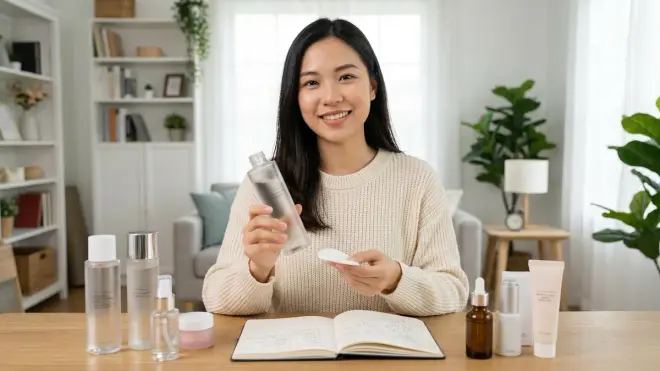
This category is uniquely Korean and genuinely revolutionary. Essences are concentrated hydration delivery systems that prep your skin for serums while providing their own benefits.
Fermented essences like COSRX Galactomyces 95 Tone Balancing Essence (usually around $18 for 100ml) contain Galactomyces ferment filtrate—a yeast byproduct rich in amino acids, vitamins, and organic acids that improve skin texture and brightness. I use this as my SK-II dupe and honestly can't tell the difference in performance.
Snail mucin essences like COSRX Advanced Snail 96 Mucin Power Essence (usually around $15 for 100ml) contain 96% snail secretion filtrate, which sounds disgusting but is actually a mixture of glycoproteins, hyaluronic acid, glycolic acid, and antimicrobial peptides. The texture is slippery and viscous—it takes about 30 seconds to fully absorb but leaves your skin feeling ridiculously plump. For a deep dive into this ingredient, see Korean snail mucin vs hyaluronic acid.
Serums: Targeted Active Treatments
This is where you address specific concerns with concentrated actives. Korean serums typically contain 20-30% active ingredients compared to 5-15% in many Western equivalents.
Vitamin C serums should contain 20%+ ascorbic acid or alternative stable forms like ethyl ascorbic acid (15%). The Purito Pure Vitamin C Serum (around $18) contains 23% ascorbic acid with ferulic acid and vitamin E for stabilization—a formula that would cost around $70+ from Skinceuticals or Drunk Elephant.
Niacinamide serums should be 5-10% concentration—clinical studies show benefits starting at 2%, but Korean brands exceed that threshold for faster results. The COSRX The Niacinamide 15 Serum (around $20) is self-explanatory. It's thick, so I dilute it with a few drops of toner before applying.
Peptide serums typically contain multiple peptide types (copper peptides for collagen synthesis, matrixyl for wrinkle reduction, argireline for expression lines) at concentrations around 1-5% combined. Brands like iUNIK and Purito offer multi-peptide serums for usually around $20-25. For related technology, explore bioregenerative peptides vs retinol comparisons.
Moisturizers: Ceramide-Rich Barrier Support
Korean moisturizers excel at providing barrier repair without greasiness. The key is that ceramide:cholesterol:fatty acid ratio I mentioned earlier—you want all three components in roughly equal proportions.
Gel-creams like Etude House Soon Jung 2x Barrier Intensive Cream (usually around $17 for 60ml) contain 5-pantheonol, madecassoside, and ceramides in a lightweight gel matrix. Perfect for oily-combination skin—it feels like nothing but provides serious hydration.
Rich creams like Illiyoon Ceramide Ato Concentrate Cream (usually around $15 for 200ml—yes, 200ml for usually around $15) contain ceramide complexes plus shea butter and squalane. This is my winter go-to and compares favorably to CeraVe Moisturizing Cream but with a slightly more elegant texture.
Look for moisturizers manufactured by Amorepacific or LG Household & Health Care—these are the two Korean beauty conglomerates with the most advanced R&D. For specific recommendations, check out best Korean moisturizers under $25.
Sunscreen: Where K-Beauty Absolutely Dominates
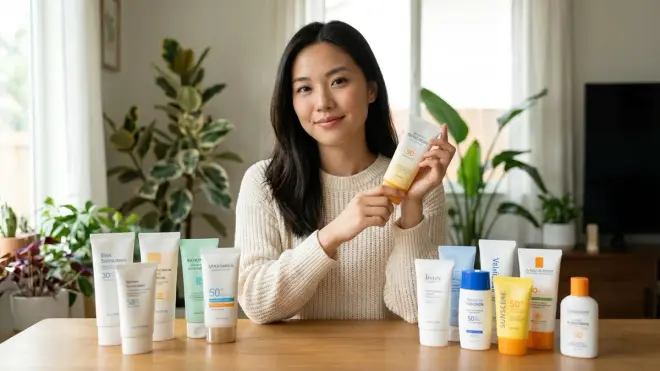
This category alone justifies adopting Korean skincare. The texture, the protection, the complete absence of white cast—American sunscreens can't compete.
Korean chemical sunscreens use modern organic filters: Tinosorb S (up to 10%), Uvinul A Plus (up to 10%), and Uvinul T 150 (up to 10%). These provide broad-spectrum UVA protection with SPF 50+ and feel like absolutely nothing on your skin.
Beauty of Joseon Relief Sun (usually around $16 for 50ml) uses grain-fermented extracts plus modern UV filters in a milky, fast-absorbing formula with zero white cast. I've worn this under makeup in 95-degree California heat—it doesn't pill, doesn't feel greasy, and doesn't migrate into my eyes.
Some people find that Korean sunscreens can sting sensitive eyes slightly more than mineral sunscreens due to the organic filters. If you're prone to this, look for formulas with soothing ingredients like centella or panthenol in the top 10 ingredients. For extensive testing data, see top Korean sunscreens under $20.
Optional Boosters: Ampoules and Sheet Masks
Ampoules are super-concentrated serums for intensive treatment periods. Think of them as serum-squared. They typically contain 30-50% active ingredients and come in smaller bottles (20-30ml) meant to be used for 2-4 weeks.
The ONE THING Artemisia Capillaris Ampoule (usually around $18) contains 100% artemisia extract—no fillers, no water—for intense calming and barrier repair. I use this when my skin freaks out from trying too many new products.
Sheet masks are less essential than Korean marketing would have you believe, but they're great for travel or self-care nights. Look for masks with essence weights of 20-25ml (more liquid = better value) and ingredients you actually recognize. The usually around $1-2 price point is standard—don't pay more than that unless you're buying premium specialty masks.
The Ingredient Deep Dive: What Makes K-Beauty Formulations Different
Let me get specific about the ingredients that define Korean skincare—and why they work.
Centella Asiatica and Its Derivatives
Centella asiatica (also called cica or tiger grass) is a cornerstone of K-beauty anti-inflammatory formulations. The whole plant extract is good, but Korean labs isolated four key compounds: asiaticoside, madecassoside, asiatic acid, and madecassic acid—collectively called TECA.
These compounds stimulate type I collagen synthesis and inhibit inflammation at the molecular level. Studies from Korean dermatology journals show 0.1% madecassoside reduces redness and accelerates barrier recovery. You'll see these ingredients in "Soon Jung" or "Cica" product lines—brands like Etude House, Dr. Jart+, and Purito specialize in these formulations.
The texture is typically lightweight and fast-absorbing because centella derivatives are water-soluble. Products containing these feel cooling on application and sink in within 20-30 seconds.
Fermented Ingredients: Smaller Molecules, Deeper Penetration
Fermentation breaks down ingredient molecules into smaller fragments that penetrate more effectively. Korean cosmetic chemistry has been studying fermented extracts since the 1990s—this isn't a trend; it's established science.
Galactomyces ferment filtrate (the SK-II ingredient) contains amino acids, organic acids, vitamins, and minerals produced during yeast fermentation. The molecular weight is significantly lower than the original compounds, so they penetrate past the stratum corneum into the upper epidermis.
Saccharomyces ferment (a different yeast strain) appears in products focused on brightening—it contains natural AHAs and niacinamide byproducts that even out skin tone.
Bifida ferment lysate (a probiotic derivative) strengthens skin's natural microbiome and improves barrier function. Estée Lauder's Advanced Night Repair features this ingredient prominently and charges around $100 for 50ml; Korean brands like Manyo Factory offer similar concentrations for usually around $20-25.
The consistency of fermented essences is distinctive—slightly viscous but not sticky, with a faintly sweet or savory scent (that's the fermentation byproducts, not added fragrance).
Ginseng and Red Ginseng Extracts
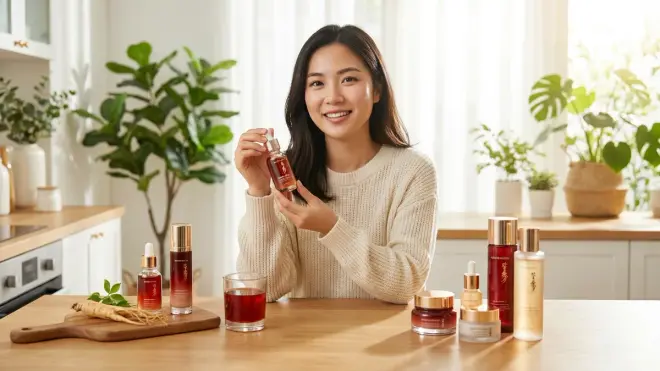
Panax ginseng (Asian ginseng) contains ginsenosides—saponin compounds with proven antioxidant and anti-inflammatory properties. Red ginseng is regular ginseng that's been steamed and dried, which increases ginsenoside concentration.
Korean studies show 1-2% ginseng extract improves facial wrinkles and elasticity over 24 weeks of use. Brands like Sulwhasoo, The History of Whoo, and Beauty of Joseon feature ginseng prominently. The luxury brands charge around $80-200 for ginseng products; Beauty of Joseon offers comparable formulations for usually around $15-20.
Ginseng products have a distinctive herbal scent—earthy, slightly sweet, somewhat medicinal. If you hate that, you'll hate ginseng products. I personally love it because it feels like I'm doing something serious to my face.
Propolis and Royal Jelly: Bee-Derived Bioactives
Propolis is a resin mixture that bees create from plant materials, beeswax, and their own secretions. It contains flavonoids, phenolic acids, and aromatic compounds with antibacterial and anti-inflammatory properties.
Korean formulations typically use 70-90% propolis extract in serums and ampoules. The texture is honey-like (obviously)—thick, sticky, and intensely moisturizing. COSRX Propolis Light Ampoule (usually around $22) contains 83.25% propolis extract and feels like liquid gold on your skin. It's sticky for about 45 seconds, then becomes incredibly plump and smooth.
Royal jelly (bee larva food) contains proteins, lipids, vitamins, and the fatty acid 10-HDA which has antimicrobial properties. It's less common than propolis but appears in anti-aging products. The texture is similar but slightly lighter.
Some people are allergic to bee products—patch test these if you have pollen or bee sting allergies.
Rice Extract and Fermented Rice Water
Oryza sativa (rice) extract contains amino acids, minerals, vitamins, and ferulic acid—an antioxidant particularly effective against UV damage. Rice water has been used in Korean and Japanese beauty rituals for centuries; modern K-beauty extracts and ferments it for higher bioactive concentrations.
Brands like I'm From and Haruharu Wonder specialize in rice-based products. The I'm From Rice Toner (usually around $24 for 150ml) contains 77.78% rice extract and feels incredibly silky—like you're applying diluted milk to your face. It brightens and softens texture over 4-6 weeks of consistent use.
The scent is subtle—slightly sweet and grainy, not at all artificial.
For a complete breakdown of star ingredients, see Korean skincare ingredients explained.
Price-Per-Ounce Comparison: K-Beauty vs. Western Equivalents
Let me show you the actual math on why Korean skin care is objectively better value.
The Vitamin C Serum Breakdown
Skinceuticals C E Ferulic: around $169 for 30ml (1 oz) = around $169/oz
- 15% L-ascorbic acid
- 1% vitamin E
- 0.5% ferulic acid
- Manufactured in USA
Purito Pure Vitamin C Serum: around $18 for 60ml (2 oz) = around $9/oz
- 23% L-ascorbic acid
- Vitamin E
- Ferulic acid
- Manufactured in Korea
The Purito contains a higher concentration of the primary active and costs 94.7% less per ounce. The Skinceuticals has a more elegant texture (less sticky) and slightly more sophisticated stabilization chemistry, but the performance gap doesn't justify an 18x price difference.
I've used both continuously for months. The Purito oxidizes slightly faster (it turns yellow after about 4 months vs. 6 months for Skinceuticals), but at this price, you can buy three bottles of Purito for less than one Skinceuticals and just replace it more frequently.
The Ceramide Moisturizer Face-Off
CeraVe Moisturizing Cream: around $18 for 453g (16 oz) = around $1.13/oz
- Ceramides 1, 3, 6-II
- Hyaluronic acid
- Niacinamide
- Manufactured in USA
Illiyoon Ceramide Ato Concentrate Cream: around $15 for 200ml (6.76 oz) = around $2.22/oz
- Ceramide complex
- Panthenol
- Shea butter
- Manufactured in Korea
Wait—the CeraVe is actually cheaper? Yes. CeraVe is genuinely excellent value, which is why I keep recommending it. But the Illiyoon has a notably more elegant texture—less heavy, absorbs faster, leaves a softer finish. The CeraVe can feel slightly greasy on combination skin; the Illiyoon never does.
If you're on a strict budget and have very dry skin, CeraVe wins. If you want a more pleasant experience and have $3 to spare, Illiyoon wins. Both are dramatically better value than prestige moisturizers that charge around $60-80 for 50ml.
The Niacinamide Serum Reality Check
Paula's Choice 10% Niacinamide Booster: around $52 for 20ml (0.67 oz) = around $77.61/oz
- 10% niacinamide
- Glucosamine
- Acetyl glucosamine
- Manufactured in USA
Some By Mi Yuja Niacin Brightening Moisture Gel Cream: around $18 for 60ml (2 oz) = around $9/oz
- 5% niacinamide
- 70% yuja (citrus) extract
- Glutathione
- Manufactured in Korea
The Paula's Choice has double the niacinamide concentration, but clinical studies show benefits plateau around 5%—going to 10% doesn't double the results. The Some By Mi costs 89.4% less per ounce and includes additional brightening actives. Paula's Choice wins on niacinamide percentage; Some By Mi wins on overall value and synergistic ingredients.
Frequently Asked Questions
What is the correct order to apply Korean skincare products?
The correct order for applying Korean skincare products is: oil cleanser, water-based cleanser, exfoliator (2-3x per week), toner, essence, serum, eye cream, moisturizer, and sunscreen (morning only). Apply products from thinnest to thickest consistency, allowing 30-60 seconds between each layer for absorption. This sequence is based on molecular size and pH optimization—lighter, more acidic products penetrate better when applied to freshly cleansed skin, while heavier occlusives seal everything in at the end.
Can Korean skincare work for sensitive skin?
Yes, Korean skincare often works better for sensitive skin because K-beauty formulations prioritize gentle, low-pH products with anti-inflammatory ingredients like centella asiatica, madecassoside, and panthenol at concentrations of 3-5%. Many Korean brands specifically formulate for sensitive skin (look for lines with "Soon Jung," "Cica," or "Barrier" in the name) and avoid common irritants like essential oils, drying alcohols, and harsh surfactants. Start with minimal steps—cleanser, toner, moisturizer, sunscreen—then add actives slowly while monitoring your skin's response.
How long does it take to see results from Korean skincare?
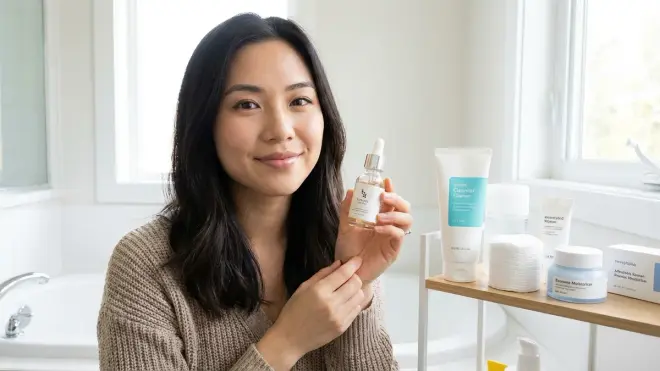
Most people see initial hydration improvements from Korean skincare within 3-7 days, noticeable texture refinement within 2-4 weeks, and significant changes in concerns like hyperpigmentation or fine lines within 8-12 weeks. The timeline depends on which actives you're using—niacinamide and hyaluronic acid work relatively quickly for hydration and brightness, while vitamin C and peptides require 6-8 weeks for collagen synthesis effects. Consistency matters more than the number of products—using a simple routine daily produces better results than elaborate routines applied inconsistently.
What's the difference between Korean and Japanese skincare?
Korean skincare emphasizes multiple thin layers of hydration with innovative active ingredients like snail mucin, fermented extracts, and centella asiatica, while Japanese skincare focuses on simplified routines with gentle formulations emphasizing rice extracts, camellia oil, and traditional ingredients like sake and green tea. Korean products tend to have more actives at higher concentrations (5-10% niacinamide is common), while Japanese formulations prioritize gentleness and minimal ingredients. Both approaches value hydration and sun protection but differ in philosophy—Korean beauty is about transformation; Japanese beauty is about maintenance.
Are expensive Korean skincare brands worth it compared to affordable ones?
Expensive Korean skincare brands like Sulwhasoo, The History of Whoo, and Amorepacific offer more luxurious textures, sophisticated fragrances, and occasionally rare botanical extracts, but the functional ingredient profiles are often nearly identical to affordable K-beauty brands at 1/5 the price. The expensive brands invest heavily in packaging, marketing, and prestige positioning rather than dramatically superior formulations. Unless you specifically value the sensory experience and luxury packaging, affordable Korean brands like COSRX, Some By Mi, Purito, and Beauty of Joseon provide equivalent or superior active ingredient concentrations at $15-25 per product versus $50-200 for luxury equivalents.
Your Next Steps: Building Your K-Beauty Routine
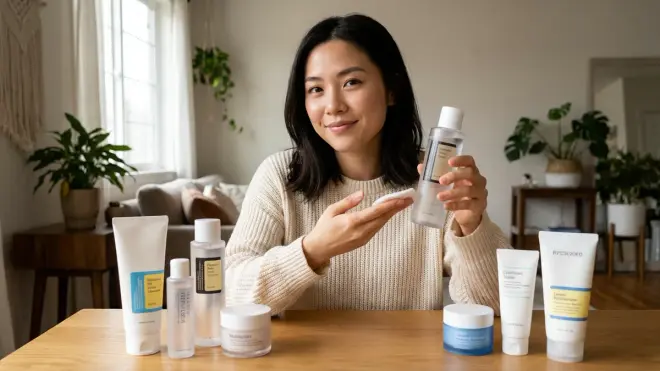
Start with the basics—you don't need 10 products on day one. Get a low-pH cleanser (usually around $12-15), a hydrating toner (usually around $15-