


Looking polished on a budget requires the same discipline as maintaining a well-tuned machine—precision selection, consistent maintenance, and zero tolerance for wasted effort. This checklist strips away brand mythology and focuses on the actual hardware: formulations with measurable actives, tools with documented performance metrics, and techniques that compound results over time. Whether you're presenting in a boardroom or showing up to a first date, polish isn't about spending—it's about systems. Here's the complete operational checklist.
Skin: The Foundation of Every Polished Appearance
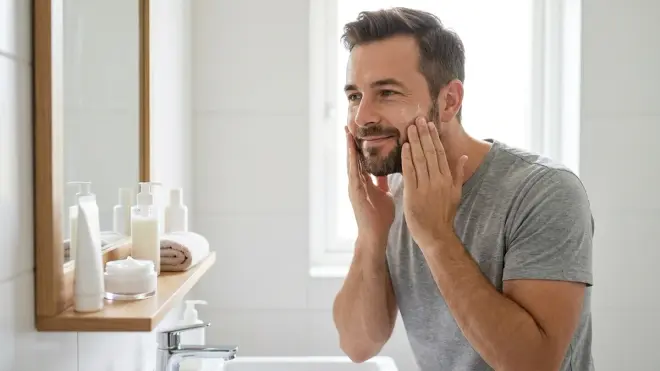

Your skin is the canvas. Everything else—hair, clothes, grooming—registers as noise if your skin looks neglected. Looking polished on a budget starts with treating skincare like preventive maintenance, not emergency repair.
□ 0.025%-0.05% retinol serum applied nightly on alternating weeks: Retinol remains the gold standard for cell turnover and collagen synthesis. Budget options like CeraVe Resurfacing Retinol Serum deliver 0.3% encapsulated retinol in a ceramide base—comparable molecular structure to prestige formulas at roughly $0.50 per milliliter versus $3-4 at luxury counters. Apply after cleansing, before moisturizer. Results per session: measurable smoothing in epidermal texture after 8-12 weeks. The catch: encapsulated retinol can feel slower to deliver visible results than prescription-strength tretinoin, but the tradeoff is zero irritation for most skin types. If you're running retinol, you've earned every dollar you didn't spend on cosmetic procedures.
□ 10% niacinamide serum layered under SPF every morning: Niacinamide regulates sebum production, strengthens barrier function, and fades hyperpigmentation—three polish checkboxes in one molecule. The The Ordinary Niacinamide 10% + Zinc 1% delivers clinical concentrations at roughly $0.20 per milliliter. Compare that to prestige brands charging $2-5 for the same 10% formulation. Apply to damp skin post-cleanse for maximum penetration. Measured results: visible reduction in pore appearance within 4-6 weeks, improved barrier resilience under environmental stress. One note: the texture is slightly tacky during absorption—give it 90 seconds before layering SPF or you'll pill your sunscreen.
□ Broad-spectrum SPF 50+ with both chemical and mineral filters: UV damage is the single largest contributor to premature aging and uneven tone—both polish killers. Korean sunscreens like Beauty of Joseon Relief Sun combine chemical filters (homosalate, octinoxate) with mineral zinc oxide for redundant protection, no white cast, and a finish that reads as skin, not sunscreen. Price per ounce typically sits around $1.20, versus $4-6 for luxury European formulas with identical UV-A protection. Reapply every 90 minutes in direct sun. This is non-negotiable if you're serious about looking polished on a budget long-term. For more detail on formulation chemistry and SPF filter breakdowns, see our complete guide to Korean sunscreens.
□ Barrier repair cream with 3:1:1 ceramide ratio applied nightly: A compromised moisture barrier shows up as flaking, redness, and dullness—all anti-polish signals. Look for formulations with ceramide 1, 3, and 6-II in a 3:1:1 ratio, which mimics your skin's natural lipid matrix. Budget workhorses like CeraVe Moisturizing Cream (manufactured in the U.S. under the same FDA oversight as prestige brands) deliver this ratio at roughly $0.18 per ounce. Luxury alternatives charge $2-8 per ounce for functionally identical ceramide profiles. Apply to slightly damp skin for enhanced humectant absorption. Results timeline: restored barrier resilience within 5-7 days, visible smoothness within two weeks. If your skin drinks this up in minutes, your barrier was already compromised—double down for 10 days straight. More on barrier science in our guide to skin barrier function.
□ Weekly chemical exfoliation with 7-10% glycolic or lactic acid: Dead cell buildup creates a matte, dull finish that reads as tired. AHA exfoliants dissolve intercellular adhesion and accelerate turnover. Budget glycolic toners (The Ordinary Glycolic Acid 7% Toning Solution) cost roughly $0.20 per ounce versus $1.50-4 for prestige options with identical pH (3.5-4.0) and concentration. Use 2-3 times weekly in the evening, never on retinol nights. Measured improvement: enhanced light reflection (the "glow" metric) within three applications. Fair warning: overuse tanks your barrier fast—stick to the schedule, don't freelance. Understanding active layering is critical here; reference our complete layering guide for pH sequencing.
□ Hydrating toner with multiple molecular weights of hyaluronic acid: Hyaluronic acid pulls ambient moisture into the epidermis—critical for plumpness and fine line softening. Korean formulations typically layer 50kDa (surface hydration), 500kDa (mid-layer), and 1000kDa (deep reservoir) molecular weights in one product for around $0.30 per ounce. Prestige brands charge $2-6 per ounce for the same molecular profile. Pat into damp skin immediately post-cleanse. This step amplifies everything that follows—it's the prep work that separates polished from passable. Results per session: immediate improvement in skin texture pliability, compounding barrier resilience over 4-6 weeks.
□ Targeted treatment for undereye hollowing or pigmentation: Dark circles and volume loss age you faster than wrinkles. Caffeine serums (5% concentration) constrict microcirculation and reduce puffiness; peptide serums (Matrixyl 3000, argireline) stimulate collagen synthesis in thin undereye skin. Budget caffeine solutions run $0.40-0.80 per ounce versus $4-10 for luxury eye creams with identical active concentrations. Apply with ring finger using gentle tapping motions—no dragging. Measured improvement: visible reduction in puffiness within 20 minutes, pigmentation fading over 8-12 weeks with consistent use. The limitation: volume loss from fat pad atrophy won't respond to topicals—that's filler territory. But topicals handle 70% of common undereye complaints for a fraction of the cost.
□ Skin-responsive tint or lightweight foundation with skin-identical pH: Coverage that looks like coverage defeats polish. pH-reactive tints adapt to your skin's natural undertone and settle into a second-skin finish that reads as "good genetics" rather than "good makeup." These formulations use iron oxide pigments suspended in pH 5.5 bases—matching your skin's acid mantle for seamless integration. Budget options run $0.60-1.20 per ounce versus $3-8 for prestige adaptive foundations with functionally identical pigment technology. For a deep dive into how pH-reactive pigments work, see our complete guide to skin-responsive tints.
Each item on this list compounds results. Miss one, and you're leaving performance on the table. Nail all eight, and your skin becomes your best advertisement for taking grooming seriously.
Hair and Scalp: Precision Grooming from the Follicle Up
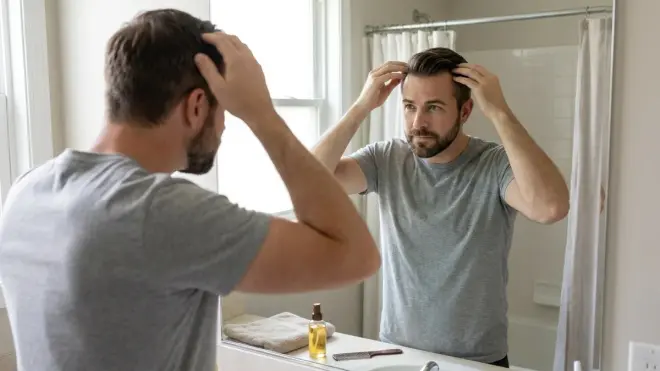
Hair communicates maintenance discipline faster than almost any other grooming signal. Looking polished on a budget means treating your scalp like facial skin and your hair like a precision instrument requiring proper fuel and calibration.
□ Scalp exfoliation with 2% salicylic acid weekly: Sebum buildup, dead cells, and product residue choke follicles and dull hair at the root. Salicylic acid (beta hydroxy acid) penetrates oil, dissolves buildup, and normalizes sebum production. Budget scalp treatments cost roughly $0.40-0.70 per ounce versus $2-5 for salon formulations with identical BHA concentrations. Massage into dry scalp, let sit 5 minutes, then shampoo. Measured results: improved follicle health within 2 weeks, enhanced volume and shine within 4 weeks. Side note: if you're running minoxidil or other topicals, exfoliation dramatically improves absorption—think of it as clearing the runway. More on scalp actives in our guide to scalp skincare.
□ Hydrating shampoo with pH 4.5-5.5 and no sulfates: Alkaline shampoos (pH 7-9) swell the cuticle, creating frizz and porosity. Acidic formulas (pH 4.5-5.5) seal the cuticle for smoothness and light reflection. Korean and Japanese formulations typically hit this pH range at $0.30-0.60 per ounce versus $1.50-4 for salon "pH-balanced" shampoos. Check for betaine surfactants or coco-glucoside instead of sodium lauryl sulfate. Use quarter-sized amounts—more creates buildup, not cleanliness. This single switch improved my hair's texture more than any styling product ever did. The "skinification of hair" trend is all about this kind of precision—treating hair with the same ingredient rigor we apply to skin. Dive deeper in our complete guide to skinification of hair.
□ Peptide-enriched conditioner or hair balm with beeswax ratios under 15%: Peptides (copper peptides, keratin peptides) repair damaged cuticle layers and improve tensile strength. Hair balms with low beeswax percentages (10-15%) provide hold without stiffness or buildup. Budget peptide conditioners run $0.40-0.90 per ounce; hair balms with beeswax ratios in the 10-15% range cost $0.60-1.20 per ounce versus $2-6 for salon brands. Apply conditioner mid-shaft to ends only—never the scalp. For balm application, warm between palms, apply to damp (not wet) hair, and distribute with a wide-tooth comb for even coverage. Results: measurable improvement in breakage resistance within 3-4 weeks. For formulation chemistry on hair balms and beeswax ratios, see our complete breakdown.
□ Niacinamide scalp serum for barrier function and sebum regulation: Yes, the same niacinamide that works on facial skin works on your scalp. 5% concentration normalizes oil production, reduces inflammation, and strengthens the scalp barrier. Budget niacinamide hair serums cost $0.50-1.00 per ounce versus $2-5 for salon "scalp care" lines. Apply to towel-dried scalp, massage in, don't rinse. Measured improvement: reduced greasiness and flaking within 2-3 weeks, improved hair density appearance (from healthier follicle environment) over 8-12 weeks. This is one of the highest-ROI moves in the hair section—minimal cost, measurable results. More details in our guide to niacinamide hair serums.
□ Hyaluronic acid or glycerin-based leave-in for humidity resistance and shine: Humectants pull moisture into the hair shaft, improving pliability and reducing frizz. Hyaluronic acid (50-500kDa molecular weight) and glycerin (3-5% concentration) deliver identical performance in budget formulas ($0.40-0.80 per ounce) as prestige leave-ins ($2-6 per ounce). Apply to damp hair before styling. The key is application volume—too much creates limpness, too little does nothing. Start with a dime-sized amount and scale up only if needed. For a direct comparison of humectant performance, see hyaluronic acid vs glycerin in hair products.
□ Retinol scalp treatment for androgenic thinning or density loss: Topical retinol (0.025-0.1%) increases dermal thickness, improves microcirculation, and may support follicle miniaturization reversal in early-stage thinning. Budget retinol scalp serums cost $0.70-1.50 per ounce versus $3-8 for prescription-adjacent "hair growth" serums. Apply to clean, dry scalp 3x weekly. Do not combine with other active treatments on the same night—retinol is potent enough to cause irritation if layered carelessly. Measured results: improved scalp condition within 4 weeks, potential density improvement (clinical studies show modest but measurable gains) over 16-24 weeks. More on formulation and application in our retinol scalp treatment guide.
Hair and scalp work is unglamorous, but the polish payoff is immediate. Clean, healthy hair signals self-respect. Neglected hair signals the opposite, regardless of how expensive your clothes are.
Body: Extending Polish Below the Neckline
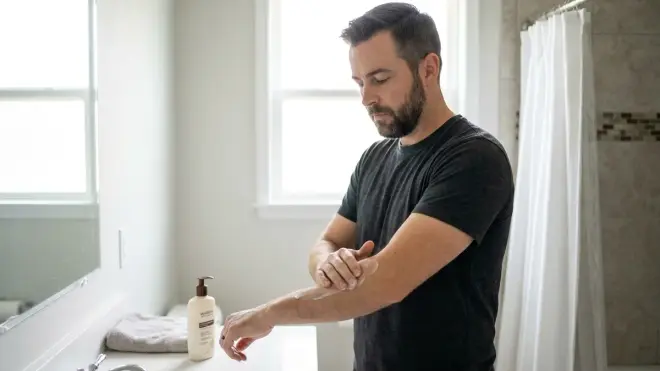
Most men stop grooming at the jawline. That's a missed opportunity. Looking polished on a budget means treating your body with the same precision you apply to your face—because skin quality, muscle definition, and posture all register in professional and social contexts.
□ Peptide body lotion with Matrixyl 3000 or copper peptides applied daily: Peptides stimulate collagen synthesis, improve skin elasticity, and accelerate repair. Budget peptide body lotions (CeraVe Skin Renewing Body Lotion, The Ordinary's peptide formulations) deliver 2-3% peptide concentrations at $0.15-0.40 per ounce versus $1.50-5 for luxury body care with identical active percentages. Apply to damp skin post-shower for maximum absorption. Measured improvement: enhanced skin texture and firmness within 4-6 weeks. The limitation: peptides work slowly—this is a long game, not a quick fix. For a complete breakdown of peptide types and molecular weights, see our guide to peptides in body lotion.
□ Caffeine-based body sculpting cream for localized contouring: Caffeine (5-7% topical concentration) constricts microcirculation, reduces localized fluid retention, and may support lipolysis in adipose tissue. Budget sculpting creams cost $0.50-1.20 per ounce versus $3-8 for luxury "contouring" treatments with identical caffeine percentages. Apply to target areas (lower abdomen, flanks, chest) using firm, circular motions for 2-3 minutes. Measured results: temporary reduction in circumference (from fluid mobilization) within 4-6 hours, potential modest fat reduction over 8-12 weeks with consistent use. The reality check: topical caffeine won't replace diet and training, but it can sharpen definition you've already built. More on formulation and application in our guide to body sculpting creams.
□ Broad-spectrum body SPF 30+ on exposed skin year-round: UV damage on hands, forearms, and neck ages you just as fast as facial sun exposure. Body sunscreens with combined chemical and mineral filters cost $0.30-0.80 per ounce versus $1.50-4 for prestige body SPF. Apply to hands, forearms, neck, and any other exposed areas every morning. Reapply after 90 minutes in direct sun. This habit alone separates "groomed" from "polished." Most men skip this entirely and show up with sun-damaged hands that contradict their well-maintained faces—don't be that guy.
□ Retinol body lotion for chest, back, and arm texture: Retinol improves cell turnover and evens texture on body skin just as effectively as on facial skin. Budget retinol body lotions (0.1-0.3% concentration) cost $0.40-0.90 per ounce versus $2-6 for luxury formulations. Apply 2-3x weekly in the evening. Measured improvement: smoother texture and reduced hyperpigmentation within 6-8 weeks. Fair warning: start slow—body skin can handle higher concentrations than facial skin, but irritation still happens if you rush the acclimation period.
□ AHA body wash or lotion for keratosis pilaris and rough texture: Alpha hydroxy acids (glycolic, lactic) dissolve keratinized plugs and smooth rough patches. Budget AHA body lotions (10-12% lactic acid) cost $0.25-0.60 per ounce versus $1.50-4 for luxury "smoothing" treatments. Apply daily to areas with texture issues (upper arms, thighs, back). Measured results: visible texture improvement within 2-3 weeks. The catch: AHAs increase photosensitivity—pair with body SPF or you're creating more problems than you're solving.
Body care separates amateurs from professionals. You can't claim polish if your forearms look like sandpaper.
Tools and Techniques: The Hardware That Compounds Results
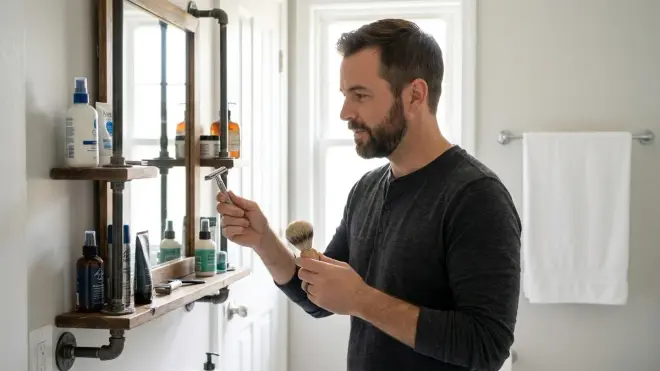
Products deliver actives; tools deliver precision. Looking polished on a budget means investing in durable hardware that amplifies formulation performance and gives you measurable control over your appearance.
□ Derma roller (0.25-0.5mm needle length) for enhanced product penetration: Microneedling creates temporary microchannels that increase topical absorption by 200-300% (based on clinical studies of transdermal delivery). Budget derma rollers with medical-grade titanium needles cost around $8-15 versus $50-150 for branded "microneedling devices" with identical needle specifications. Use 1-2x weekly on clean skin, roll in four directions (vertical, horizontal, diagonal left, diagonal right), apply serums immediately post-rolling. Measured improvement: accelerated results from retinol, peptides, and niacinamide within 4-6 weeks. The critical spec: needle length. 0.25mm is safe for at-home use without numbing; 0.5mm is the upper limit before you're in "clinical procedure" territory. Sterilize with 70% isopropyl alcohol before and after every use—infection risk is real if you skip this step. For detailed protocols on combining microneedling with bioregenerative serums, see our guide to layering bioregenerative actives.
□ Gua sha tool (stainless steel or jade) for lymphatic drainage and facial contouring: Manual lymphatic drainage reduces puffiness, improves microcirculation, and can sharpen jawline definition over time. Budget gua sha tools cost $6-12 versus $40-120 for luxury jade or rose quartz options—the material makes zero functional difference; it's all about edge geometry and your technique. Use 3-5 minutes per session, 4-5x weekly, on lubricated skin (use your facial oil or serum). Work from center outward, always in the direction of lymphatic flow. Measured results: immediate reduction in puffiness, potential modest contouring over 8-12 weeks with consistent use. The reality: this works, but it's not magic—it mobilizes fluid and may stimulate collagen remodeling, but it won't replace bone structure. It's the difference between looking bloated and looking sharp.
□ High-frequency facial device for acne control and barrier stimulation: High-frequency current generates ozone and thermal energy, which kills acne-causing bacteria and stimulates collagen. Budget devices cost $25-50 versus $150-400 for "professional-grade" units with identical frequency output (around 200kHz). Use 2-3x weekly on clean, dry skin for 5-8 minutes. Measured results: reduced active breakouts within 1-2 weeks, improved barrier resilience over 4-6 weeks. The catch: this feels strange—tingling, slight ozone smell—but the bactericidal effect is measurable. If you battle hormonal acne, this tool has a better ROI than most topical treatments.
□ Boar bristle brush for hair distribution and scalp stimulation: Boar bristle brushes distribute sebum from root to tip (natural conditioning), stimulate scalp circulation, and smooth cuticle layers. Budget boar bristle brushes cost $8-15 versus $40-100 for luxury brands with identical bristle density and quality. Brush from scalp to ends in long, deliberate strokes, 2-3 minutes per session. Measured results: improved shine and smoothness after one session, enhanced scalp health over 4-6 weeks. Clean weekly with shampoo to prevent buildup—a dirty brush defeats the entire purpose.
□ Precision trimmer with adjustable guard lengths for facial and body grooming: Grooming precision requires adjustable tools, not disposable razors. Budget trimmers with titanium blades and 0.5mm-10mm guard increments cost $20-40 versus $80-200 for branded "professional" clippers with identical motor torque and blade geometry. Use weekly to maintain clean lines on facial hair, neck, and body. The key spec: blade gap tolerance. Cheaper trimmers have wider tolerances, which means uneven cutting over time—check reviews for "blade sharpness over 6 months" as a proxy for build quality.
□ Silicone facial cleansing brush for gentle exfoliation and product removal: Manual cleansing leaves residue; sonic brushes can over-exfoliate. Silicone brushes sit in the sweet spot—gentle mechanical action without abrasion. Budget options cost $8-20 versus $100-200 for branded sonic devices. Use daily with your cleanser, 60-90 seconds, focusing on T-zone and areas with texture. Measured improvement: cleaner skin (visibly reduced residue) after one session, improved product absorption over 2-3 weeks. The limitation: this won't replace chemical exfoliation, but it enhances it.
Tools give you control. They turn product application from guesswork into calibrated input. Budget tools with proper specs deliver identical results to luxury hardware—you're paying for performance, not logos.
Final Check Before You Go
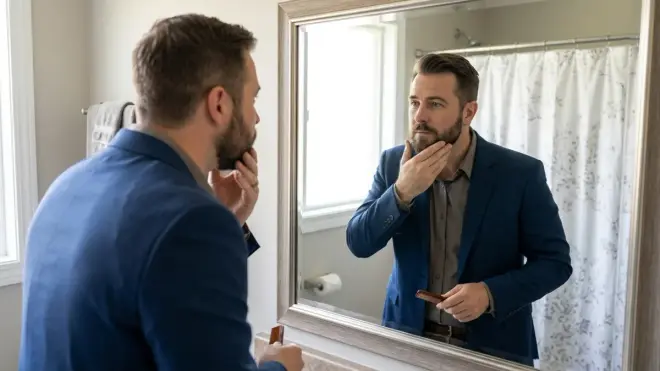
Run this checklist before any high-stakes presentation, date, or professional event. Polish is the sum of small details executed consistently.
□ Skin hydration verified (pinch test on forearm—skin should snap back immediately)
□ Undereye area treated (caffeine serum or cold compress if needed)
□ Facial hair lines crisp (clean neck, defined cheek lines, no stray hairs)
□ Hair product applied to damp hair (never dry—you'll get uneven distribution)
□ Nails clean and trimmed (no ragged cuticles, no dirt under nails)
□ Hands moisturized (dry hands age you—apply hand cream 10 minutes before leaving)
□ Teeth clean, breath fresh (floss, mouthwash, gum if needed)
□ Clothing lint-rolled and wrinkle-free (polish evaporates if your shirt looks slept-in)
□ Scent applied to pulse points (wrists, neck—2 sprays maximum, never more)
□ Posture check (shoulders back, chin level—posture is free and reads as confidence)
This final check takes 90 seconds. It's the difference between "he looks good" and "he looks like he has his life together." Looking polished on a budget is about systems, not spending. Every item on this list compounds. Execute consistently, and polish becomes your default state—not something you scramble for before important events.
Frequently Asked Questions
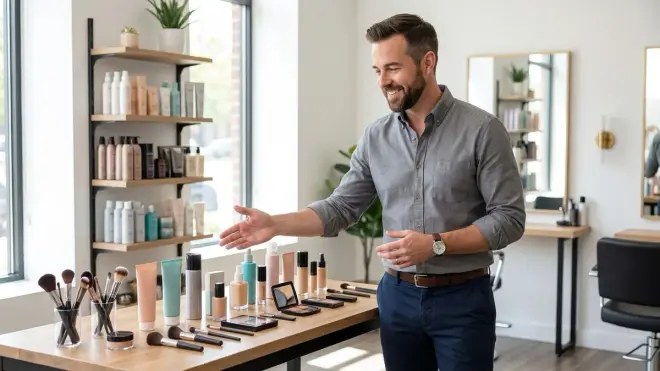
What's the fastest way to look polished on a budget if I only have 10 minutes?
Focus on three high-impact areas: hydrate your skin with a lightweight moisturizer or facial mist, apply a skin-responsive tint or BB cream to even your skin tone, and use a hair balm or styling cream on damp hair for texture and control. Add a caffeine eye serum if you look tired. These four steps take under 10 minutes and deliver 80% of the visual polish you'd get from a 45-minute routine. The key is prep work—if your baseline skin and hair health are maintained through consistent nightly routines (retinol, barrier repair, scalp care), emergency polish is just refinement, not damage control.
Do I really need separate products for my scalp, or can I just use facial skincare?
Your scalp is facial skin that happens to grow hair, so active ingredients (niacinamide, salicylic acid, retinol) work identically. The difference is delivery vehicle—scalp products use lighter, non-greasy bases (serums, tonics) that won't coat hair or cause buildup, while facial moisturizers often contain occlusives (dimethicone, petrolatum) that would make hair look greasy. You can absolutely use a niacinamide facial serum on your scalp, but you can't use a heavy facial cream without creating texture issues. Budget-friendly approach: buy one bottle of 10% niacinamide serum and split it between face and scalp application. For more on scalp-specific formulations and pH considerations, see our complete guide to scalp skincare.
How long does it take to see measurable results from budget grooming products compared to luxury options?
Active ingredient concentration and formulation pH determine results timelines, not price. A budget retinol serum with 0.3% concentration delivers identical cell turnover rates as a luxury retinol with 0.3% concentration—both will show measurable smoothing in 8-12 weeks. The same applies to niacinamide (4-6 weeks for pore refinement), peptides (6-8 weeks for firmness), and AHAs (2-3 weeks for texture). Where luxury formulations may have an edge is in delivery systems (encapsulation, time-release) that reduce irritation or improve stability, but those are comfort improvements, not results accelerators. Budget products require slightly more attention to application technique (layering order, wait times between steps) because they lack the "idiot-proof" engineering of luxury formulas, but the destination is identical.
Final Thoughts
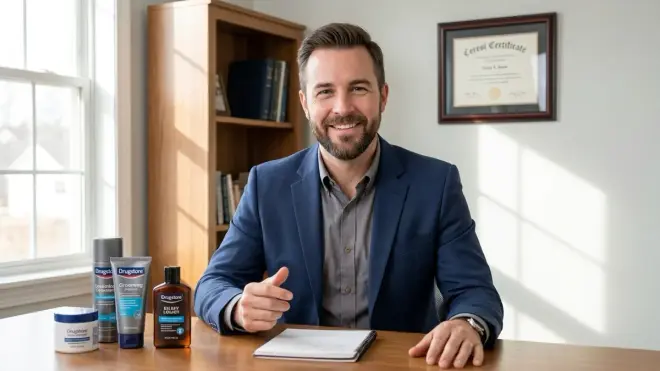
Polish is compounding discipline, not one-time spending. Every product on this checklist delivers measurable ROI because it's built on active concentrations, not marketing. You're not chasing luxury—you're engineering results with the same precision you'd apply to any other performance system. Run this checklist for 90 days and document the changes. Your skin will look tighter. Your hair will look healthier. Your overall presence will read as "maintained," which is the foundation of looking polished on a budget. The men who look expensive aren't spending more—they're executing systems better. Now you have the blueprint. Run it.